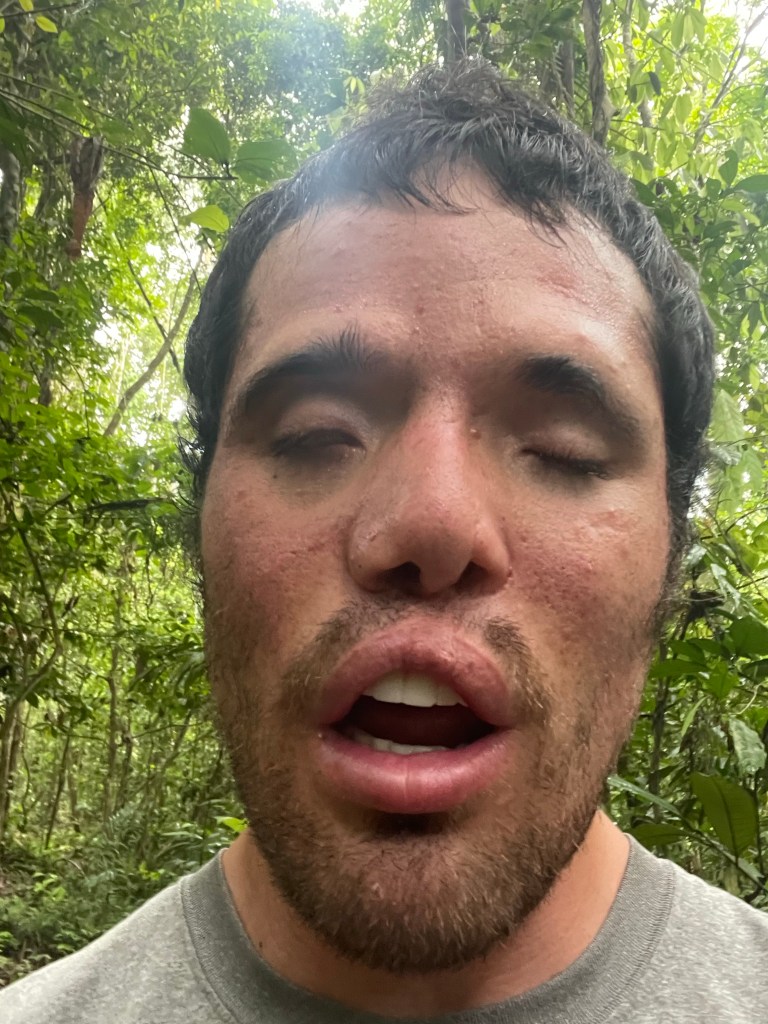
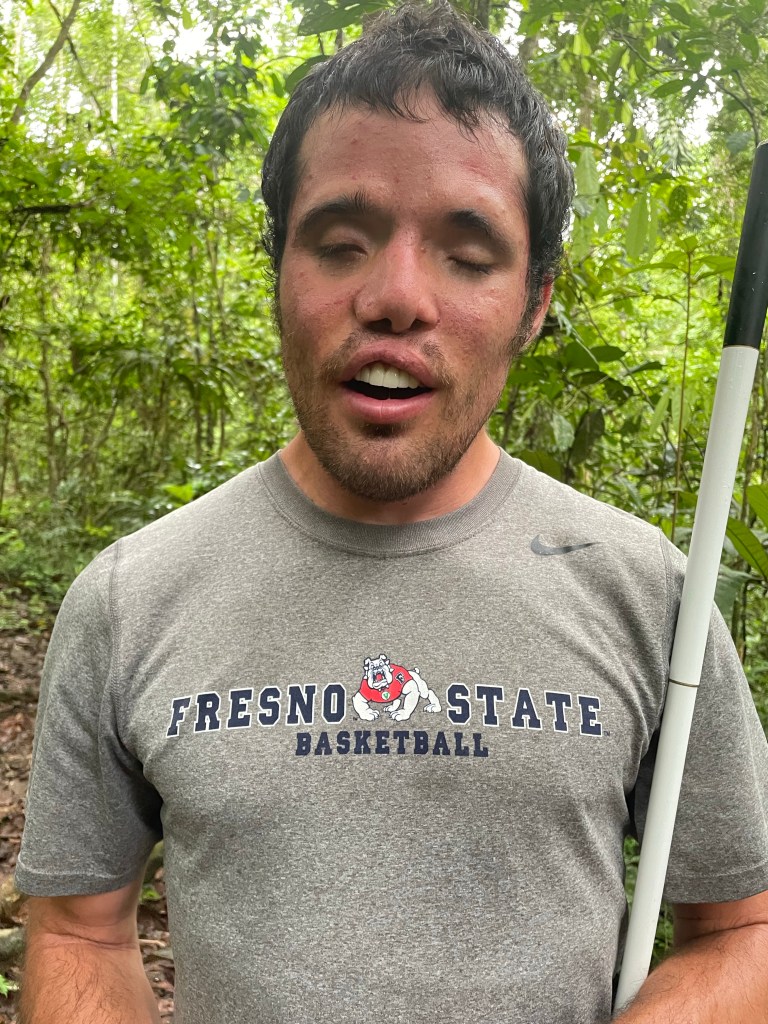
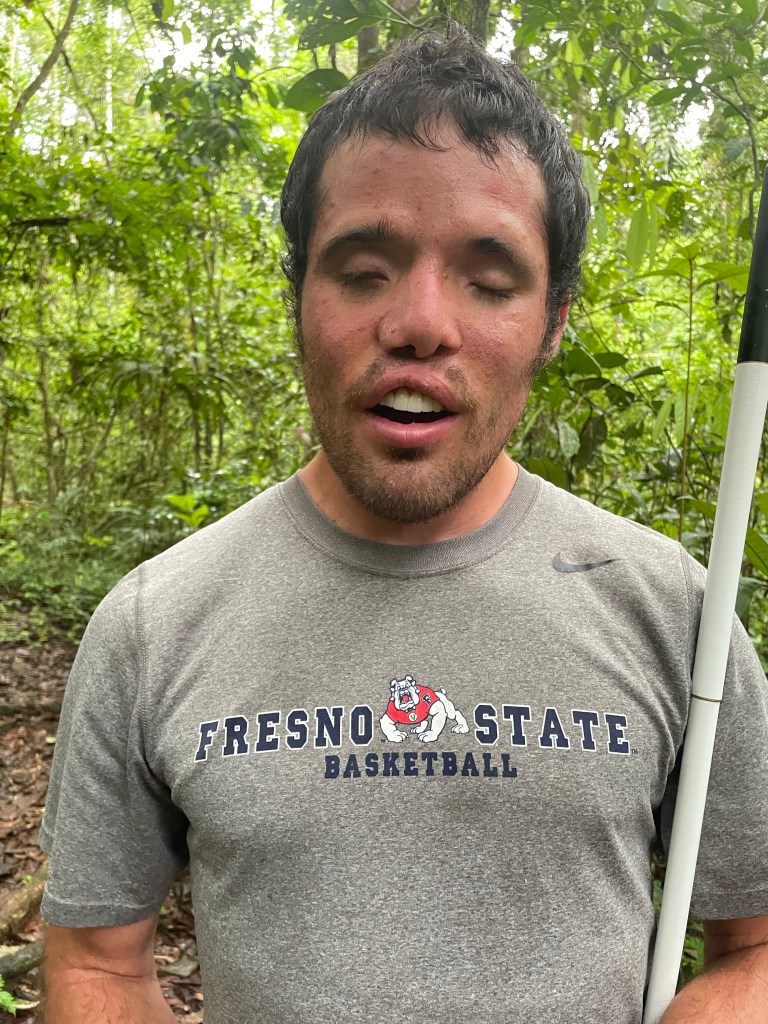
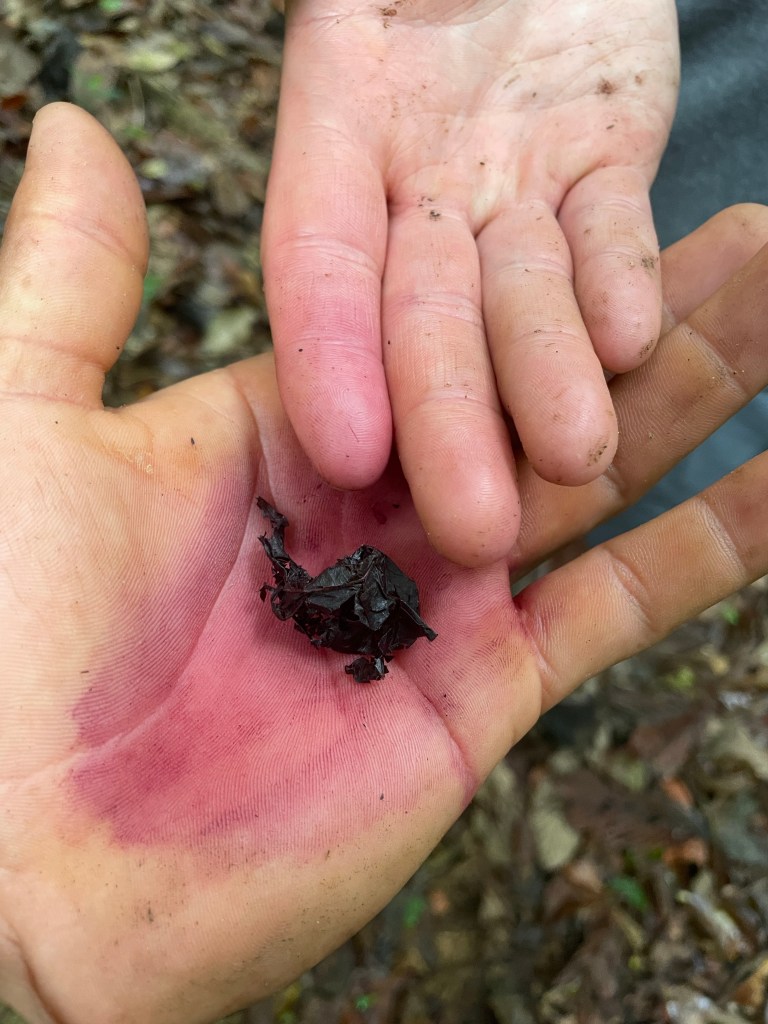
Success At Last?

Well, this is it. I can’t believe we’re to this point.

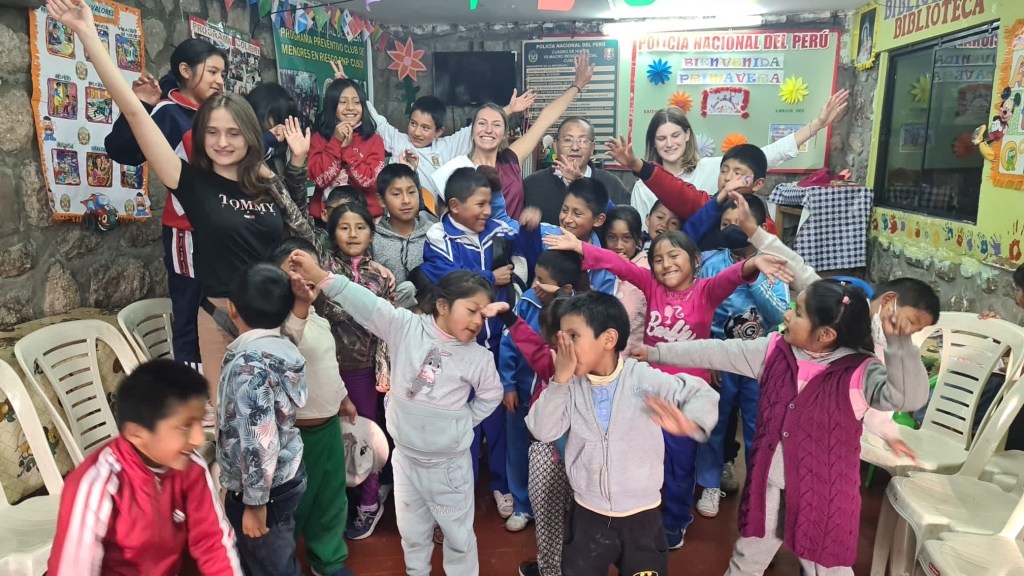
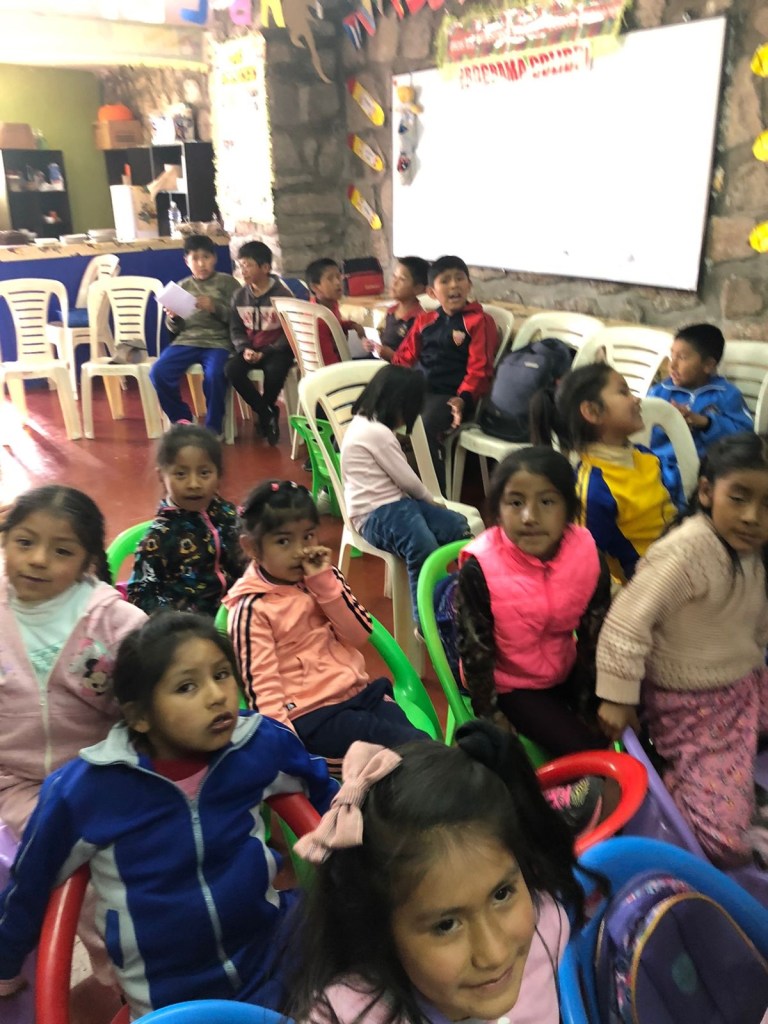
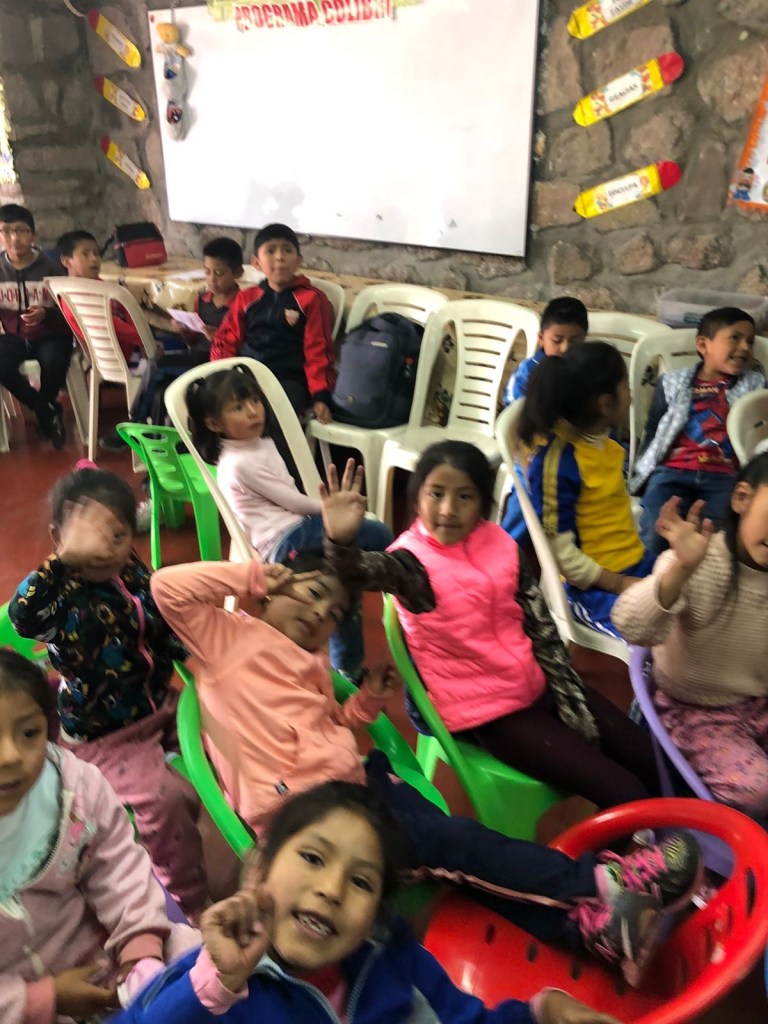
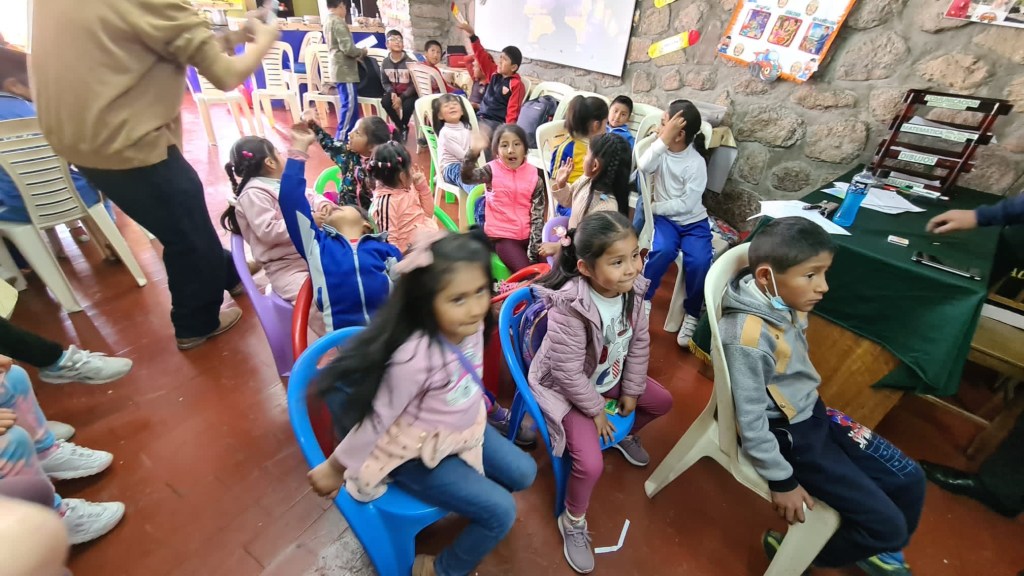
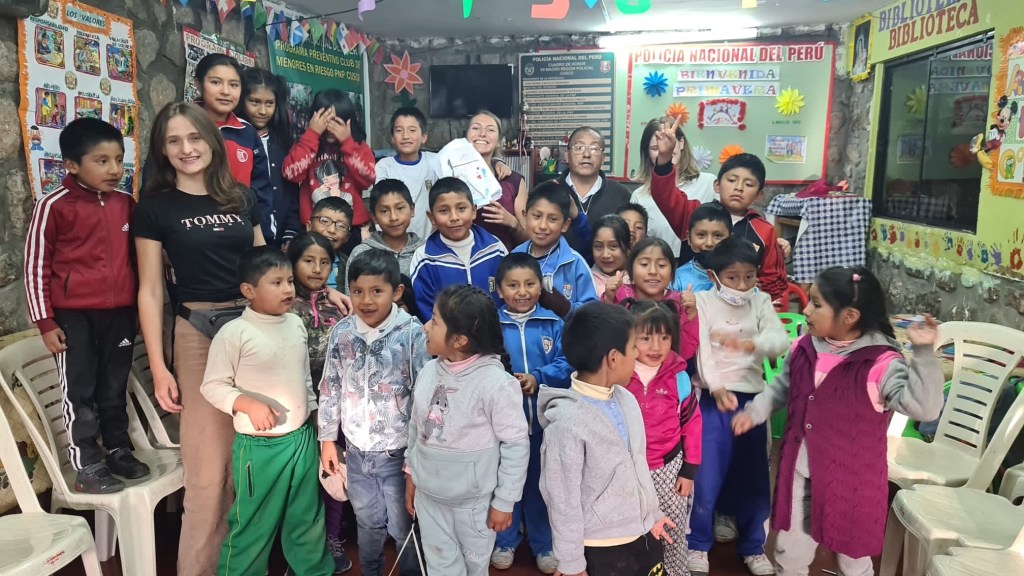
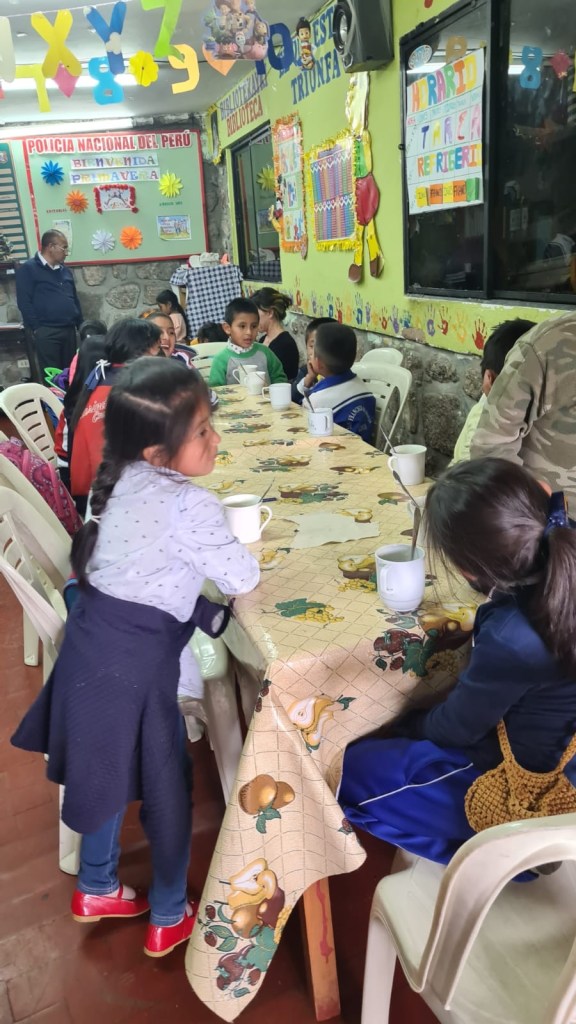
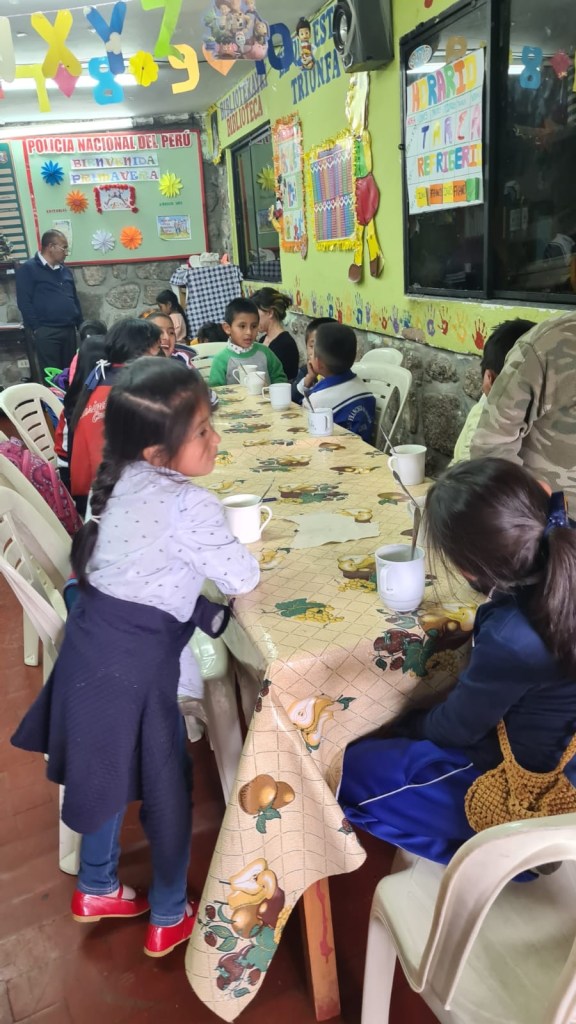
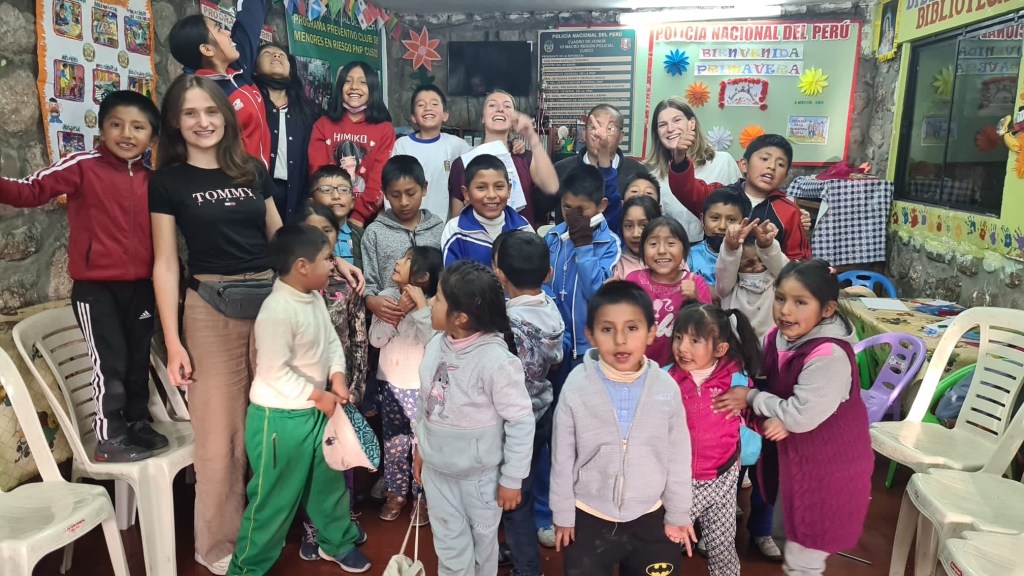
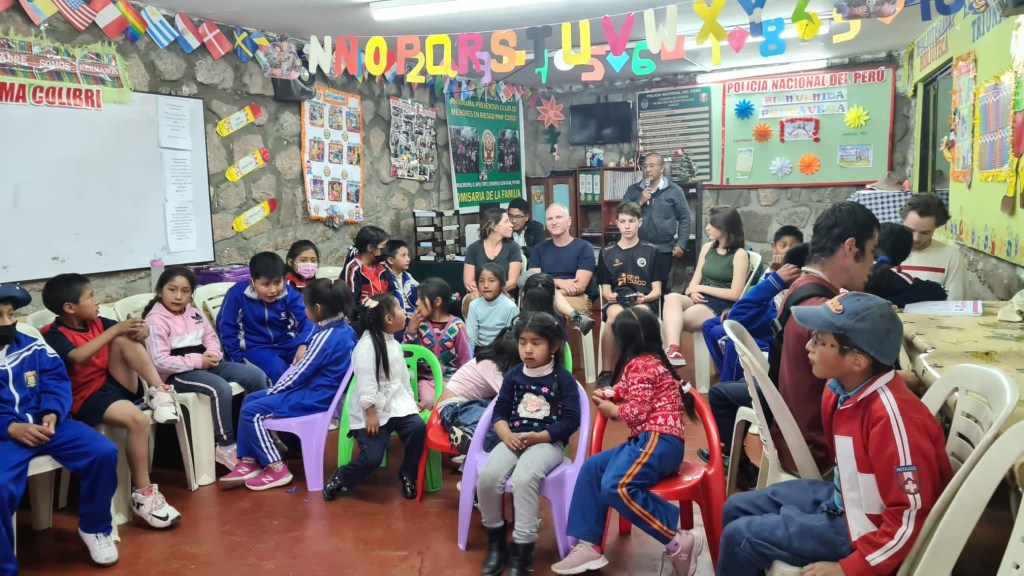
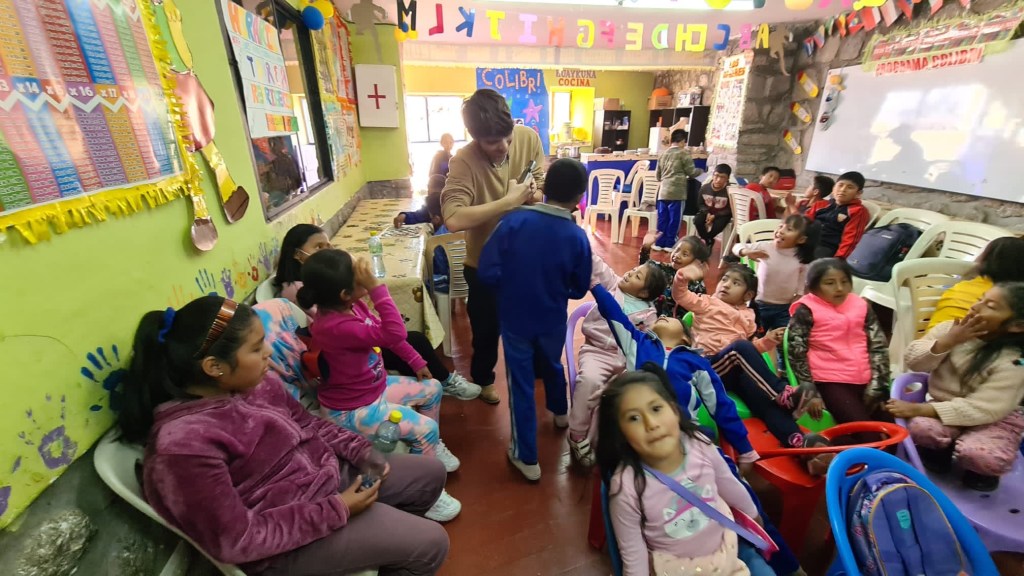
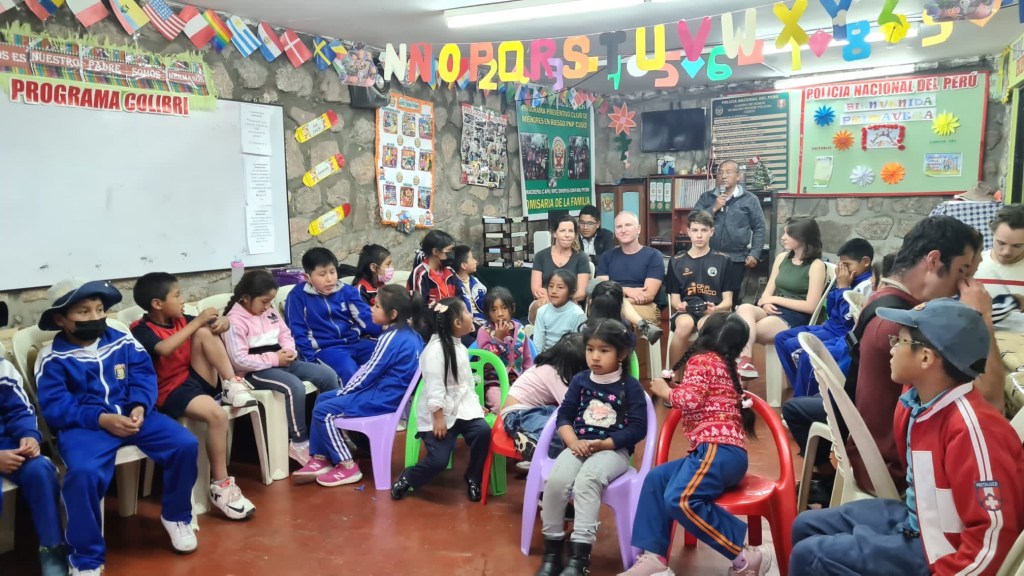
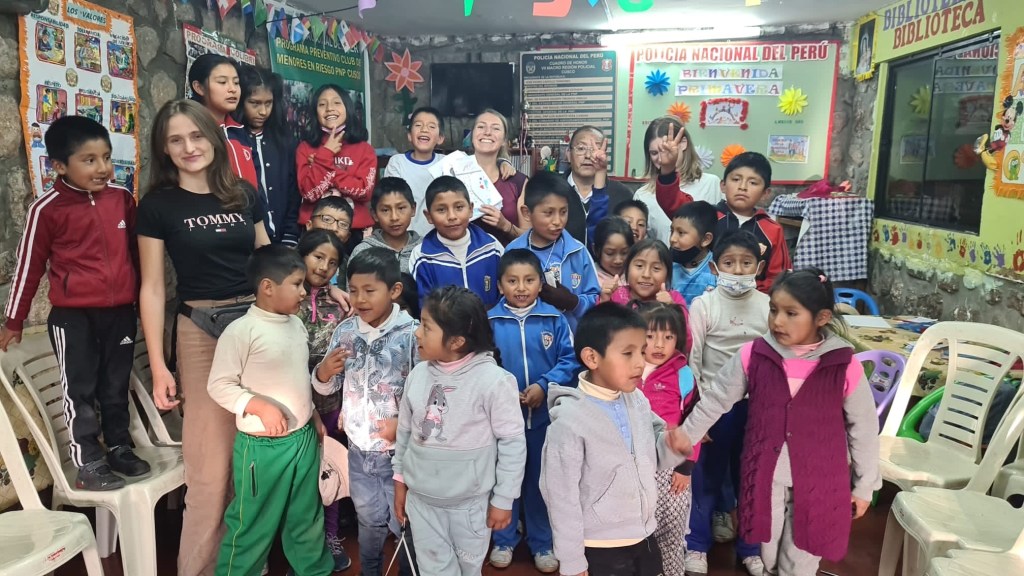
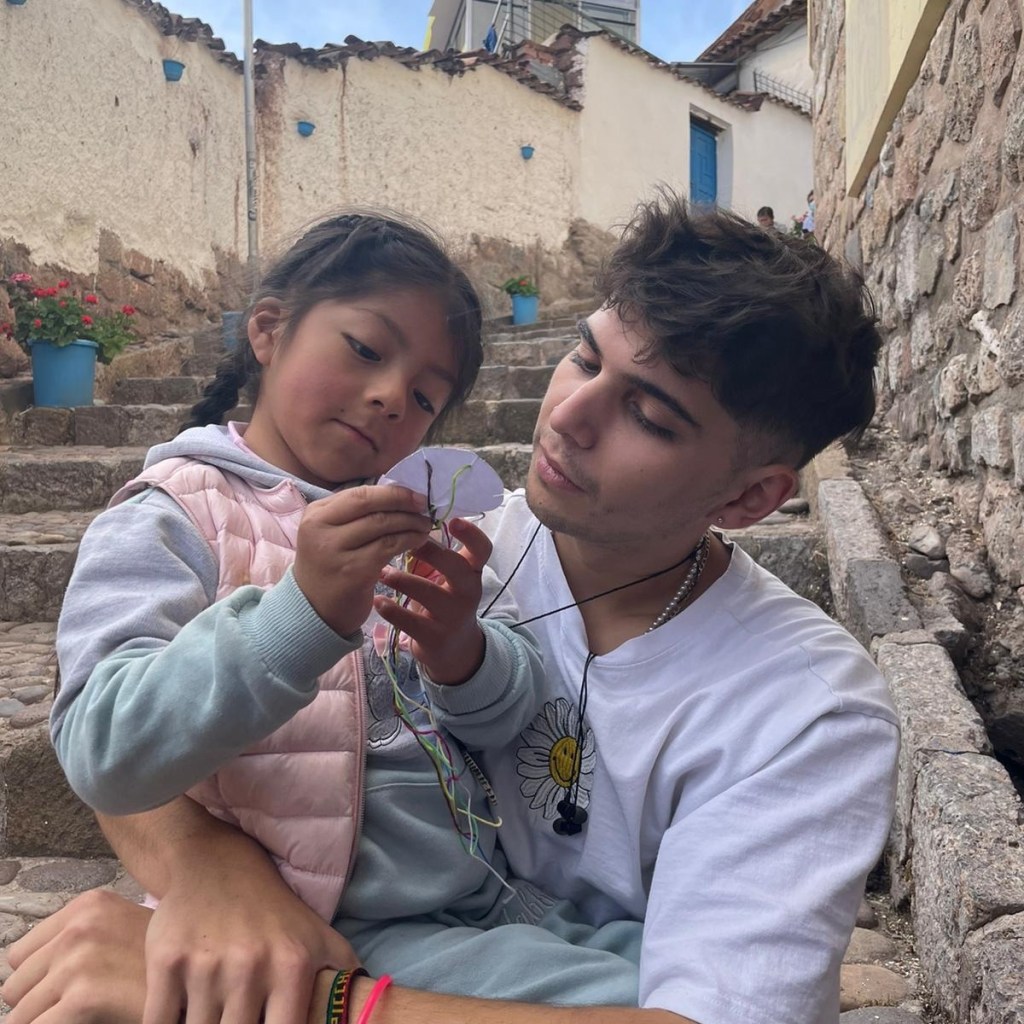
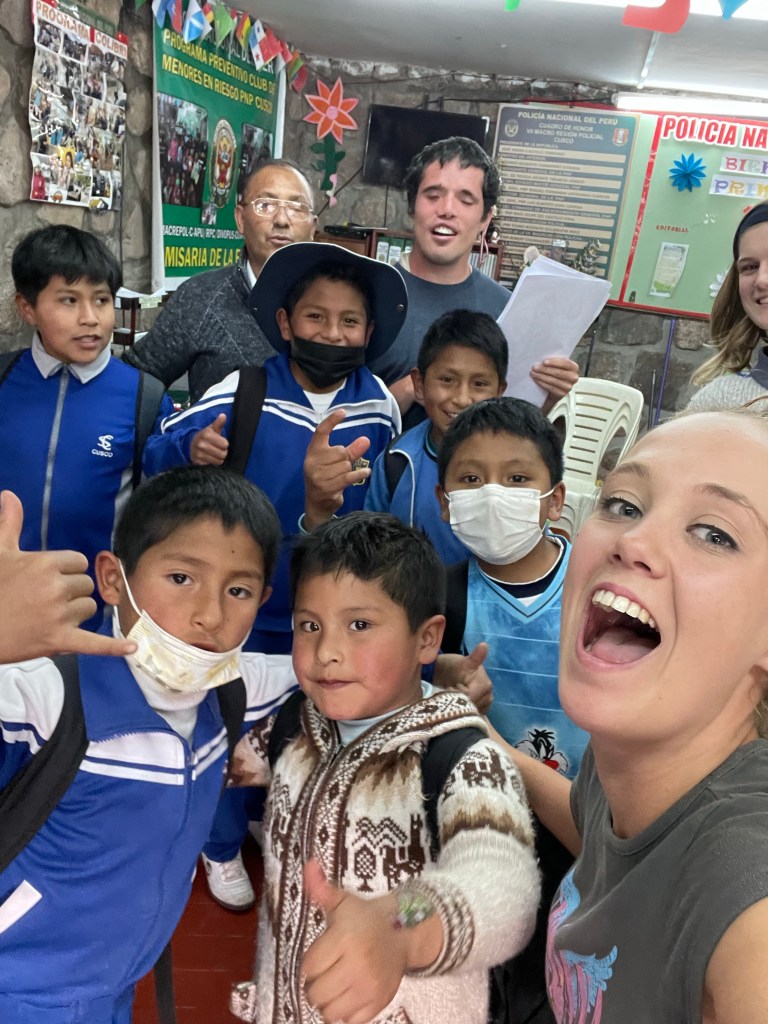
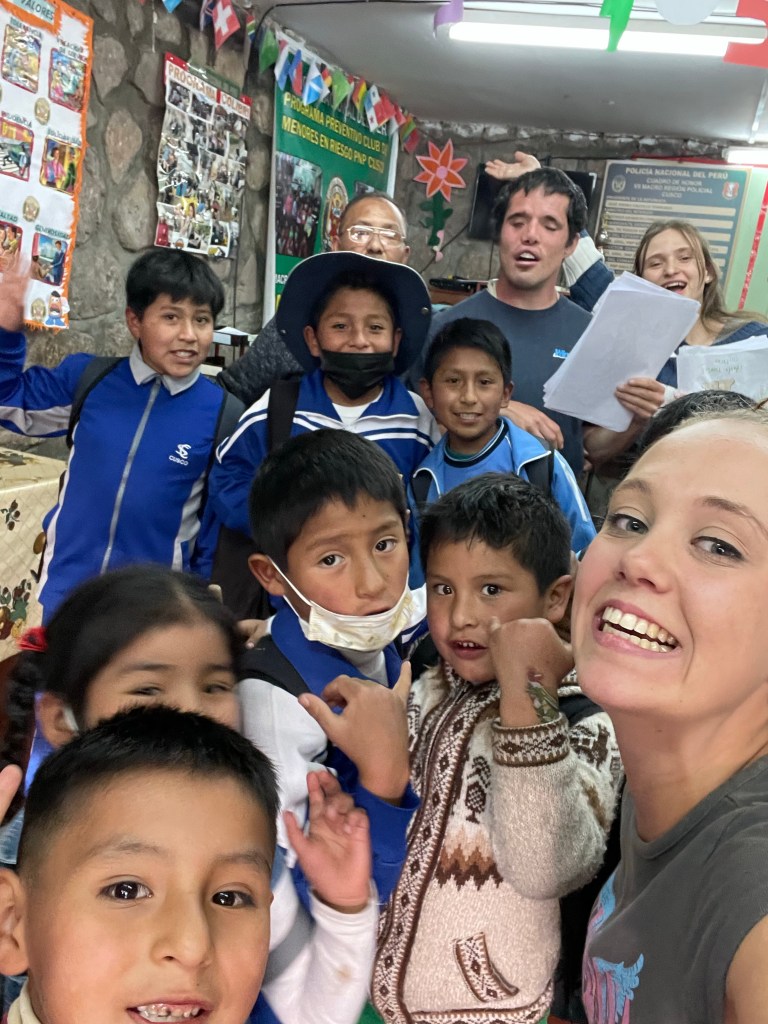
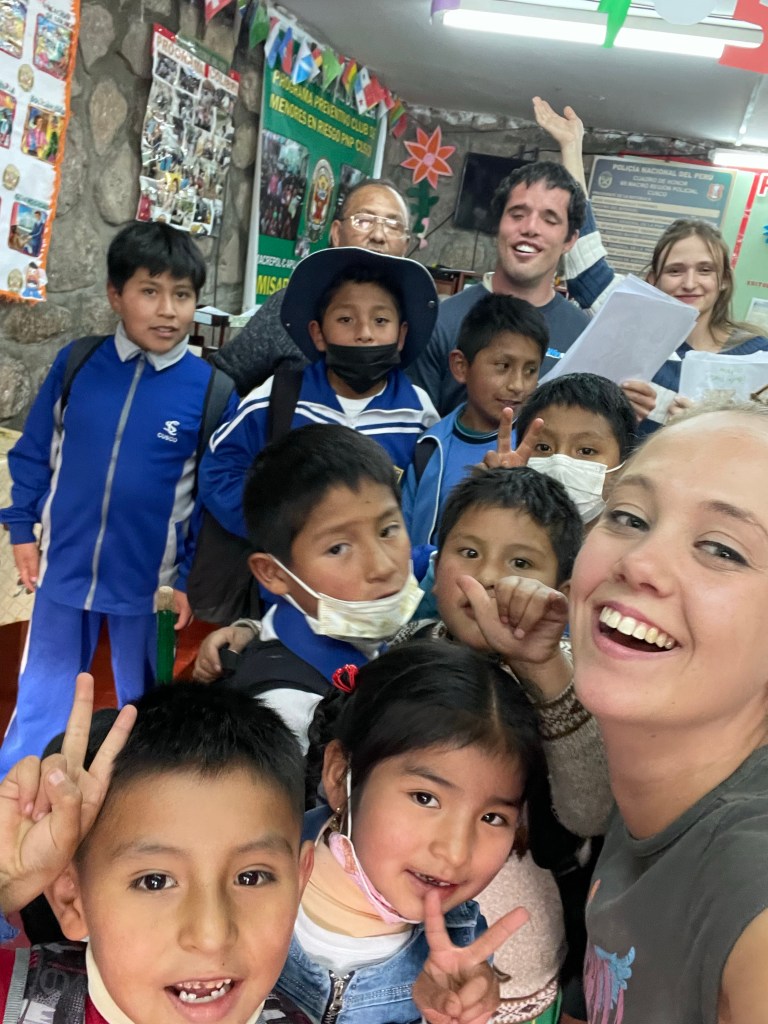
On Tuesday, the day after I got back from Piura, I went to Colibri, determined to go out with a bang! This resolve led me to hang out a lot at the desk that one of the lead teachers used. It was an ideal spot, because a lot of other volunteers liked to hang around there, too. Kids would come there, and Elizabeth, the teacher who used it, would often go off to help them. If she couldn’t, or if one of us could, we would go off with the kid who needed help or needed a bathroom break. I went home from work that day quite pleased with myself. Perhaps I had finally figured this thing out.

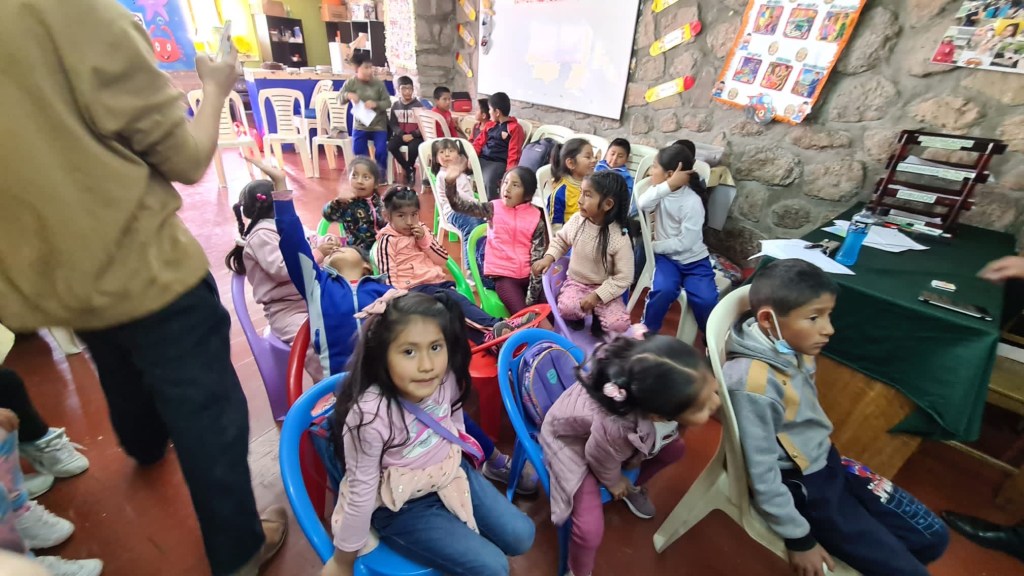
The next day, all the teachers were absent for the majority of the afternoon, so it was left to the volunteers. At one point I was very discouraged. What had happened to having finally figured it out? My determination did not waver, and I ended up leaving even more satisfied than yesterday. I had managed to help out several kids with their homework as well as various other things, both alone and with other volunteers. That day it was impressed on me especially strongly that my success and my work satisfaction depended solely on me. Of course, I could utilize others, help others, etc., but ultimately it was largely up to me what kind of day I was going to have. As much as I would have liked to have had a repeat of the day before, Wednesday was probably one of the most empowering days I’ve had on this internship at Colibri. I am also happy to report that Thursday followed much the same pattern as that latter half of Wednesday.

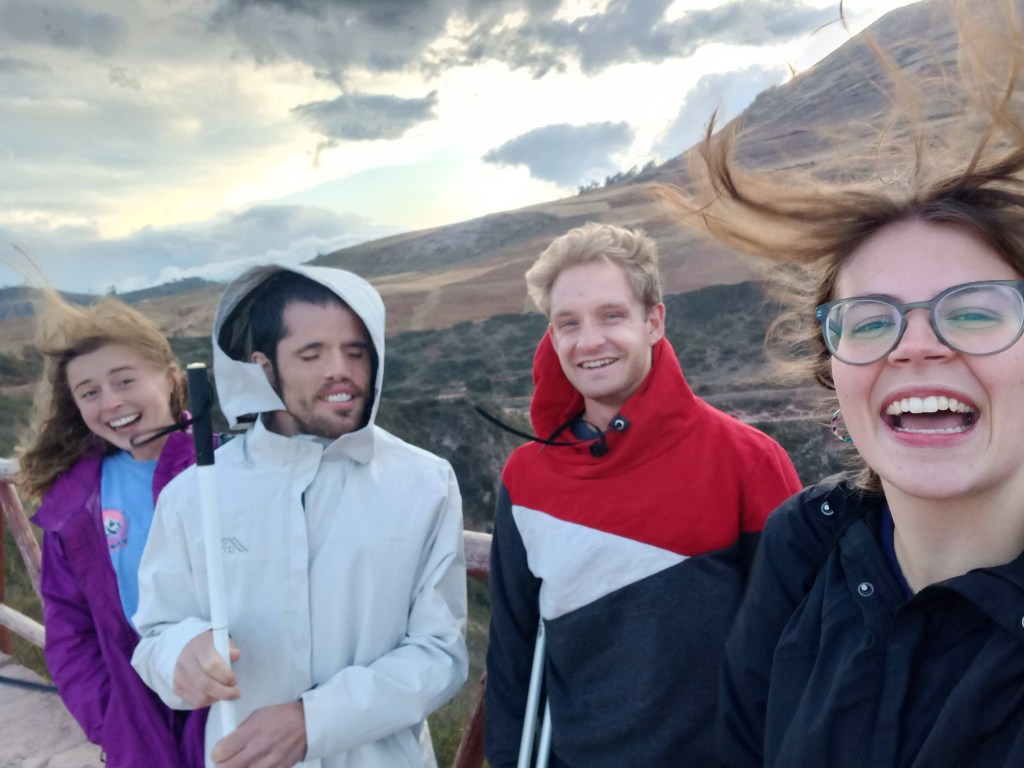
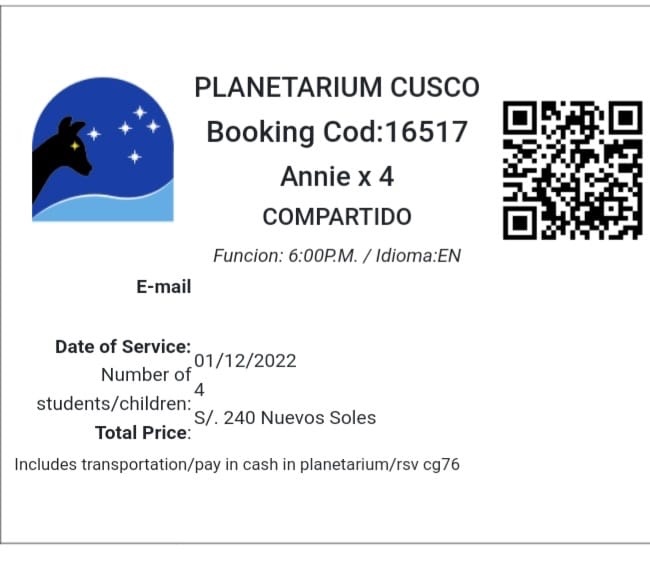
Thursday night after I was done with work, I met Anna, Annie, Kyle, and Ella at the Plaza de Regocijo. From there, we and a group of tourists took a van to the observatory, where we learned about and looked at stars that made up the constellations only visible in the southern hemisphere. When the Europeans saw them and started naming them and making star charts, they described them as being similar to all the new wildlife they were seeing. And then, of course, there was a constellation that later astronomers had to divide into thirds—the Great Ship.

The Last Day!

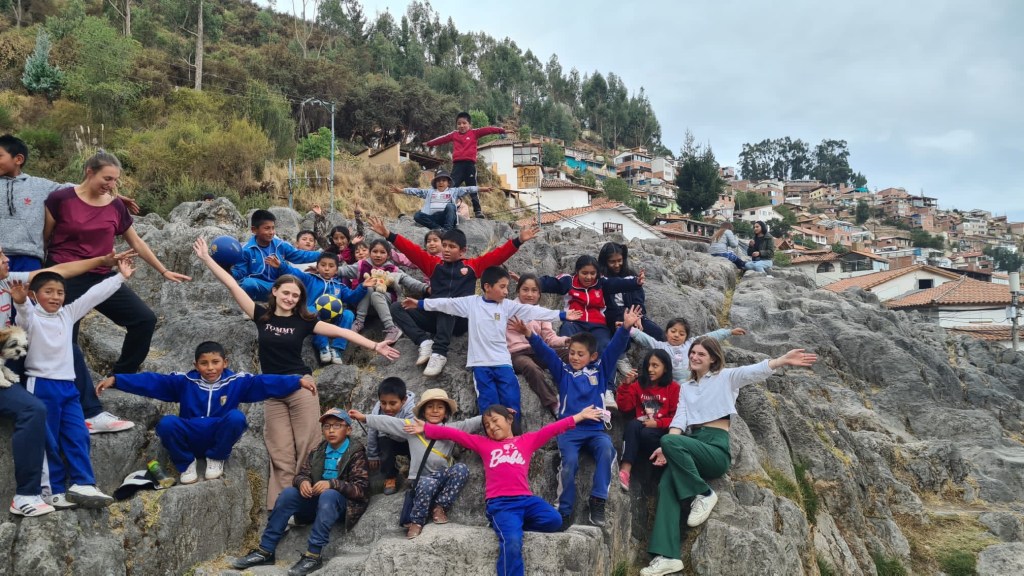
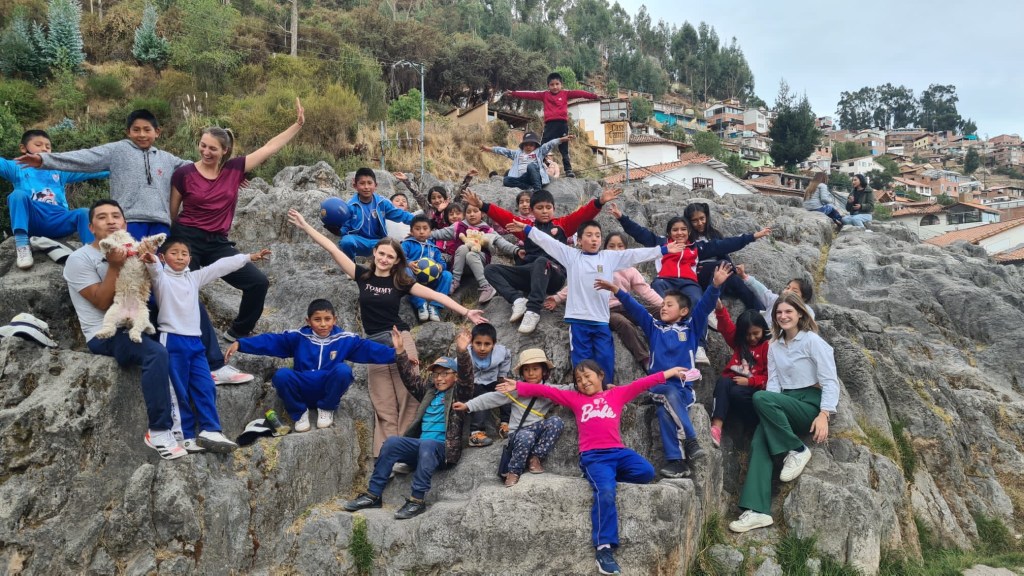
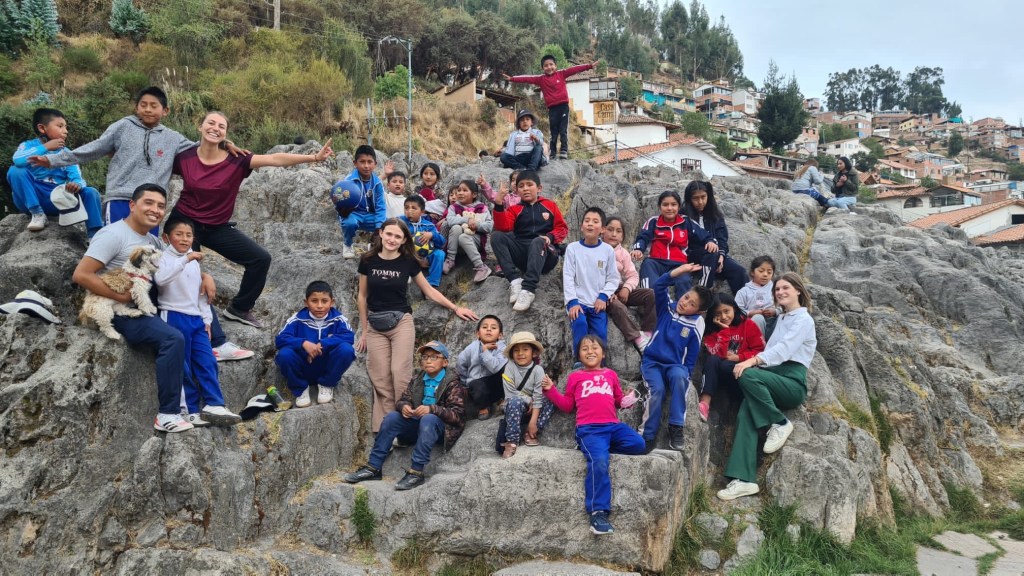
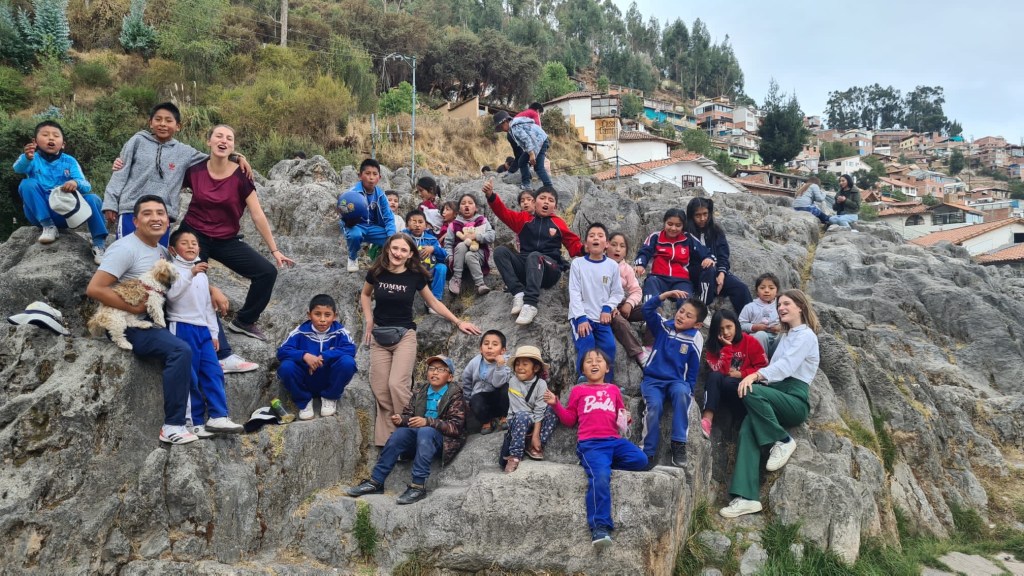
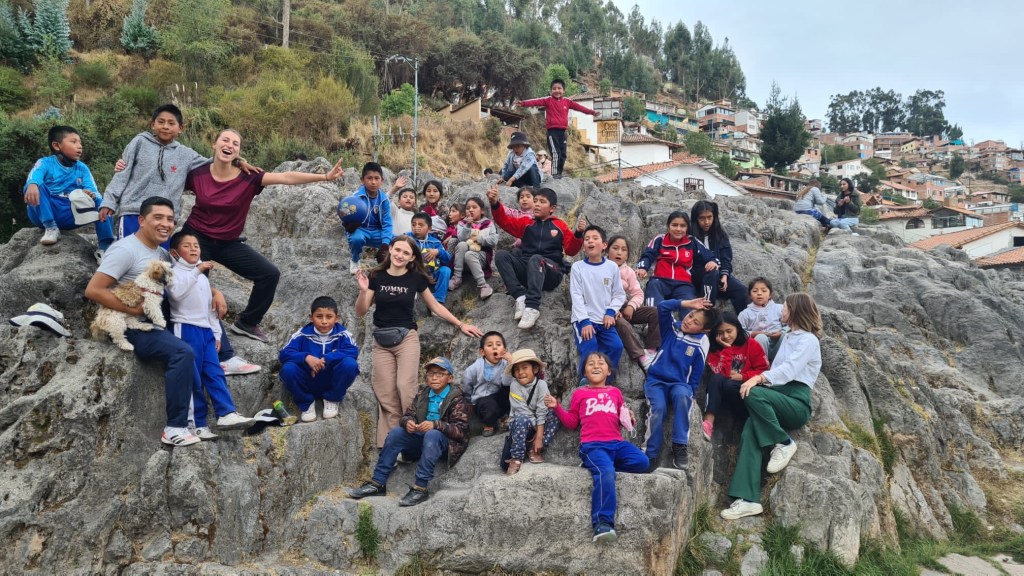
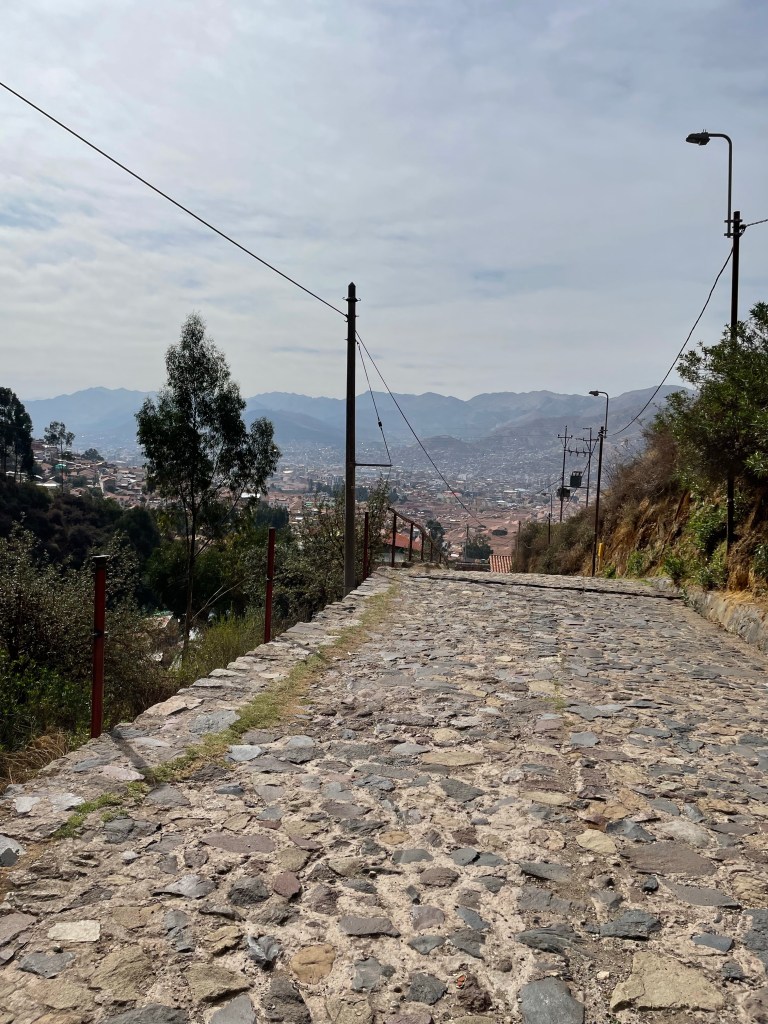
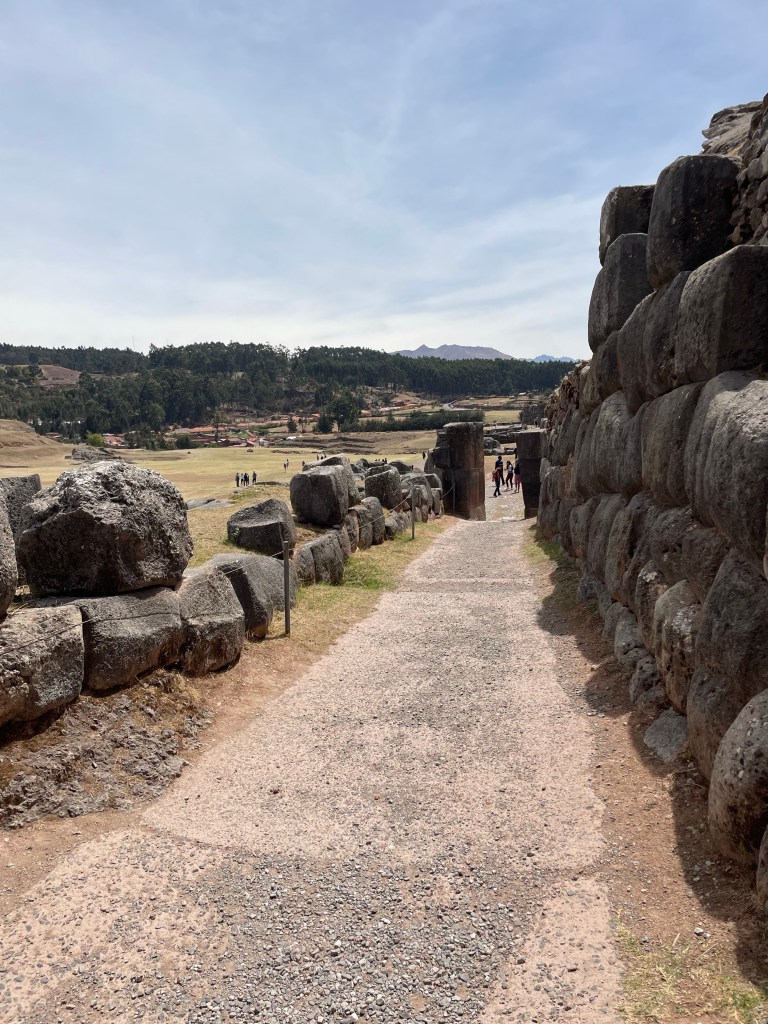
Confession: A few years ago I found this computer game that I came to like very much. It had become obsolete and could no longer run on my laptop–until now. Because I had graduated my Spanish class the week before, I found a lot of time to engage this satisfying, mindless way to pass the time when in reality I didn’t have so much time to pass. Upon realizing this, I got up early Friday morning and hiked up above the city to Saqsaywaman. It was so sublime and so peaceful, away from all the noise. But for one or two groups of people, I was the only one I noticed amid the ruins.

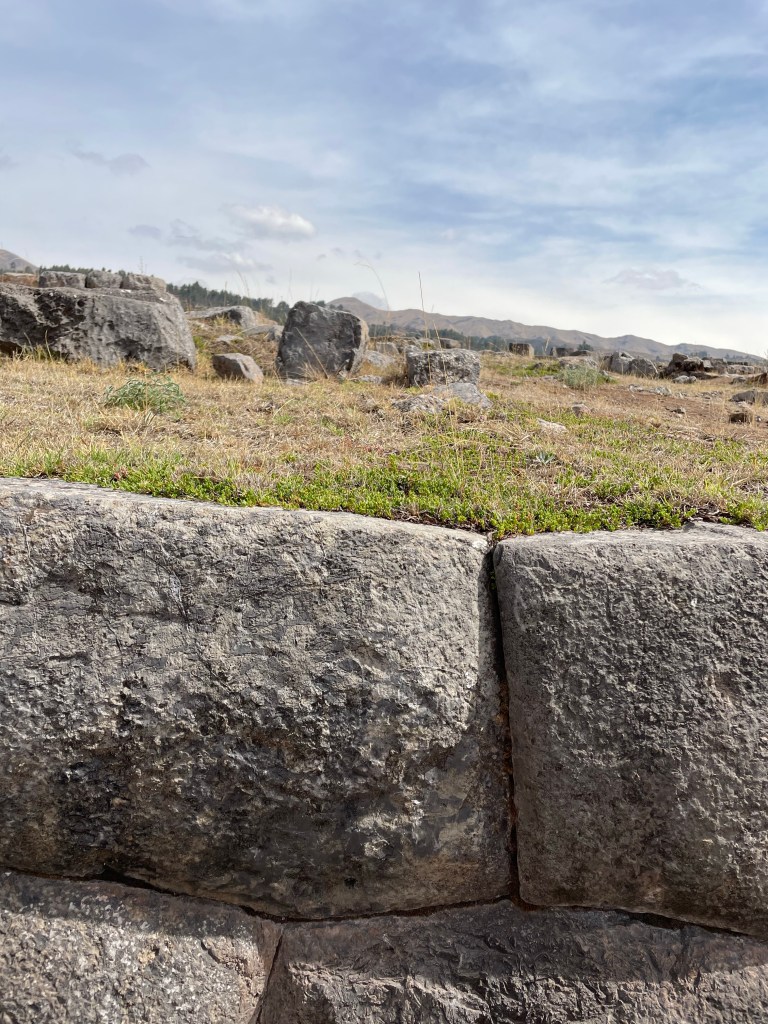
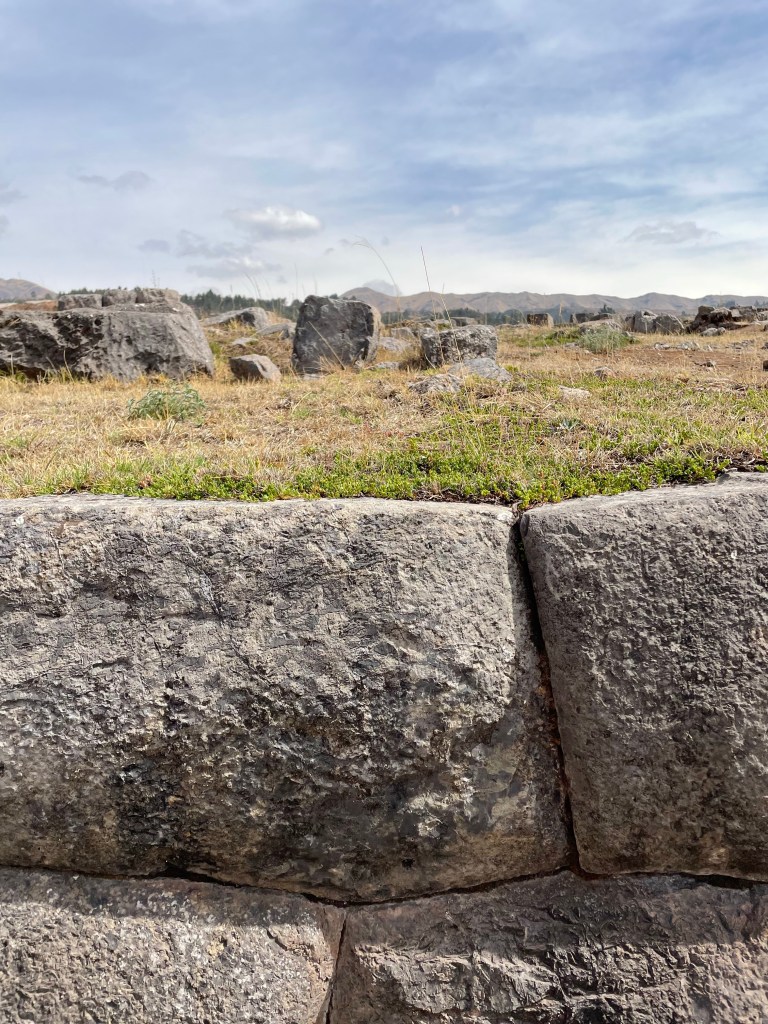
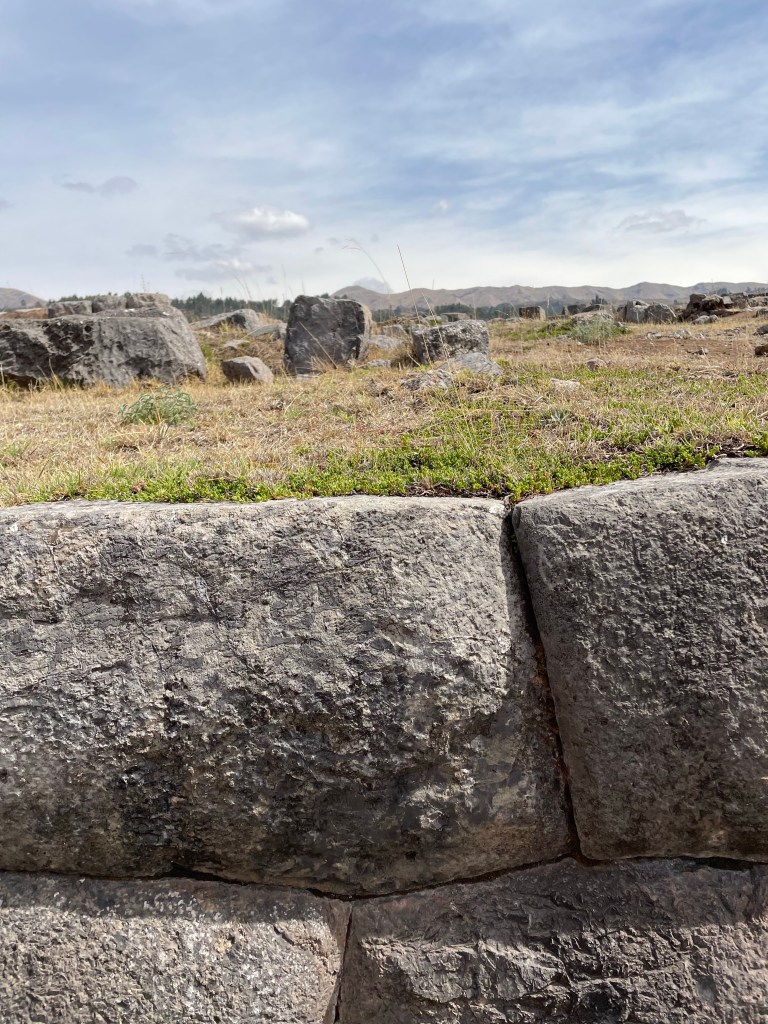
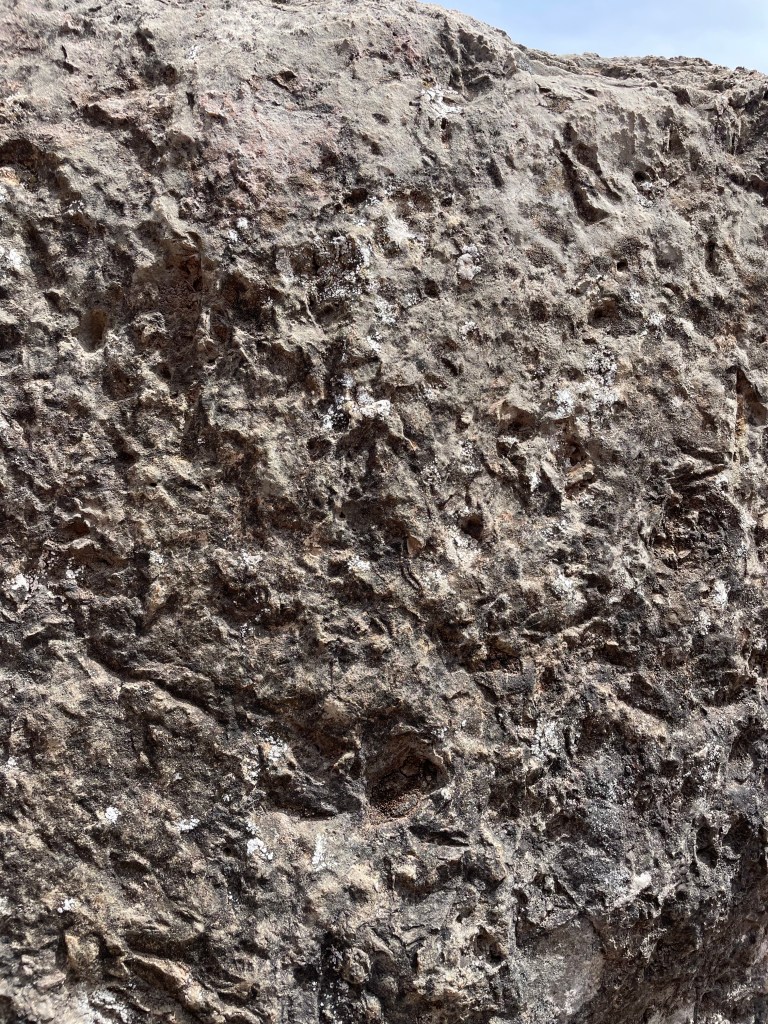
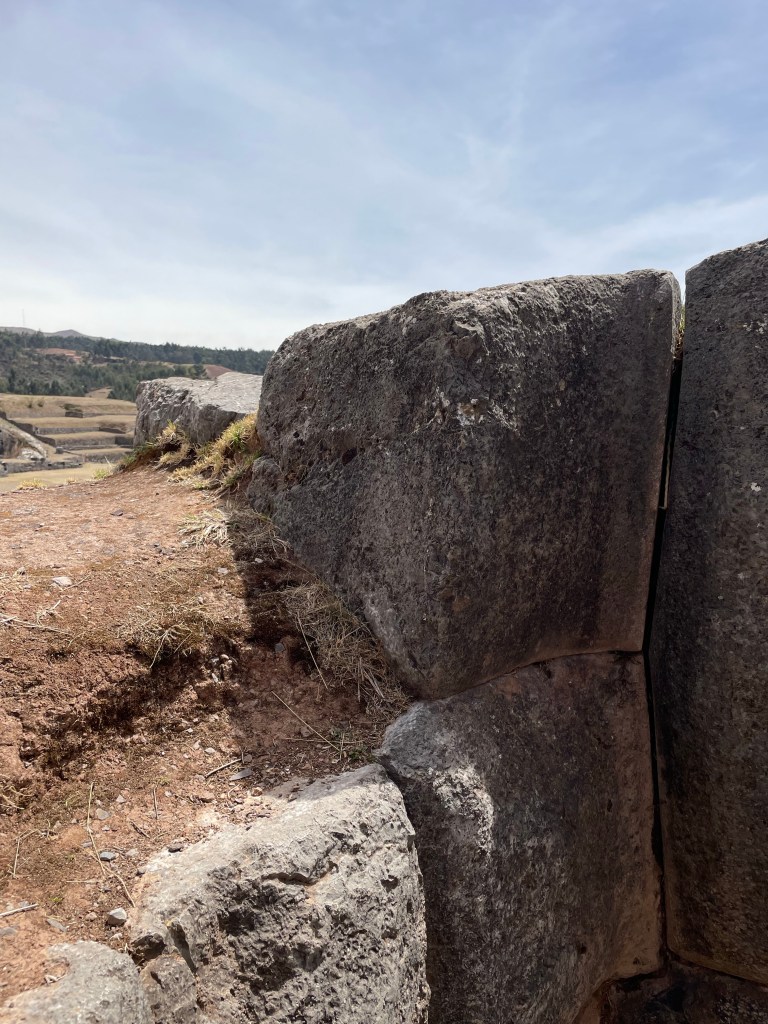
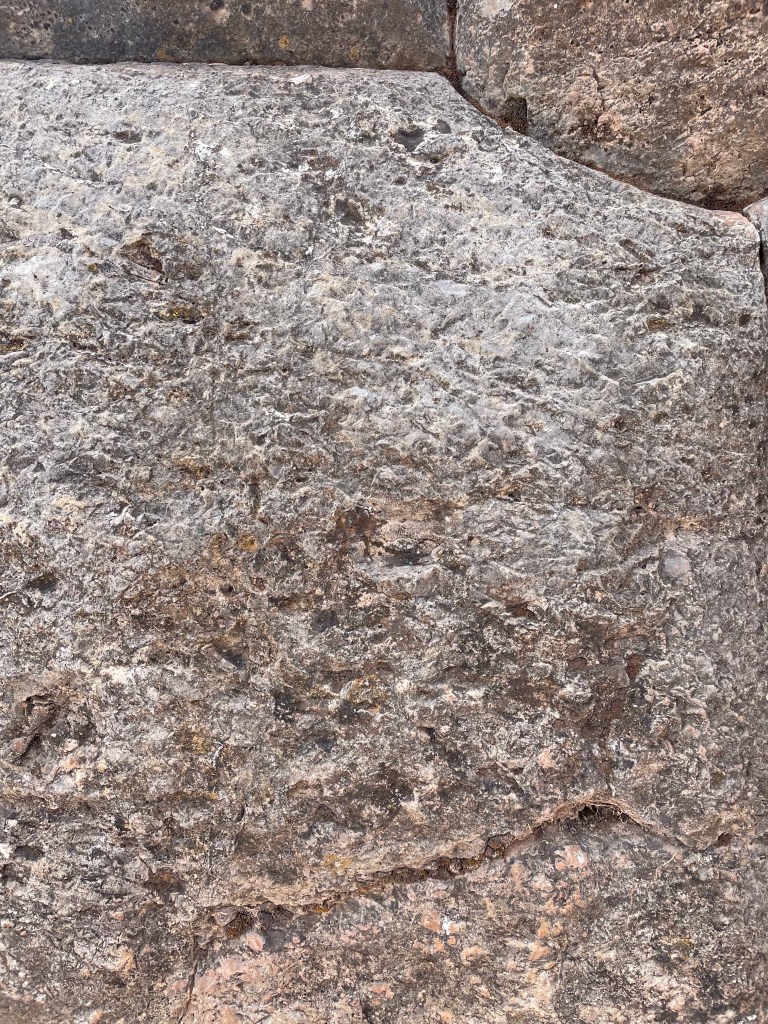
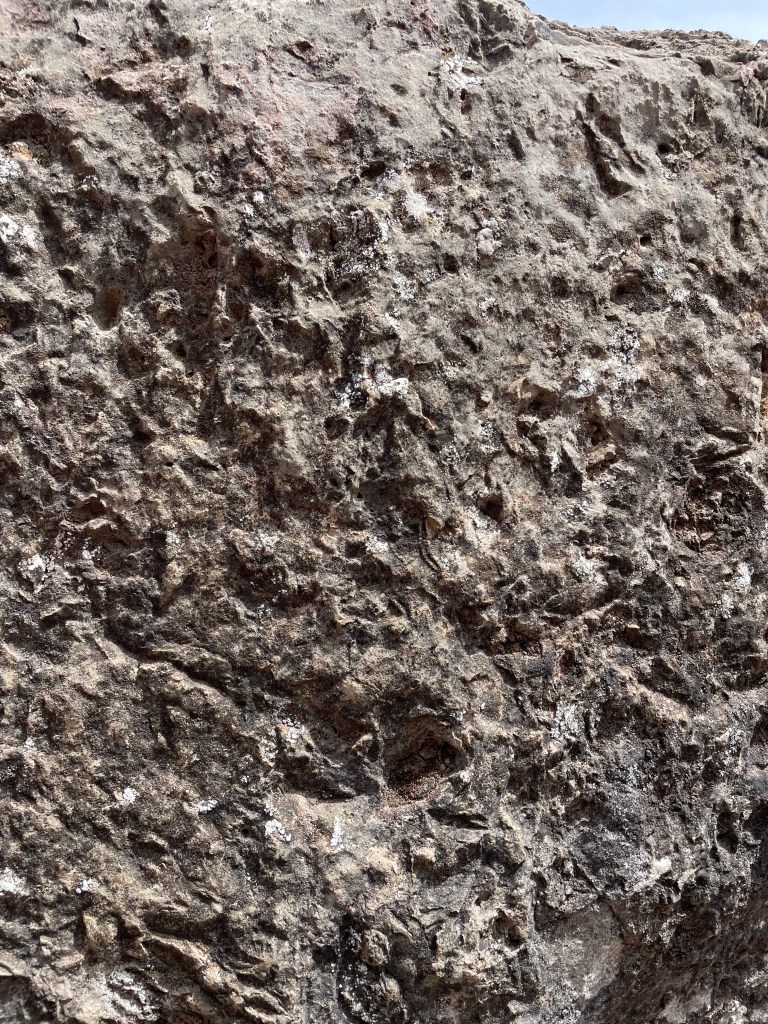
I walked around, feeling the architecture. It was incredible how seamlessly it all fit together without any mortar! What I’ve come to learn in Peru is that while the Incas built many structures that are marvelous engineering feats, they found many others when they first settled the valley in which Cuzco now sits. Saqsaywaman is apparently one such complex they found, according to their oral traditions. I would have to research it more to find out how old it is.

As I admired the stone walls and the way they all fit together, I met an older man who said he lived in front of the ruins. After introductions, he said, “Would you like to come with me and meditate in the center? There’s a lot of good energy there.”

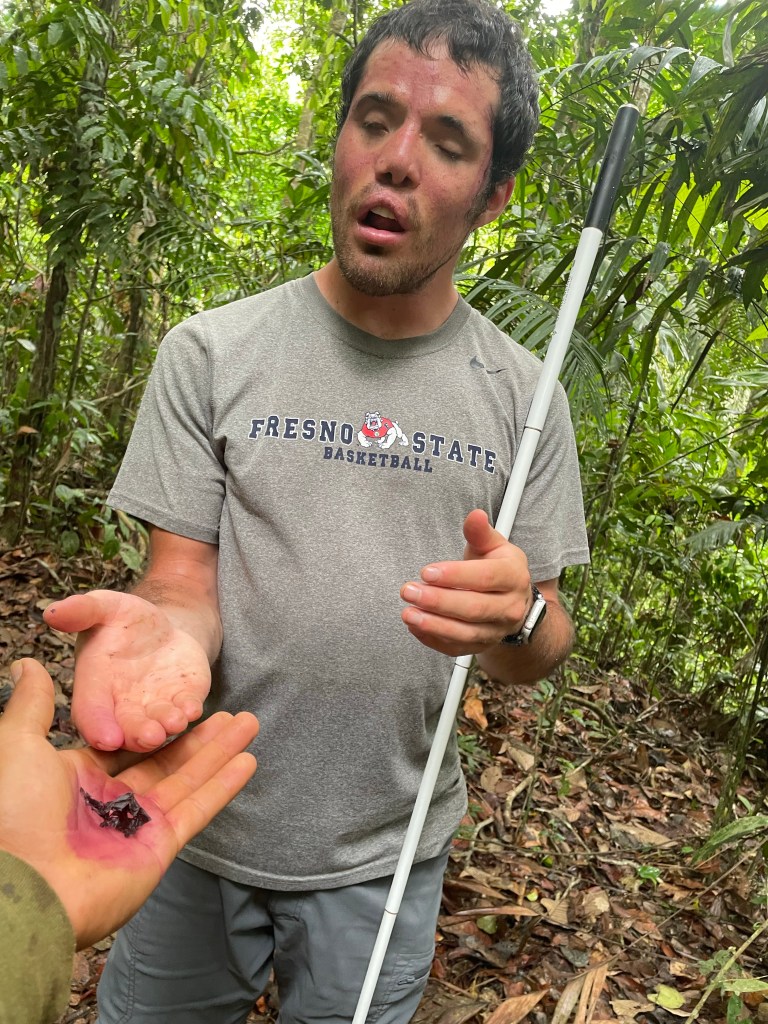
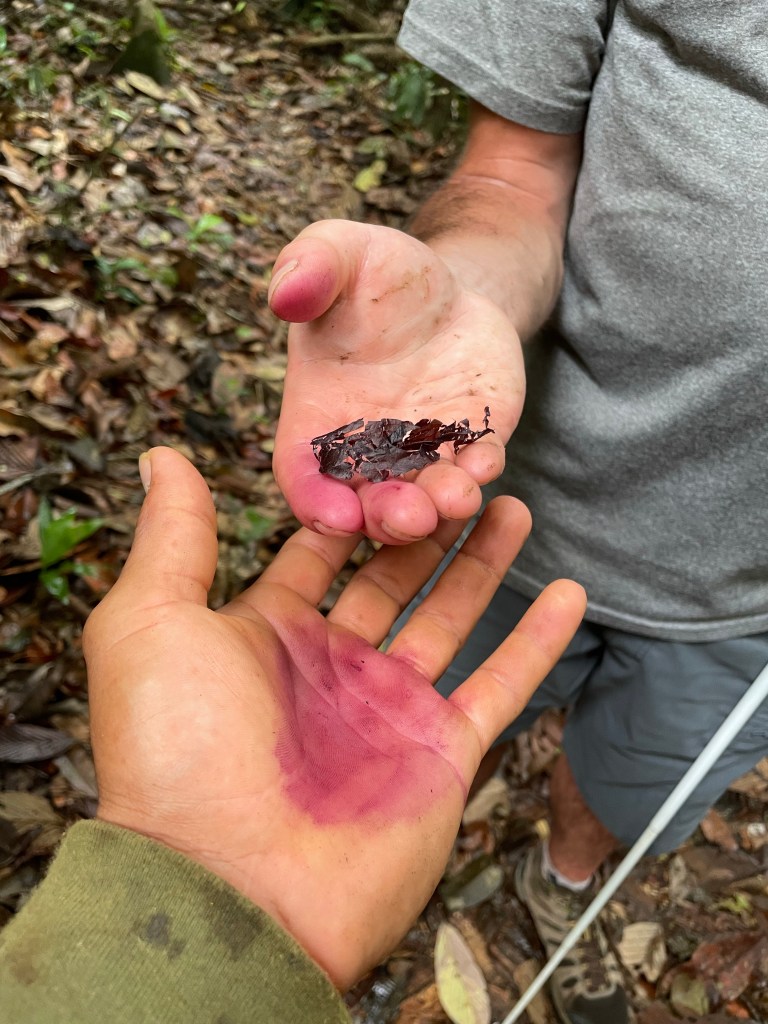
“Sure,” I said. So I followed him to this rock a little ways off, where we sat down and meditated for about twenty minutes. In the midst of our meditation, he gave me some coca leaves and told me to eat them, which I did. Then he took another couple of leaves and said, “Put these to your heart … now to your head … and now kiss them.” I did as he told me to do.

I’ve heard things about the energy up here at Saqsaywaman, and as much as I was imagining what it might be like to have a mystical experience as a result of that energy, which others have had, I honestly didn’t think anything would happen. I’m not making this up when I tell you that I was wrong. Nothing crazy happened while we sat on the rock, beneath the strong late-morning sun, soaking in the lofty silence and the freshness of the area; but when I left, with a chacana necklace and two totem poles bearing the snake, the fox, and the condor that he had given me for a price, my spirits, which had been rather low, were quite high, and my thoughts, which had been more negative and critical, were so different. Maybe I’m just really receptive to the benefits of meditation. Maybe the energy up there really does work wonders on a person. Whatever it was, as I walked away from the ruins a some time later, I felt, and still feel, refined, elated, exultant, complete.

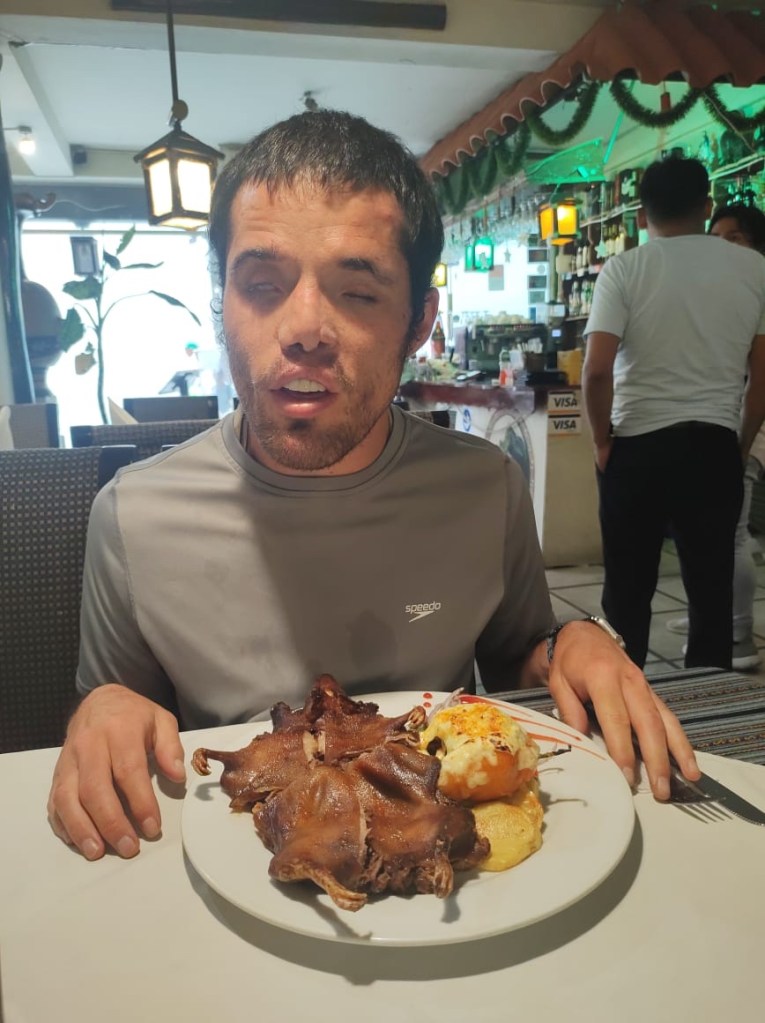
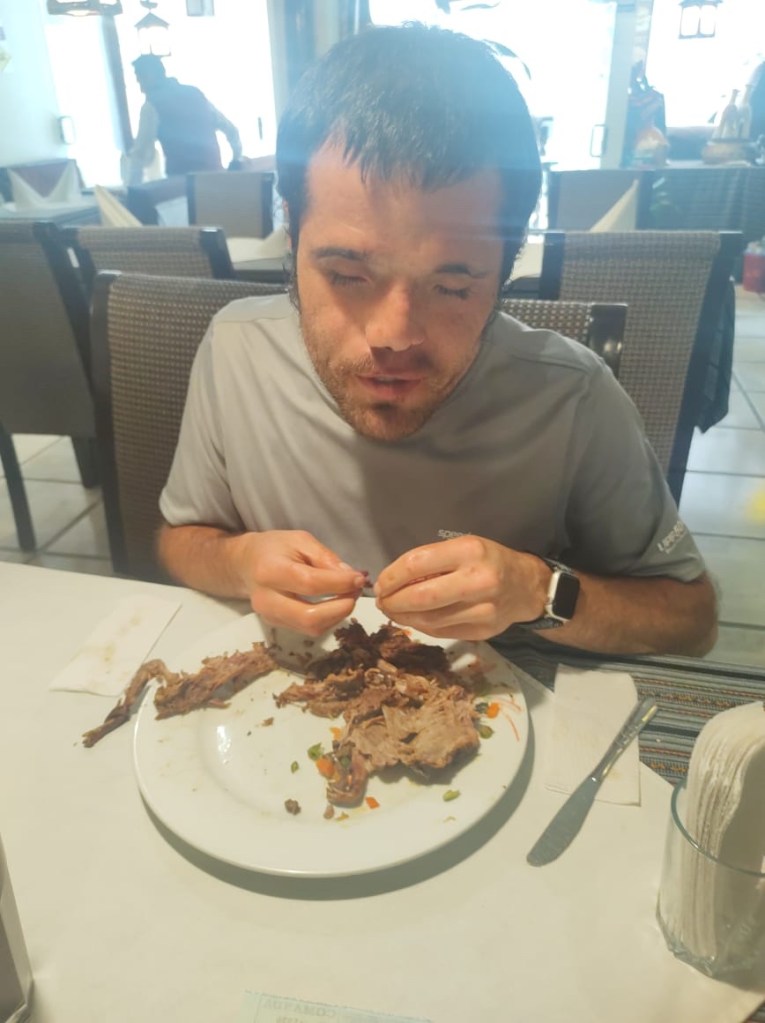
After an hour’s searching and following different directions, I next arrived at the lookout of the Cristo Blanco statue, but I didn’t take any pictures because I was near more people this time. Not long after, I turned around and headed back. At one point I was redirected because there was construction on a big bridge, and the area around it was a mess. I was grateful for the help. The person who redirected me was a member of a locally famous band who performed a fusion of salsa and chicha cumbia, Peruvian cumbia. He was cool. From there I took many hundreds of steps down into the city and from there headed back toward home to meet my Spanish professor for lunch. We ate some delicious traditional Andean food. I had fried guinea pig–I can’t remember what she had.

After that, she and I took a taxi to the San Pedro market, where we met Annie, one of my classmates. Annie helped me do some Christmas shopping. I was later to learn that that one mostly clothes shopping endeavor had been for the most part a great success.

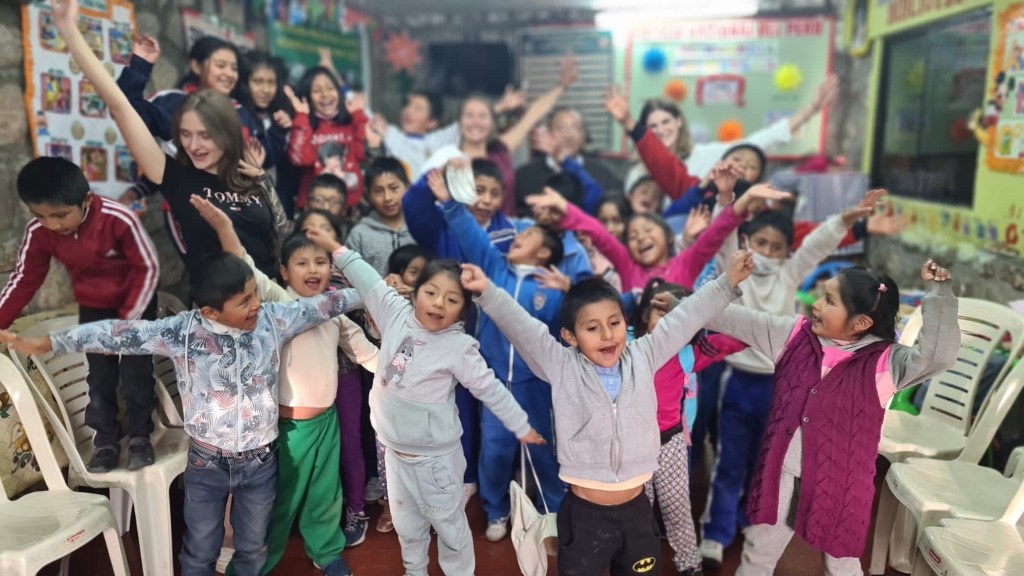
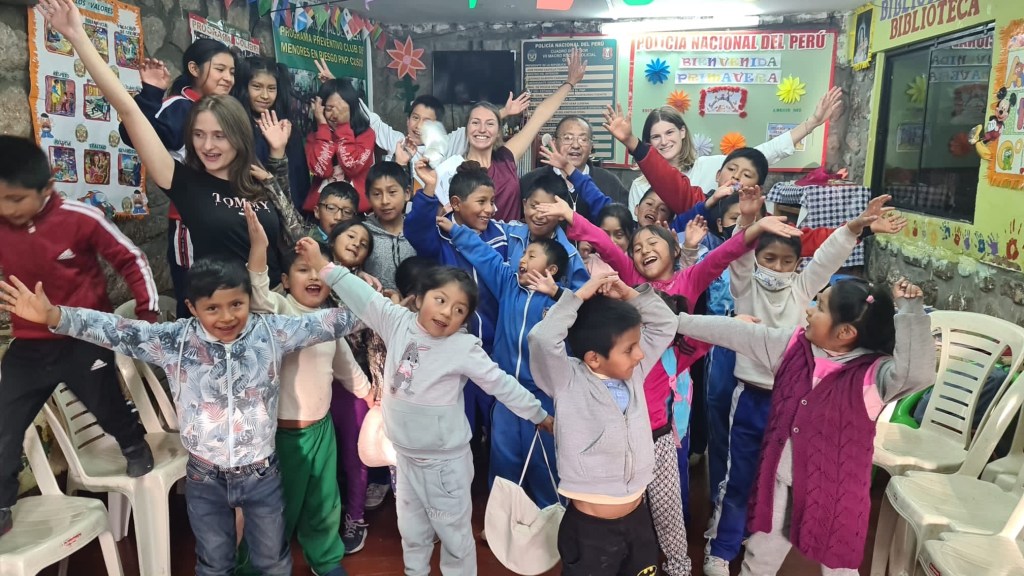
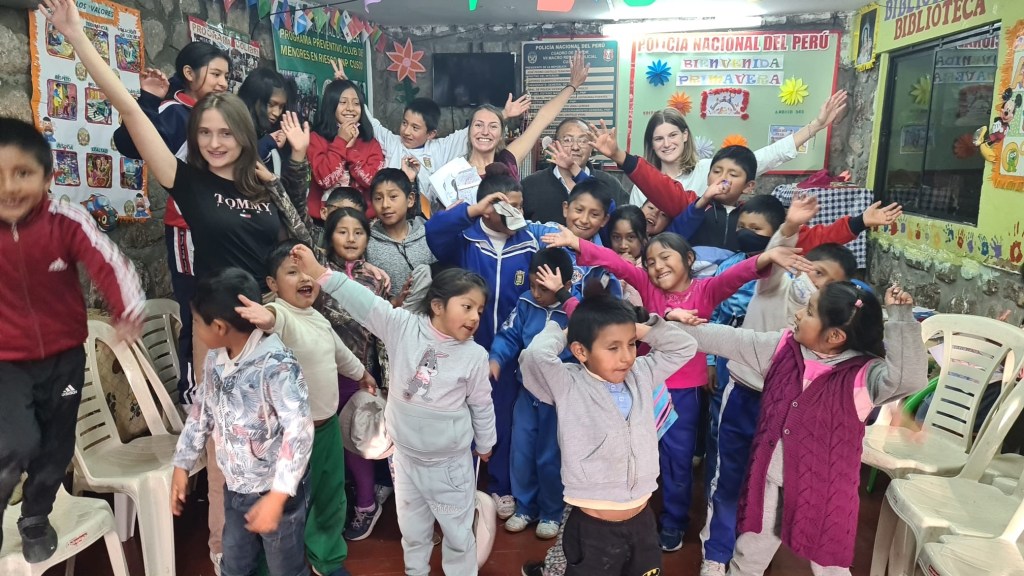
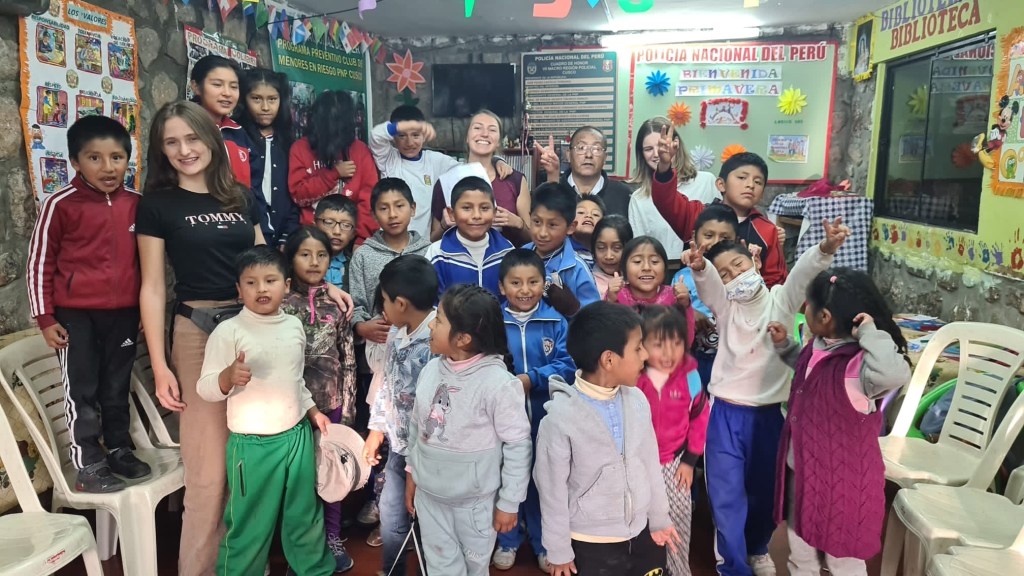
Next I went to Colibri to bid everyone good-bye. I didn’t tell them I was leaving because I thought they knew when I was leaving. This was not the case, and we were all disappointed. It was the least emotional good-bye, probably because I’d let it all out before then. It felt so abrupt, like all of Friday had felt.

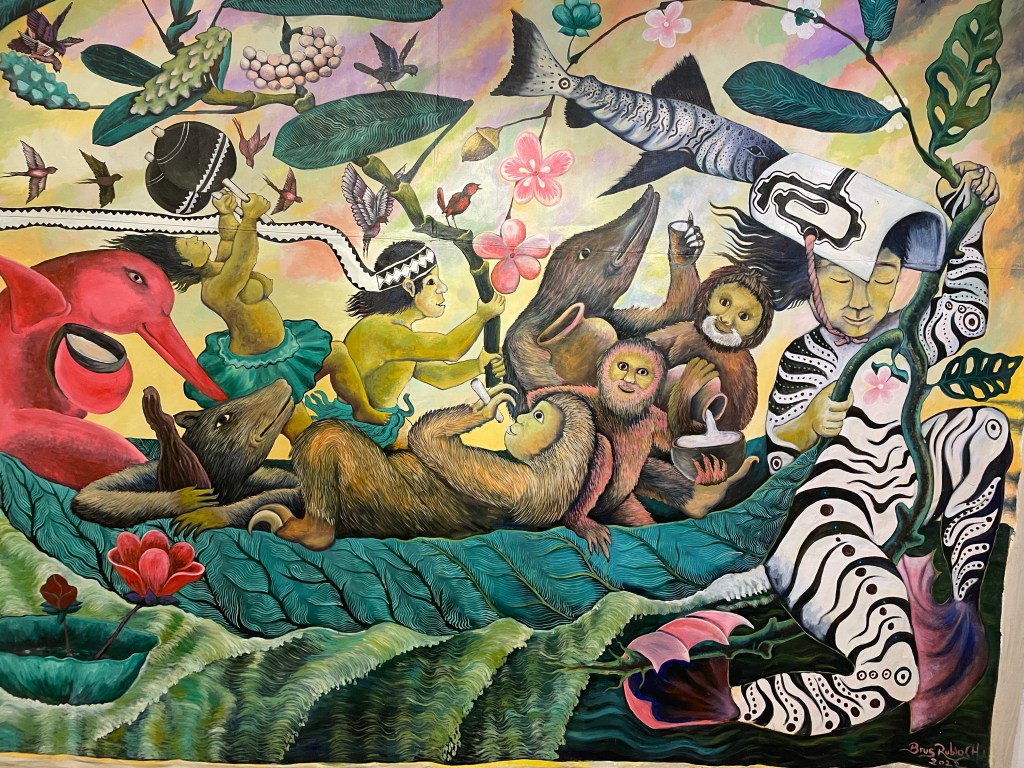
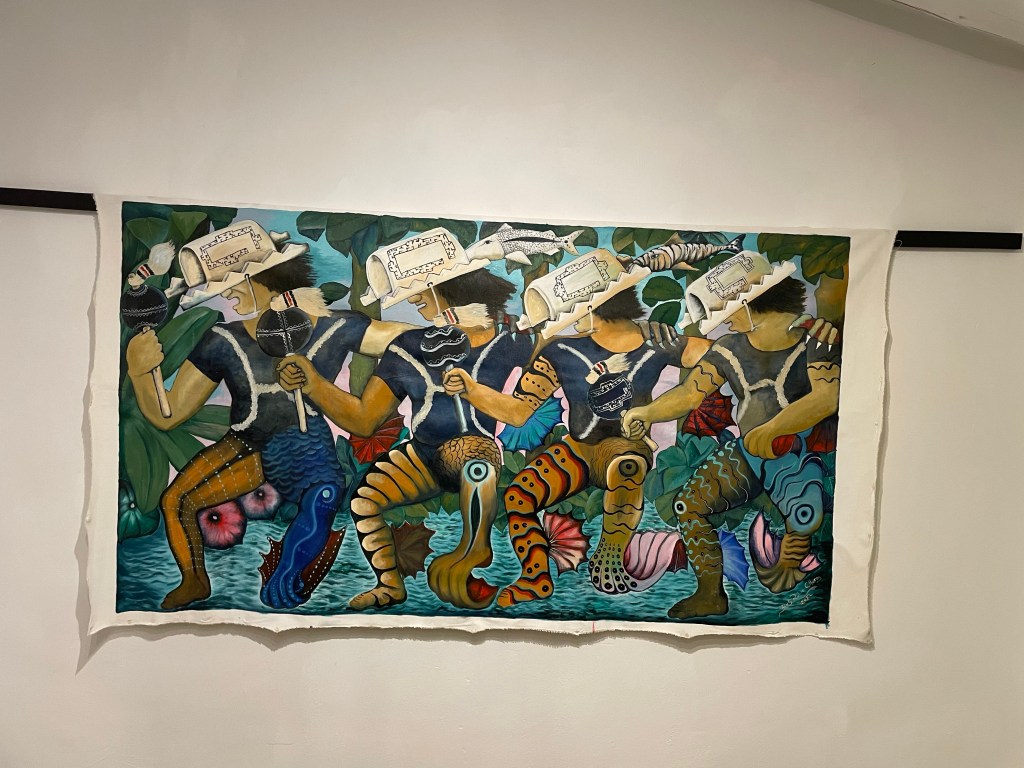
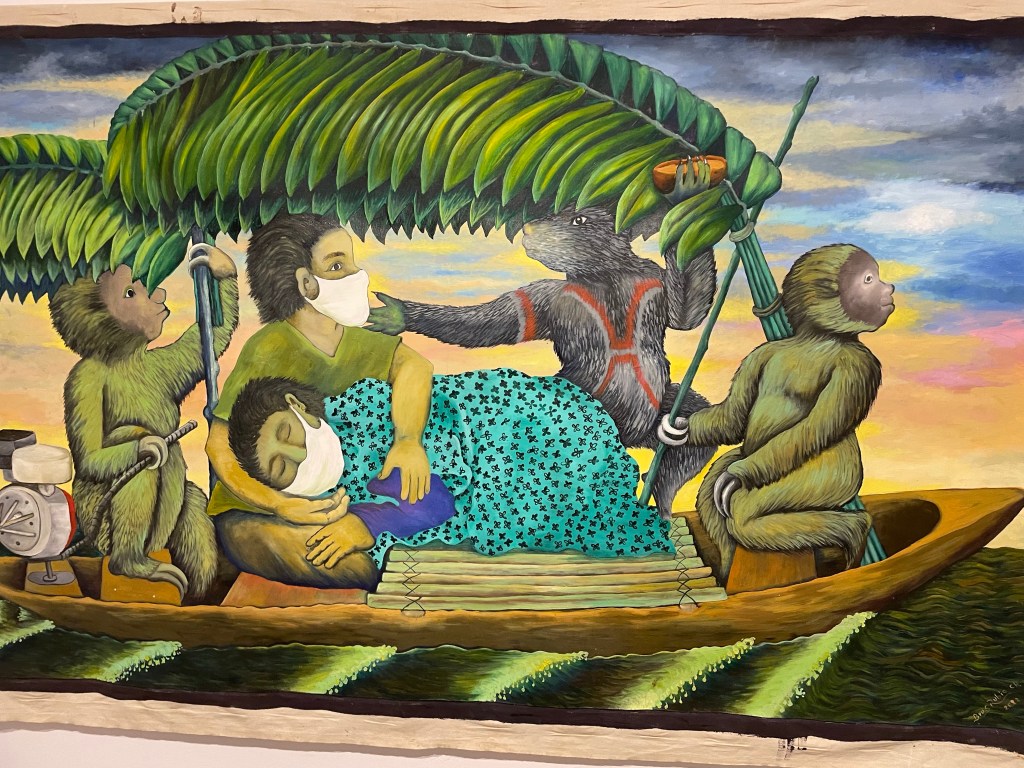
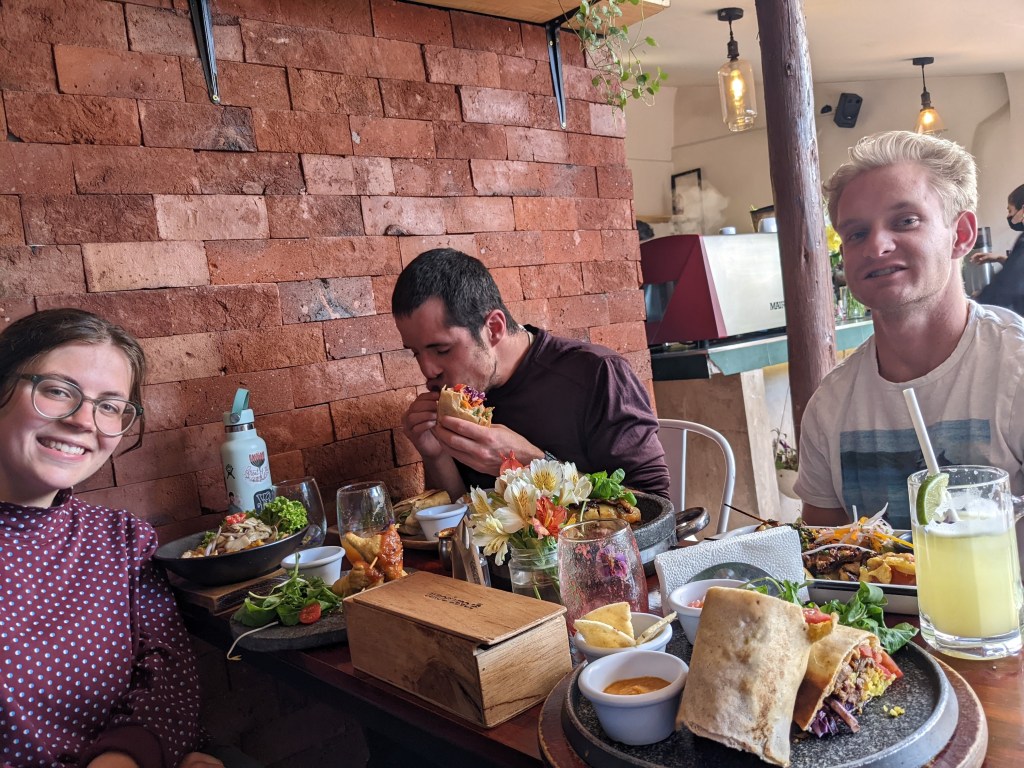
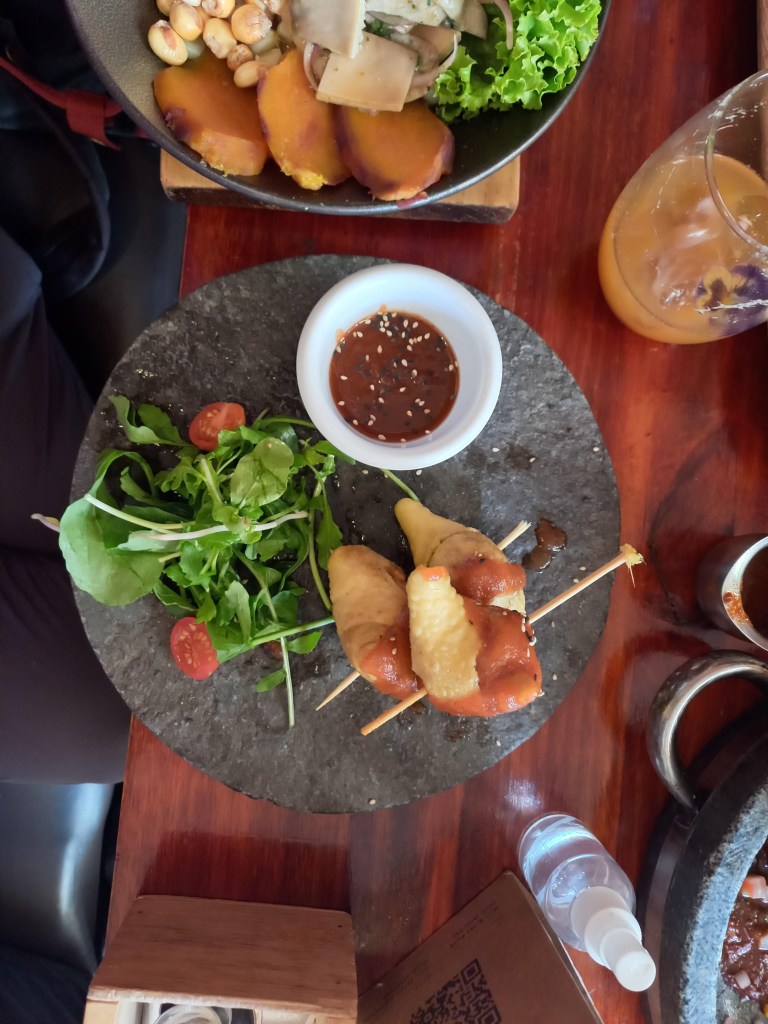
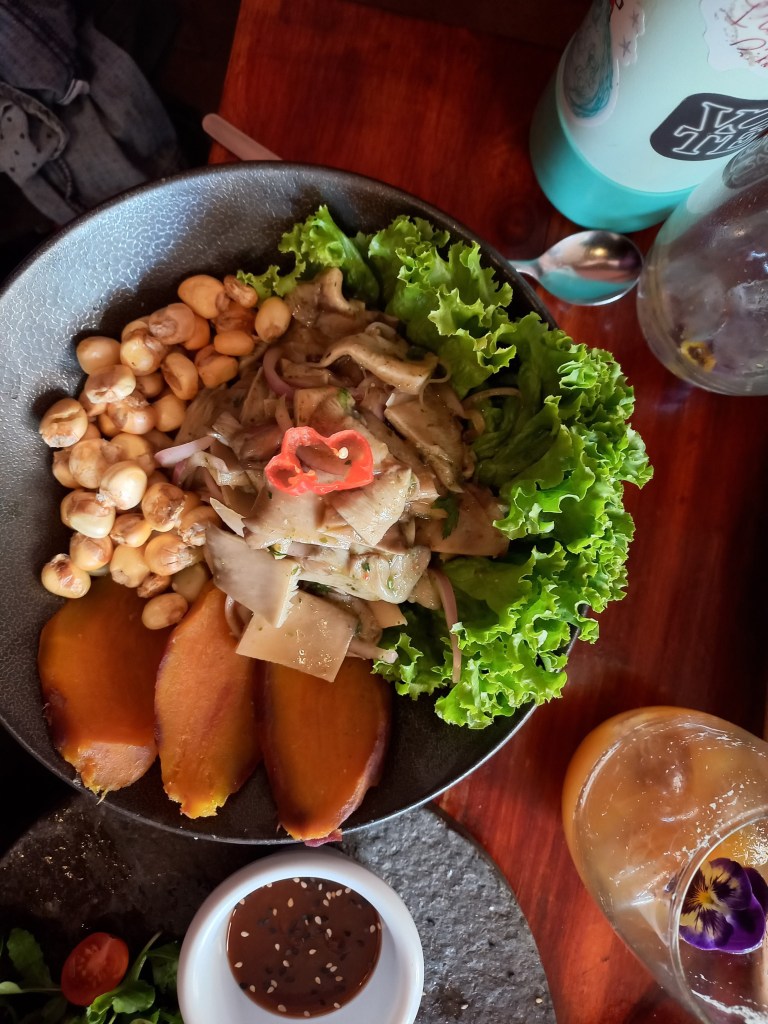
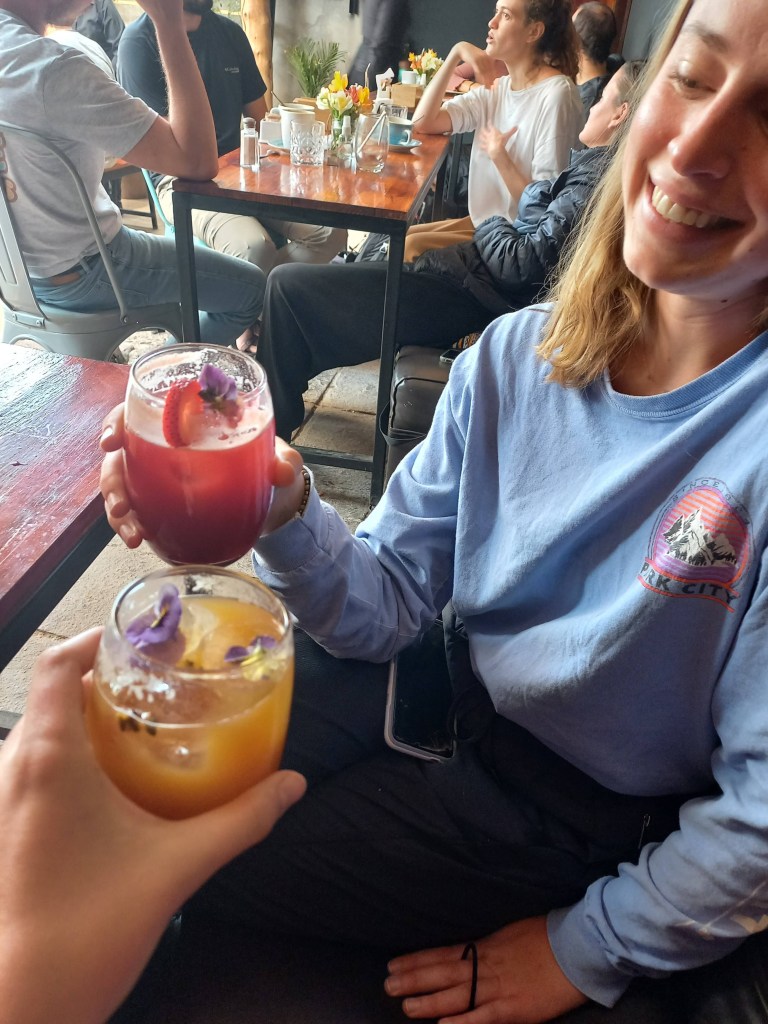
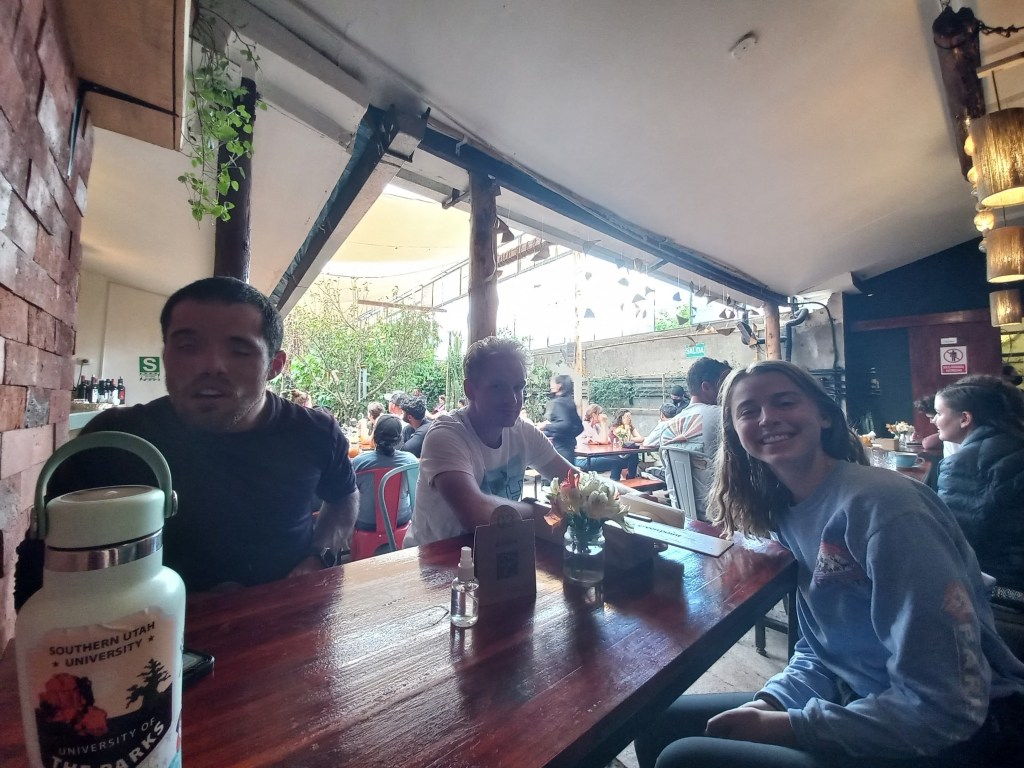
A little later that evening, we went to this art café for some dinner, teas, and audiovisual art. It was the best café I’ve been to! I could have done homework there! I could have gone there so many times more!

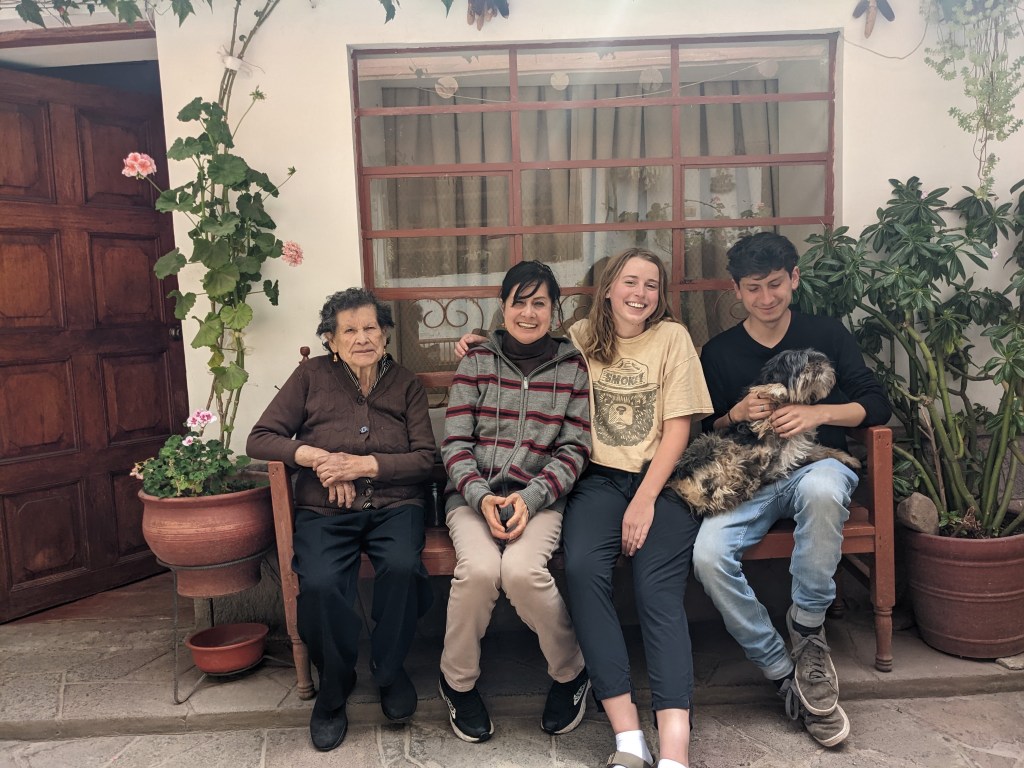
At last, not long after, I said good-bye to Astrid, our host mom, who wouldn’t be able to help me get a taxi tomorrow because I was leaving especially early that morning. She thanked me for the gift I had given her and for everything else, and I did the same. I’m so grateful that I got to spend these three months with her and her family. They have been incredible, and it felt like I was leaving my family. Then Annie offered to help me pack, and I took her up on it, hence the reason we finished before midnight, definitely a feat.

The next morning, I got up and hauled my belongings out of my room, never to come back–at least for now. Cadel, the younger of Astrid’s kids, helped me to get it into a taxi. With that, I gave him the set of keys I had used to enter the house and thanked him for everything. And that was it! That was really it!

Were it not for mechanical problems with the first plane we had boarded in Lima to fly to Los Angeles, I would have landed in Vegas later that night. As it was, we got to California aboard a different plane a little later in the day, late enough that I had to check into a hotel and fly out the next morning. I had been told that reentering the United States would be a hassle, but all they did was take my picture. And that was that. No misunderstandings, no needing to come back to resolve things with customs. It was all done. Just a flight to Vegas.

The next morning was perfect. I landed in Vegas, and the reunion with my family was what it should have been after three months apart. I had my first glass of straight cold milk; we spoke nothing but English; and we purchased in dollars, to name a few things. I was home.

Final Thoughts

I’ve taken many an education class at SUU, and I’ve taken many a Spanish class and learned it on my mission, albeit in the states. No way could I have learned what I have learned about the language, about Peruvian culture, about teaching, etc., sitting in a classroom, the way I have learned it over the past three months. I still don’t feel totally qualified to be a certified middle or high school English teacher or a teacher of English as a foreign language, but the things I’ve gained from this experience have given it all so much more substance. In the coming semesters, I, along with future professors and employers, will have so much more to work with in regards to me because I was daily put in situations where I had to immerse myself not only in Spanish but in hands-on work settings that required me to go above and beyond where I’ve ever gone before to be successful. When I spoke English before, for example, and even now, if I’m not careful, it’s so easy to let things go because I’m completely fluent in it, and understanding requires little, if any, effort. In Spanish, even after three months and significant growth, I still have to be much more attentive and present and ask for clarification from time to time. This puts me in a place and in a mind set where speaking up and being proactive becomes the norm on another level. In that same vein, working with generally less progressive attitudes about blindness has made me a more patient person. I’m not saying I’m perfect or that I’m there–wherever “there” is–yet, but in order to mentally thrive, I had to learn how to deal with these attitudes somewhat differently than how I’ve been able to deal with them back home. I think the biggest challenge now is that I’m back where everything is much easier, and it’s possible to forget for a moment these invaluable things I’ve gotten from being in South America. If I’m being honest, while I don’t believe I failed at Colibri by any stretch, I find myself not having fully realized the visions of success I had for myself there, for whatever that’s worth. I am, however, much more confident that I can realize such visions for future endeavors.

I’m really glad that I was able to share this experience with all of you. While I do not like to publicly write about myself at all, living, working, learning, and traveling in the Spanish-speaking world has been something I’ve wanted to do so much for so long, and it meant enough to me that I wanted to help you share with me in the ups and downs, the ins and outs, of it as best I could. For anyone who may have found this via SUU’s learning abroad page, I hope this was informative and enjoyable. To everyone else reading this, thank you for everything, your support, your mentoring, for letting me share this with you. You were as much a part of this as were my efforts to make it happen. I thought a study abroad, never mind working abroad, was way out of my league, a nice thought but something for more qualified people. Now, we did it!

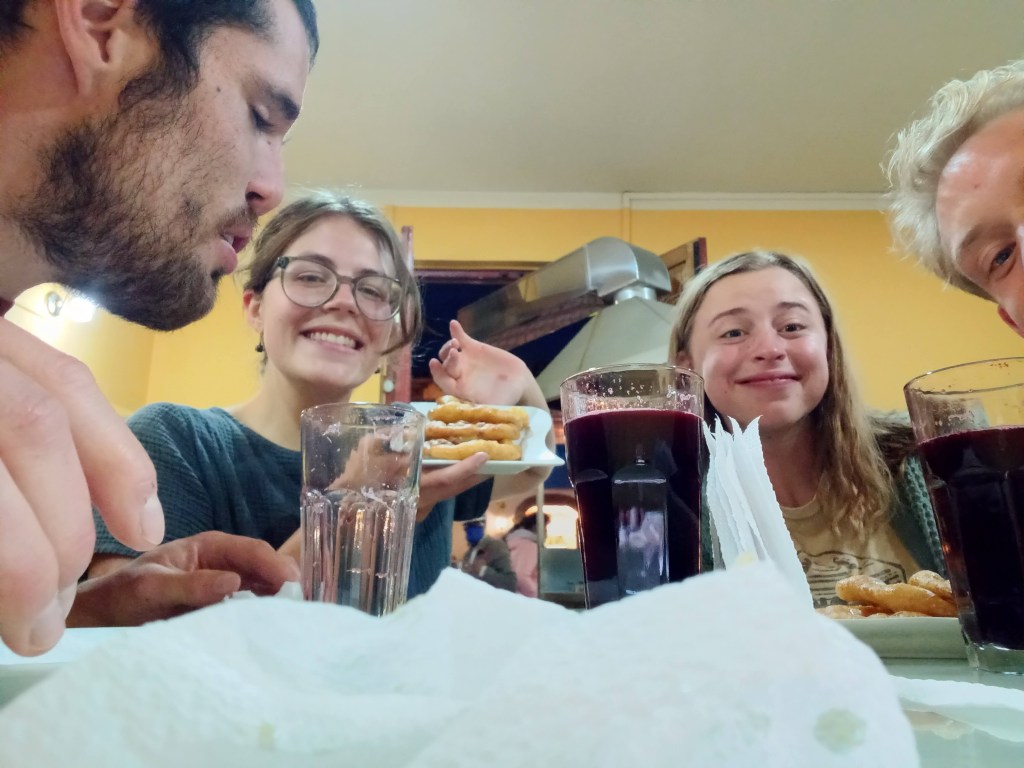
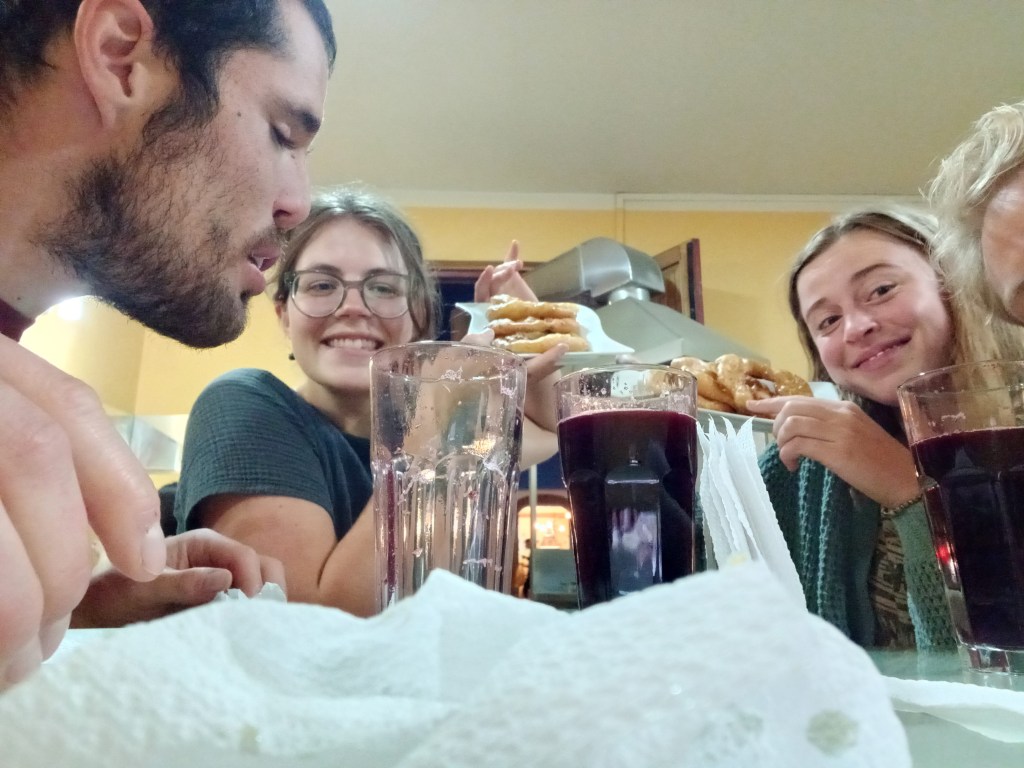
If you ever get to reading this, thank you Anna, Kyle, and Annie, for your friendship and for letting me share in your adventure in Peru with you. I hope we can maintain what we built over these past three months. Thank you also for helping with pictures and videos. Thank you for being awesome! Thank you for everything!

Ciau!
Traveling in Peru–and Beyond

Hey everyone. I’m looking forward to sharing this week with you. It was quite eventful in significant ways. While I did have an adventure traveling to various places in northern Peru and Ecuador, it was also a week of good-byes and reunions.

So the day after we went to the cathedral, some of us went to church. For me it would be my last time going to the ward in Cuzco, so I said good-bye to Antony. I’m glad I held it together, because I was not at all prepared; I just realized as we were leaving that I should say good-bye, so we turned around for a moment and exchanged farewells.

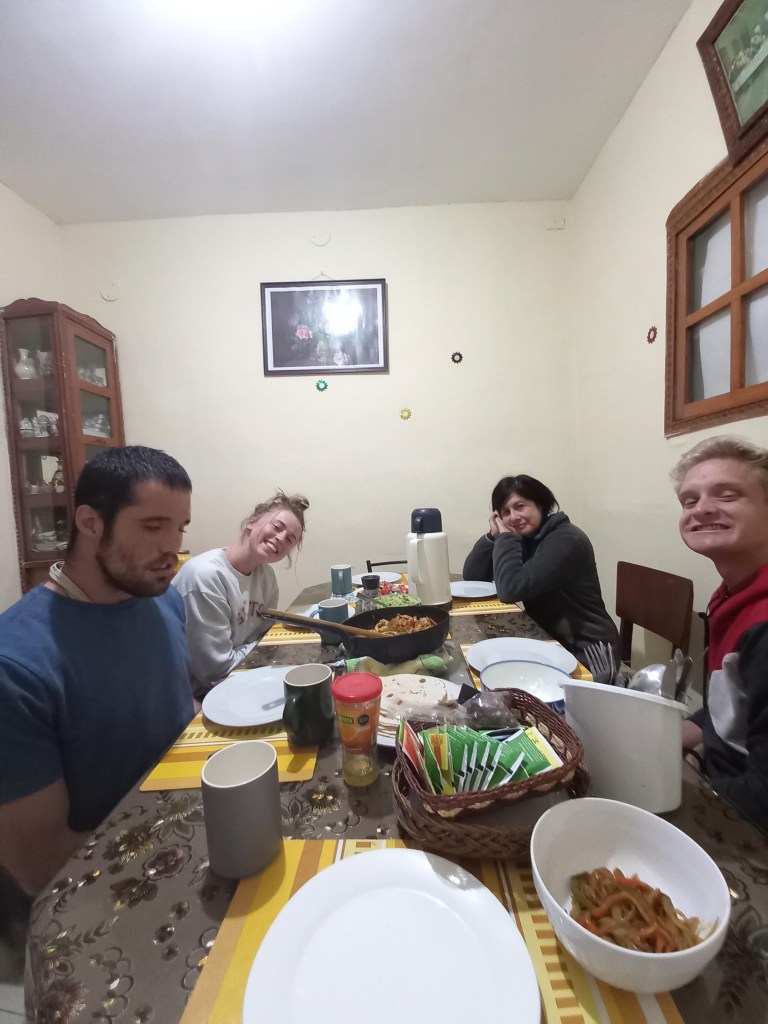
This week I was looking forward to Monday through Thursday to give the song-and-dance thing another shot, but there was a transportation strike throughout Cuzco on Wednesday and Thursday. On Tuesday, Reinaldo said that it would be business as usual, but, as with Day of the Dead, Colibri was shut down because not everybody could reliably use public transportation to get there. On Thursday (the twenty-fourth of November) we (that is, Anna, Kyle, Annie, myself, and a new girl from North Carolina who wasn’t living with us but whom we invited, along with a girl from Germany) celebrated Thanksgiving by cooking different things that would go in a traditional Thanksgiving dinner (I insisted we get the ají pepper because we were in Peru, even though Peruvian food is generally not spicy at all) and then eating with our host family. Astrid, our host mom, had been in the United States a while at one point, so she’s celebrated this before, but it was still fun to celebrate it with each other and with her. This group really is starting to feel like family!
The next day was another bittersweet day, as I graduated Spanish class. The initial sadness was reduced because my Spanish professor and I had arranged to go to lunch the next week, and I planned to be back at Proyecto Peru again.

That afternoon after lunch, I took a taxi to the airport and flew from Cuzco to Lima and then to Piura. I was going up there to see a good friend who was serving a mission for our church in the department of Piura (I was staying in the departmental capital, in a really noisy hostel that was more functional than for sleeping). While I care about getting a good night’s sleep, I will totally forgo it if it means adventure and finding oneself and all that. And that’s what I got!
I got to Piura that night and checked in to my hostel. After a night of little sleep, I got up the next morning and headed down to the Cruz del Sur bus station first thing. They didn’t have a bus to Sullana where my friend was until the next afternoon, and we had arranged to go to church the next morning. They referred me to a terminal called Epo, where I found a 7:00 AM bus the next day. They, in turn, referred me to a terminal called Sifa, where, after some minor difficulty posed by a quicker and slightly different dialect, I managed to book a bus to Ecuador that left at 10:30 that morning and got there at 4:30 that afternoon. I booked a one-way trip on it because it wouldn’t be leaving the border town whose name I won’t bother to spell for now until 12:30 that night. I was set up for what happened next.

The bus ride to the border was a party. There was no way I could recline my seat to rest (that was for luxury, and I was going for the real deal, whatever that was). One of the highlights was the six hours of straight cumbia, interspersed by Abba and Ottawan on two occasions. I learned that we were traveling right by the ocean, and according to my watch, the closest we got to the equator was three degrees.

As we approached the border, a guy started walking around asking, “¿Necesitas sellar tu pasaporte?” (Do you need to stamp your passport? This kind of threw me off. I assumed that everyone on the bus would need to stamp out of Peru and into Ecuador, so I thought, What more could he be asking us about our passports?

I crossed the border into Ecuador with everyone else with no incident, but then that’s when the fun really started. I found somewhere to eat across the street from the terminal. I ate a soup with potatoes, noodles, some meat, and some plantain chips. After that, I asked someone who worked at this restaurant what there was to do.

“You can go to bakeries, beaches, all of it, here,” she said, “but you’ll get robbed if you don’t take a taxi.” Having figured that out, I walked back across the street to secure a way back before midnight before I set out to explore the town; however, I figured out that the only way back at a reasonable time was a colectivo that would be leaving Tumbez, the town on the Peruvian side of the border, soon. I hitched a ride in a basket on the side of this guy’s tricycle–I thought only kids rode those–and when we first left, he asked, “¿Necesitas sellar tu pasaporte?” Not knowing what “to stamp” meant at the time, I said, “No.” So we just rolled on back into Peru, and by the time I had realized my error he had long gone. I kept asking for help to hail a taxi back to the border so I could rectify things, but somebody kept saying, “Sir, you’re a special case, the law will allow you to get in in some special way. Just go to a control post down the road closer to Piura and stamp in. It’s too dangerous at the border at this time of night.” I was sure she was mistaken, but I ended up getting into the colectivo and heading out. At the control post in the town of Carpitas nearer Piura, we learned that they did not in fact stamp people back into the country, only review their passports. This made me furious! I had come here to see my friend, not to screw with immigration and people who didn’t know what they were talking about. I determined that I would not let my mistake interfere with my plans, whatever ended up happening. I really wanted to see this person.

My being tired only added to my short temper. We got back into town, and I hailed a taxi back to my hostel. I gave him the address, and although we started out in the general direction of that address, he started questioning me like I didn’t know anything.

“That’s a dangerous part of town,” he said. “Are you sure? I think I’m going to drop you off at a better hotel.”At that, I let him have it, something I haven’t done in a long time: Much more forcefully than was necessary, I told him that my stuff was back at the hotel. He quickly got that I had had a bad day and went to unnecessary lengths to console me. Because I had misspelled the address, the price went from ten soles to thirty, and because I felt bad for losing my temper, I paid him accordingly, without attempting to negotiate. He asked if I’d like him to pick me up the next morning and take me to the Epo bus terminal. I thought, Why not? and I took him up on it.

The next morning, I was determined to not let what I had to do to legalize my being in Peru mess with what I had really come here to do, and as part of that I was determined to not be messed with. As a result I became a bit more suspicious than might have been warranted when the taxi driver showed up outside my room fifteen minutes earlier than he had said he would be there. Was he trying to rack up the price, pretend to be my friend for his benefit? To be fair, though, it’s not like you can schedule yourself down to the minute as a taxi driver all the time. As it was, when we got in the car and were headed to the bus station, he asked twenty. I tried my best to be cordial, but I wasn’t having any of it. True, he had waited on me until I was ready at exactly the agreed-upon time. My response?

“Sorry, man, but I don’t have twenty to pay you, only ten.”

“No, twenty soles.”

“I don’t have that much to pay you. I got to Epo for much less yesterday.”

“Why won’t you pay me twenty? I waited on you.”

“You didn’t have to wait on me, and I could have called other people.”

So I guess I was being a little too aggressive. I just didn’t want to be screwed with. At Epo, I finally managed to wring ten out of him. I thanked him, and I was soon on the bus to Sullana.

It was so good to see my friend and her companion at church. In between being at church and them being busy as missionaries, we didn’t have a whole lot of time to talk, but the time we did have was precious. We managed to briefly catch up and to share what we thought about living in Peru. At the end of our meeting, I explained the immigration situation, and she got me set up with the bishop. Later on, I met at the bishop’s house, and we (the bishop, his wife, one of his counselors, one of their sons, and myself) arranged to drive to Macará, a border town much closer to Sullana, and get me stamped back into Peru. I was so touched by their kindness that I felt sorry for all the aggression I had shown anyone. It could have also been sheer relief that all the physical and mental preparations I had made for another long night were suddenly unnecessary.

We had a great time driving together and getting to know one another. The result of this and of meeting each other in church is now a WhatsApp group where I help them learn English. Because of how generous they had been toward me, I was more than happy to help there. I also met a woman and her teenage daughter, the latter of whom was losing her vision. She was learning braille, and her mother and others were trying to get her to use a cane, but she was resistant to the cane. We exchanged numbers and have been in contact to this day.

As we drove, they told me that there were some parts of the countryside that were quite cultivated with things such as avocado and mango trees, while other parts were desolate. How did this work, I wondered?

At Macará, we finally stamped me out of Ecuador and back into Peru. In addition to having been relieved of that weight, I now had another extra day in Peru in case something were to go awry on the way back home. For my new friends, this wasn’t the end of it: They would have to come back another day and go through the four-hour process of stamping themselves back into Peru as well. I have never been so touched by such self-sacrifice in a long time.

In addition, not only did they put aside the rest of their Sunday and thereby another of their days to help me out, but they drove me all the way back to my hostel in Piura, which was about an hour drive south of Sullana. We got some snacks to eat along the way–nothing that would qualify as a real dinner, but in this case it was more than enough! At least they let me pay for gas. At my hostel, I slept much easier, a much more grateful, humble, and happier man.

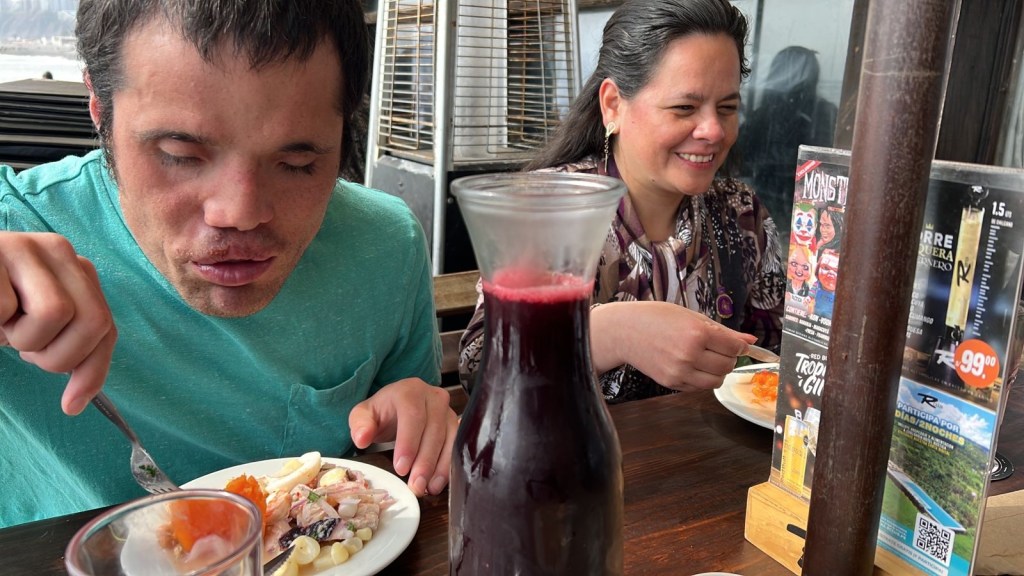
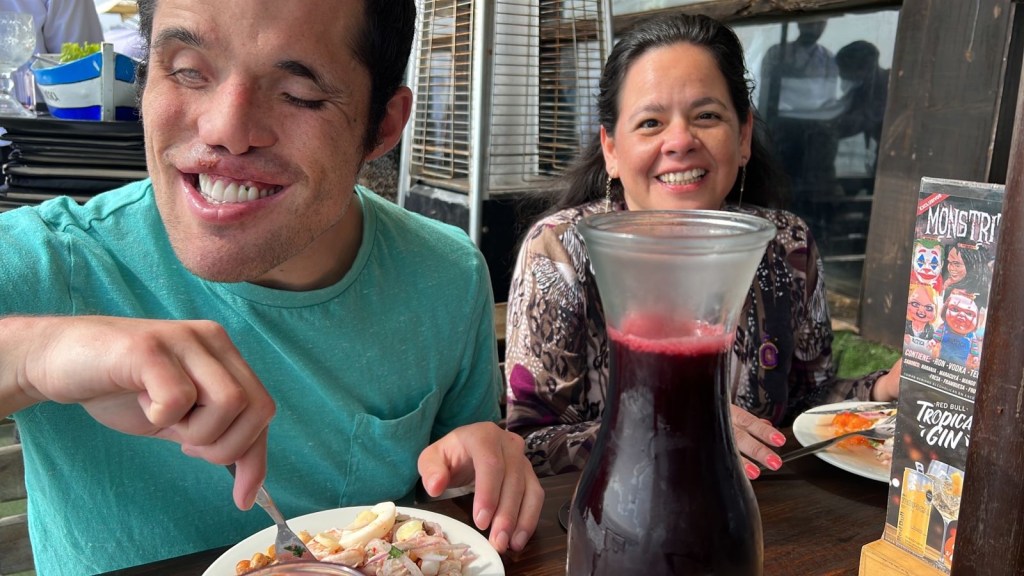
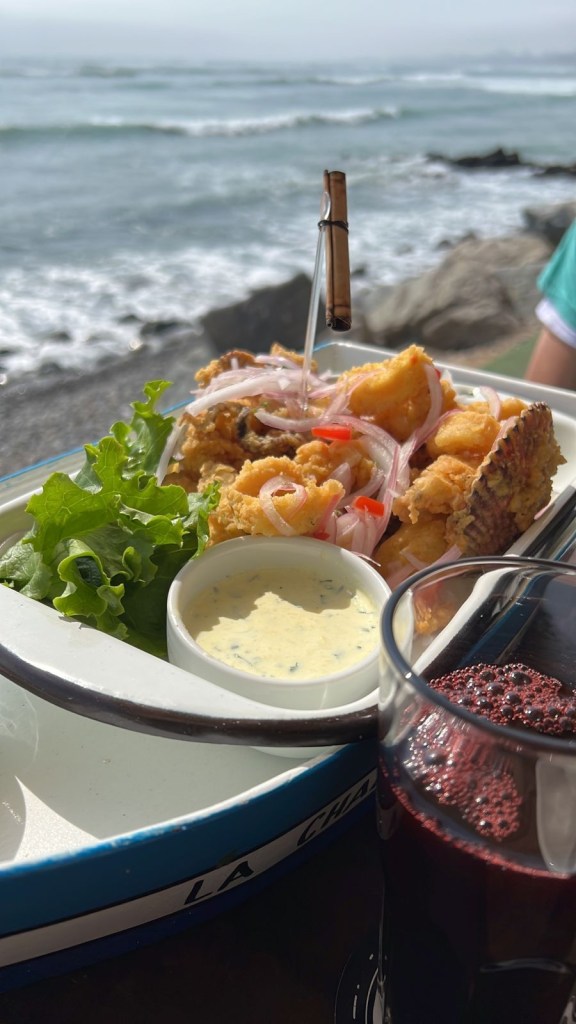
The next day was perhaps the most straightforward part of the whole trip to Piura: I got up, headed to the airport, checked into my flight home, and went home. Before flying to Lima, I went to the best cevichería I have ever been to. In case I haven’t made note of this yet, the corn in Peru is the best: It’s not the sweetest, but it’s juicy and chewy and fresh! This was mixed in with rice and ceviche. The ceviche wasn’t very spicy or juicy, but it was fish, and it was something on my sore throat and empty stomach (I hadn’t eaten properly since the restaurant on the Ecuadorian side of the border the first time there). On the flight home to Cuzco, I sat near a family who was visiting from the States. Too much English, I thought as we flew along. I wondered if I was really ready to go home.

Back to Cuzco

Hey everyone. I apologize for the delay. There was some technical difficulties on my end, so I’m publishing the rest of this after the fact now.

So the week after my adventure in Puerto Maldonado was great. I was able to talk to Reinaldo, my supervisor, about how I was here to do stuff like the other volunteers, and he seemed to get it. As I’ve said before, I excel when I’m in front of the class, doing stuff with them, more than when it’s so freeform as it usually is.

One day as I was walking down the steps from Colibri to head home, I met this woman who was trying to sell donkey hats, and we had the following interesting conversation:

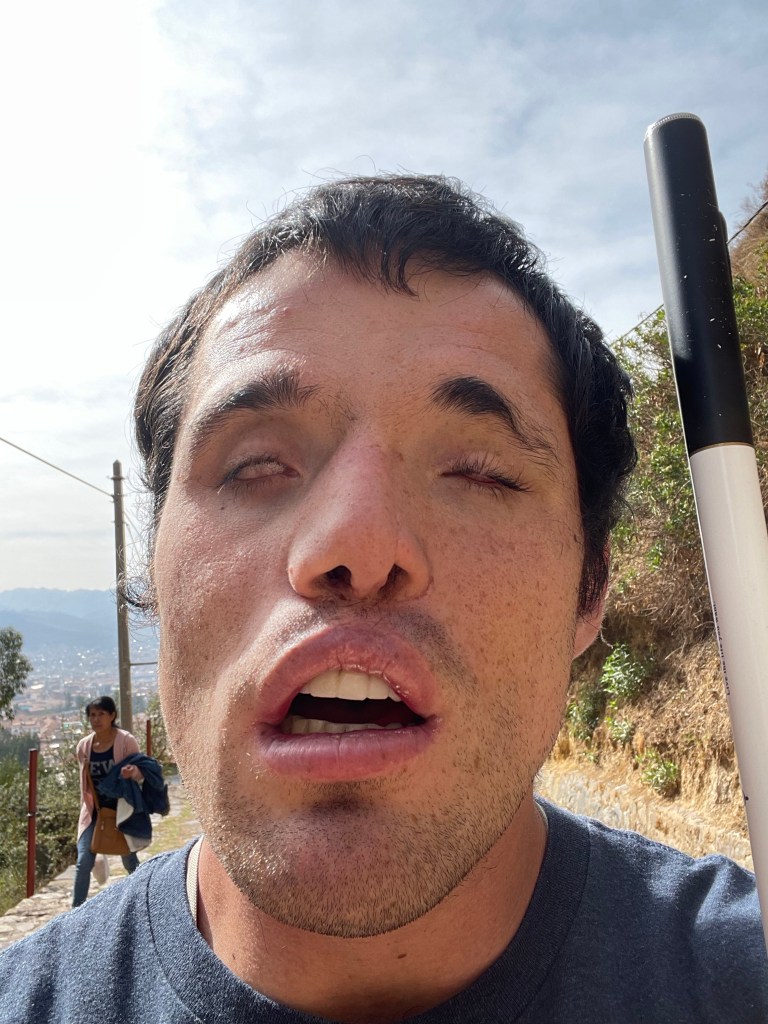
Seller: “So what happened to your eyes?”

Me: “We don’t really know, I was just born that way.”

Seller: Asks a few more times before she is content with my answer. When she can’t get any more out of me, she asked: “Did you or your parents sin?”

Surprised, I said, “No! Isn’t there a place in your Bible where Jesus refutes that?”

Seller: “I don’t remember that part.”

We then proceed to talk about what I’m doing here in Cuzco and at Colibri.

Seller: “So how did you learn Spanish if you can’t read?”

Me: “I can read braille.”

Seller: “Read me.” (At first it sounded like she had said, “Read to me” because of how a sentence in Spanish is structured).

Me: “Well, I didn’t bring the device I use to read braille …”

Seller: “No, read me.” She stuck out her hand, palm up.

Me: “That’s not really how braille works. You put it on paper or a digital display, not skin.” (Although apparently some people have managed to get words in braille tattooed on their skin!)

Seller: “Oh …”

She then proceeded to try to sell me one of her hats. I honestly might have bought one, because it’s Cuzco, and I didn’t know of anywhere else I could get something like that; but (1) I don’t wear hats very often, and (2) I hadn’t bought any money. I told her this, but then she was like, “Why won’t you pay for a hat?” So I had to tell her again–and once or twice more.

Seller: “I can just come to your house, and then you can get it and pay me there.”

What?! I didn’t know what to think about this, but at this point I felt like we were done here.

The next day I shared this encounter with my Spanish professor, who has become one of my best friend in Cuzco–especially after I graduated from her class. While I found it at once surprising and rather amusing, she seemed a bit perturbed.

“Those people are just dumb. When she offered the hat, you should have just said, ‘No thanks, I’ve already bought one,’ and left as soon as possible. Also, I’m Catholic, like the majority of people here, and my Bible doesn’t say anything about disability being the result of you or someone else sinning.”

The highlight of my weekend was going on an excursion to the cathedral with Anna and Kyle, who were only going as part of their Spanish class. I didn’t take any pictures. From what I understood, it was a lot of paintings, at least some of which were done by natives–and they were really well done.

Next, catch me almost constantly on the move between Peru and Ecuador.

Welcome to the Jungle

Hey guys. I have a lot to share with you, so heads up. I think I’ll start with my adventures in Puerto Maldonado first, because it works better for where I’m headed here and beyond.

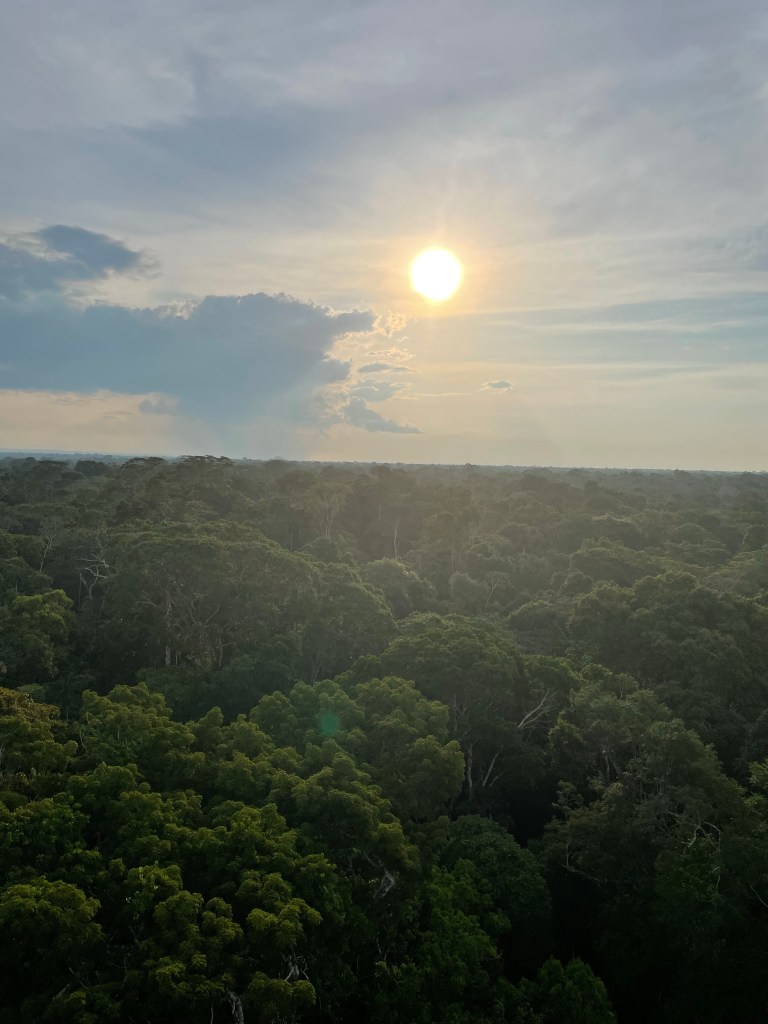
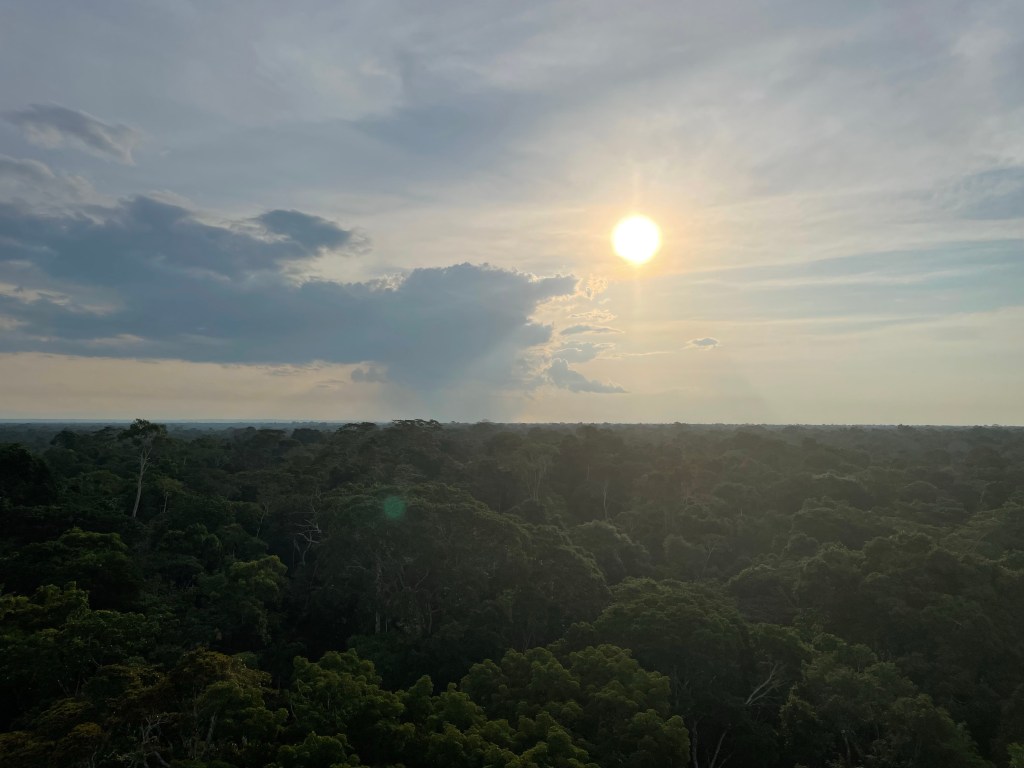
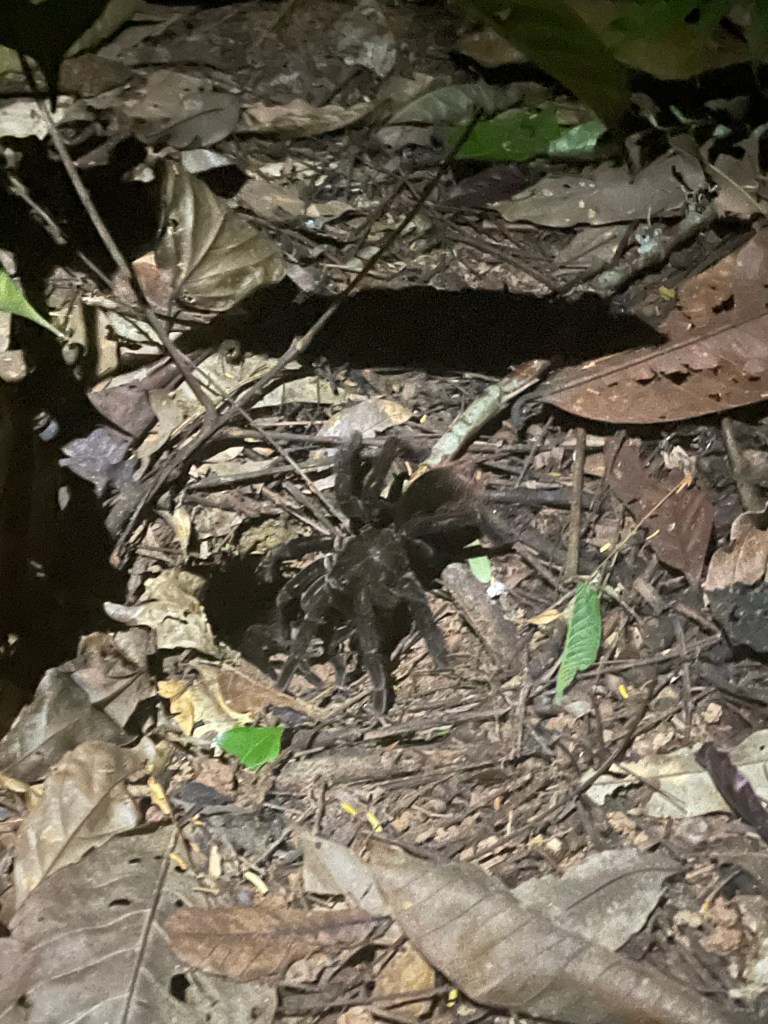
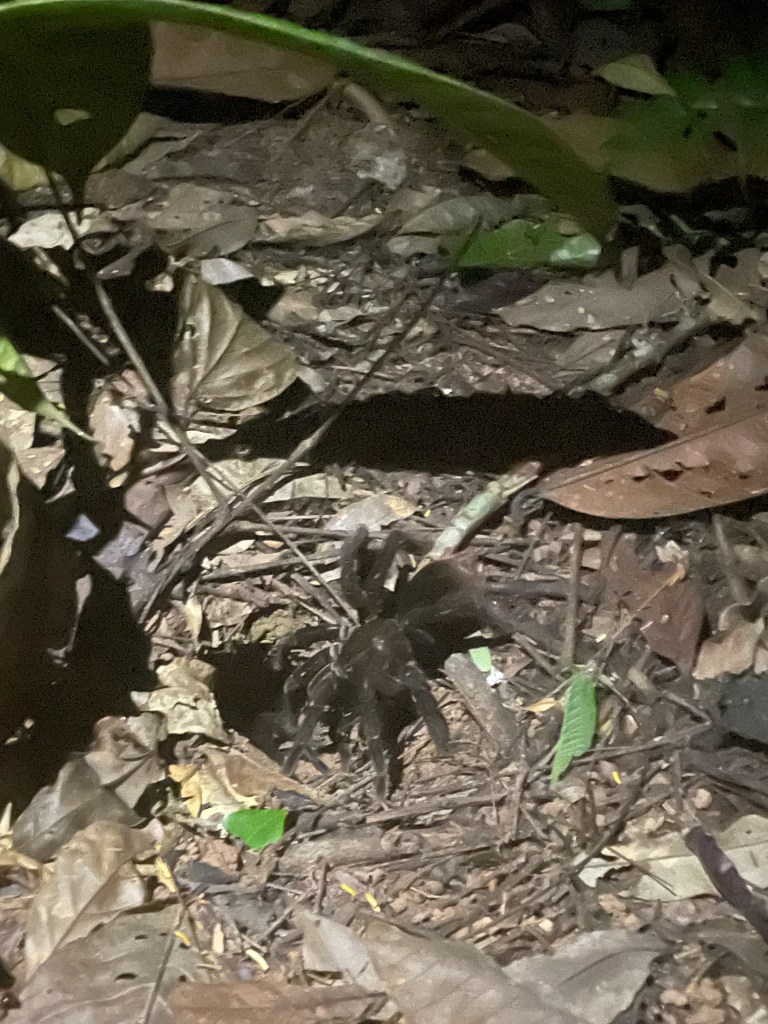
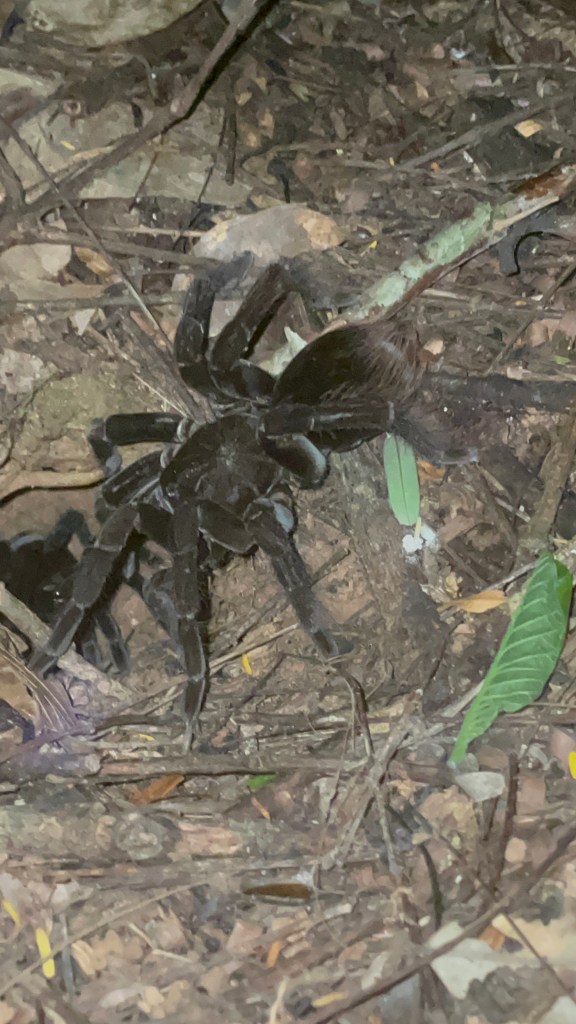
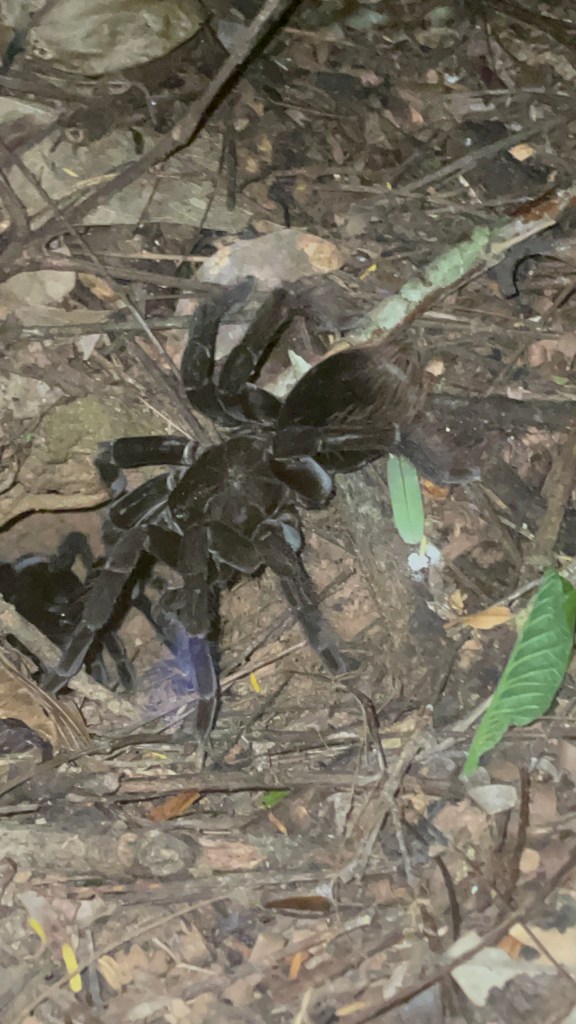
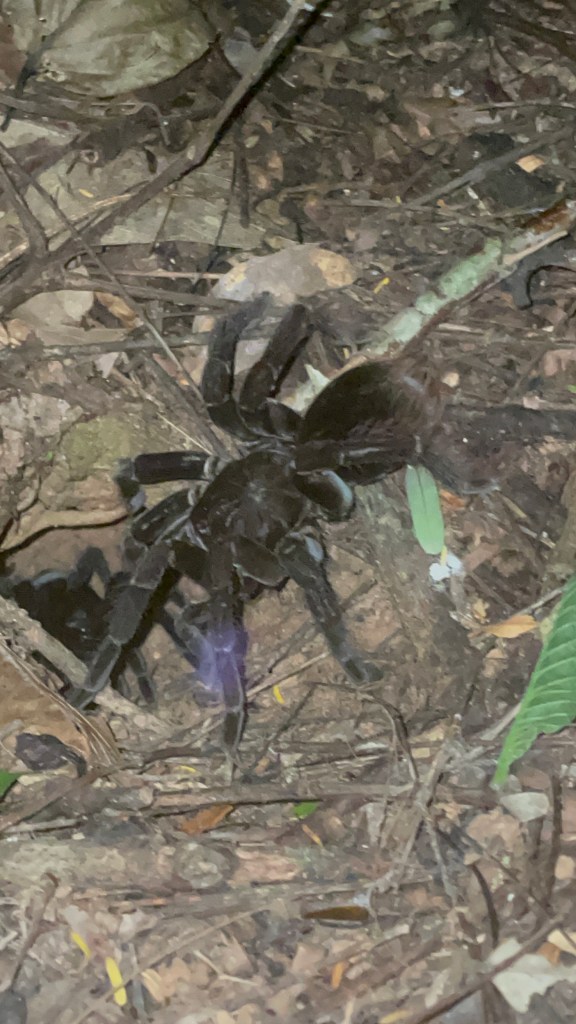
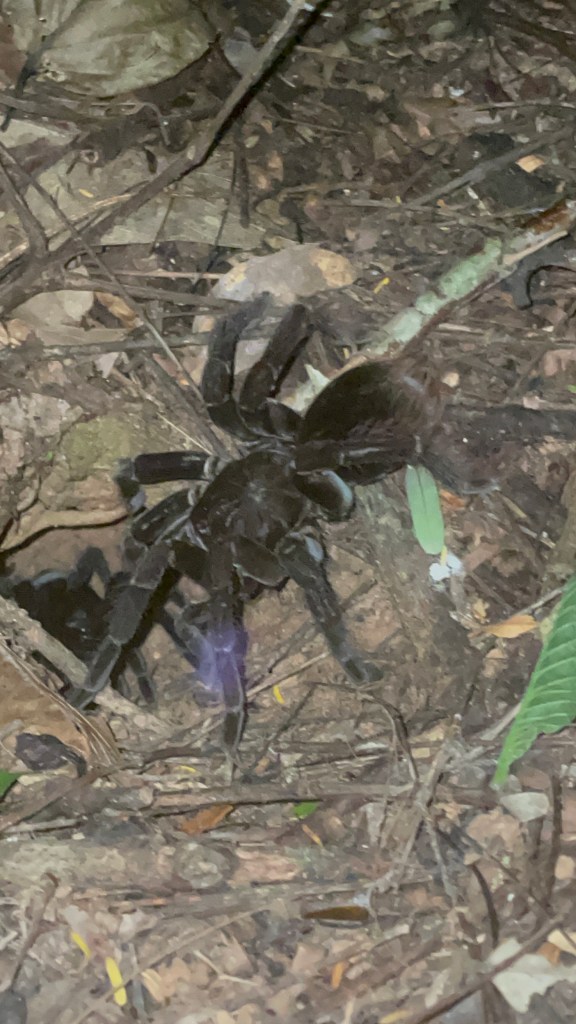
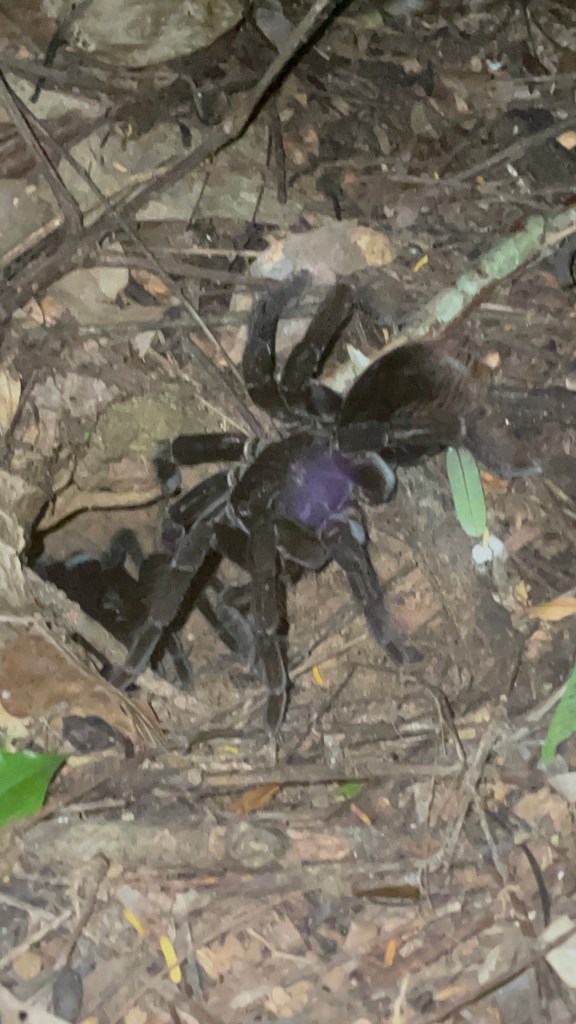
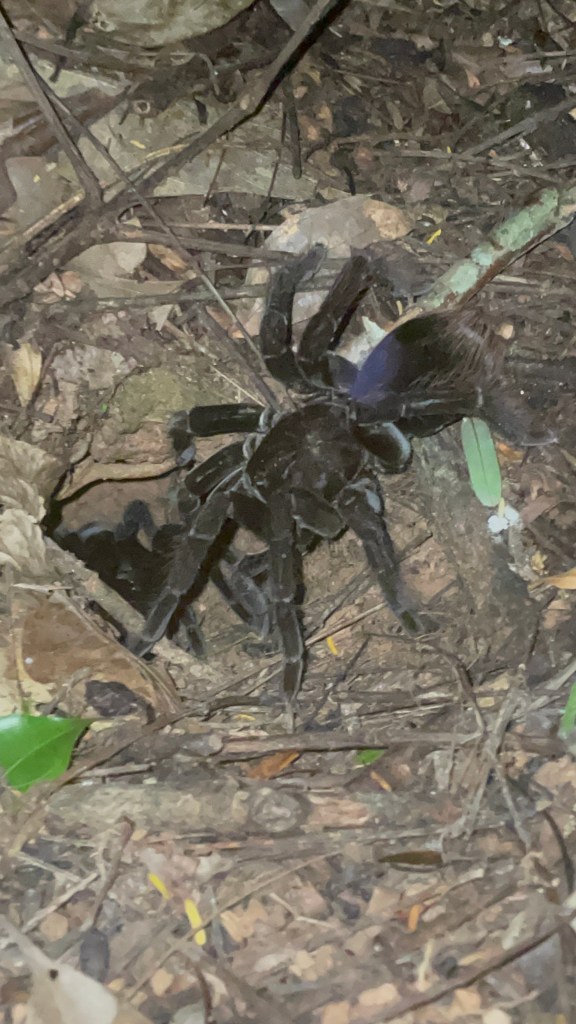
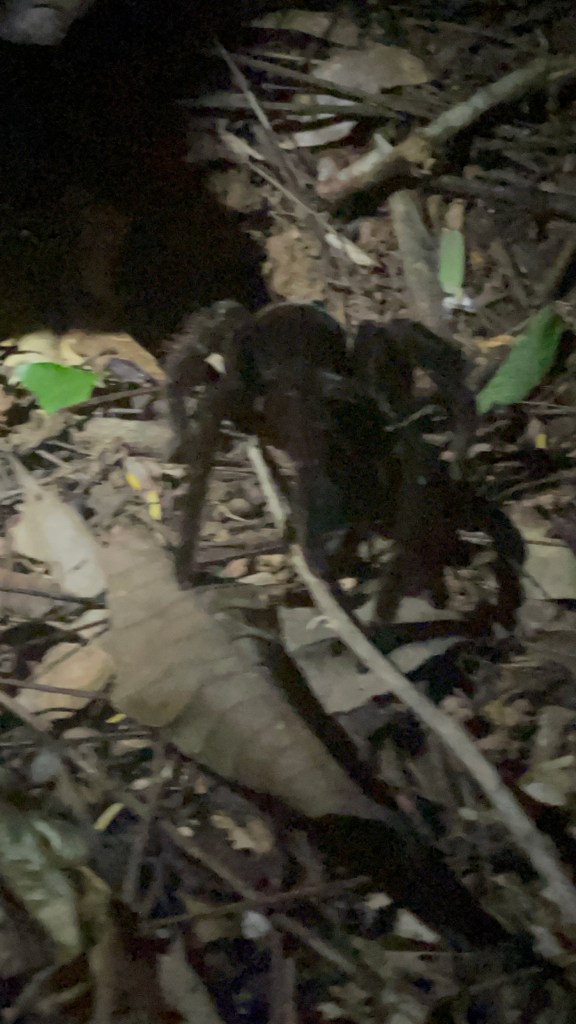
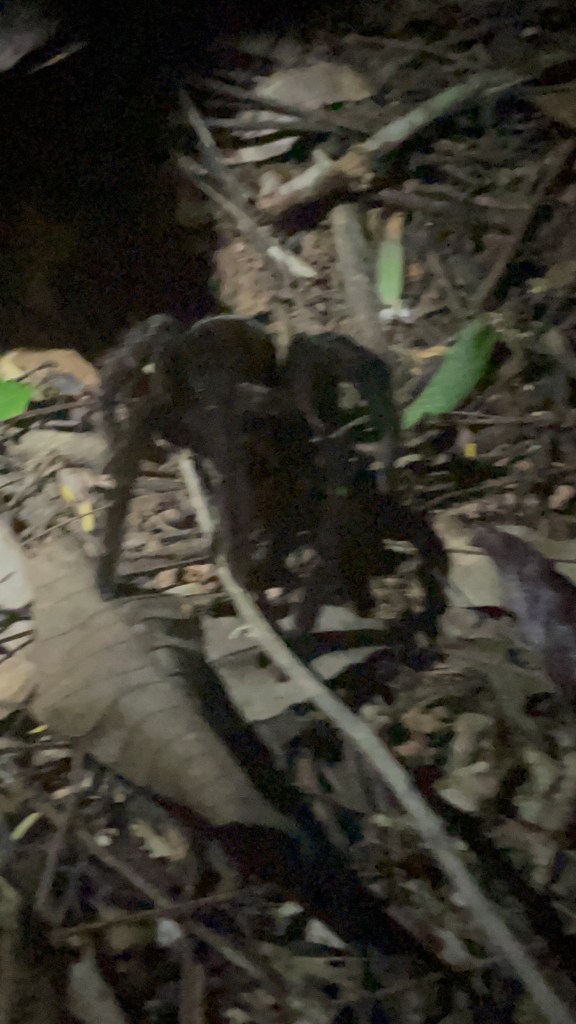
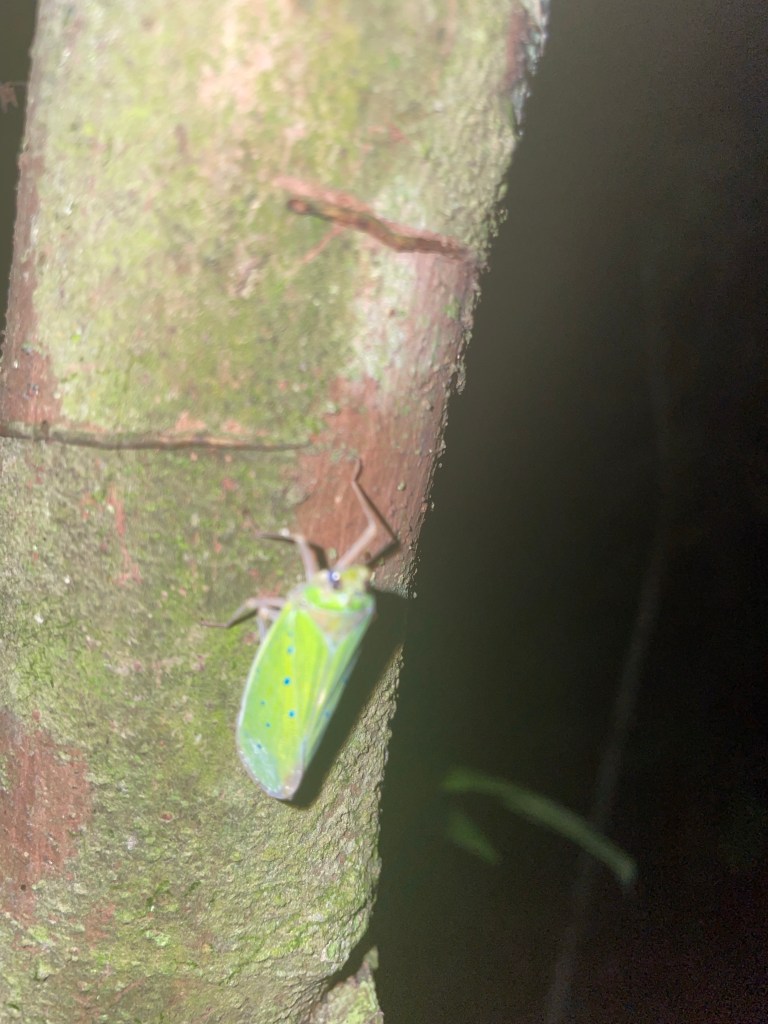
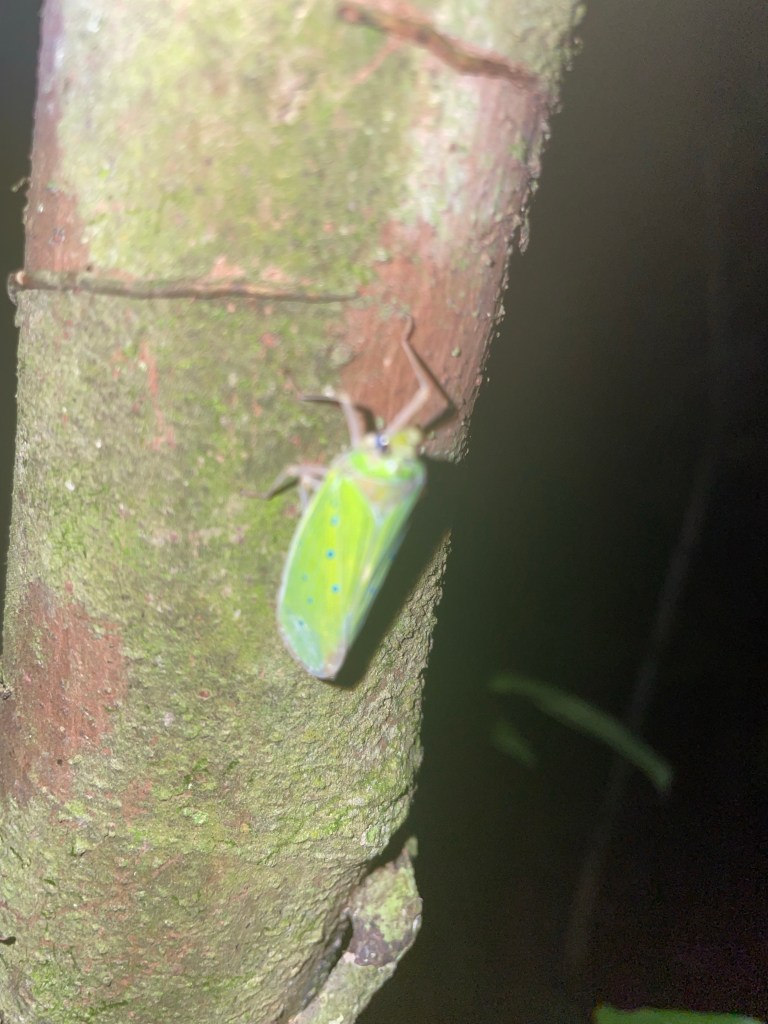
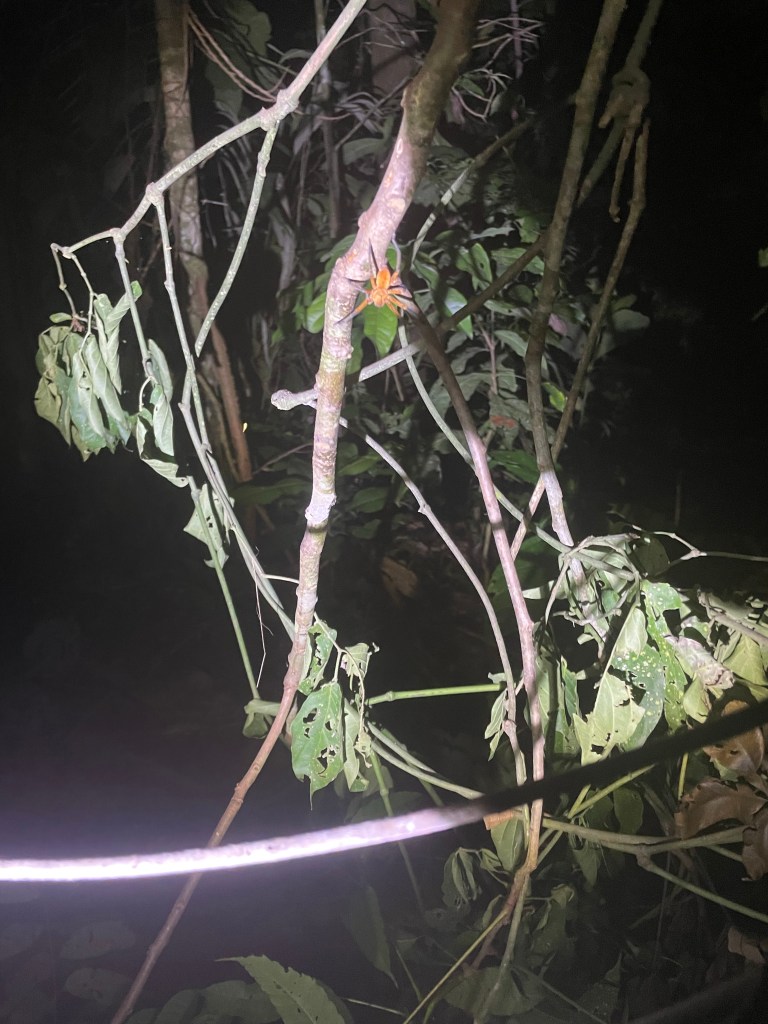
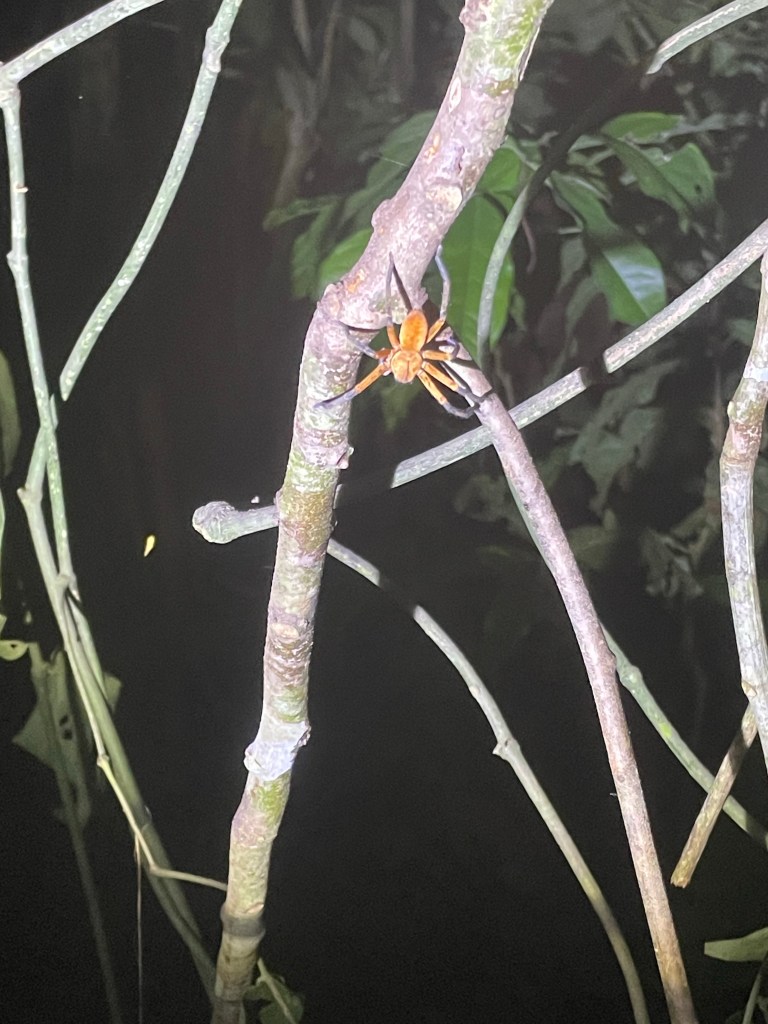
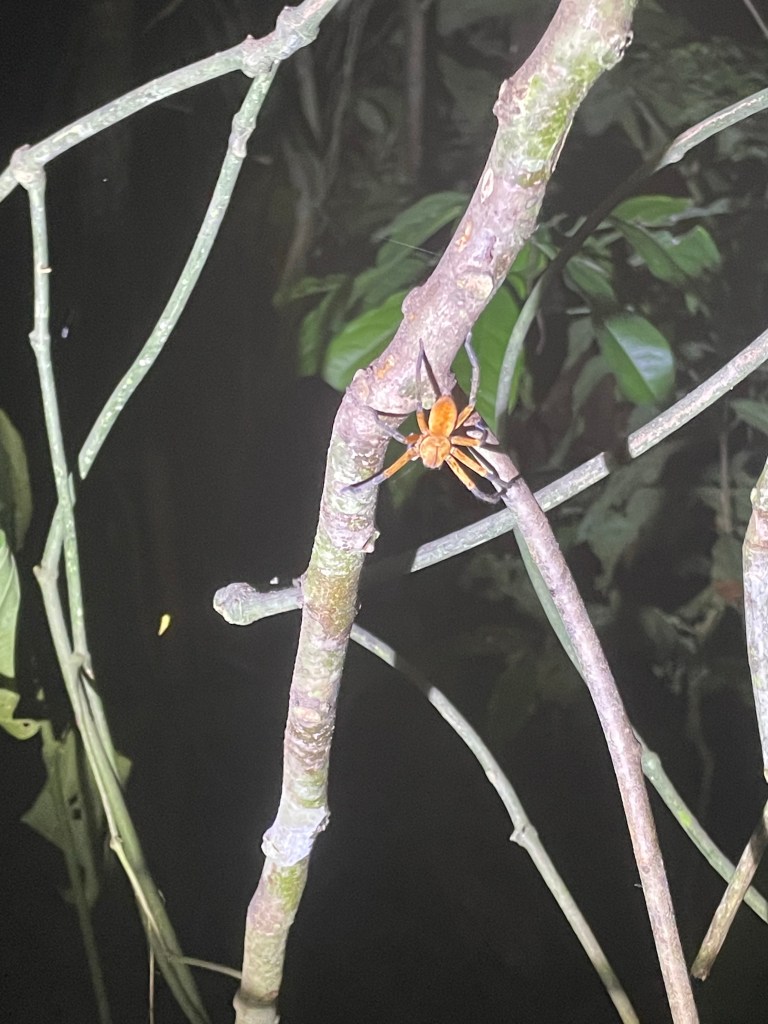
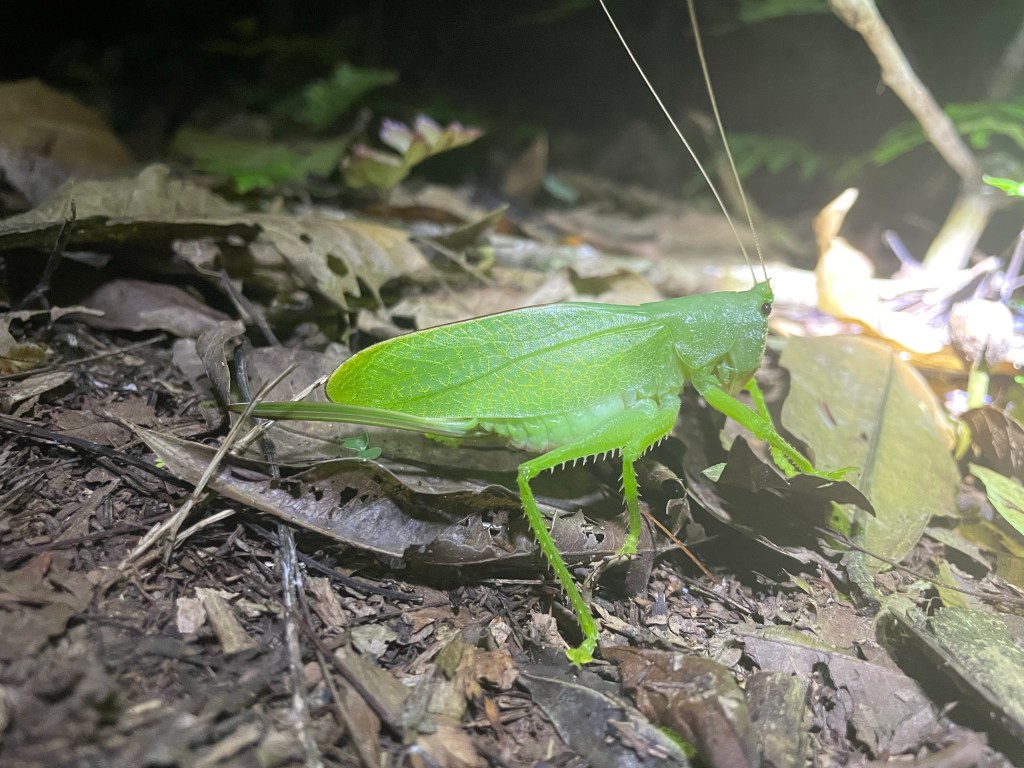
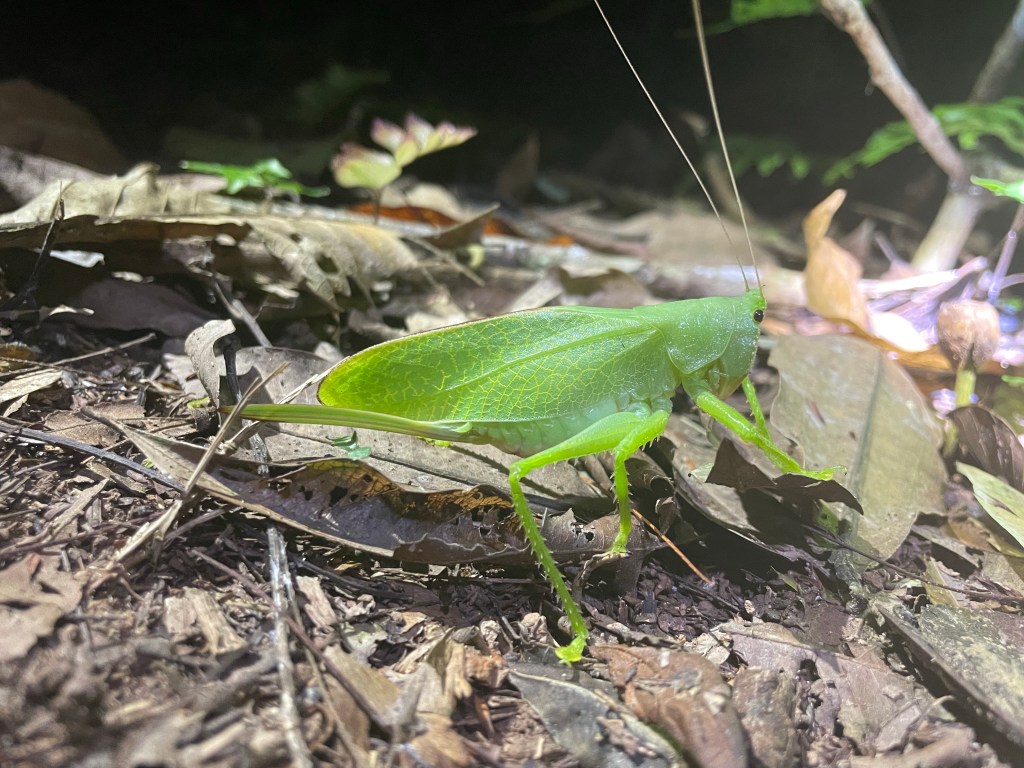
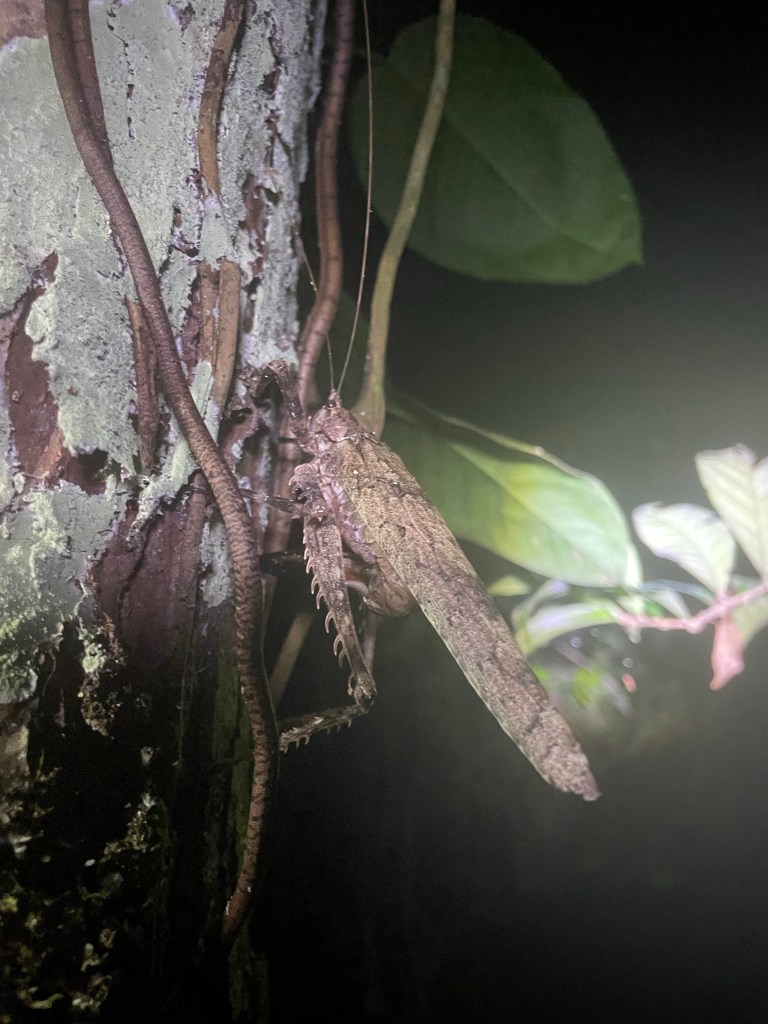
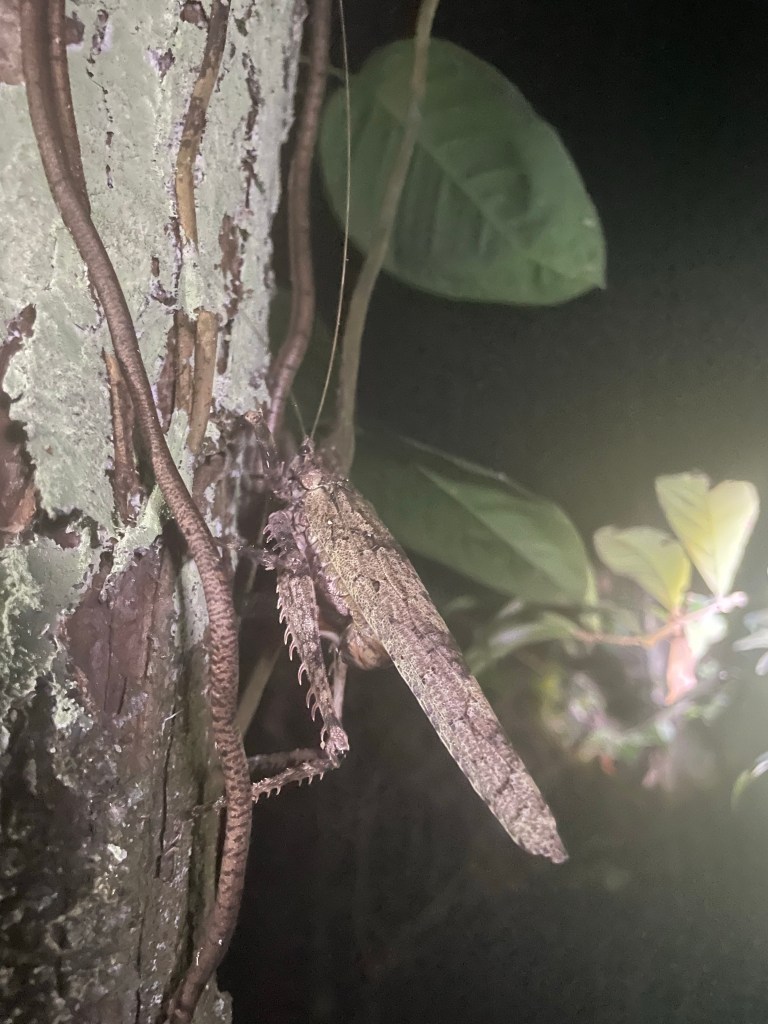
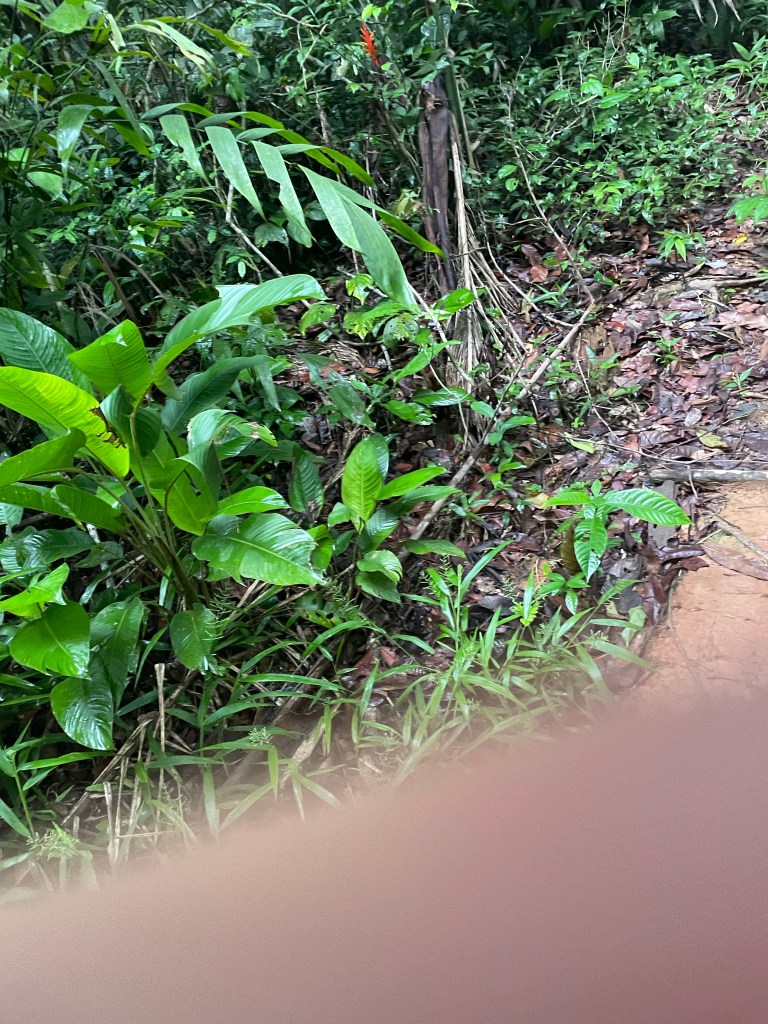
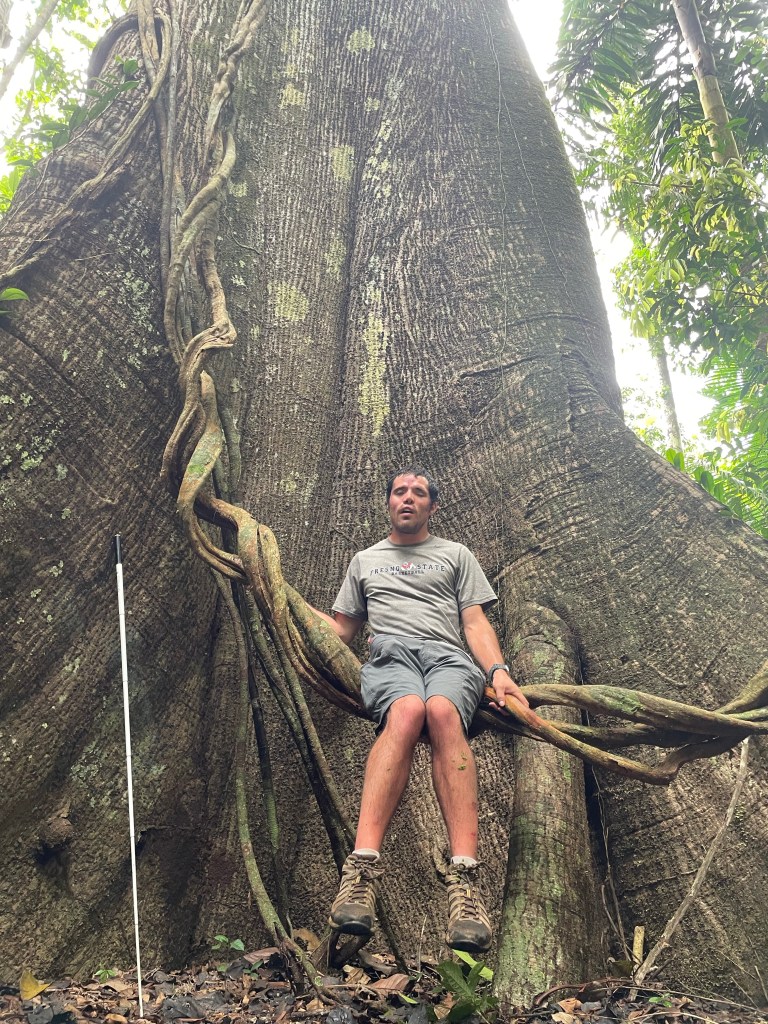
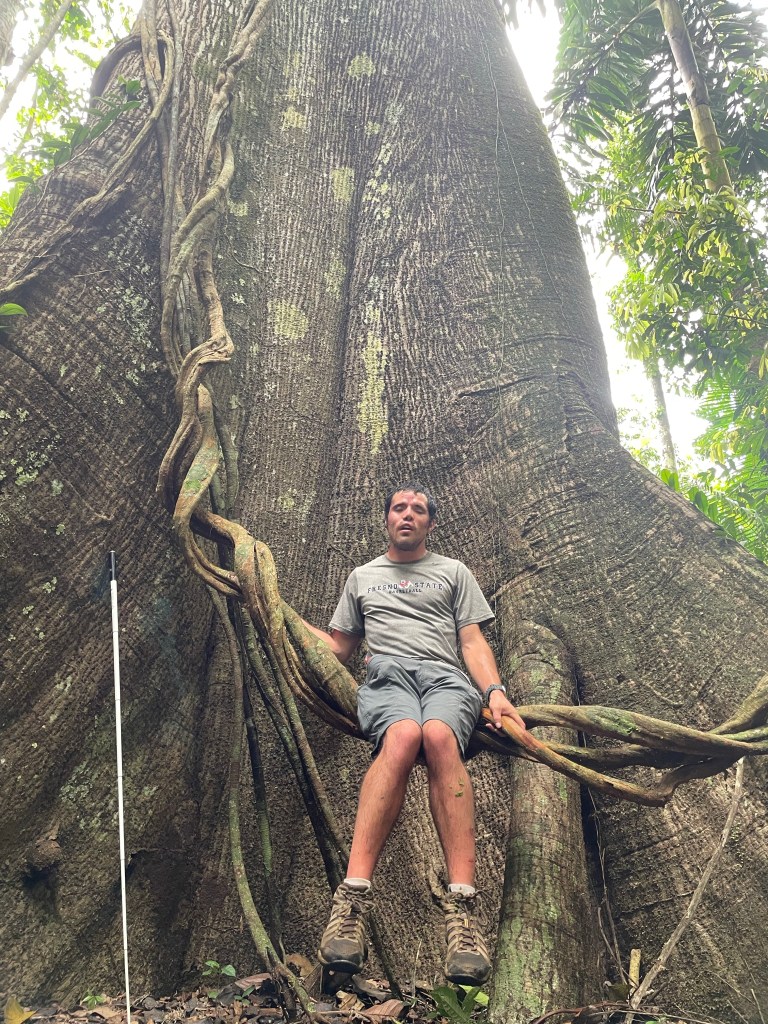
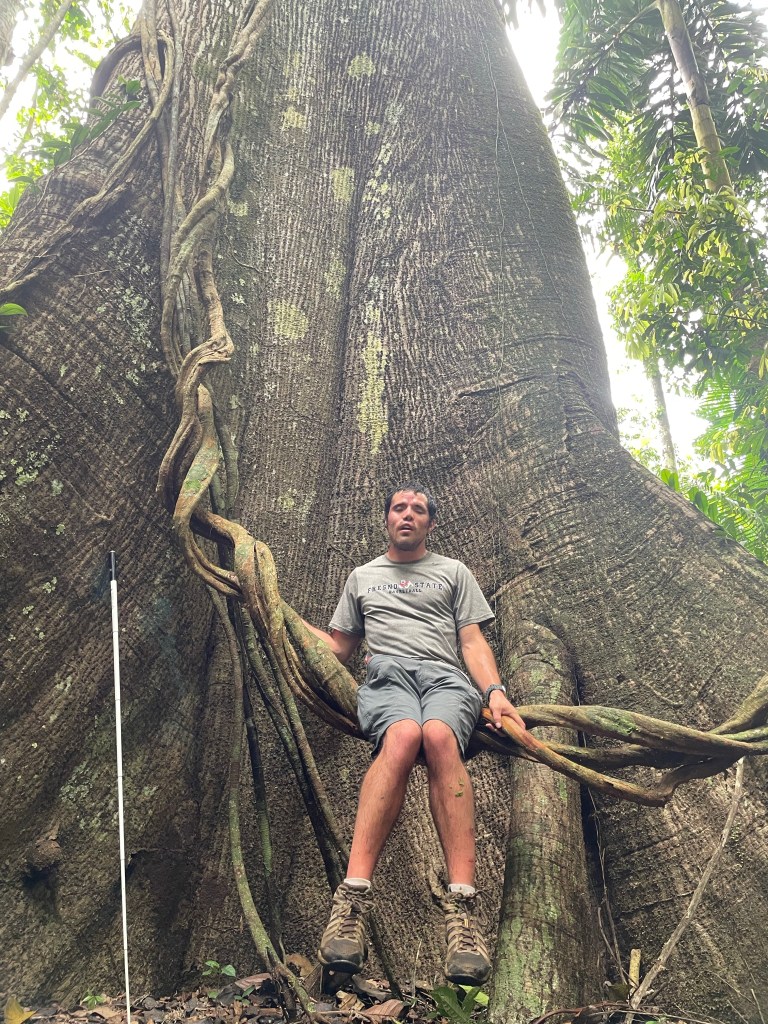
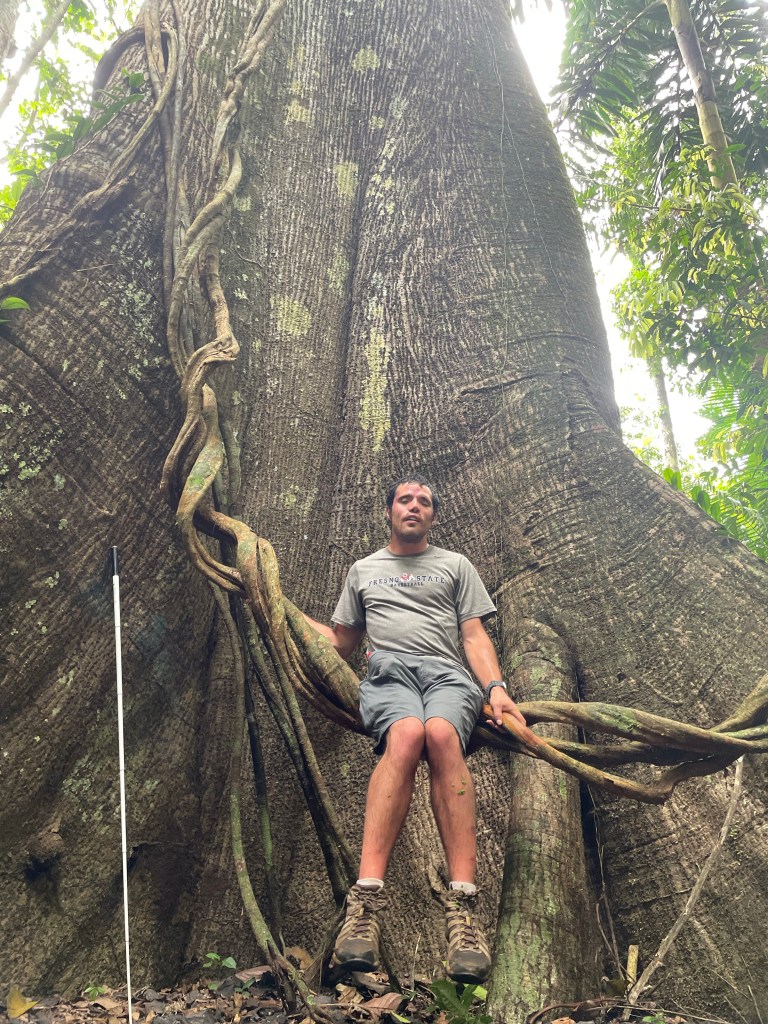
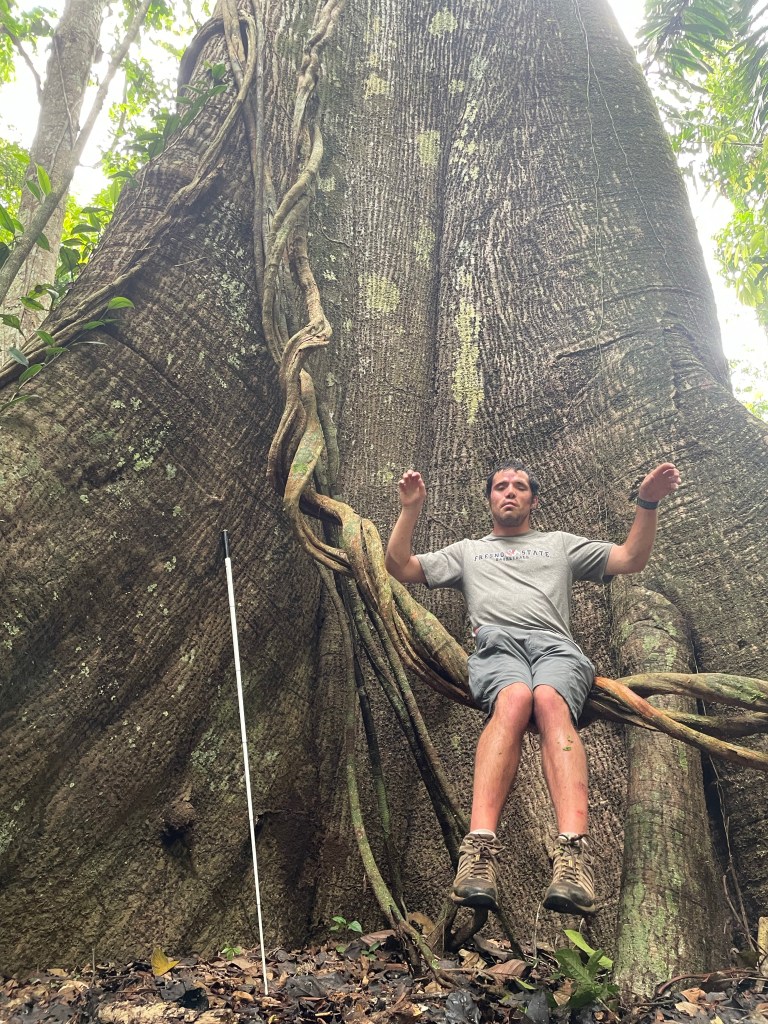
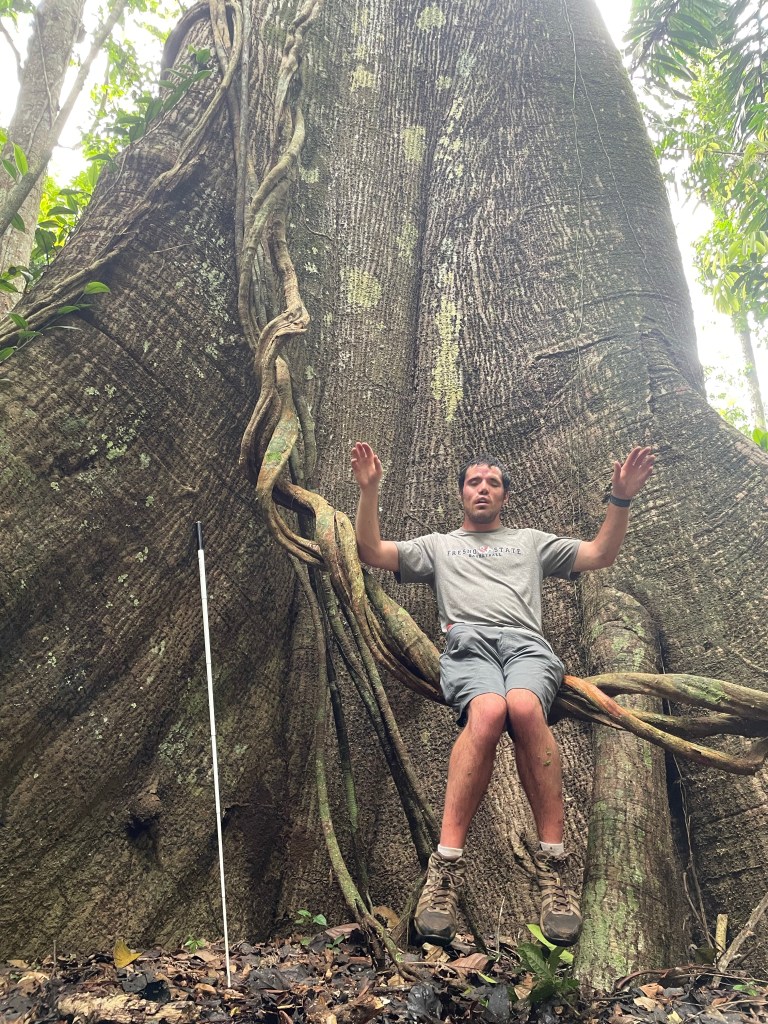
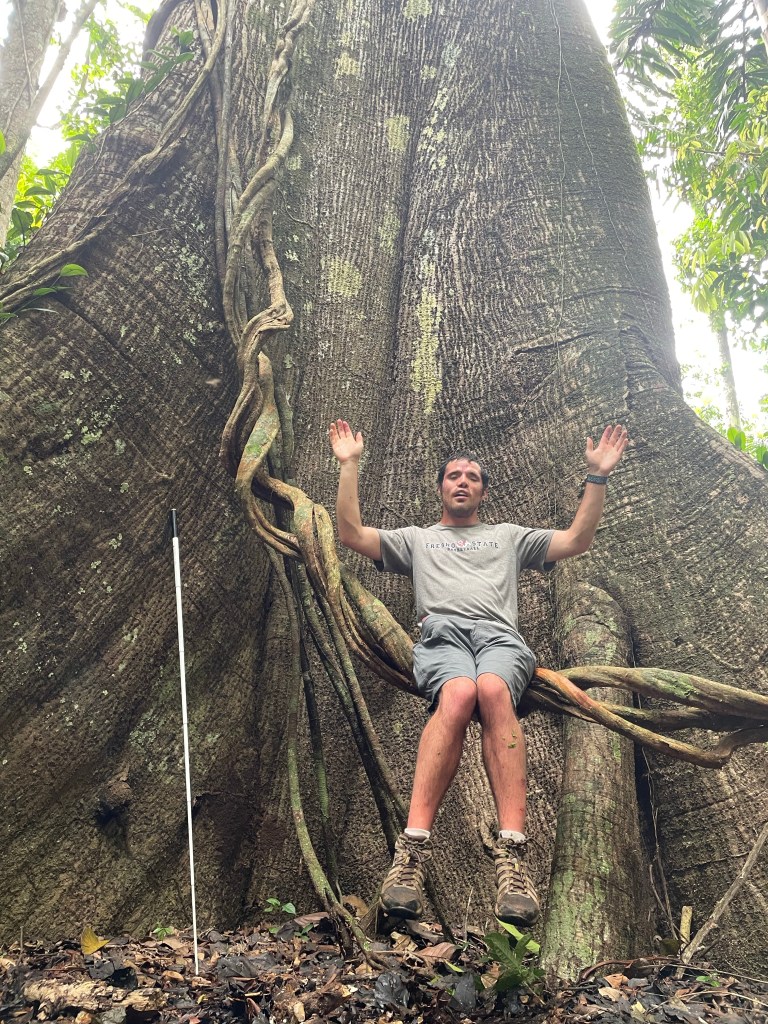
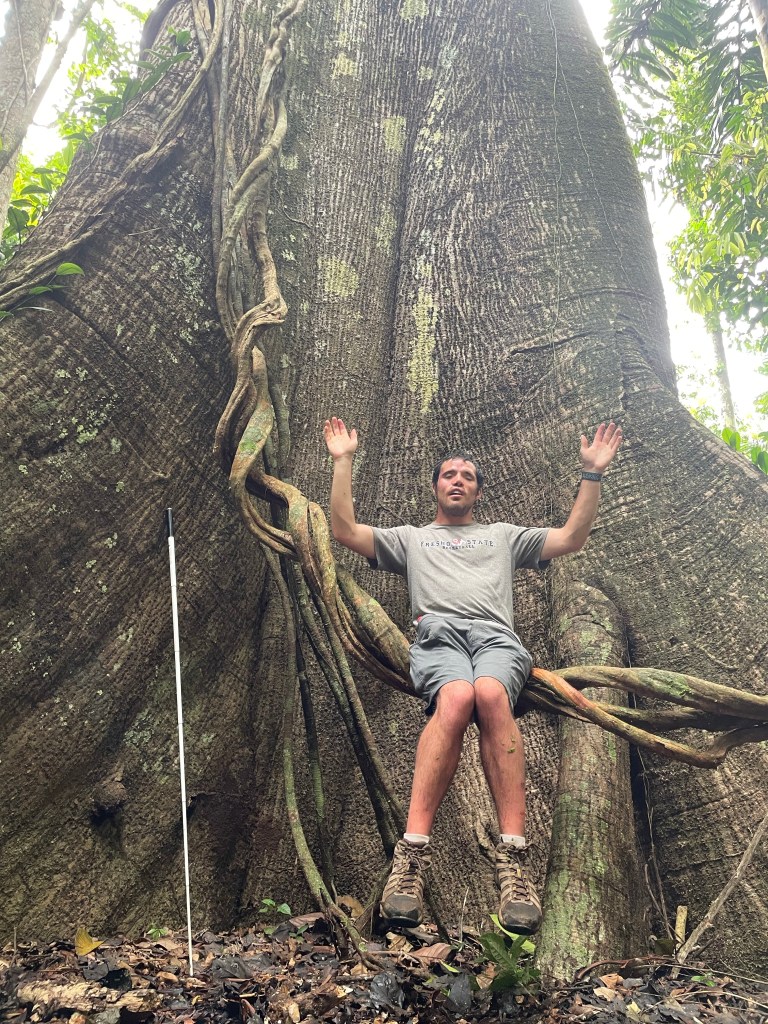
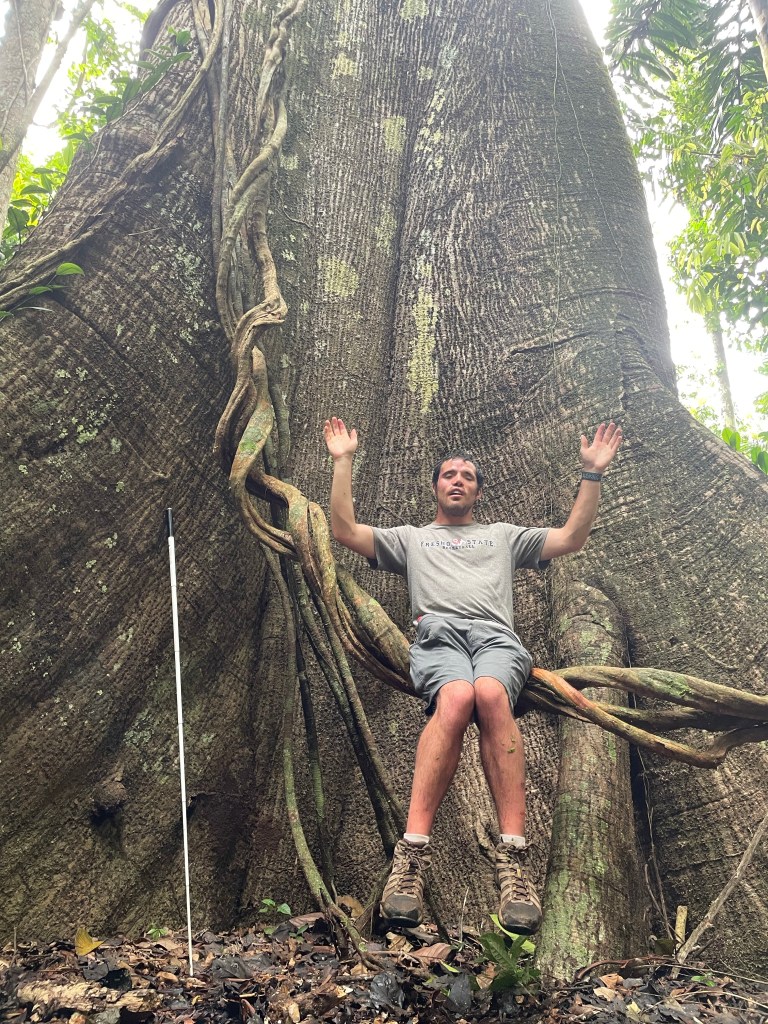
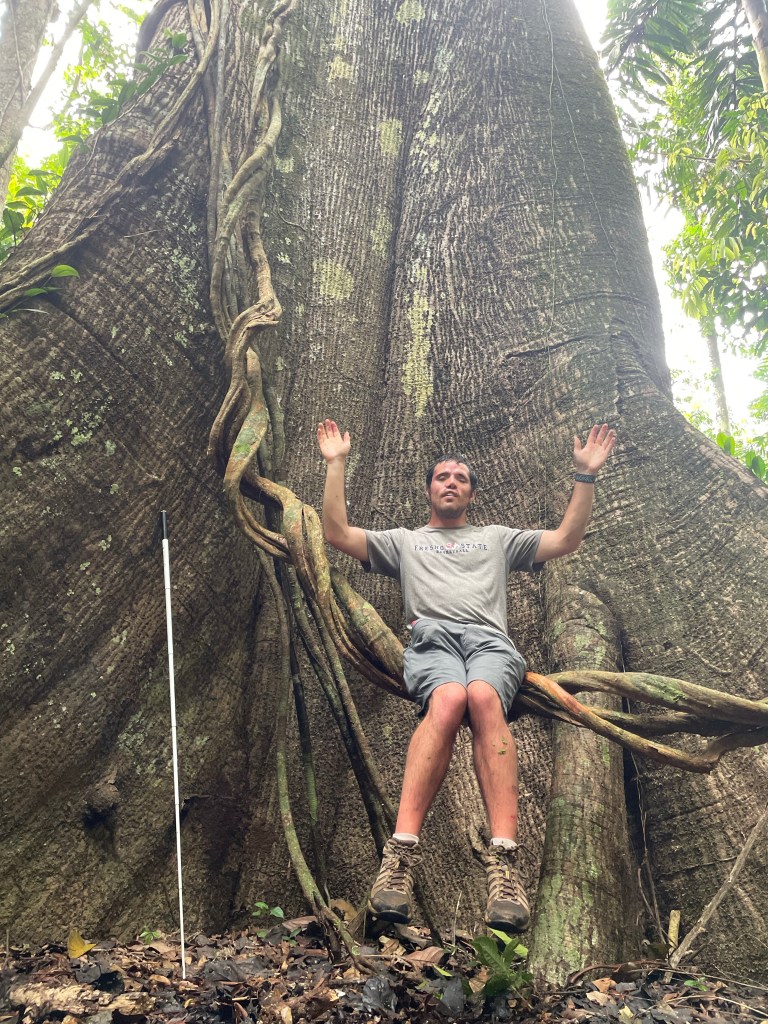
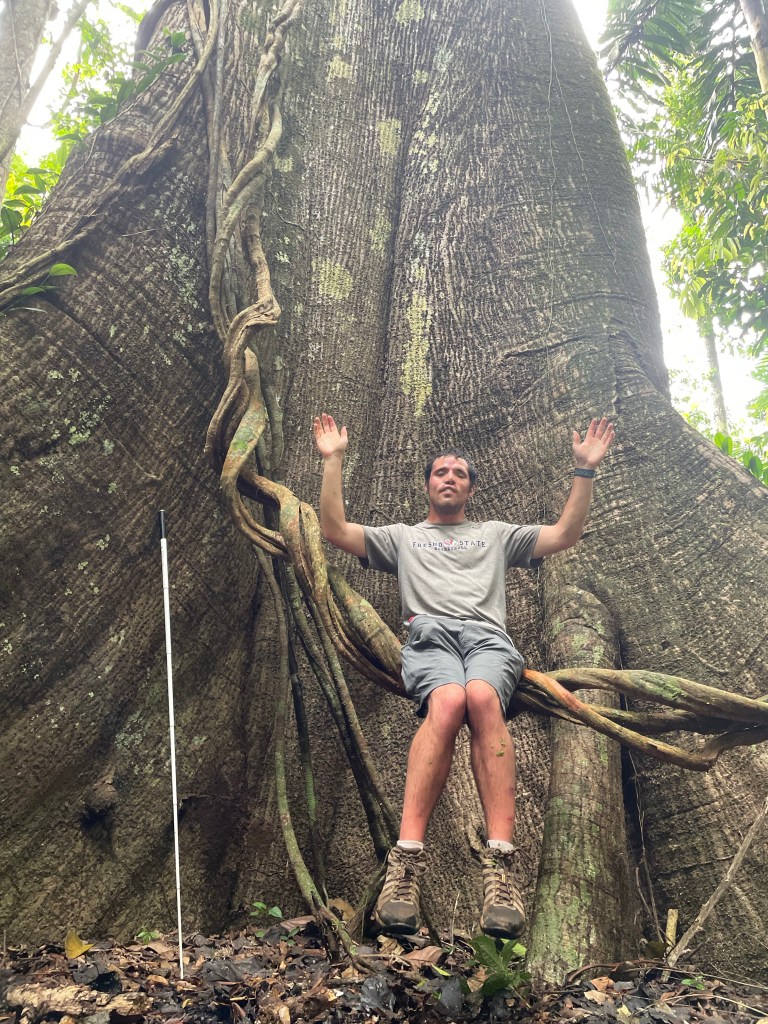
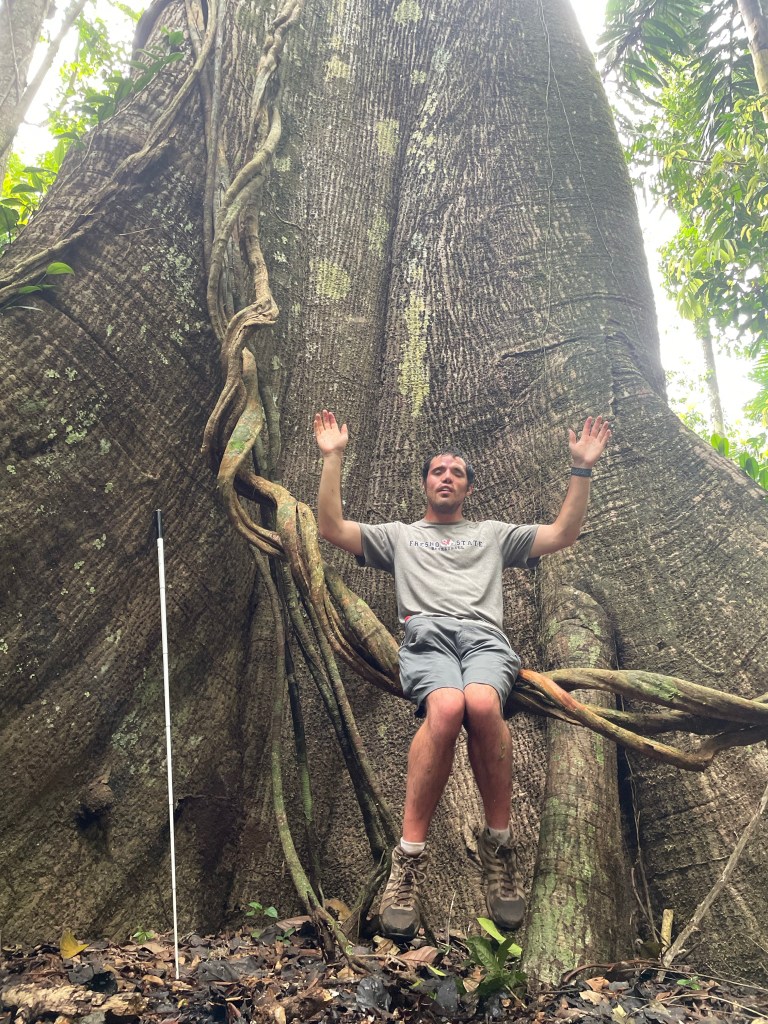
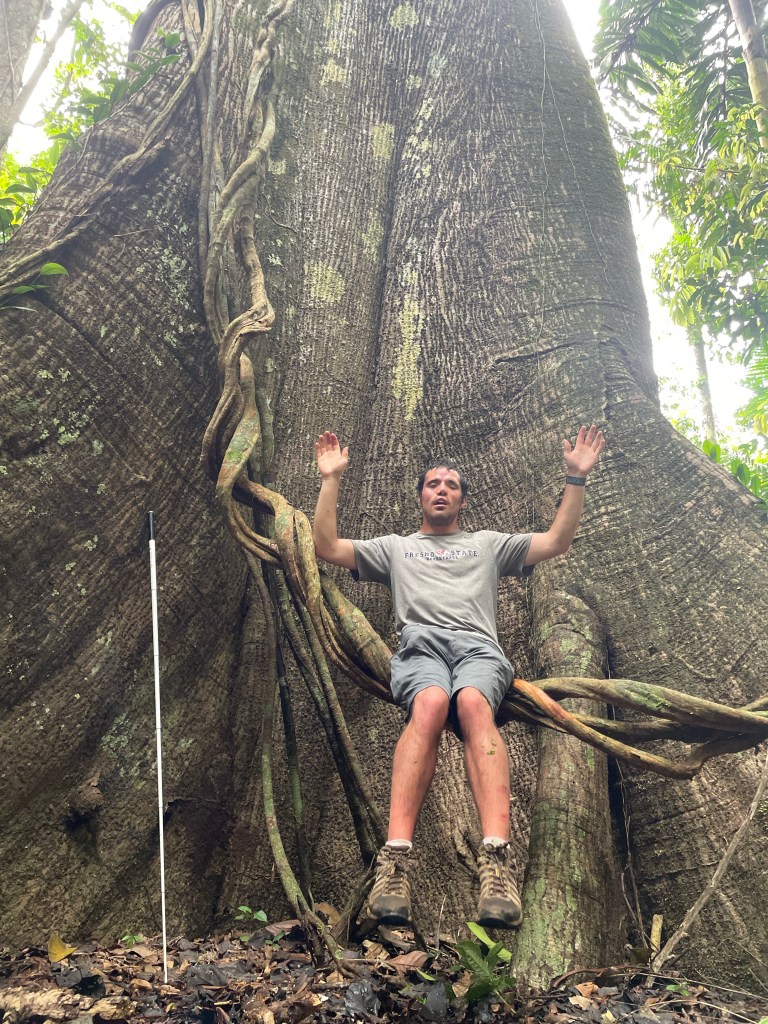
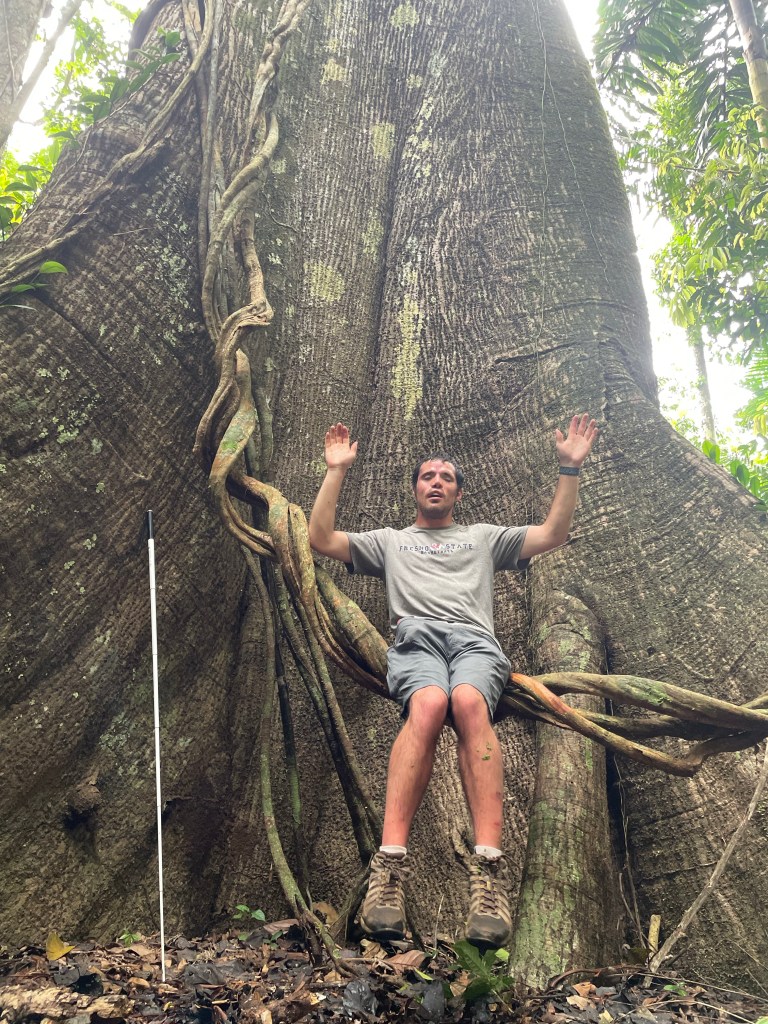
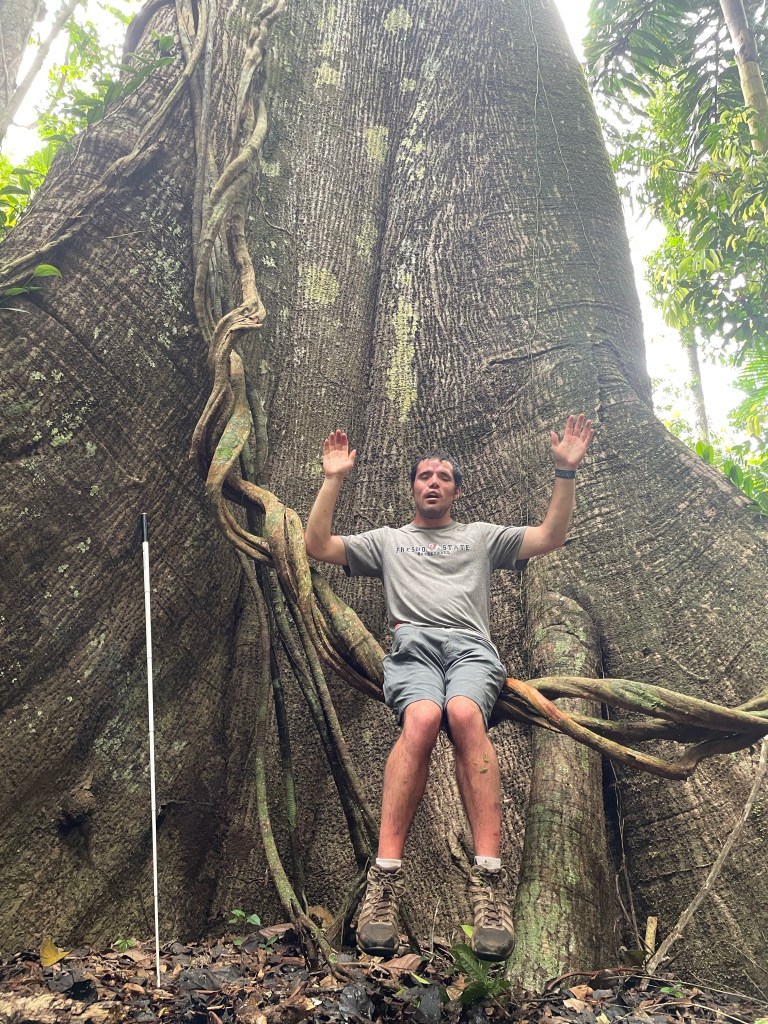
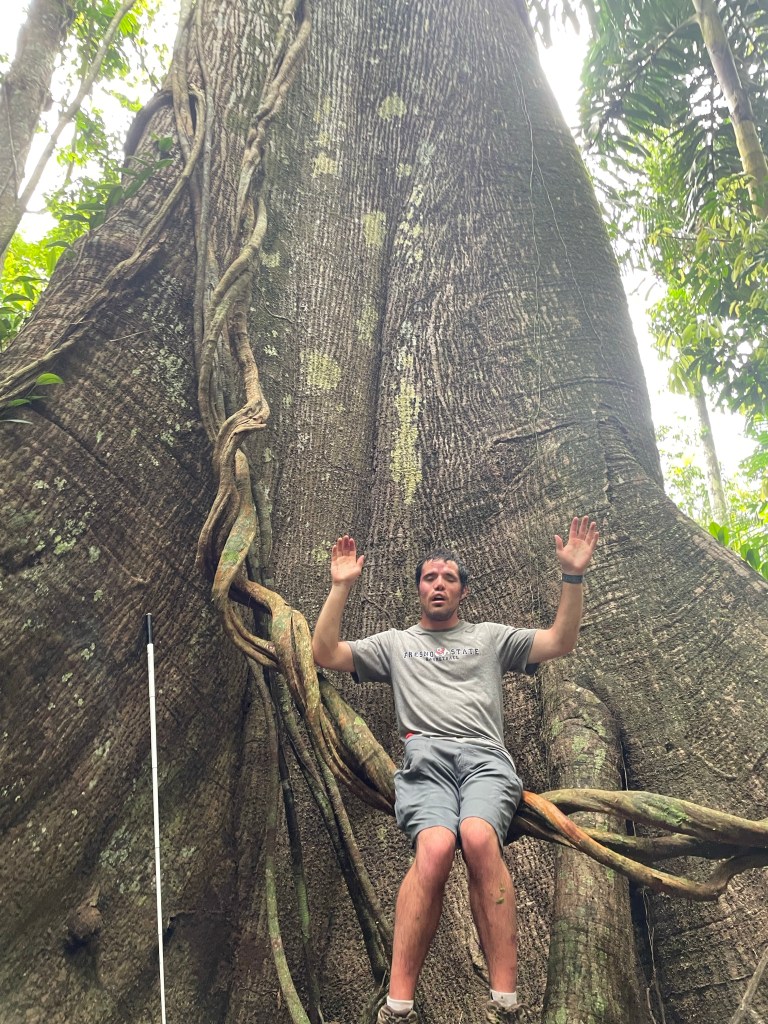
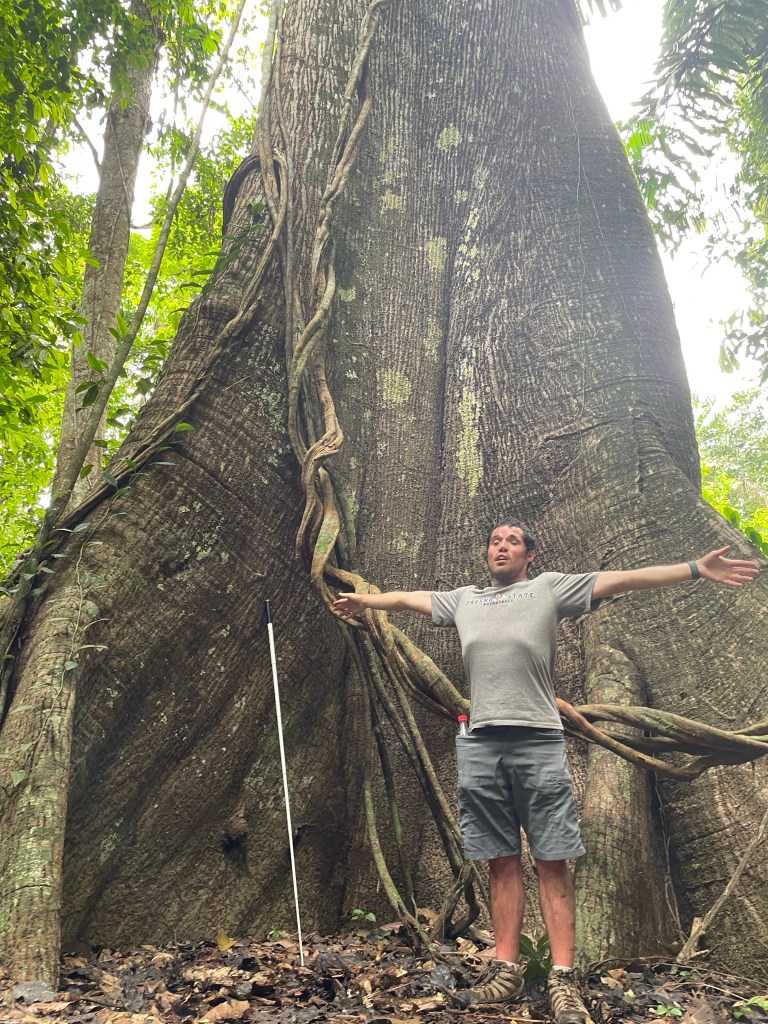
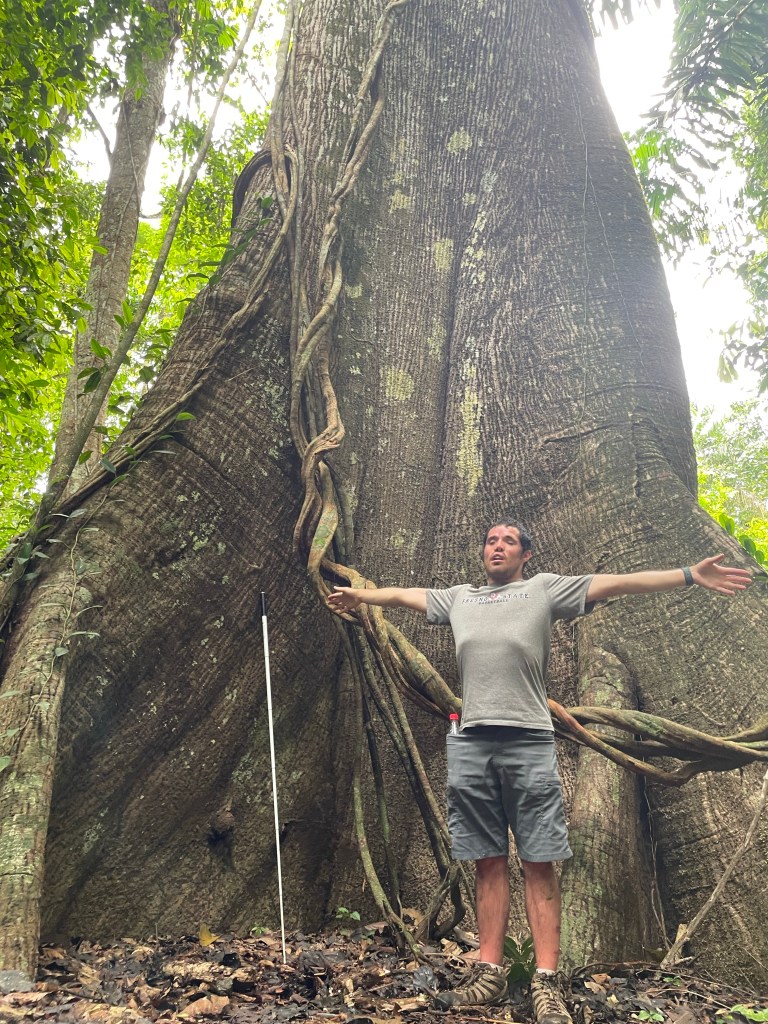
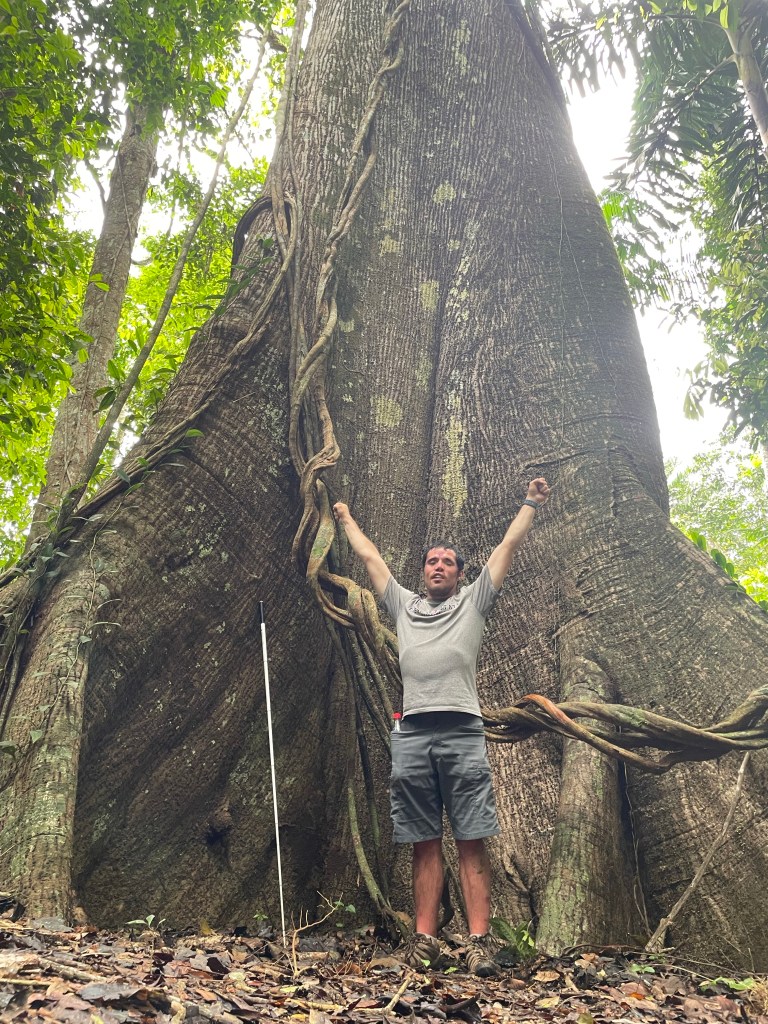
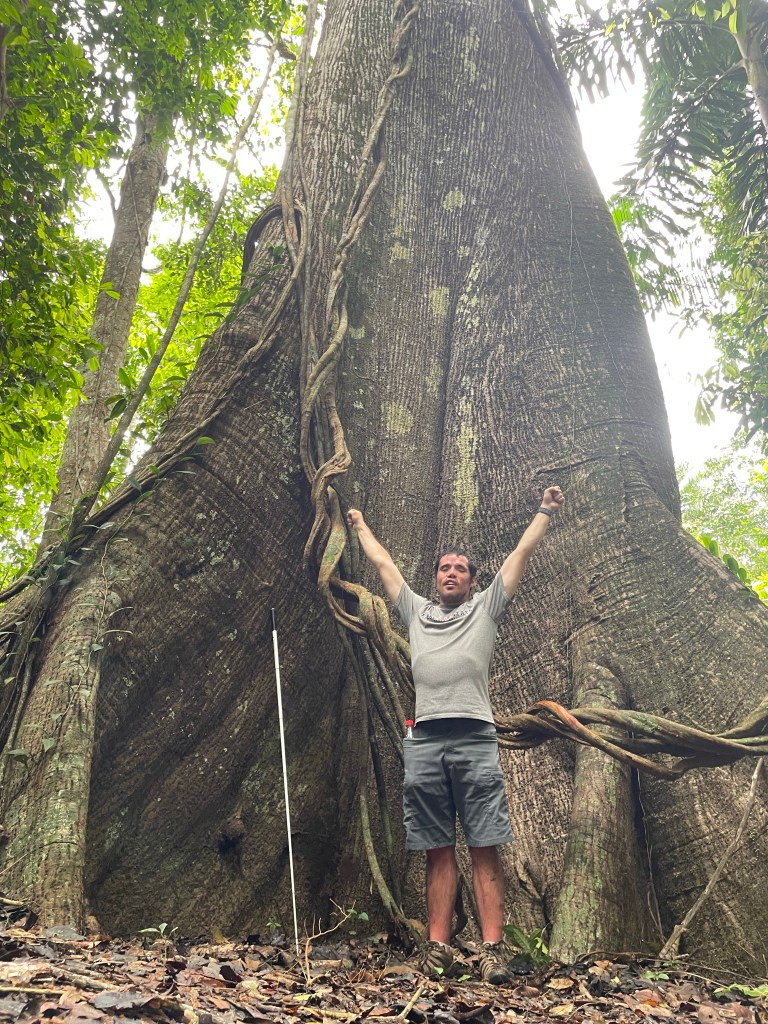
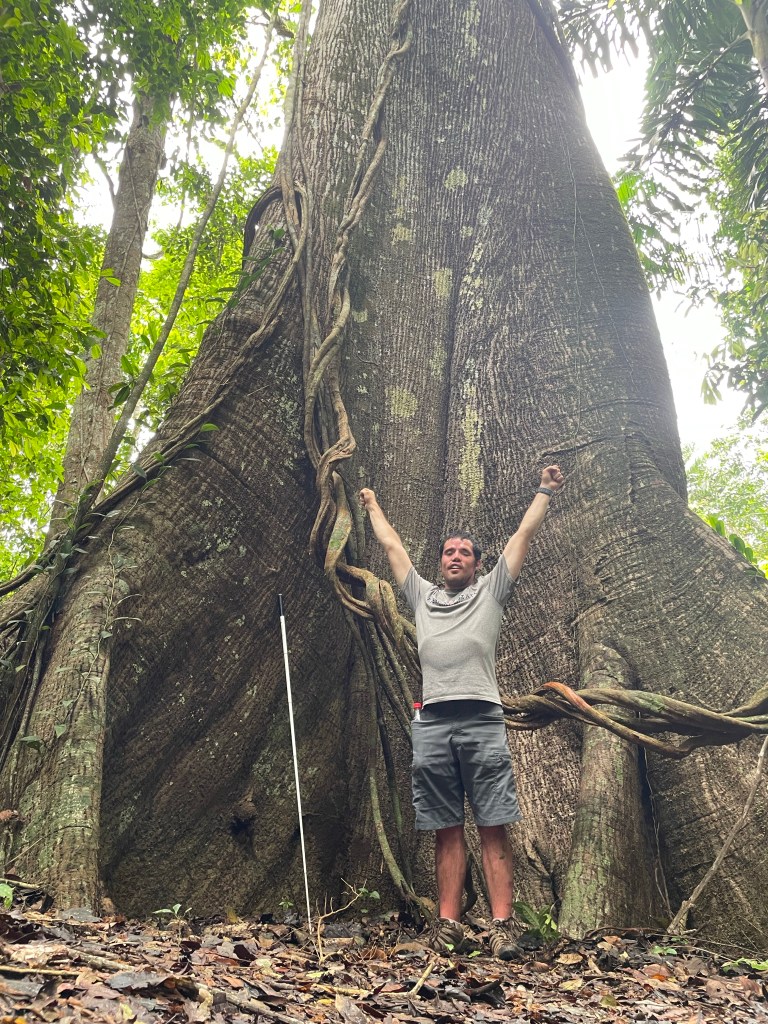
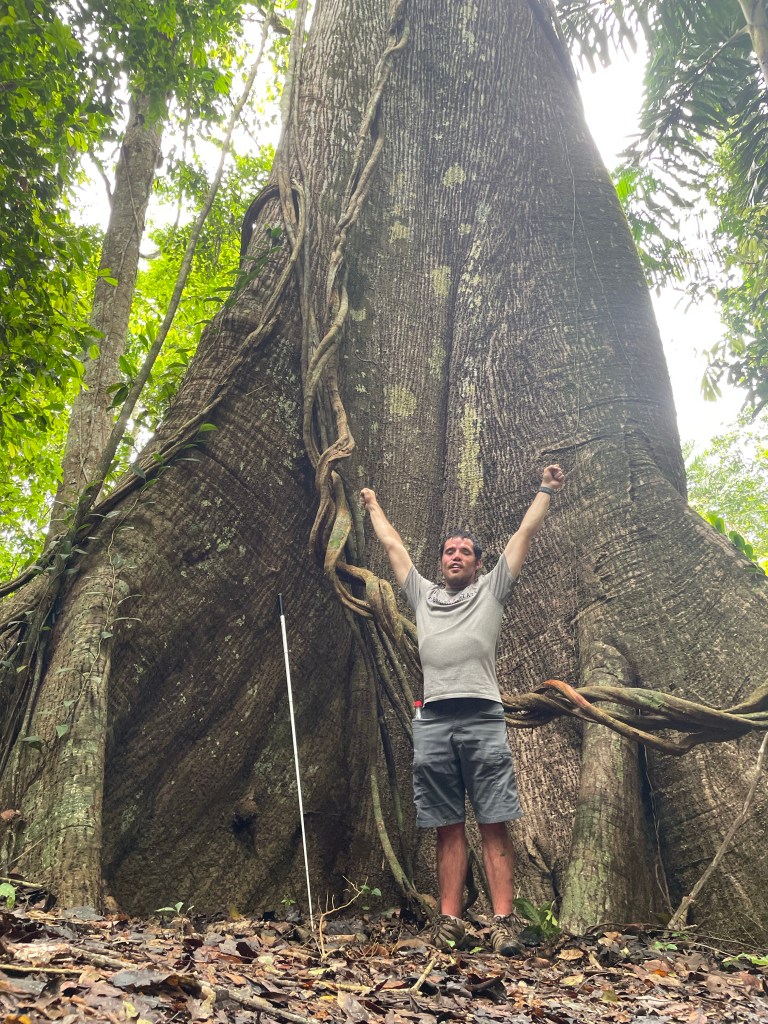
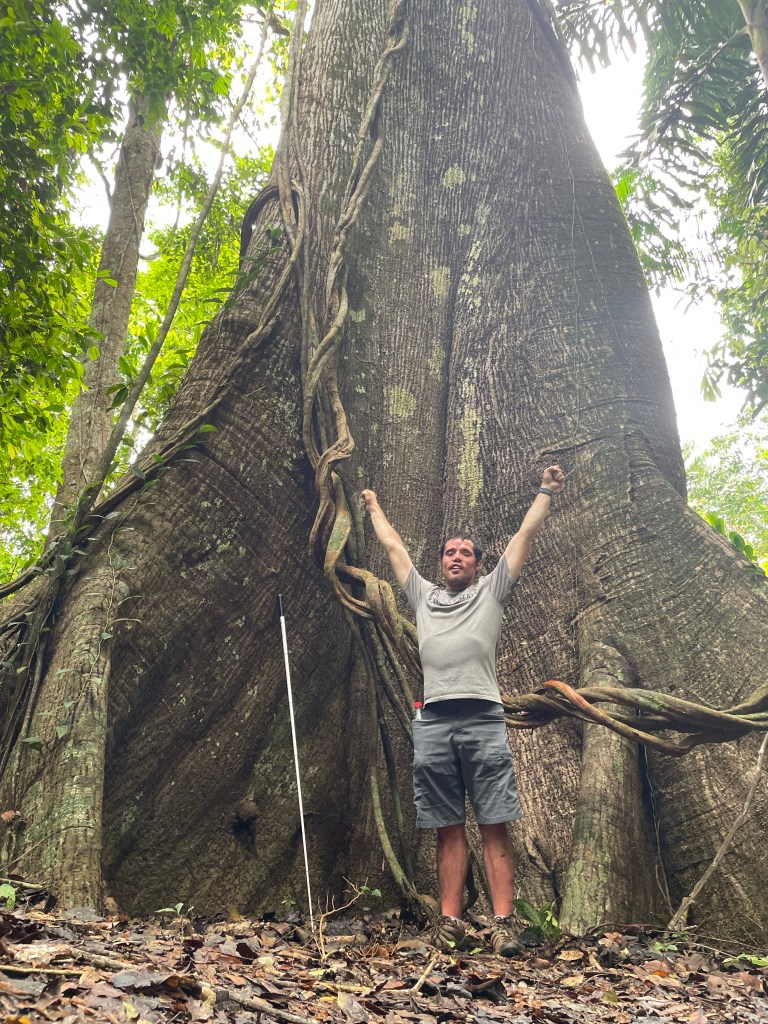
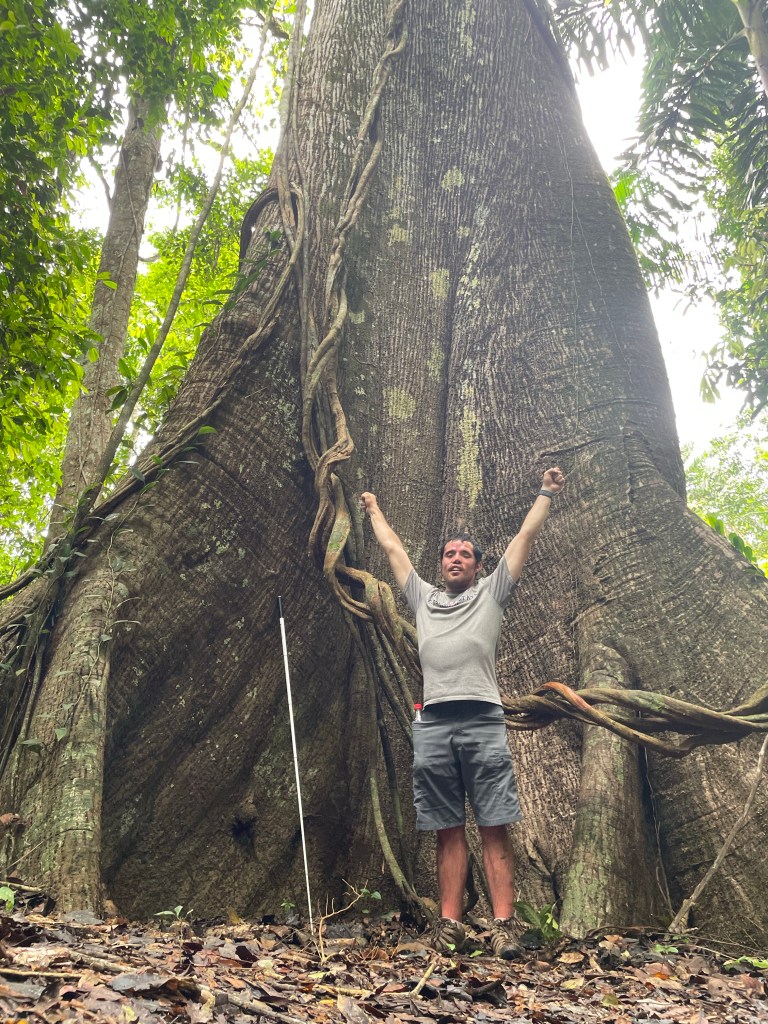
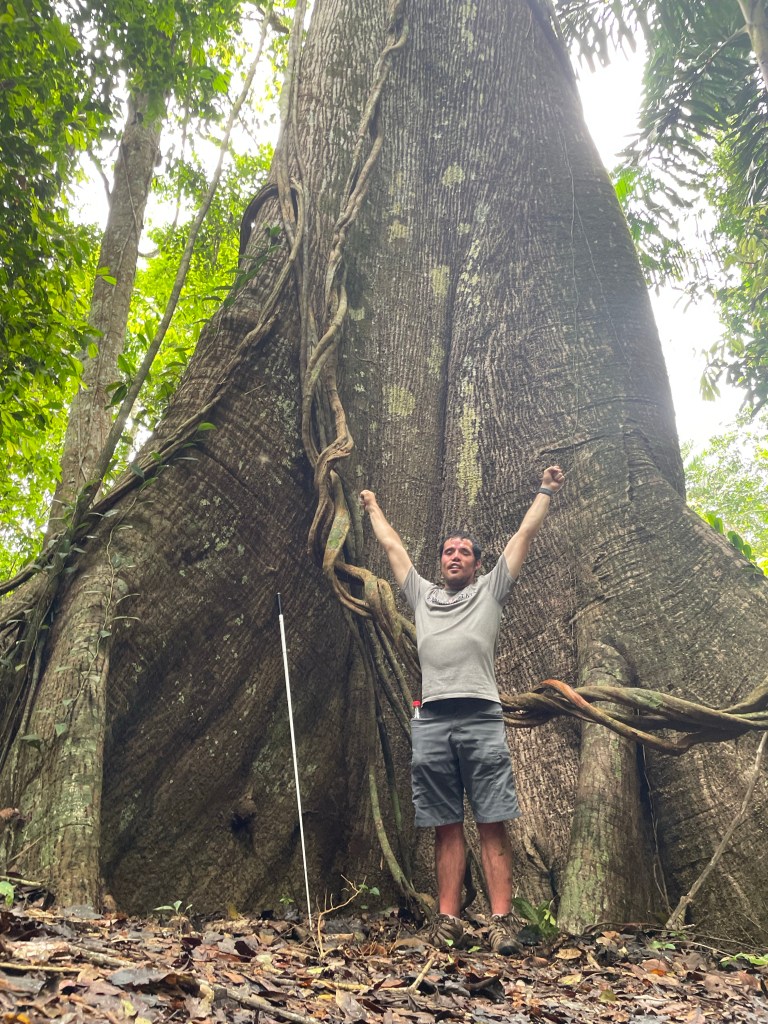
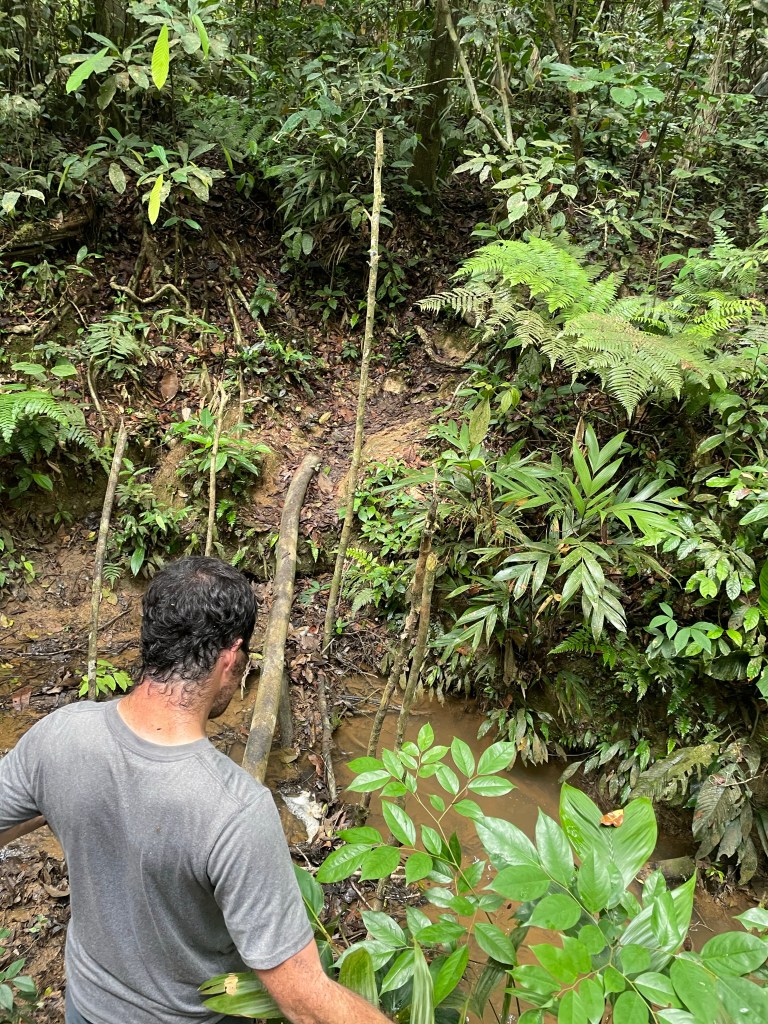
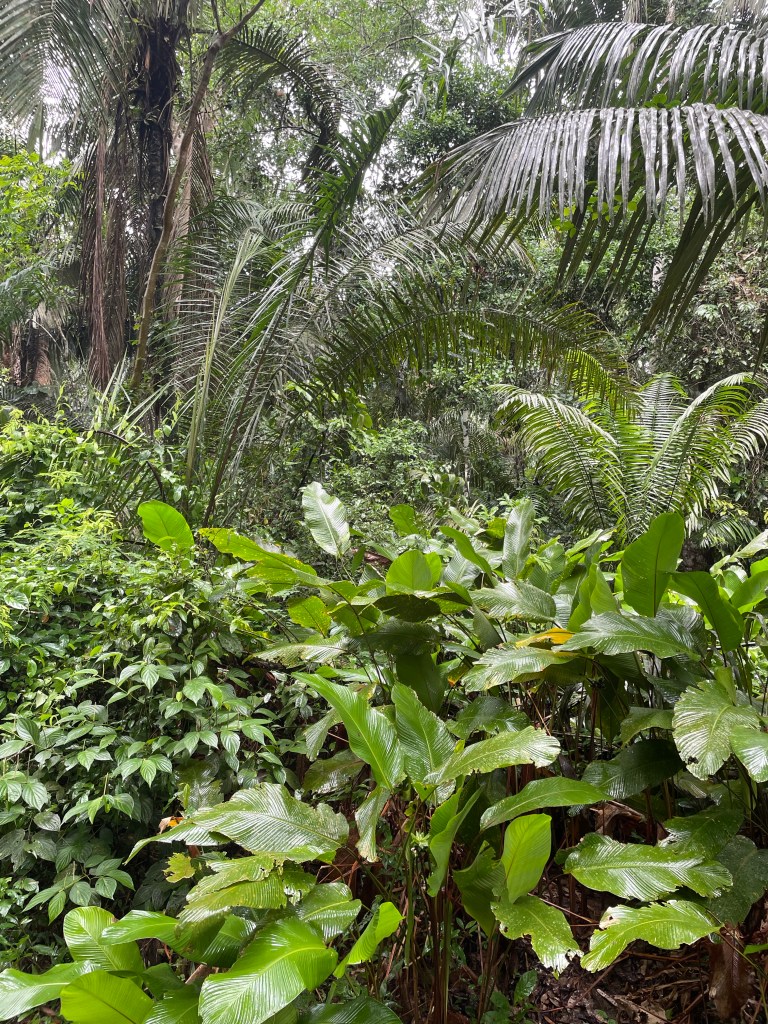
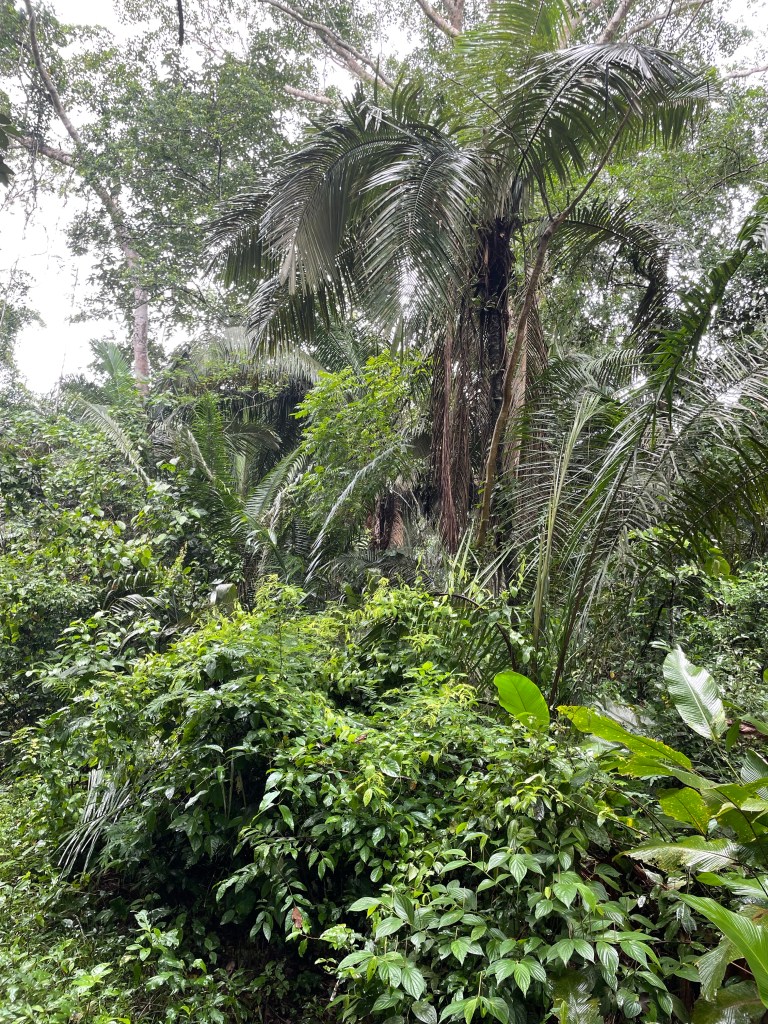
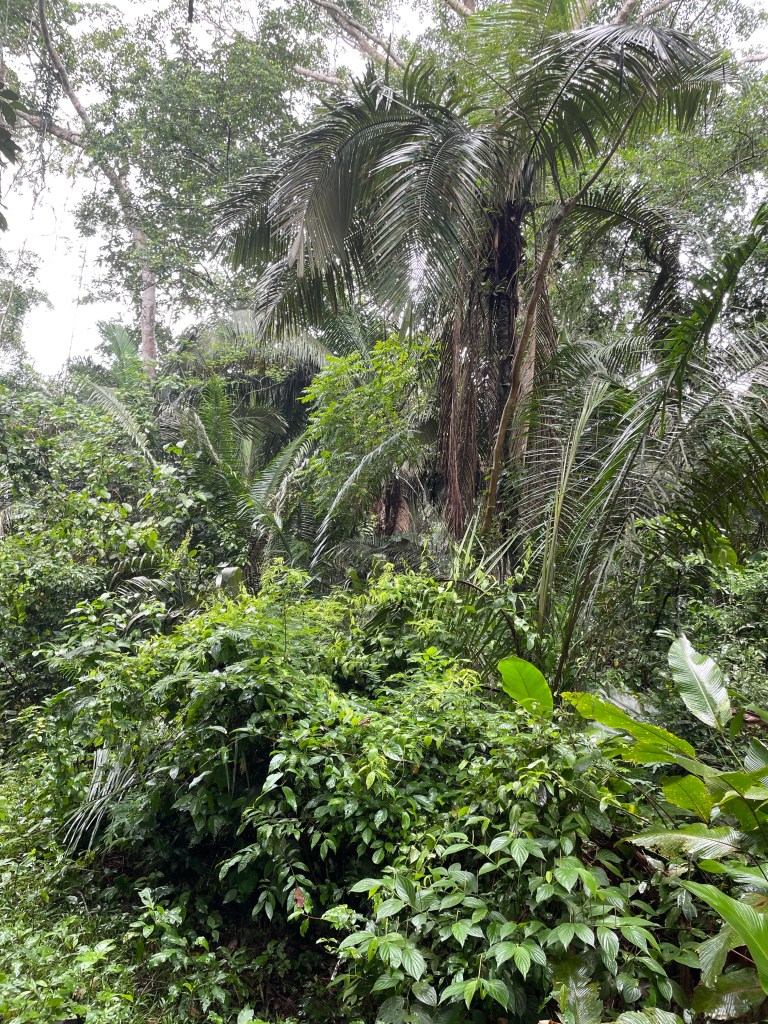
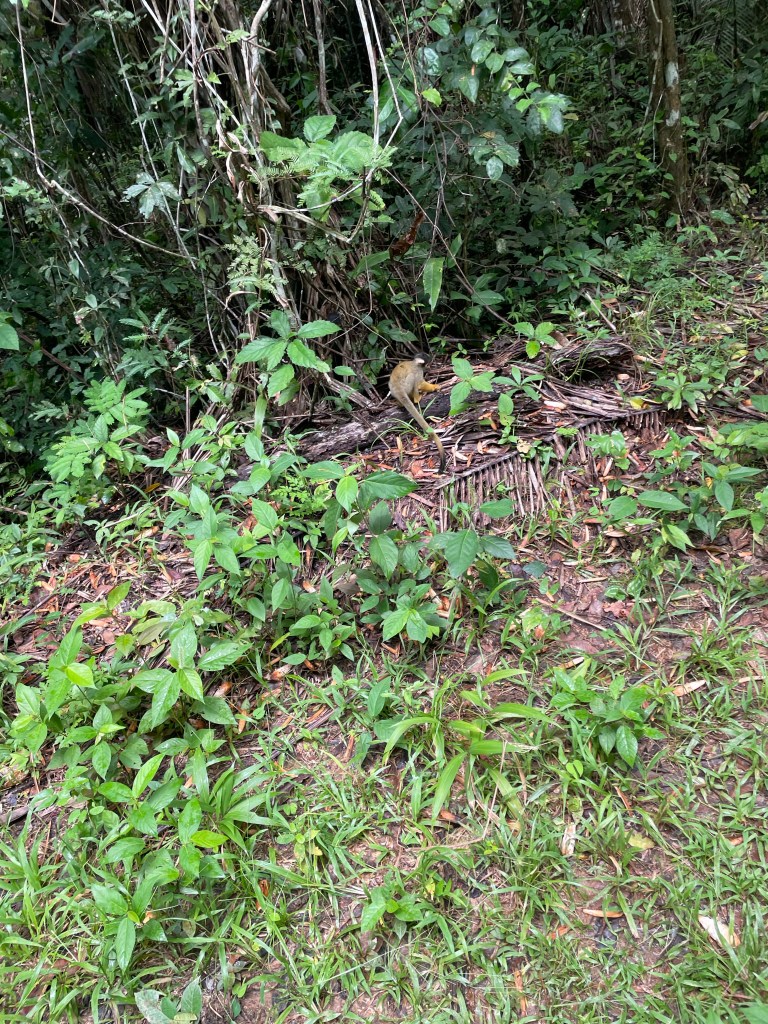
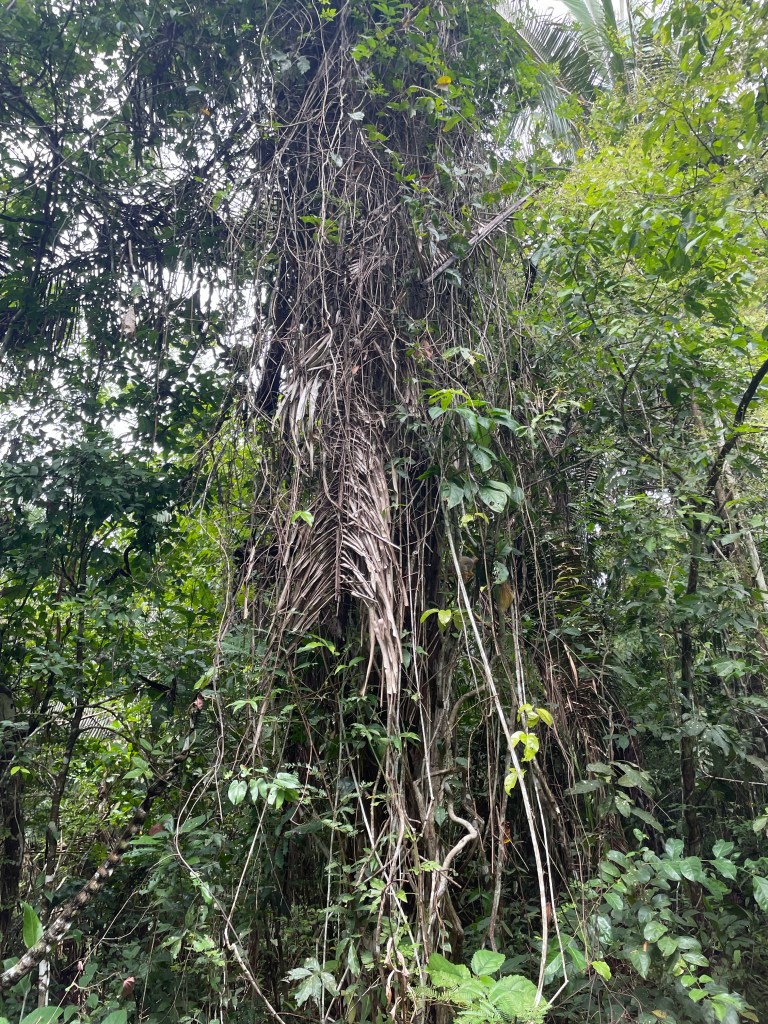
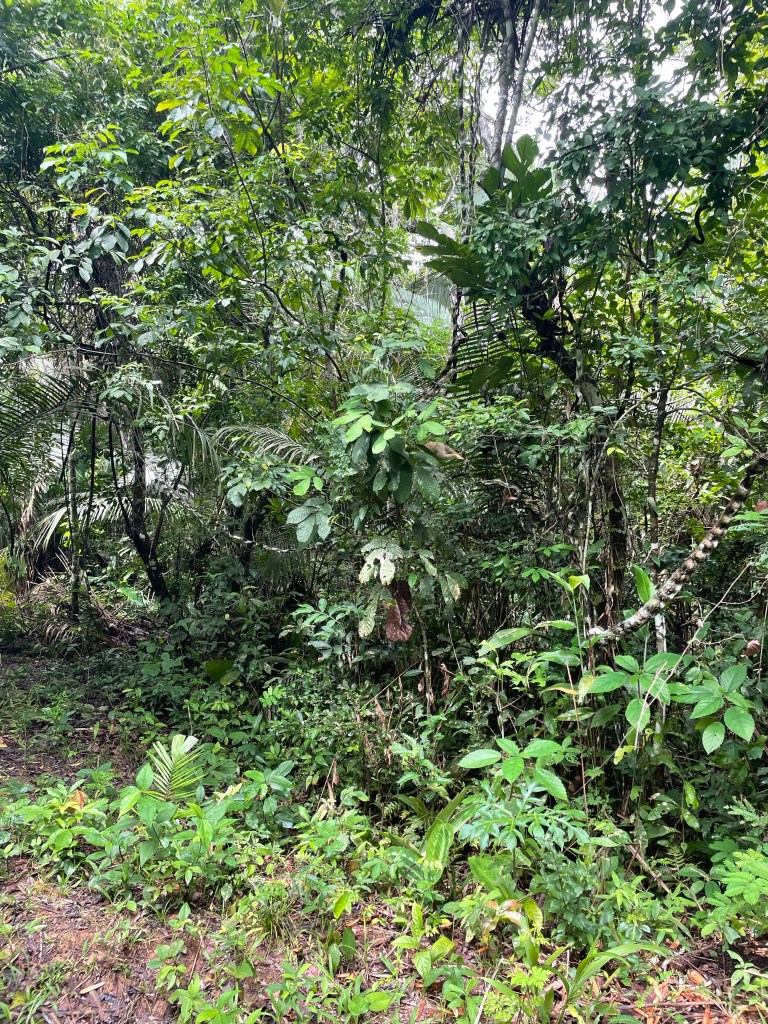
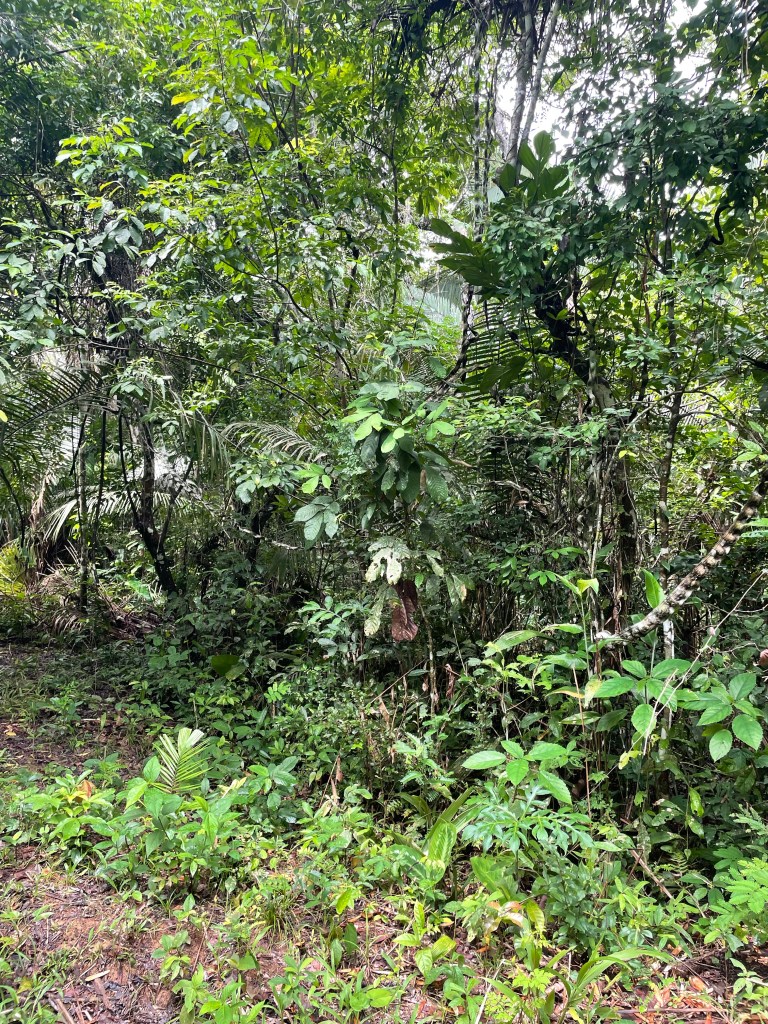
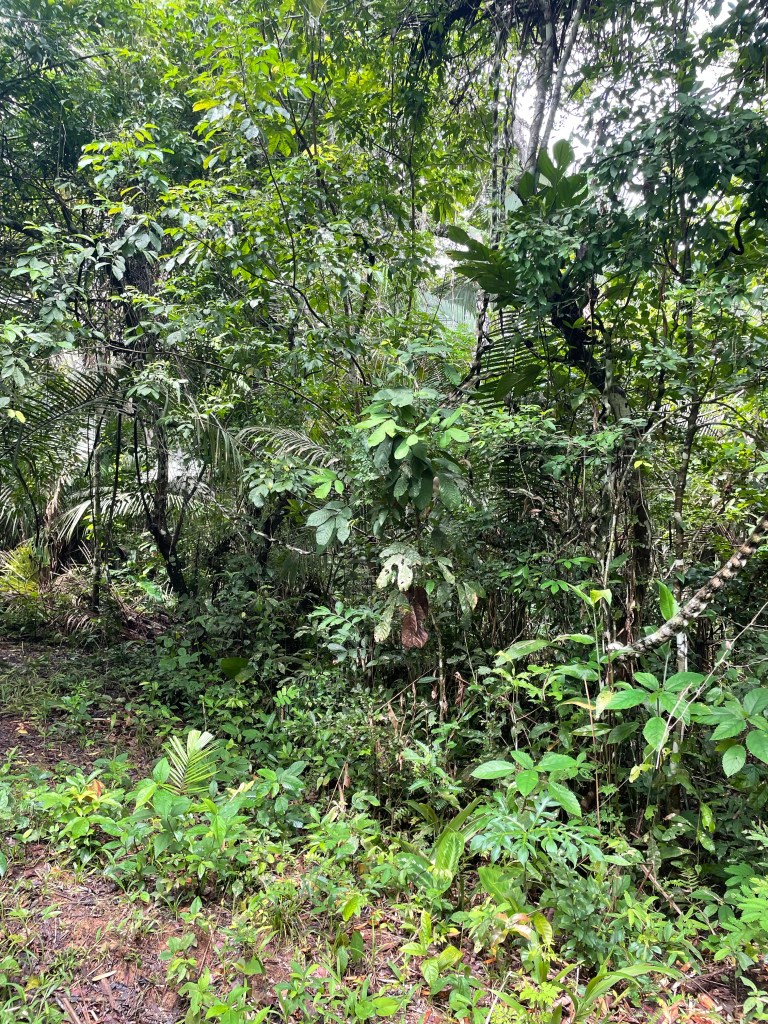
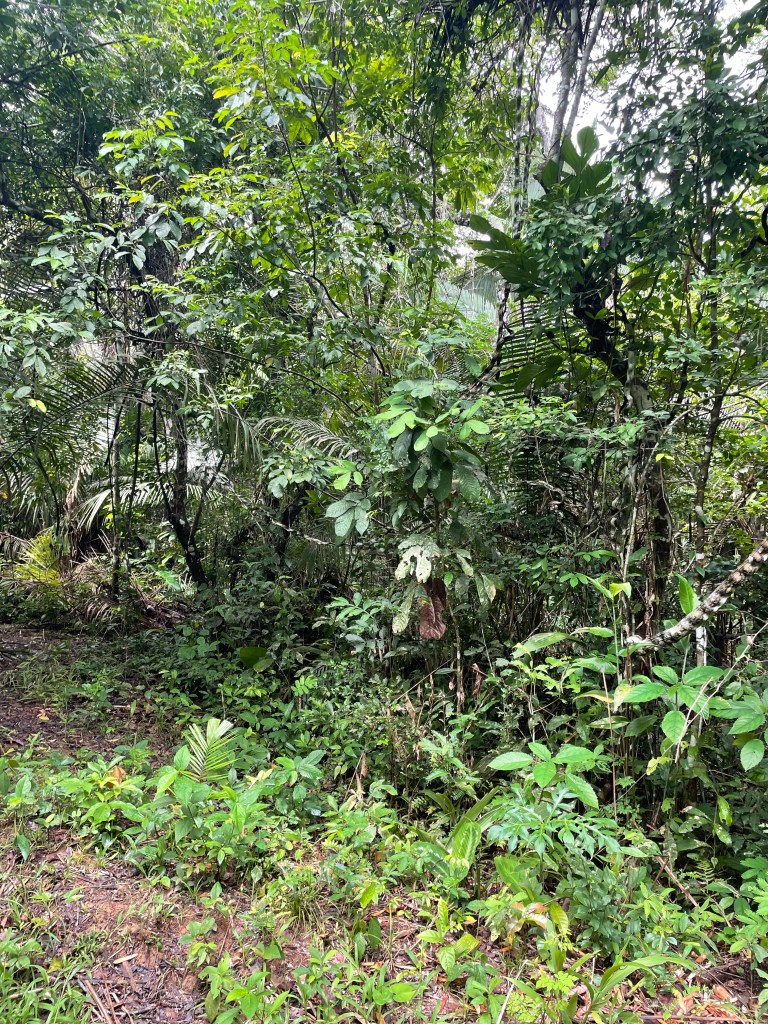
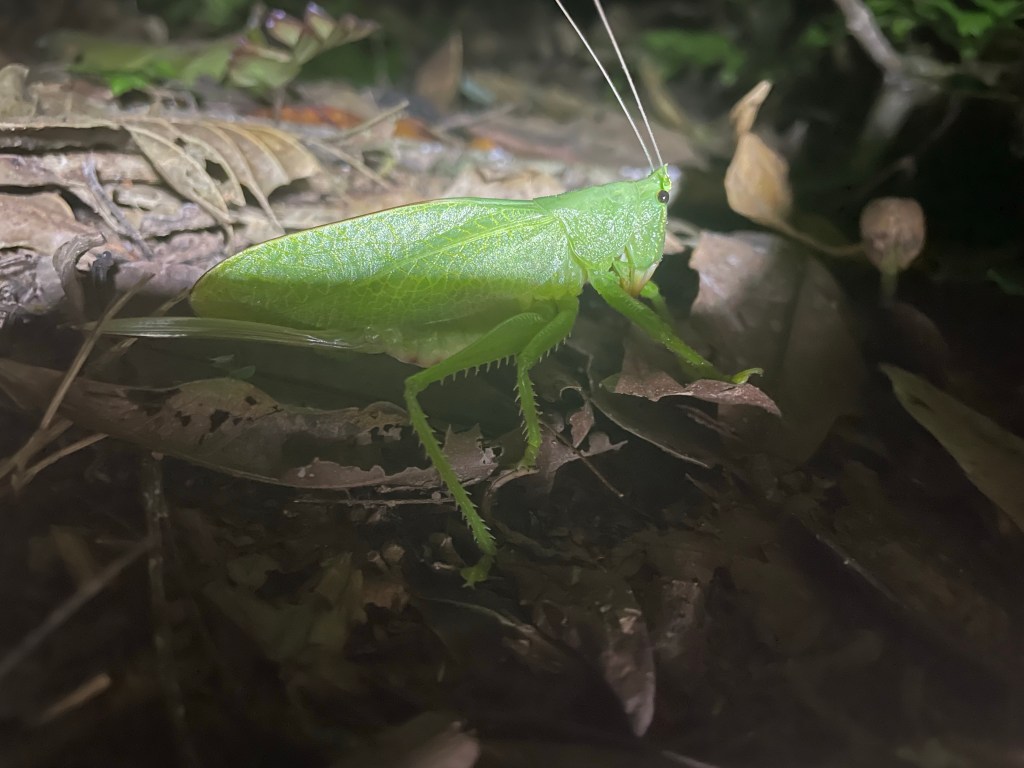
The Peruvian jungle … where to begin? This incredible, mysterious, magical place is a place I’ve yearned to go to for so long. The air is wonderfully hot, sticky with humidity, and thick in its consistency as well as with the sheer amount of life! In this world, cold is an import, not a native commodity, and I love that! I seriously want to spend some part of my life in such a place. An enclosure of vast unknown. A delightful, dripping tangle that never ceases to amaze! If you need a remedy for this or that, it’s ALL here! The smell was … how else can I describe it … green. I’ve heard some accounts of the smell being rotten on account of the nutrient-poor soil that is shielded from the sun by a thick canopy, but this was not the case at all; it smelled all green. Just imagine what green in nature smells like for you–you can’t go wrong. Then expand that smell and intensify it by two times or maybe five times or maybe even ten times. All in all, the Amazon is so beautiful, and what I can’t share with words I’ll share with the most pictures I’ll probably ever take anywhere in Peru. In addition, when they say that the wildlife in the water and on the ground and in the trees and in the air creates a symphony, they aren’t exaggerating. The cicadas are the main melody, and then the hundreds, if not thousands, of other animals add in their parts. It is especially noisy at night. Ever since coming back, I’ve realized how much we humans dominate the environment with our noises and lights and a multitude of other things, as opposed to the rain forest near the Tambopata and Madre de Dios rivers, which was dominated almost exclusively by nature.

Getting there was more of a hassle than it needed to be. With few exceptions, punctuality down here isn’t as bi a deal as in the United States, which left me unprepared for the no-nonsense, by-the-clock way that the bus company I took ran things. As a result, I missed my original trip down and had to arrange for another one the next evening. I showed up on time for that one, and everything else went smoothly.

After I checked in to my hostel, I changed into more appropriate clothes for the hot, sticky stuffiness that now pervaded and, a little later on, went out to eat. This city is the fastest Peruvian city I’ve yet been to. People haul butt, most commonly in motorcycles, and the taxis down here are like go-carts, except significantly faster. On one occasion I rode on a motorcycle for a taxi. When I was told to get on, I was rather confused at first until the guy told me that yes, his taxi was a motorcycle. Because motorcycles are the most common means of transport down here, it wasn’t unusual to find them parked alongside and sometimes on the sidewalks. The food down here is great! Just take some elements of food from the Peruvian highlands–potatoes, rice, and eggs, for example–and put it in a banana leaf, or add some fried plantains to it, or add some spicy sauce to it, or a variety of delicious juices taken from fruits that grow in the selva, and there you have it. In a lot of places I’ve been to throughout Peru, the spiciest thing that Peruvians eat is ceviche, and while it is spicy, it’s nowhere near the infernos I’ve eaten with delight, so on one or two occasions when I was eating with others who are accustomed to the relatively low standard of spiciness for Peru and I took and poured this much hotter sauce all over my food, they were astonished, and even more so when I didn’t supplement it with anything to calm the fire. Maybe it’s because we share spicy things with Mexico. As far as spice, Peruvians in the Amazon know what’s up.

After lunch, I went and walked around the city. I looked up a lookout over the Tambopata River on Google Maps and found the vicinity, but I don’t ever think I found the lookout itself. In any case, Puerto Maldonado is my second favorite city to explore, after Cuzco. On the way to dinner later on, I encountered my least favorite thing about walking through it: There was one street whose sidewalk, if it had one at all, along with the side of the road, was completely taken up by vendors. Furthermore there were motorcycles parked near the vendors, so this left me little room to walk alongside the swiftly flowing traffic; thus I stopped frequently as an added precaution. I bring this up, though, because it was an obstacle that I figured out how to deal with in the moment, something I’ve gotten good at down here, and to me it’s another win: Some people would insist that I stick to clean, orderly urban blocks where everything is well-defined and clutter is minimal at the most. But I proved to myself yet again that I can solve unique problems and negotiate sometimes appalling messes as safely and successfully as anyone else. After how hard I’ve worked to adapt and how hard I’ve worked to get to Peru, to have such a realization is a big deal. Now to apply the same level of creativity and ready enjoyment to things like my internship … I’ll get to that later.

So anyway, my excursions throughout the city were quite fun, from eating lunch and watching a guitarist, a flute player, and a singer provide live entertainment to walking to the outskirts of town to riding in different vehicles. Promptly after settling into my room, I had gone and booked a three-day, two-night tour in a piece of virgin jungle near the Tambopata River. While it was incredible–no exaggeration!–afterwards I talked to others who had been there and whom I had told I was going there, and I wished I had prepared more. They asked me things like, “Did you visit a native community?” or, “Did you go to Monkey Island?” I had seen monkeys, but I never got to visit any American Indians from the selva.

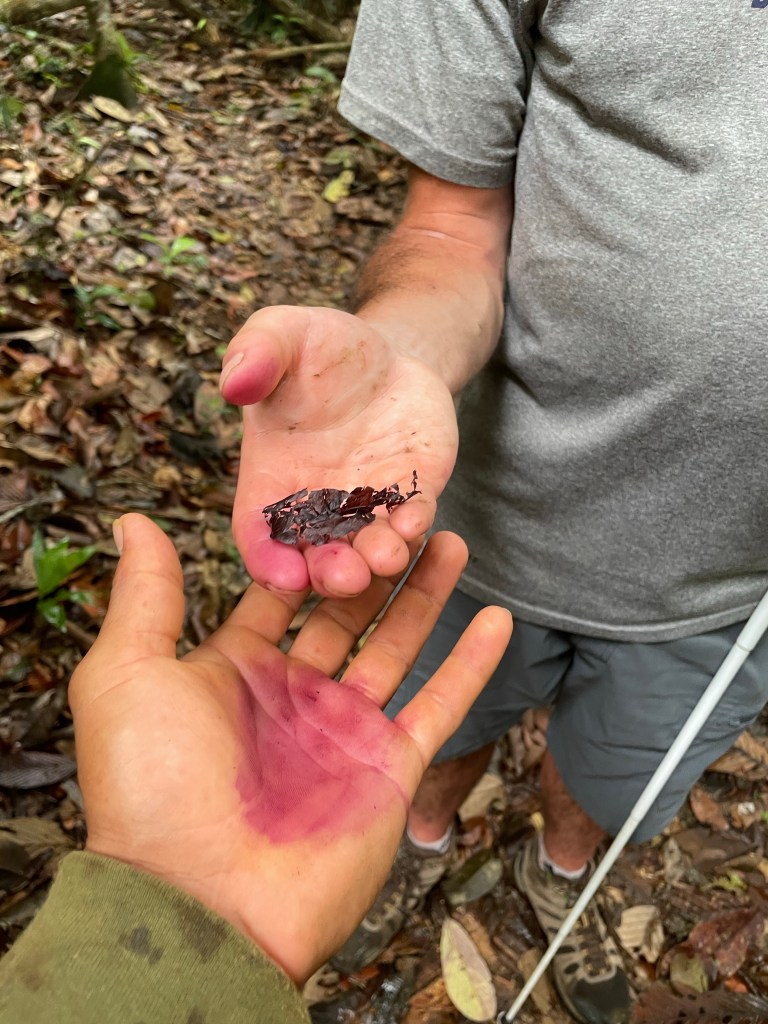
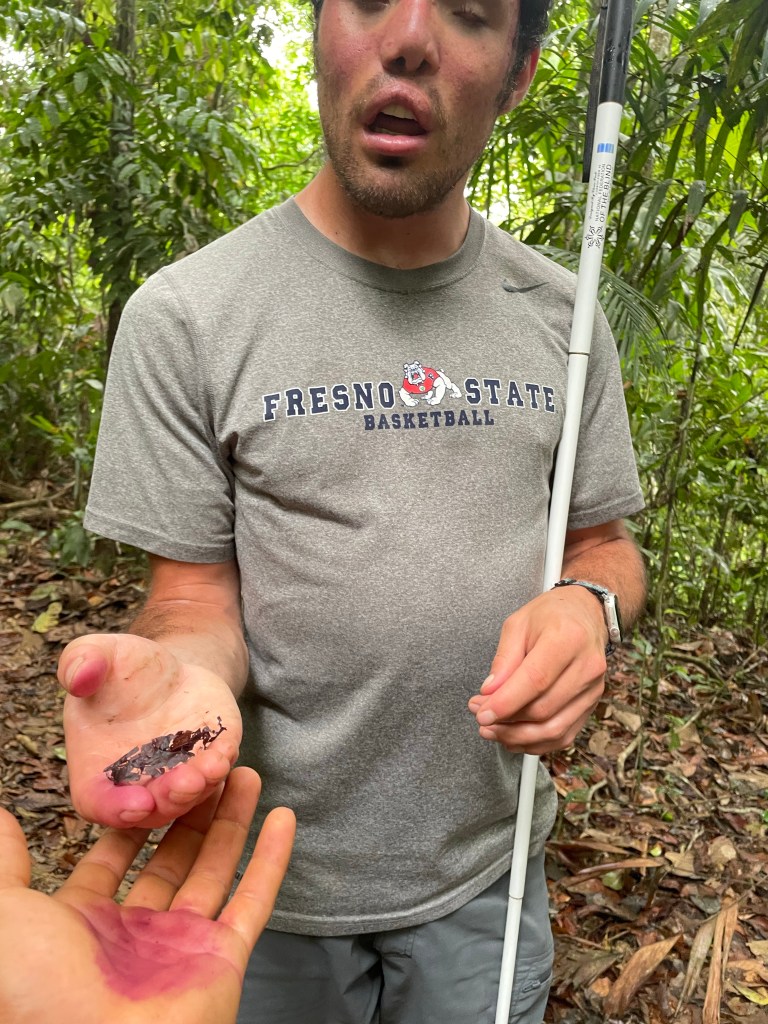
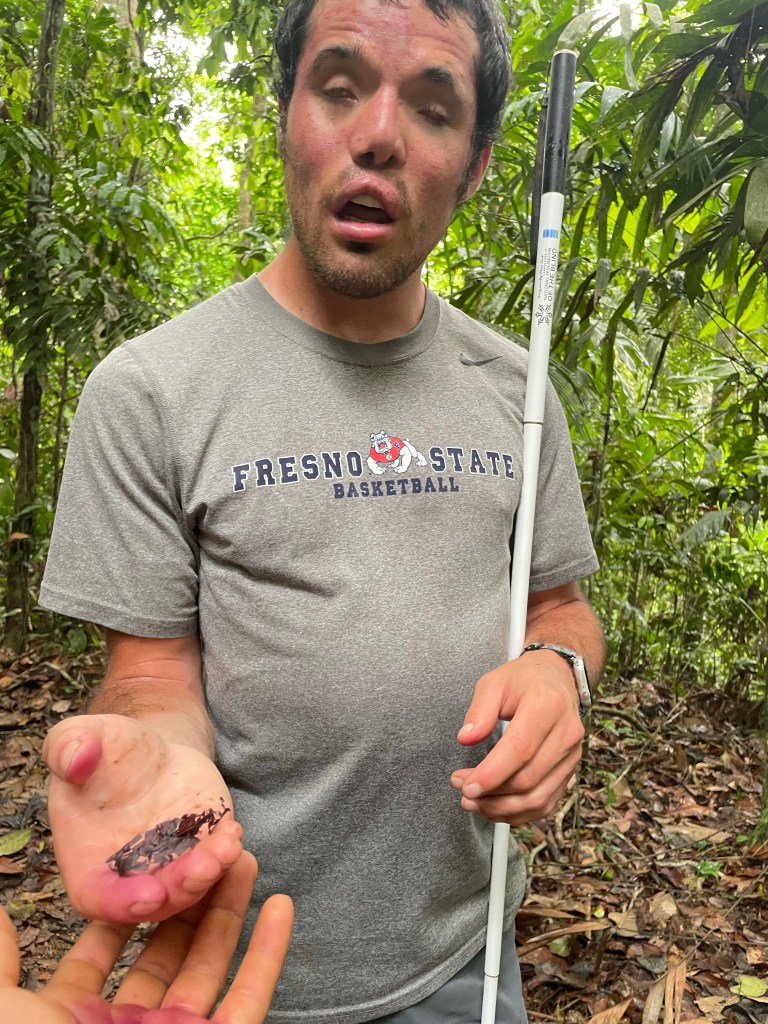
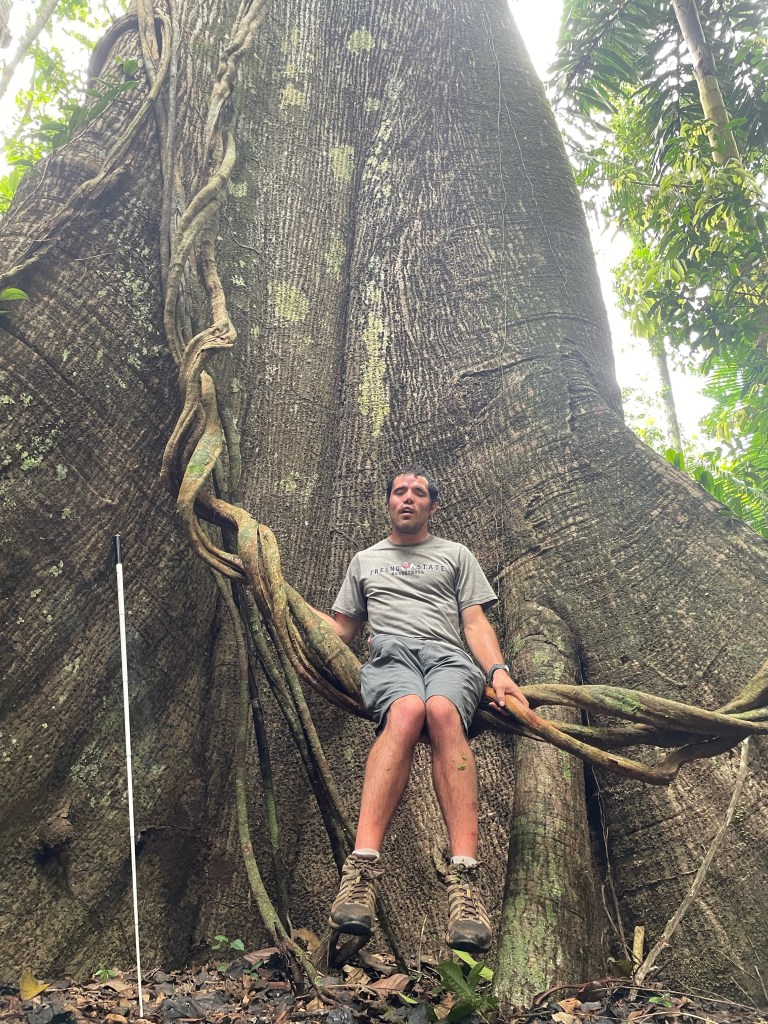
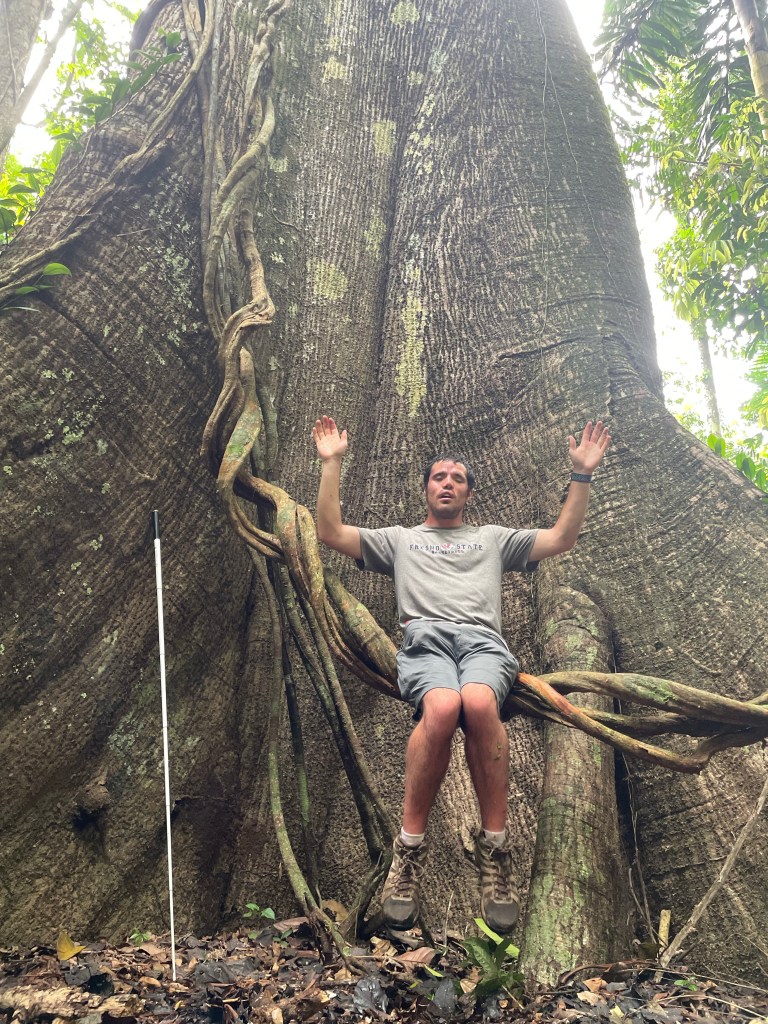
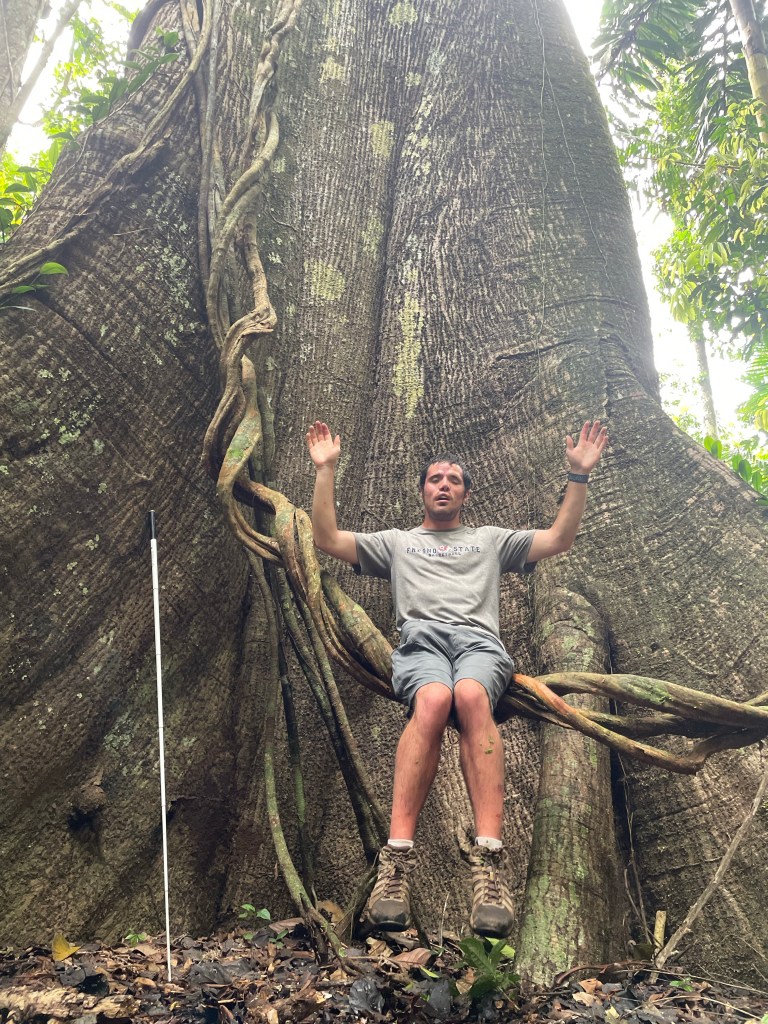
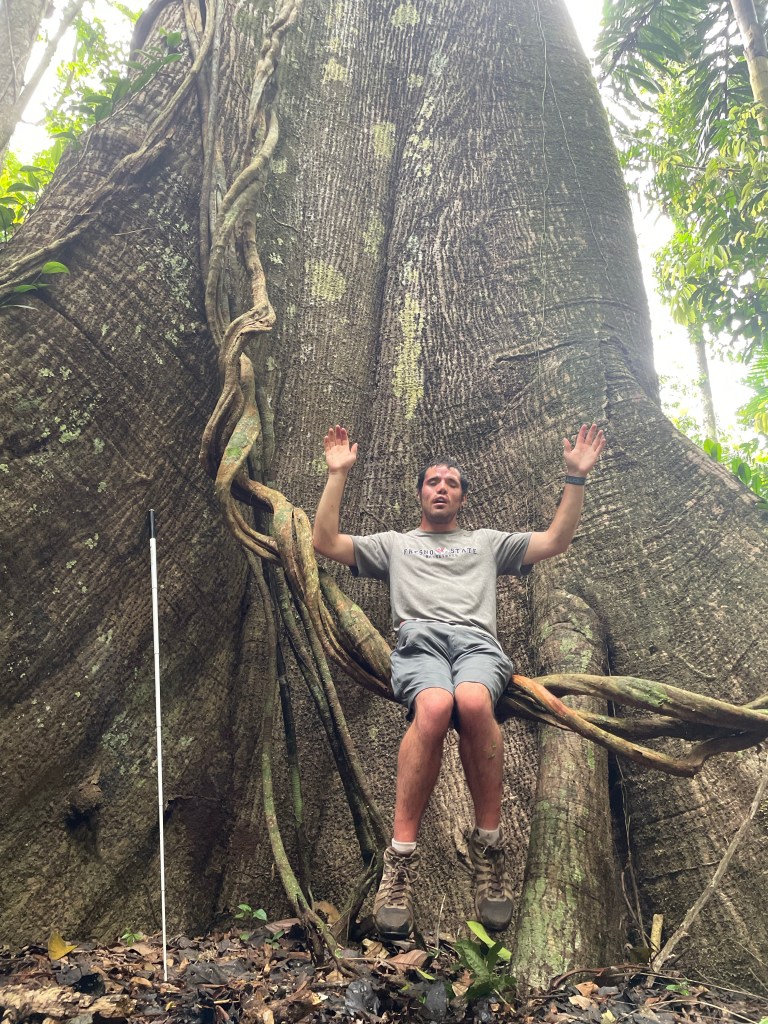
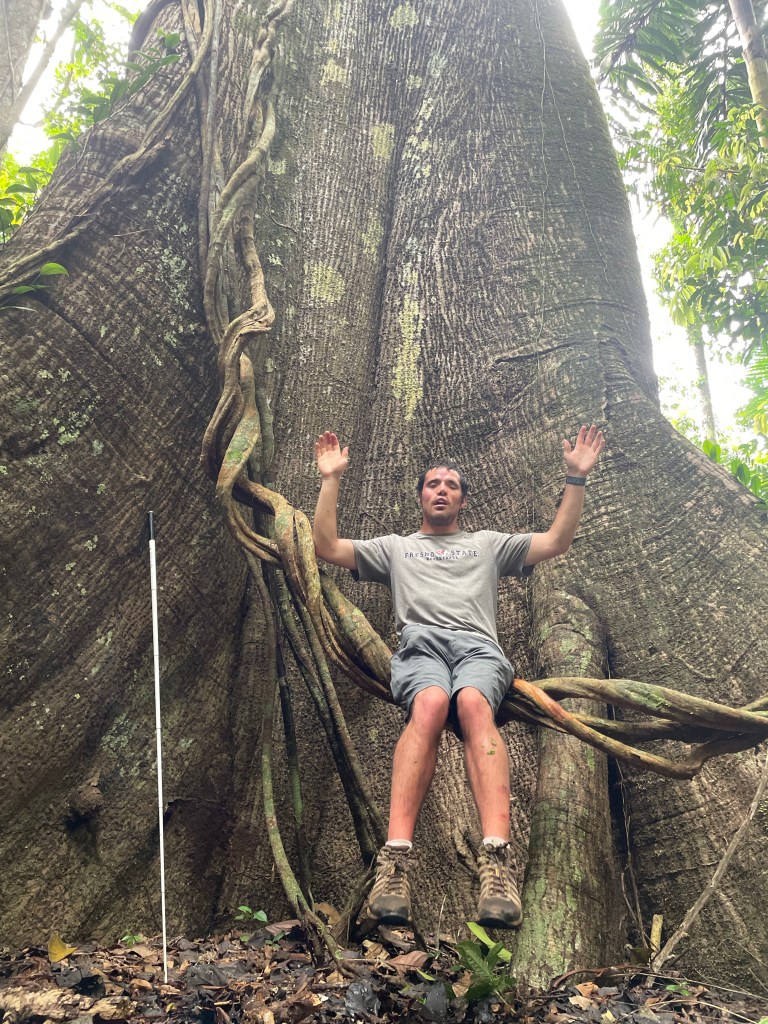
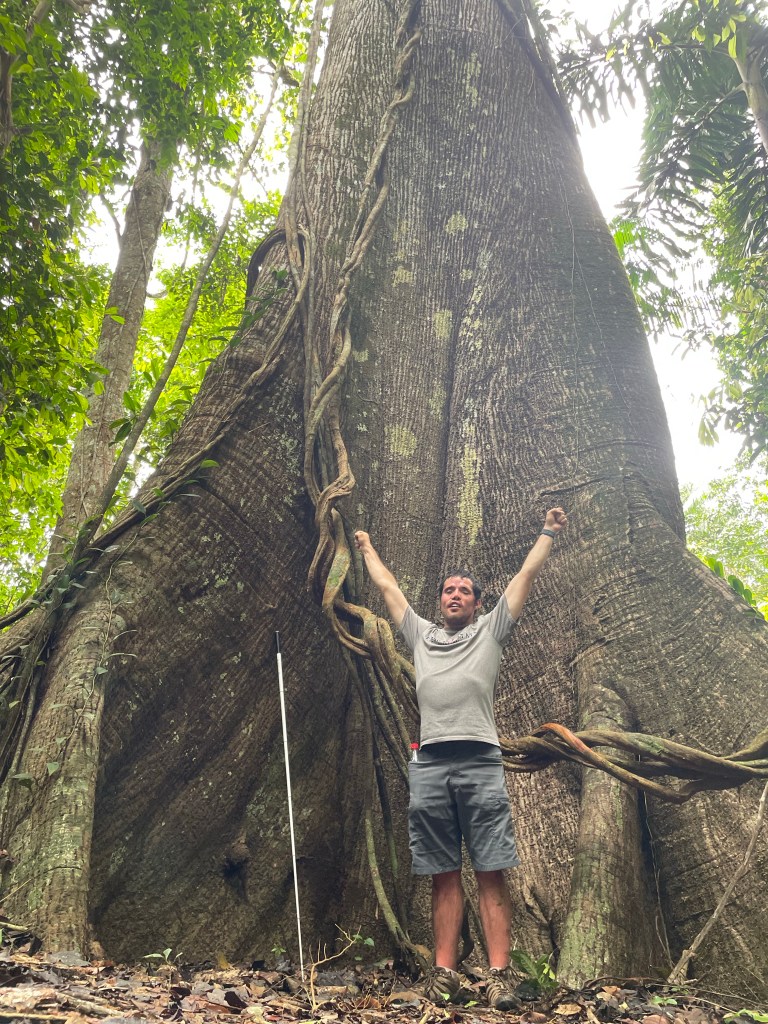
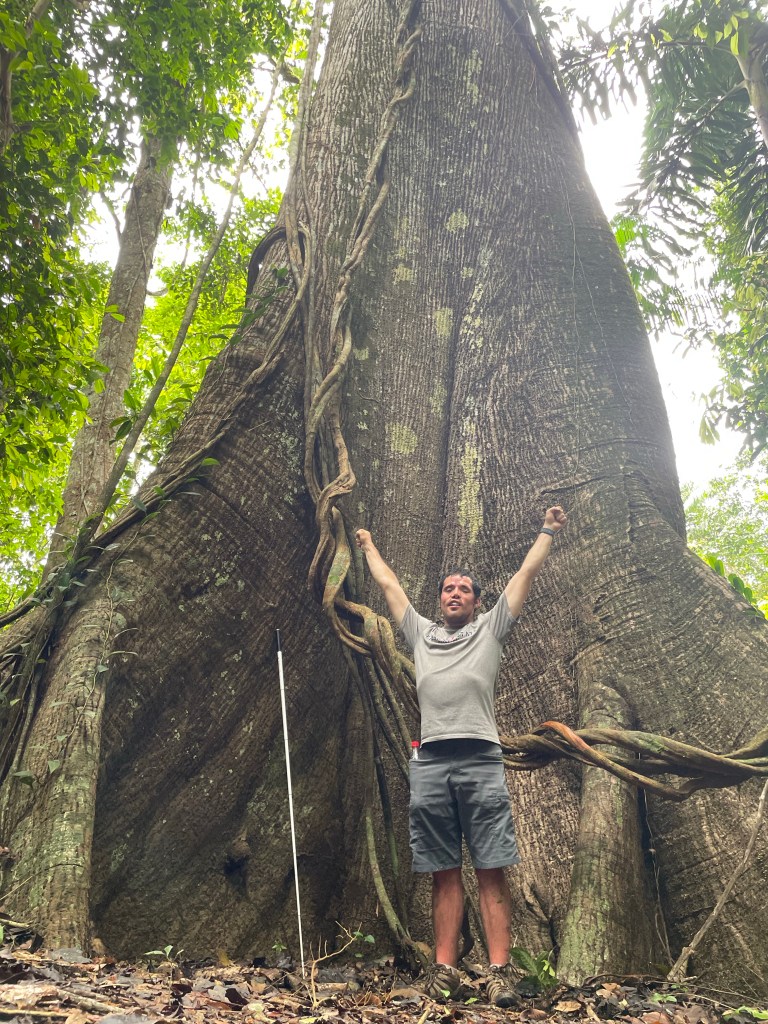
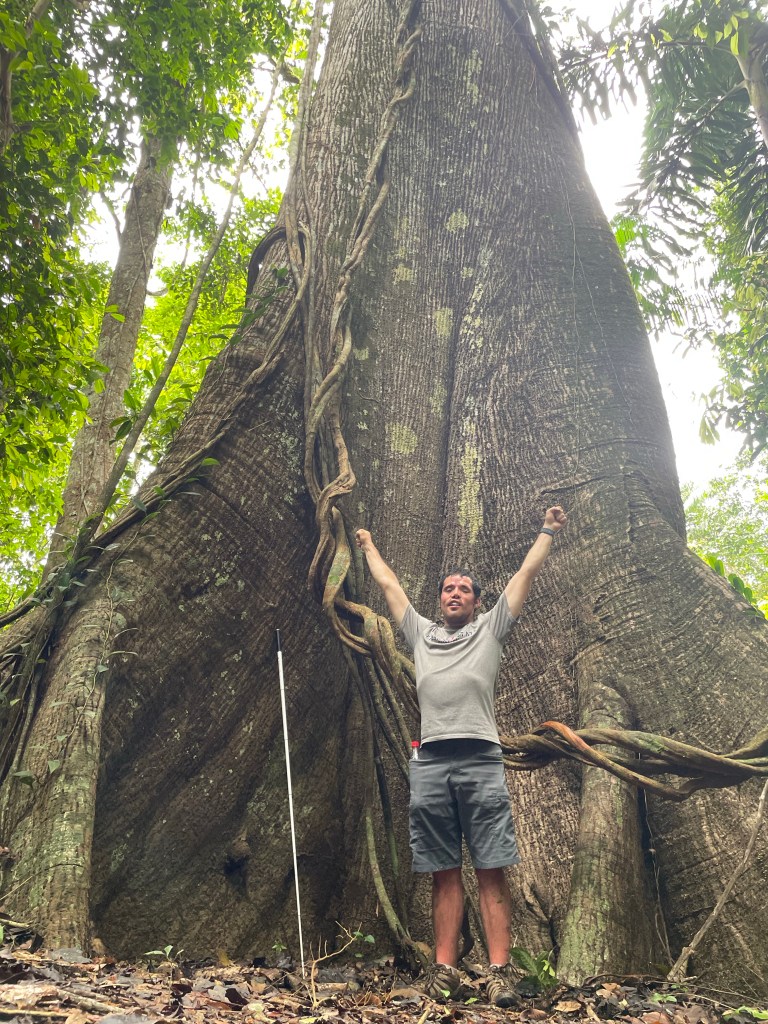
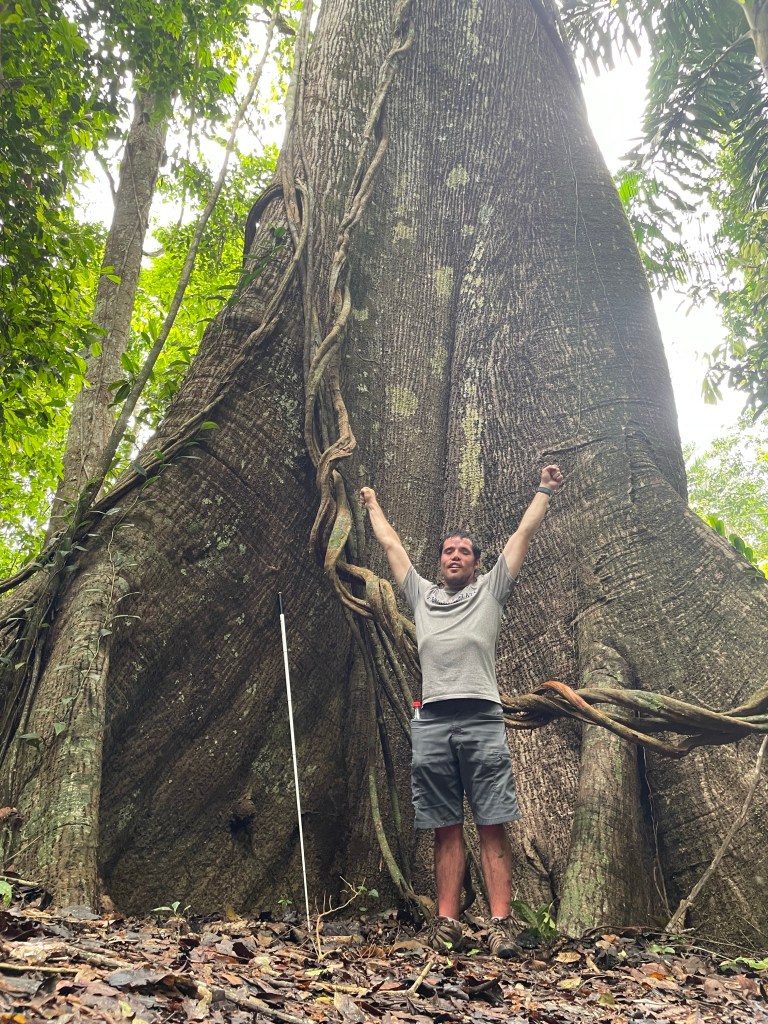
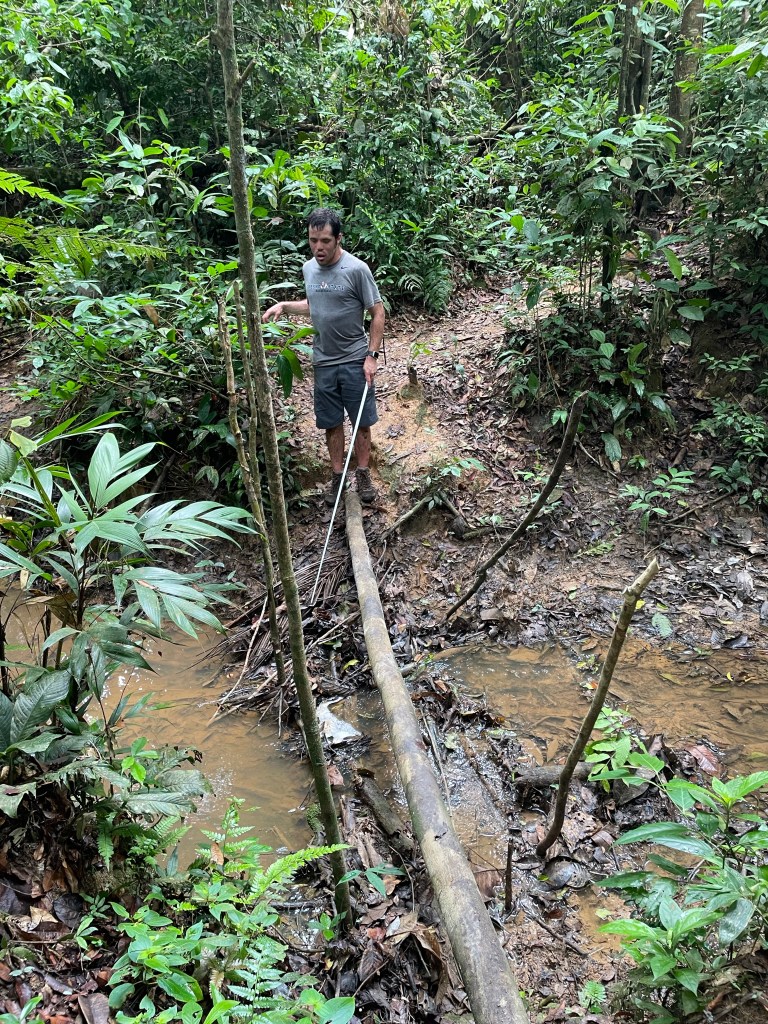
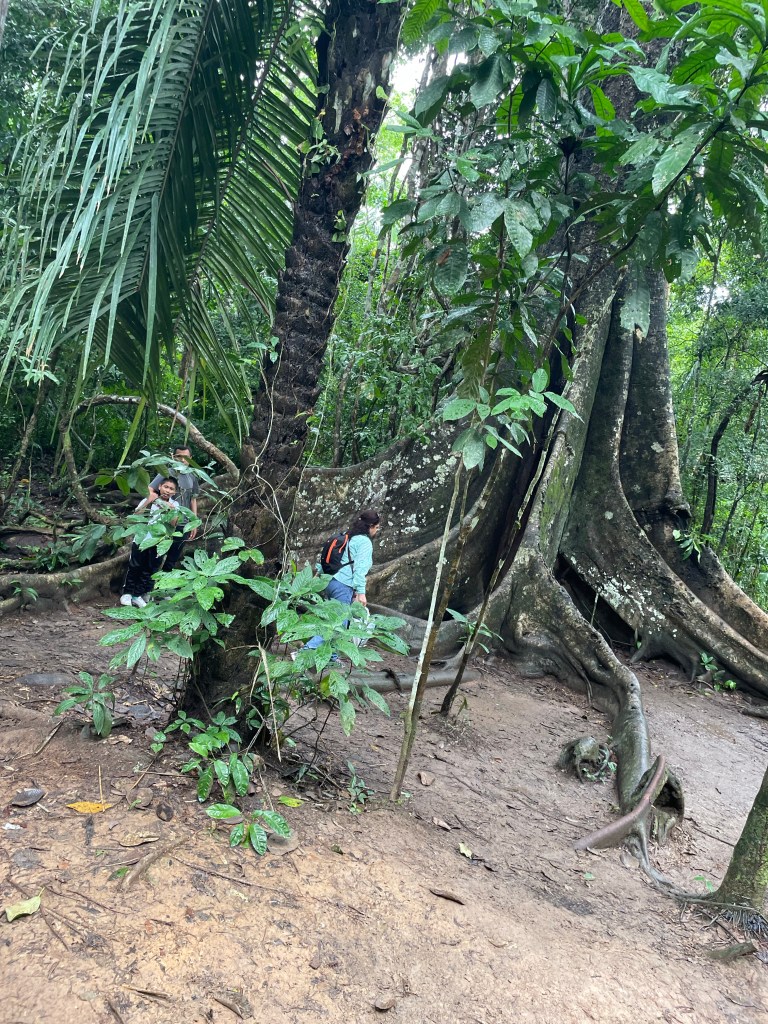
As far as the tour, I was picked up the next morning, along with a couple from Spain, a guy from Scotland, and two people from Israel. We were taken for a half-hour drive to the banks of the Tambopata River and loaded into a boat. After a short boat ride down the river, we arrived at our lodge, which was luxurious! Before climbing to the deck, which was complete with kitchen, bar, pool, and bathroom, we took our shoes off. The food was great, as always–food typical to this region, variations of rice, meat, plantains, sometimes beans, and sometimes other vegetables, and juices of various kinds of fruit from the surrounding rain forest. After our first meal there, the personal guide they had hired for me took me into the jungle for about four hours and told me about probably a hundred different types of birds, other animals, trees, and plants, some of which stung as if they were bees with their minuscule spines. The jungle is very green, it is true, but it is also so colorful, from what he told me. The trees here are massive, some of them hundreds of meters tall! The roots are no joke. Where I grew up, they were skinny little things that you could step on or over with little thought. Here they are thick, long, and in some cases half my height. The vines here are thick, long, and ropey, and the leaves aren’t leaves you would sweep up with a rake come autumn–they are also large, and from the sound of them as you walk by, they could very well be paper constructions put there to make you think you were in the jungle. At one point during our time in this paradise, the guide showed me this tree, and I wanted to climb it because it felt in every way like a rock wall. In Puerto Maldonado itself, it was definitely humid–I felt like I was back in Louisiana or Florida–but out here, I could hardly stop sweating. It was perfect!

When we went out on kayaks on Sunday afternoon to go fishing and swimming in the river, the water, while not as warm as bath water, was the warmest body of water I’ve ever been in, with the exception of Flaming Gorge in August. To paddle amid huge trees and a greater variety of life in one place than I have ever seen before is something I’ve seriously wanted to do since childhood–and then to swim through it! This was one of the kinds of scenes that came to mind whenever I thought of South America, and now I was living it, while speaking Spanish almost exclusively! Down here, cumbia and other such music is some of the most delicious aspects of tropical America I’ve heard–and then there’s the rain forest itself that manages to rival all that!

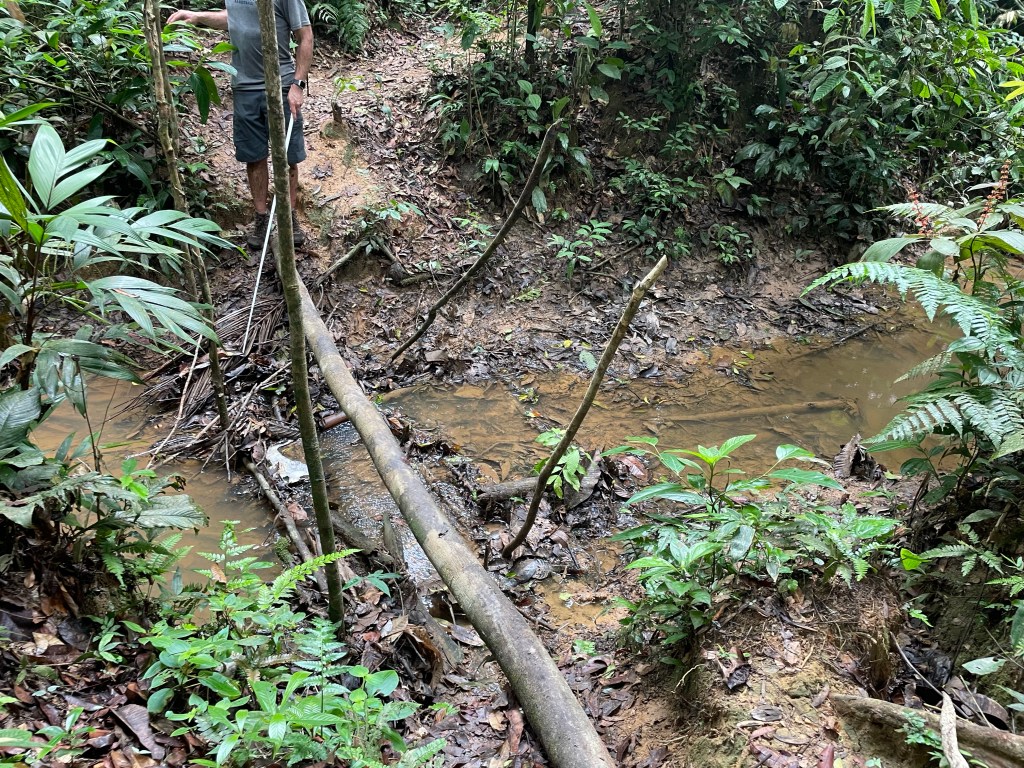
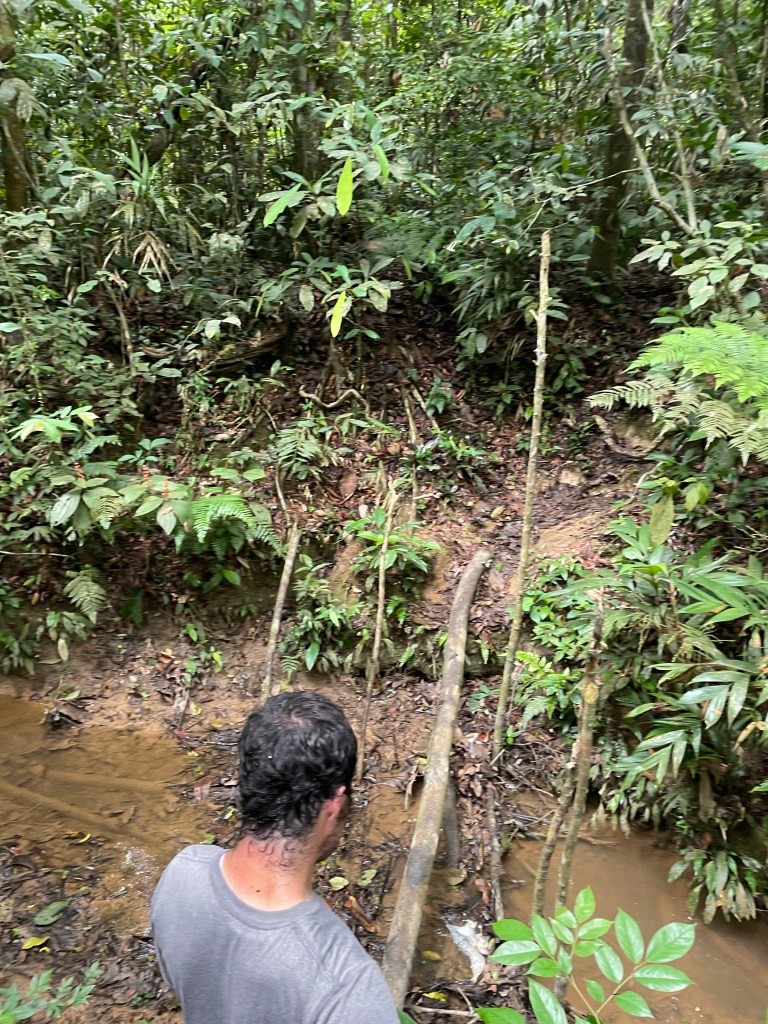
Monday was our last day here. After breakfast, after I had to strongly insist to my guide and the other person that I in fact could and should be a part of the group and not off on my own with the private guide, we set off on a sweaty, sticky, wet, tangled, wonderful hike. As much as I appreciated my guide’s elaborate explanation of what was around us, I also just wanted to be in it, and so I managed to a great degree to block out people around me and just bask in everything I could hear and smell and see and feel–the sunlight filtering through the canopy, sometimes no light at all, and even the bugs (I had started out virtually untouchable this morning by virtue of my repellent, but by the afternoon that was no more). For those who know me, you know that hiking is one of my favorite things to do, and some of you, if you are reading this,  will remember going on hikes as a group of us once a month on weekends throughout this past summer (we met weekly during the evenings throughout the fall and spring semesters). You might be thinking, as some people have commented to me, “Man, I wish I were there.” As we hiked around deep in this beautiful, exotic world, I started to think about the things I miss about home, because the end is close, and to be honest, I miss being able to share experiences with familiar people more than anything else. It’s cool to pick up acquaintances on the fly, but seriously, I thought about how much I wished I were sharing this with people with whom I’ve done things like this on a regular basis, where I don’t have to explain myself from scratch every single time, where we can just be ourselves. So, to flip the switch, in that fanciful moment I dearly wished you were there, all logistics satisfied.

Okay, there’s my sentimental tangent.

While out here in the selva pura, I really enjoyed having Luis as my personal guide, but in all the tours I’ve been on in the mountains and in the jungle, there’s this thing that tour guides do that I really don’t like: When we go out to eat, for example, they’ll separate us into their groups, and we’ll eat together only in our groups. I wanted to meet people! I finally managed to help Luis understand that I needed space, and thus I was able to make friends with the Israelis and two women from Lima. This latter friendship resulted in a day following our Tambopata adventure on the Madre de Dios and Lago Sandoval, followed by an evening in the town market and a dinner of Chinese-Peruvian food–chaufa, rice, plantains, and something else, which was really good. It was on Sandoval Lake that I got as close to monkeys in their natural habitat as I’ve ever been. We watched troops of thirty to fifty of them scrambling through the trees from a boat. We weren’t allowed to swim in the lake because there were four types of pirañas.

After one of the most incredible adventures I’ve had–the only regret, after it was all said and done, was that I didn’t manage to go to a nightclub–I barely managed to get my stuff to the bus after a hurried hour and a half of packing and left this beautiful, peaceful, lively, and altogether different world behind for the more familiar one consisting of mountains, llamas, stronger sun, etc. I think this was the most rejuvenating, too, because there has been a difference in how I’ve gone about things. I’m slowly getting my foot in the door at Colibri, the after-school program. I have good days where my supervisor, Reinaldo, helps me to be an active, contributing part of his team. I have bad days when I feel like all he wants me to do is exist, and so I end up not doing what he asks–just sitting there. But I’m figuring it out. And I’m realizing that while I can meet many of my goals for my being a volunteer there, there will be other things that may not fully happen. I just hope I can be the same person in the classroom as I am outside in crazy situations that present new challenges. I hope I leave nothing undone that couldn’t have been done, because I really find fulfillment there.

More

A Fresh Start

Hey everyone. So this past week and weekend have been very rejuvenating, and not when I expected it. Things have a way of happening like that, when I need them to and not always when I want them to. In relation to that, I want to thank everyone for their support, either through comments or outside conversations we’ve had.

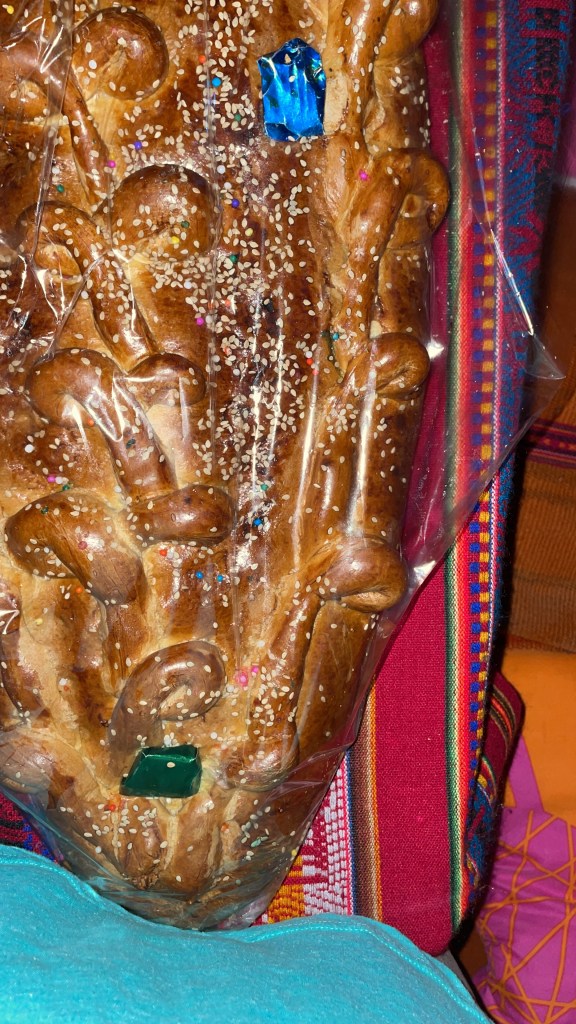
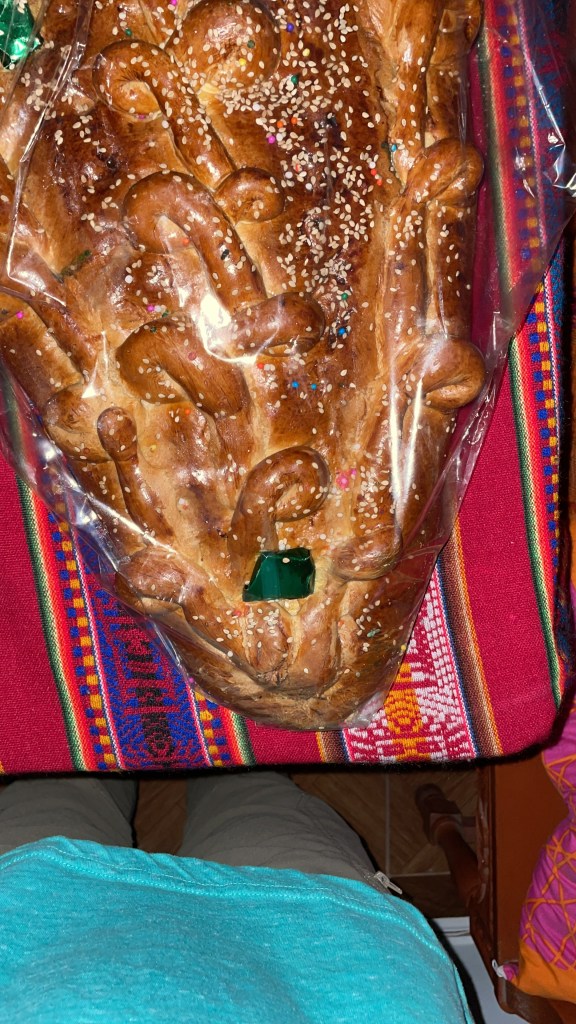
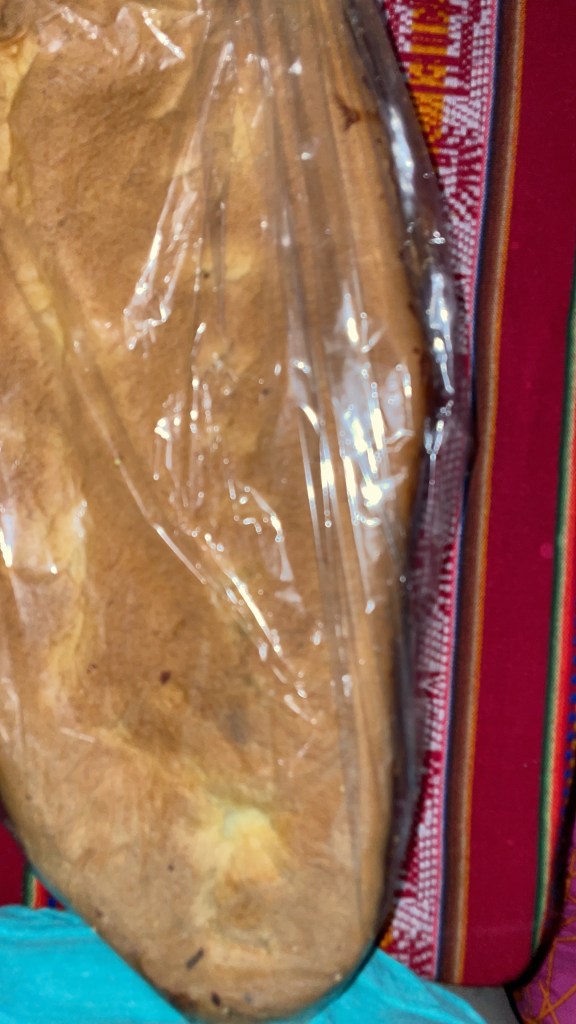
So I’ve always wanted to celebrate Day of the Dead in a Spanish-speaking country, and last week I got to do just that! On Tuesday, November 1, everyone who is taking Spanish classes at Proyecto Peru went with the Spanish professors to an older cemetery near the Plaza de San Fransisco. I enjoyed visiting the tomb of writers and artists. The tombs here aren’t like what we have in the U.S.: They are buildings with separate graves inside. That was the main thing we did for our excursion; after that we refreshed ourselves with some things that people were selling in the square and dolls made out of bread. The next day, I went twice to Mercado San Pedro, once to satisfy a fruit craving and another time to buy a bread doll. They told me it was a horse, but everyone else said it was either a doll or something else. In any case, I did not come prepared for the dilemma buying an artistic construction of bread would present: How does one eat a beautiful bread doll? Several people have told me that when they were kids, they played with their bread dolls–muñecas, or juajuas in Quechua–and let them grow stale. Well, that’s what’s happened to mine, so now we’ve got to find a way to sweeten it up again.

I also had a very refreshing conversation with a Spanish professor from SUU who is part of this study abroad program about the things I am struggling with in my internship. It really helped to get insight from someone outside of but familiar overall with things. From this conversation we, and especially I, have a plan of action that I am looking forward to carrying out. I’m learning how much I have to learn about being proactive. My friends with whom I am doing this program have taught me a lot about this skill as well through relating their experiences. They are not just any friends to me, especially after two months of living together. I am extremely fortunate to share this experience with them.

Speaking of which, it feels much more like the group we were before because Annie, the girl who had to go home for knee surgery, has returned and is again light on her feet. I don’t anticipate anything getting easier, from learning how to find happiness in traveling alone to figuring out how to walk the line between being proactive and being overbearing at work to dealing with members of a culture that loves to help and look out for others, sometimes to a fault–but the people and the conversations I have mentioned will help me finish this masterpiece, this experience that cannot be beat by anything else thus far, the way it deserves to be finished. But oh how I hate talking about finishing something so incredible and sublime.

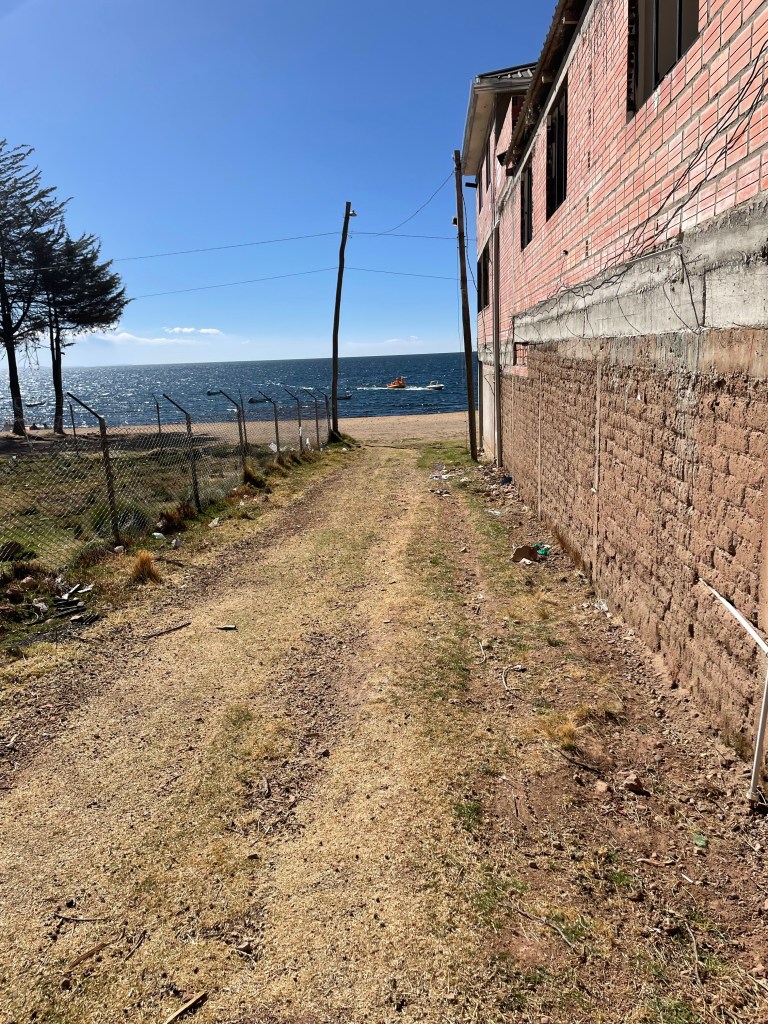
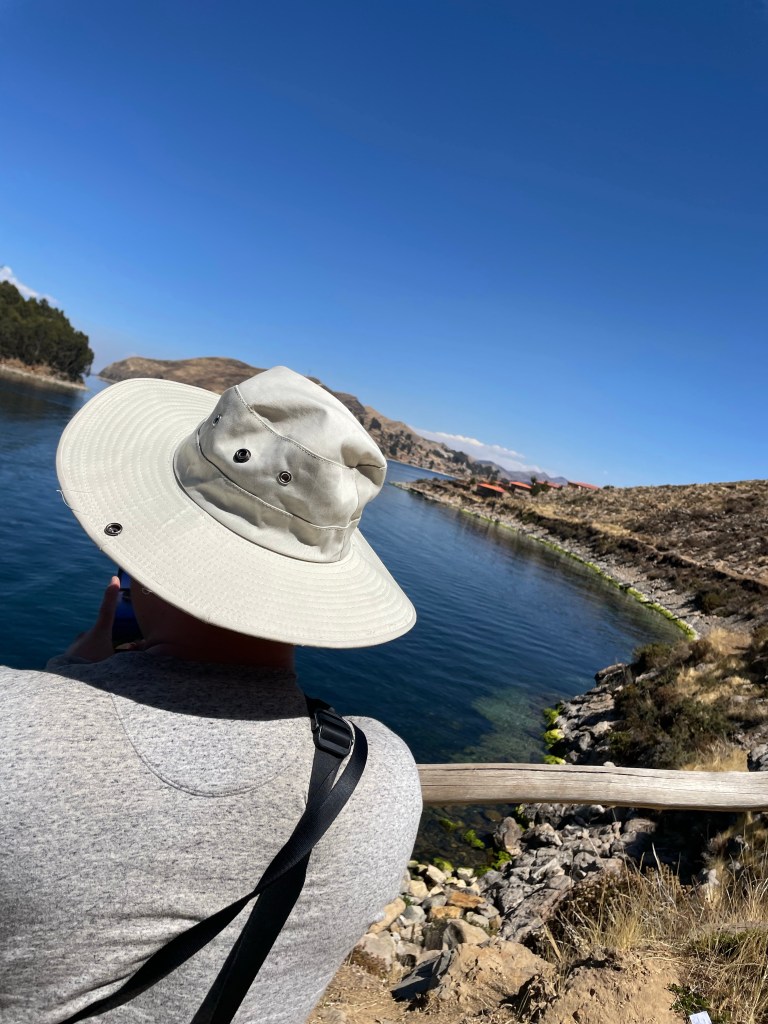
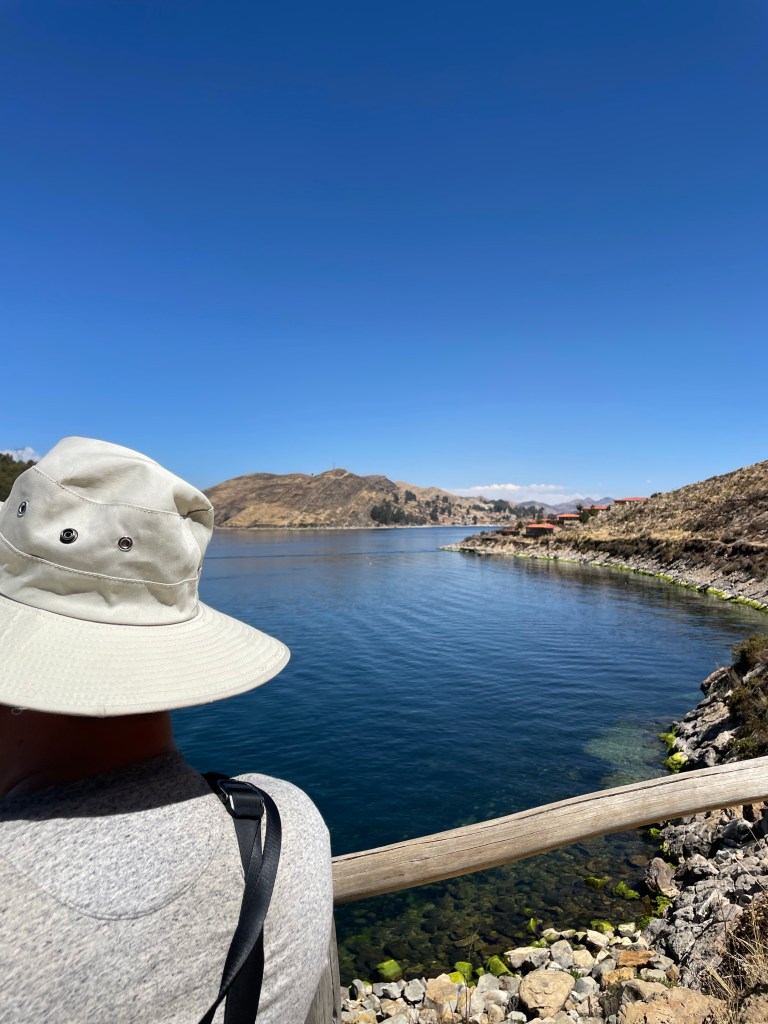
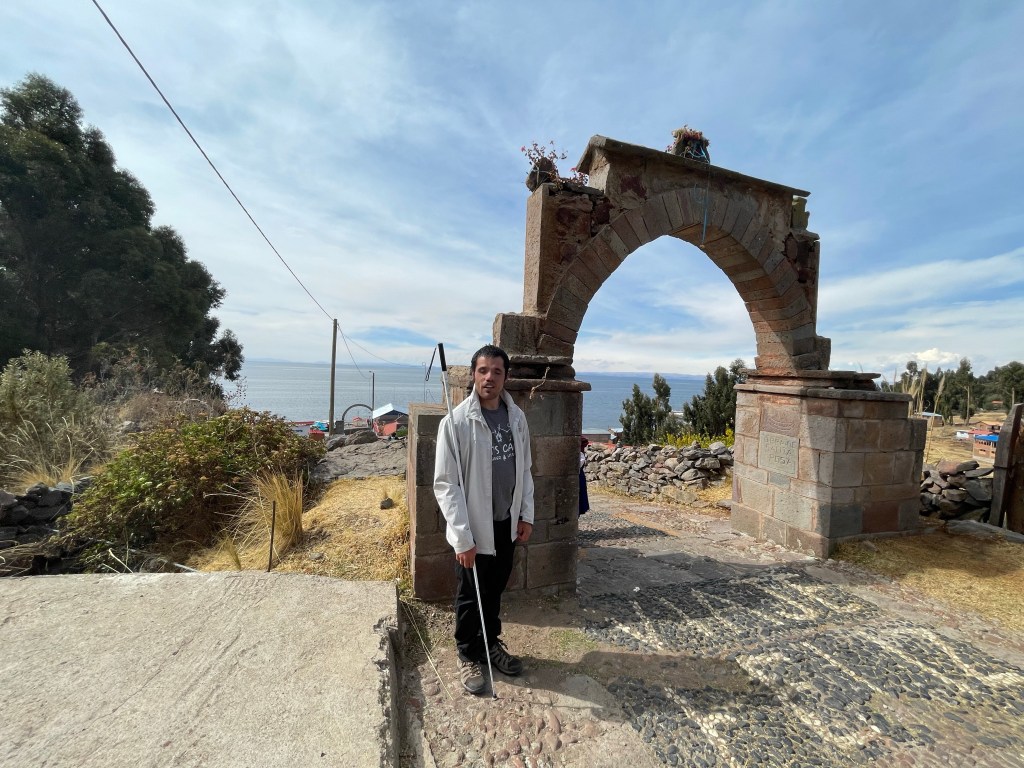
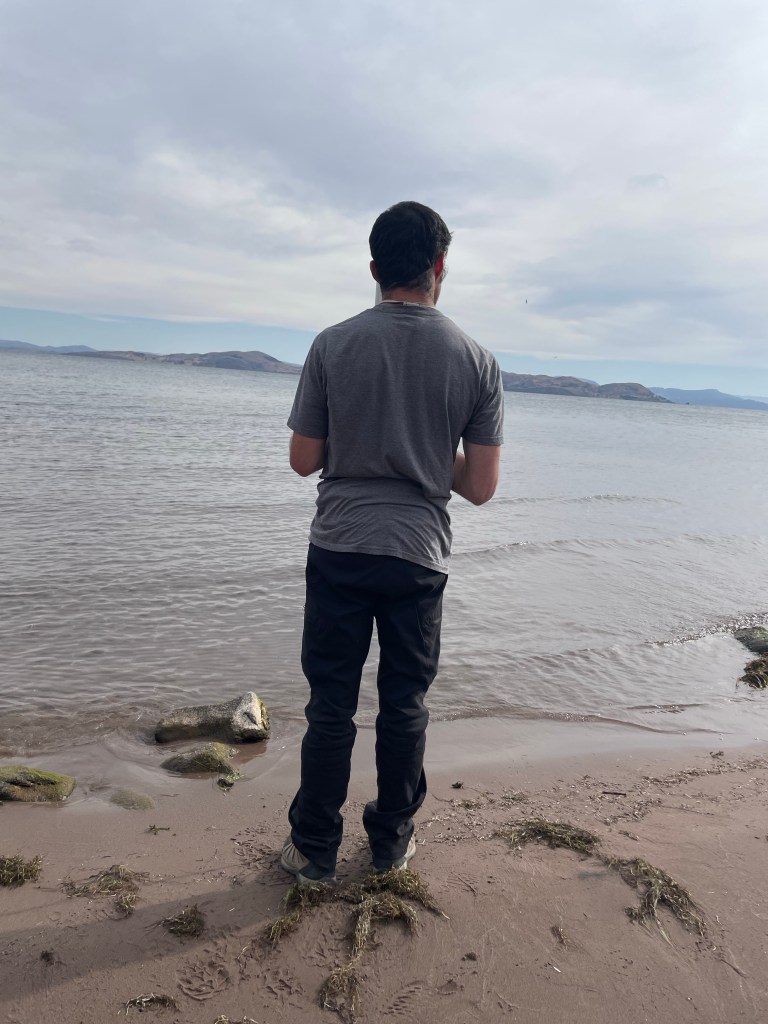
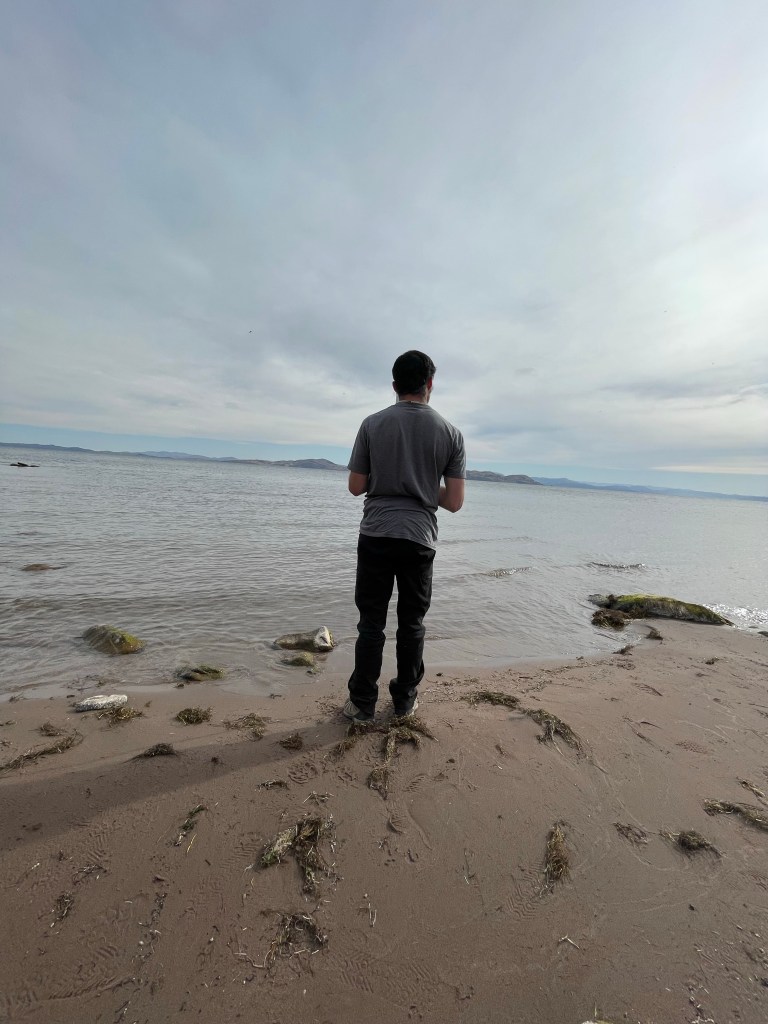
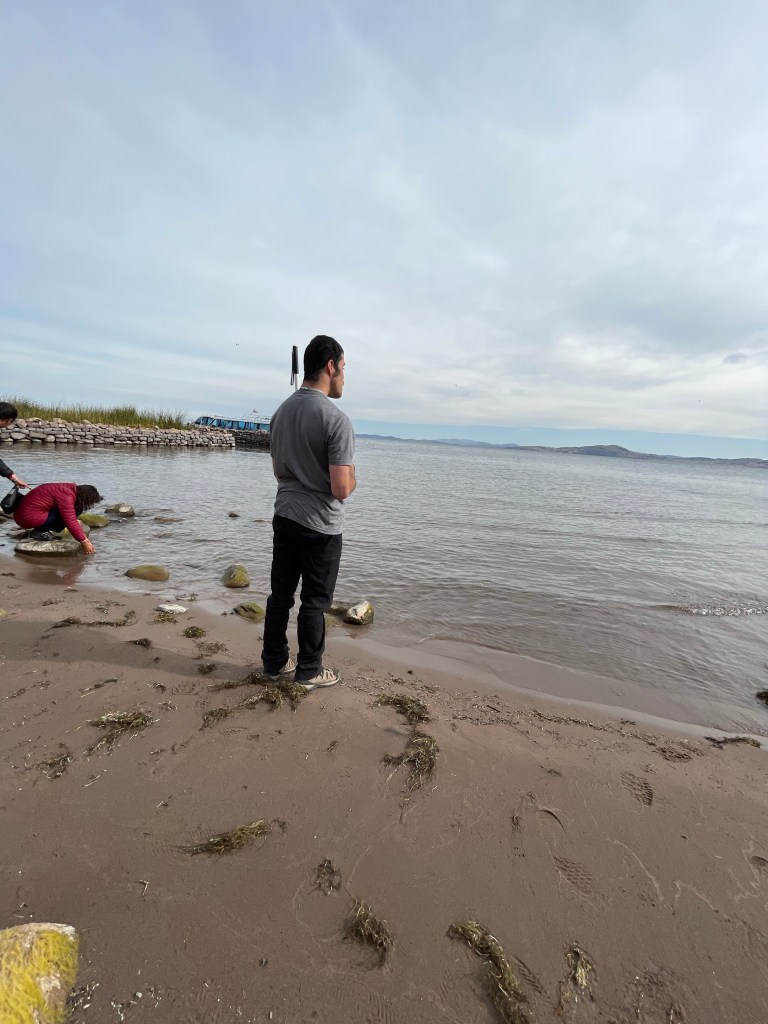
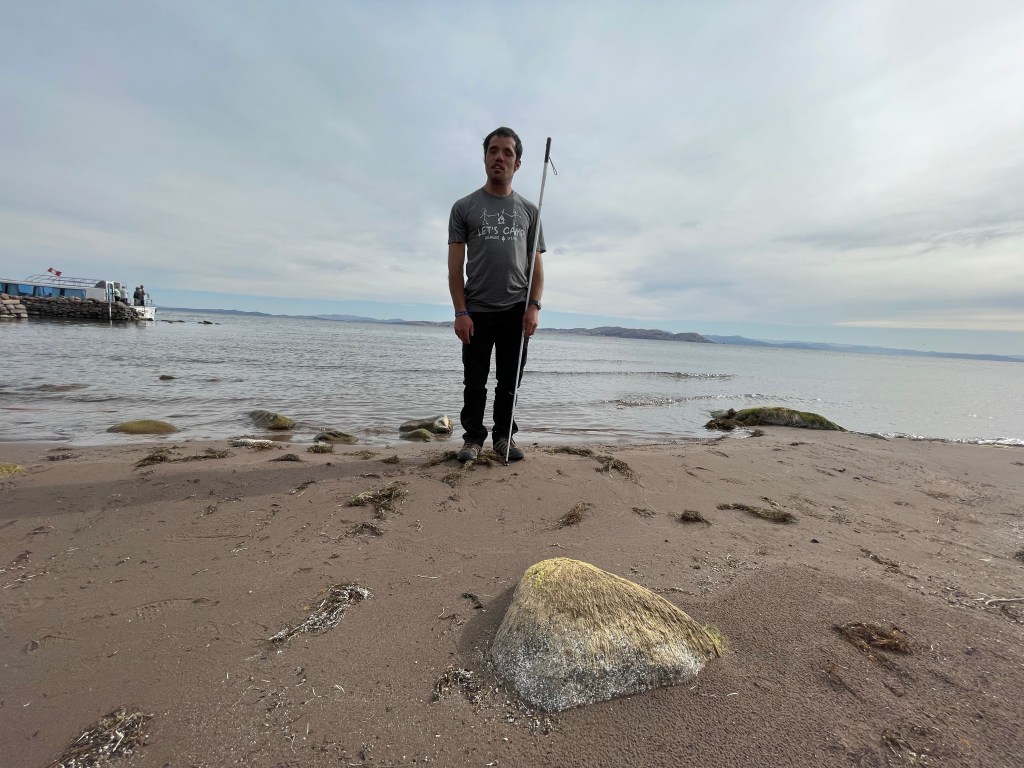
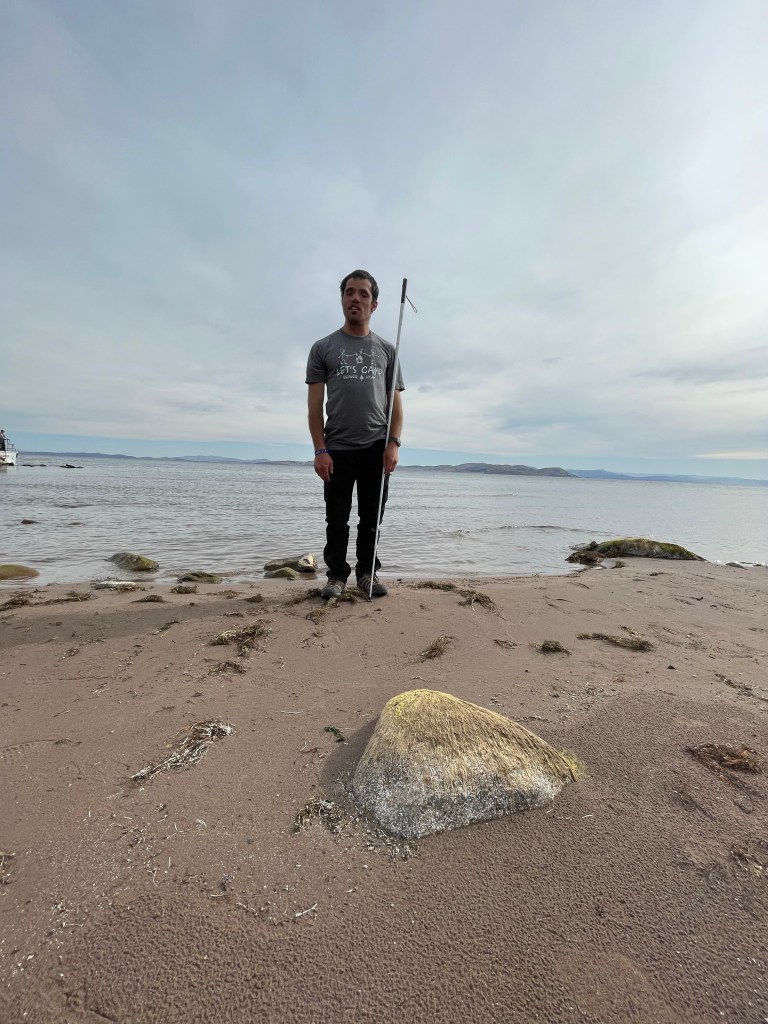
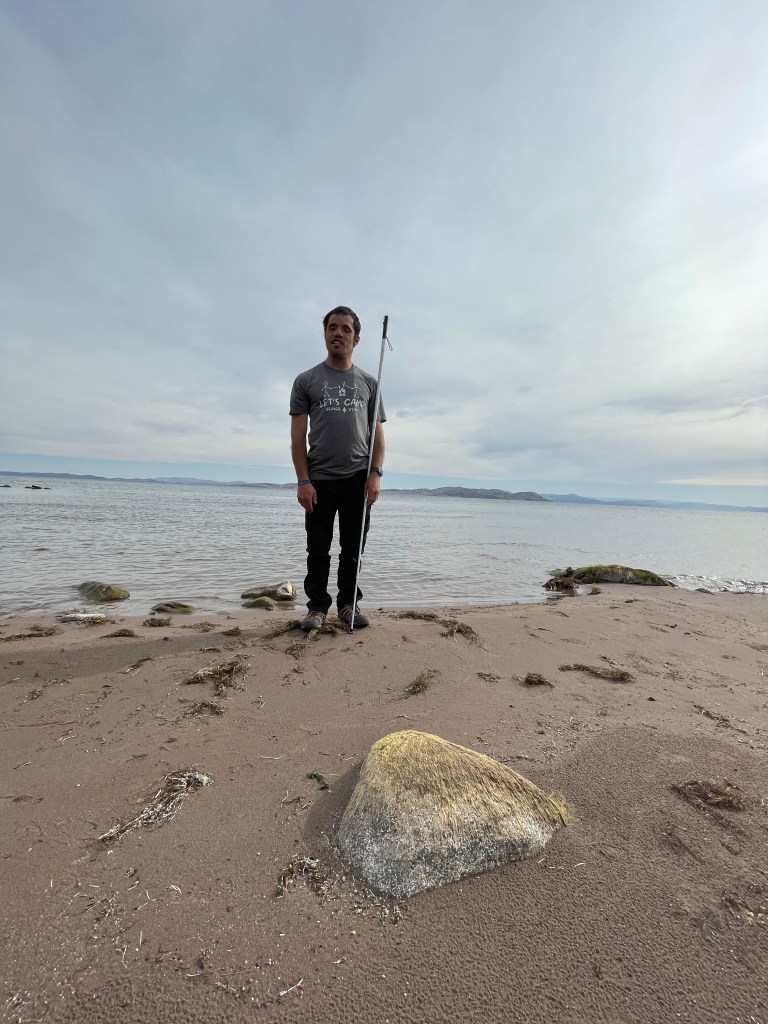
As far as sublime things go, one of the most sublime, serene, and beautiful places in Peru for me has been Lake Titicaca and the islands on the Peruvian and Bolivian sides that we’ve visited and hiked. There’s always this profound, lasting, real tranquillity there that I do not recall feeling anywhere else in a very long time. It seems to radiate from the lake not only to the islands but also to the mainland, both Puno in Peru and Copacabana in Bolivia. I could have stayed an extra day or two in Copacabana; to me it felt like Peru but with less hype and thus more enjoyable. It was quite easy to get around, too: It was all dirt road, with one small exception, so the location of various things was more straightforward. I really hope the pictures will do it justice.

The hostel I stayed at was unlike any hostel or hotel I’ve ever stayed at. It kind of felt like camping. It was like a house that was converted into a hostel. Instead of it being one building designed for luxury and comfort, there were different rooms along a garden path, and then a common area where people hung out and ate. In the nearly twenty-four hours I was there, I met and made acquaintances, if not friends in some cases, with everyone, and it was just what I had imagined or hoped for in any kind of travel situation. One of the best parts was when I was coming back from eating out. My stomach, which has had issues off and on since I tried to purify the water down here, was currently unsettled, to put it nicely, and I was fed up with being alone and not finding anyone who wanted to do the things I was doing or who would invite me to do things with them. I met an Argentinian couple who were also going to my hostel, and we walked together and just talked about various things–it was more than the usual “Cuidado” (careful), “De frente, no más” (straight ahead), and then nothing else. The hostel is called Suma Samawi, and I would recommend it to anyone visiting Copacabana. I don’t want to make any conclusive judgments about the other hostels because I only know the one I stayed in, but from conversations I overheard, the names of the other hostels made them sound more touristy, more generic. This one where I stayed felt like the rest of the town: legit, genuine, unassuming.

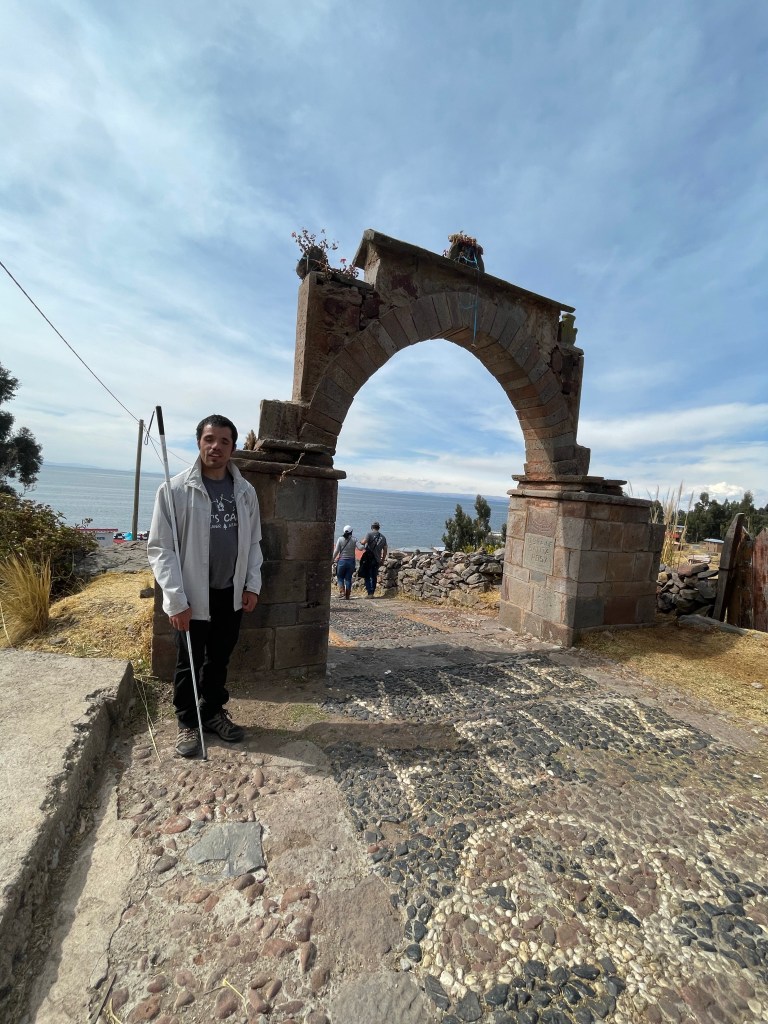
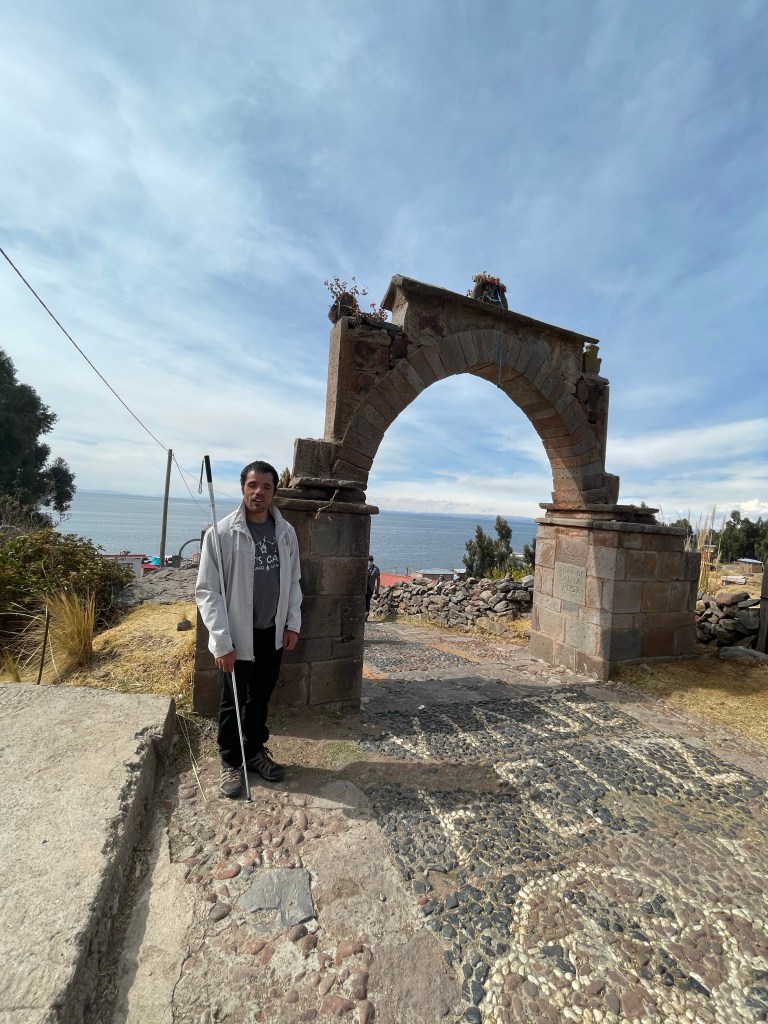
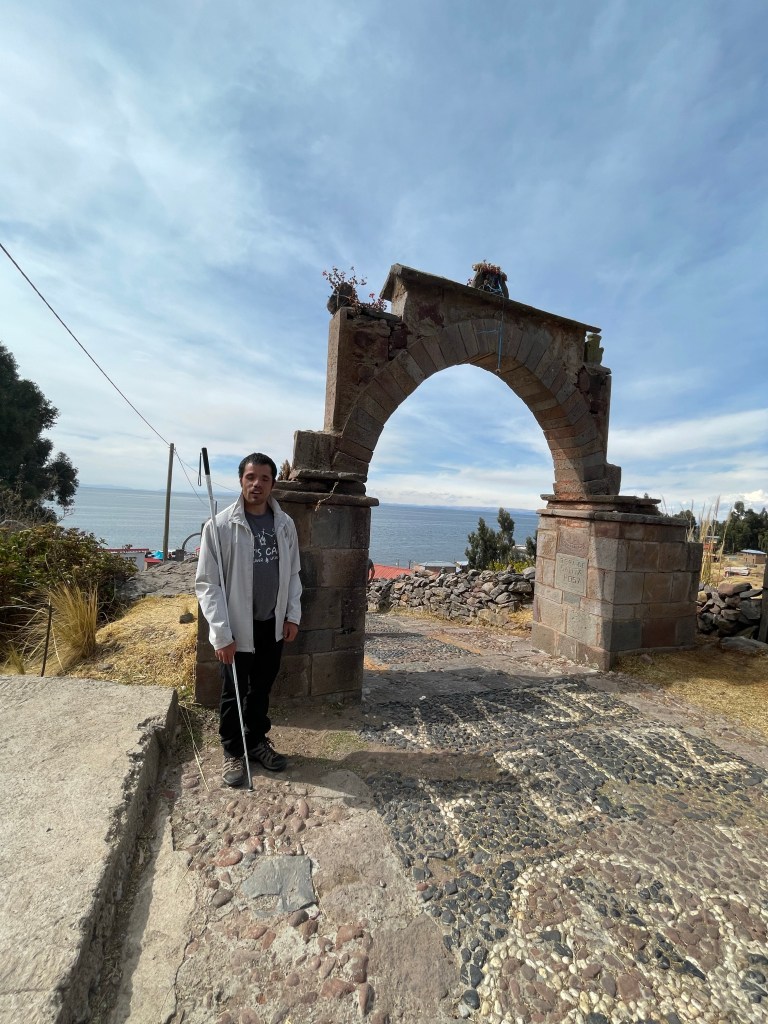
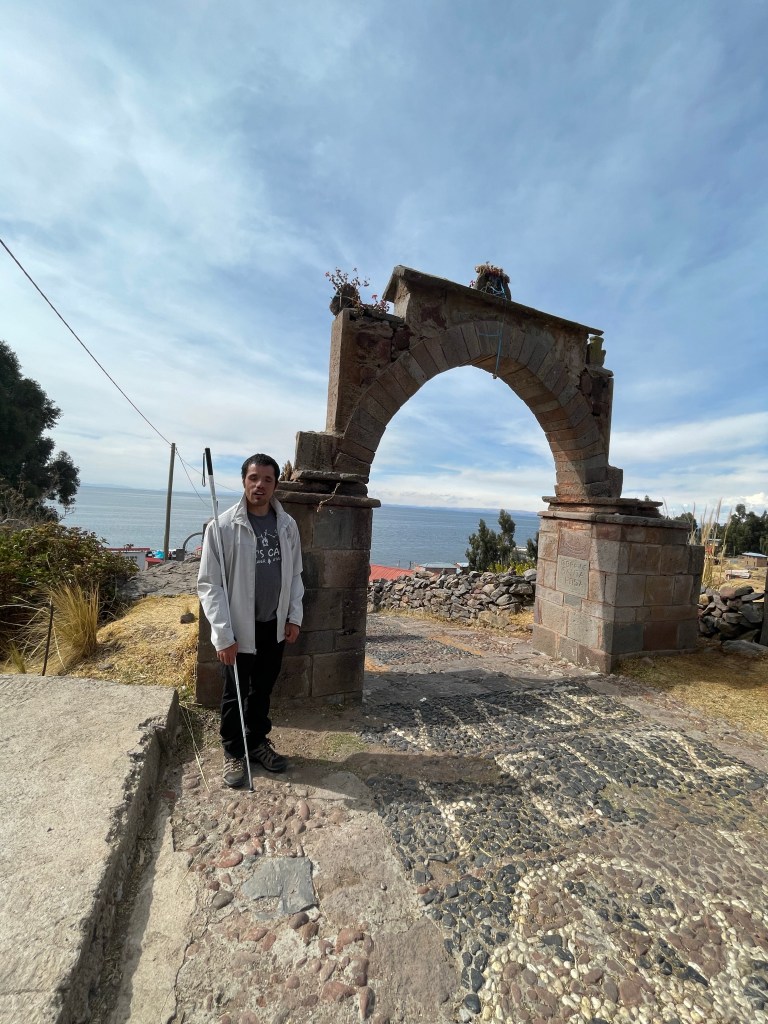
I think this past weekend was good in part because it wasn’t planned very well; thus the important things to do prevailed and those that weren’t didn’t happen. One thing we did–those of us who had booked it through Bolivia Hop–was take a boat out to La Isla del Sol–the Island of the Sun. I still don’t get what’s so special about it; we were just given a map and told to hike from one side of it to the other. I hiked with a few people from Germany, but nobody commented on anything out of the ordinary about the island, and after an hour’s hike we were sailing back to Copacabana to cross the border back into Peru. Crossing the border was cool. I’ve always wanted to cross a land border, and this weekend I got to do that. This proved a bit more complicated than I had thought it would be. For instance, I knew that it is required for Americans entering Bolivia to purchase a $160 visa, but I didn’t know until the day we were traveling by bus to the border that they also needed a bank statement, two copies of my passport, two copies of a photo of me, and an exit ticket–I should have known they would need the exit ticket because that’s a more common thing. As it was, I was able to use the computer in their office to provide all the documents, and I eventually got through to the Bolivian side without further trouble. Because crossing back to the Peruvian side proved much simpler–stamping out of Bolivia and stamping back into Peru–I paid more attention to my surroundings. As sundry as they might seem, it’s a big deal for me. We walked up a hill and crossed a random, quiet street. We descended the other side of the street, passed beneath an archway, and found ourselves back in Peru–just like that. I returned home at five yesterday morning and went about my usual daily activities of school and work. To finish off, I will note that work yesterday was rewarding: I spent an hour trying to help a kid fill squares with synonyms of given words and then helped to host a game of Jeopardy in which we quizzed the kids about how to say different categories of words in English. While there were gaps in what I was shooting for as far as productivity and involvement, we’re getting there!

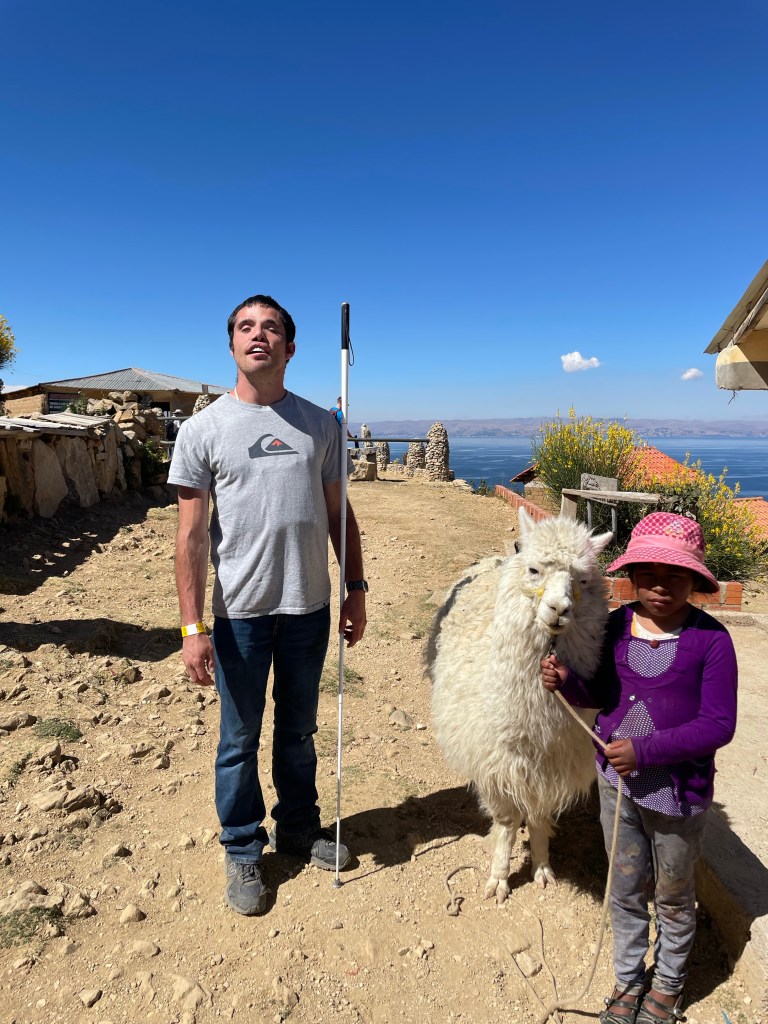
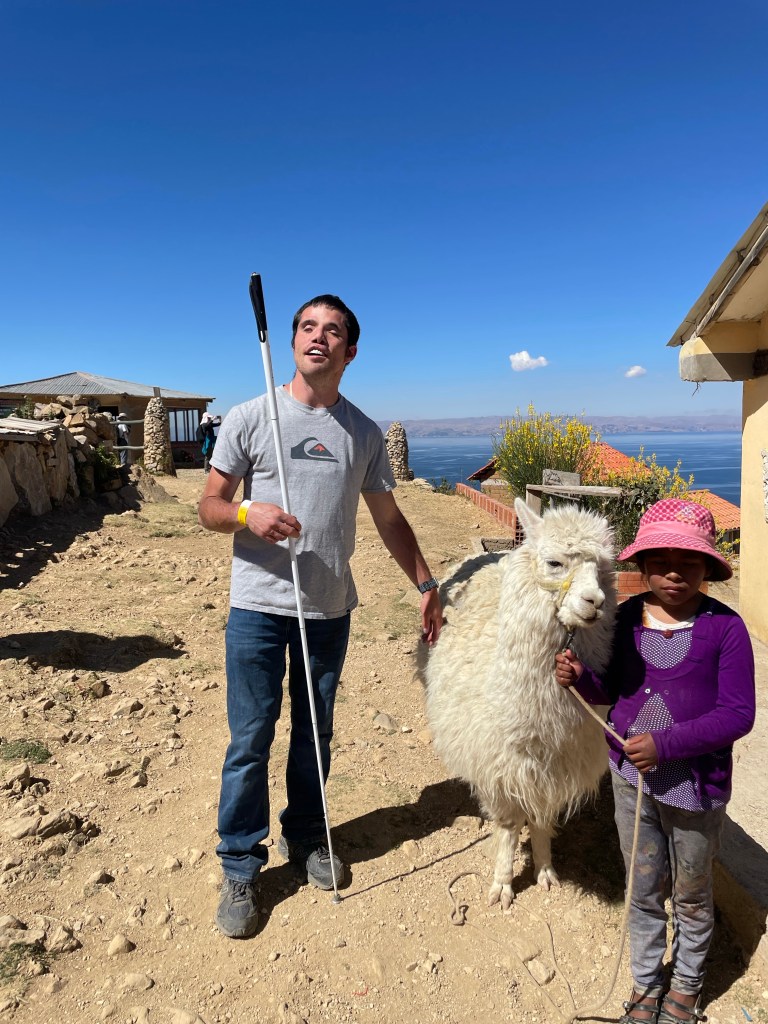
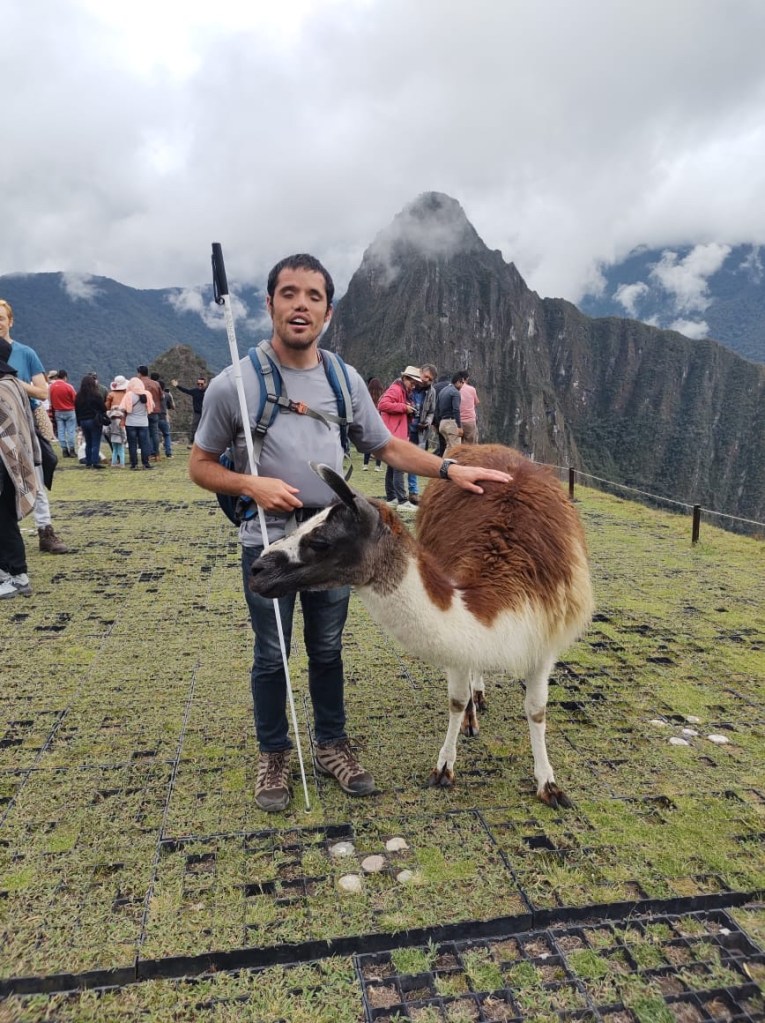
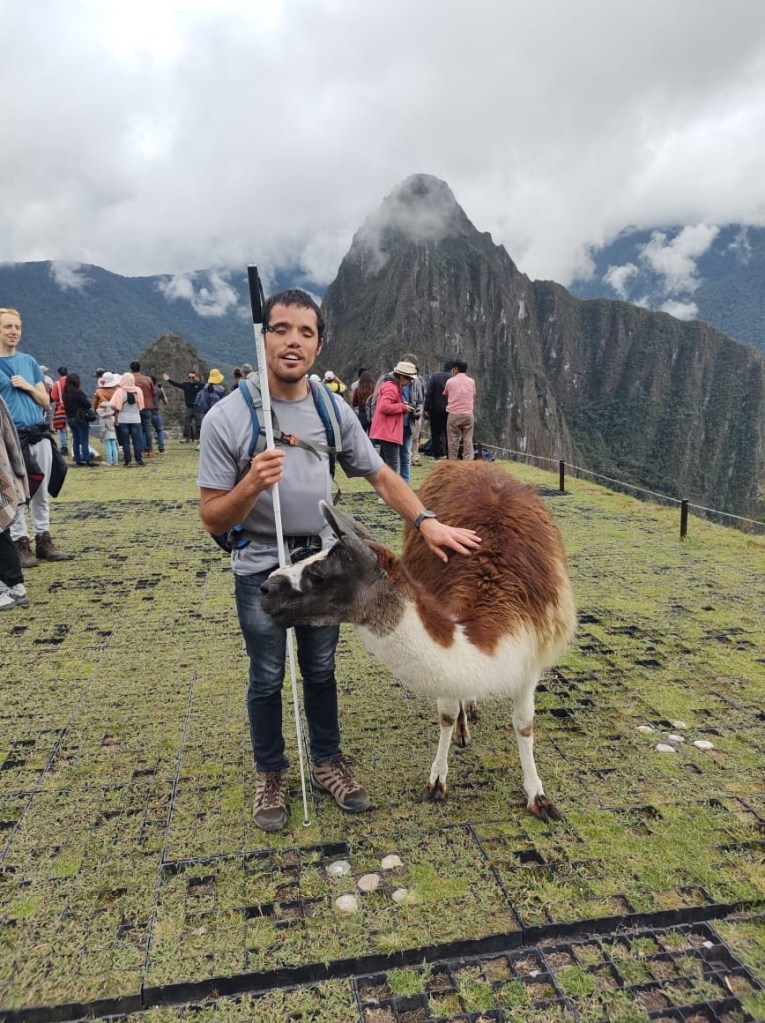
I swear the majority of the time I takemy picture with an alpaca I am eating one later that day. Glad I grew up doing a similar thing with deer and elk.

I am happy that I still get to end these posts with leads into what will happen next–of course, I can’t predict the work week the same way I can predict the weekends–but in any case, I still have the better part of a month to go, and a lot can happen in that amount of time. Next, I look forward to writing you from the sweltering jungles of Puerto Maldonado–in the Amazon!

The Hike to Machu Picchu

Hey everyone. Happy Halloween from Peru (Yes, they do celebrate it, chiefly among the children). Apparently in the more conservative Hispanic culture, Halloween is viewed as something of the devil. If I had prepared, I would be dressing up because I still enjoy doing that, but I had other more unique things to do, which I will share with you next.

So last week was both a much-needed break and a rather difficult one. I hiked with a private tour to Machu Picchu through the high jungle. Private tours have the potential to be awesome, but Proyecto Peru, the program with whom I am studying and working, managed to screw that up for me, at least in part, mostly because they gave the guide inaccurate and uninformed information about what I could and could not do. The result was galling, but I’ll get to that in its own time.

The day before the trip, I rented a nice travel bag that I later regrettably had to return. I was picked up from the house early the next morning, and we picked up another customer from Wales. I really enjoyed him, and I can thank him for my recently piqued interest in chess. Since the company doesn’t have any tandem bikes, David, the guy from Wales, biked down from a certain point not far from Olantitambo into the jungle while I rode down with the driver, Julio. Our guide, Eduardo, was right about the climate being very different, because when we got out at Santa Maria, it was sticky and warm, not a shred of cold from the mountains. We had a great lunch, and we were introduced to this hot sauce which is apparently really spicy. Eduardo and David had a hard time with it, but for me it was a nice, easy burn and a good flavor.

The people in charge of the rafting activity decided I wouldn’t be able to raft, so I went downtown with Eduardo and tried this really good fruit called a picay. You cut the skin with your nails or a knife and then pick out these big seeds covered by a sweet material that you suck/chew off. Sitting on the bench eating this picky I felt like a child in a candy store, because I really dig fruit, and I was doing something I’ve always wanted to do: eating tropical fruit almost directly at the source.

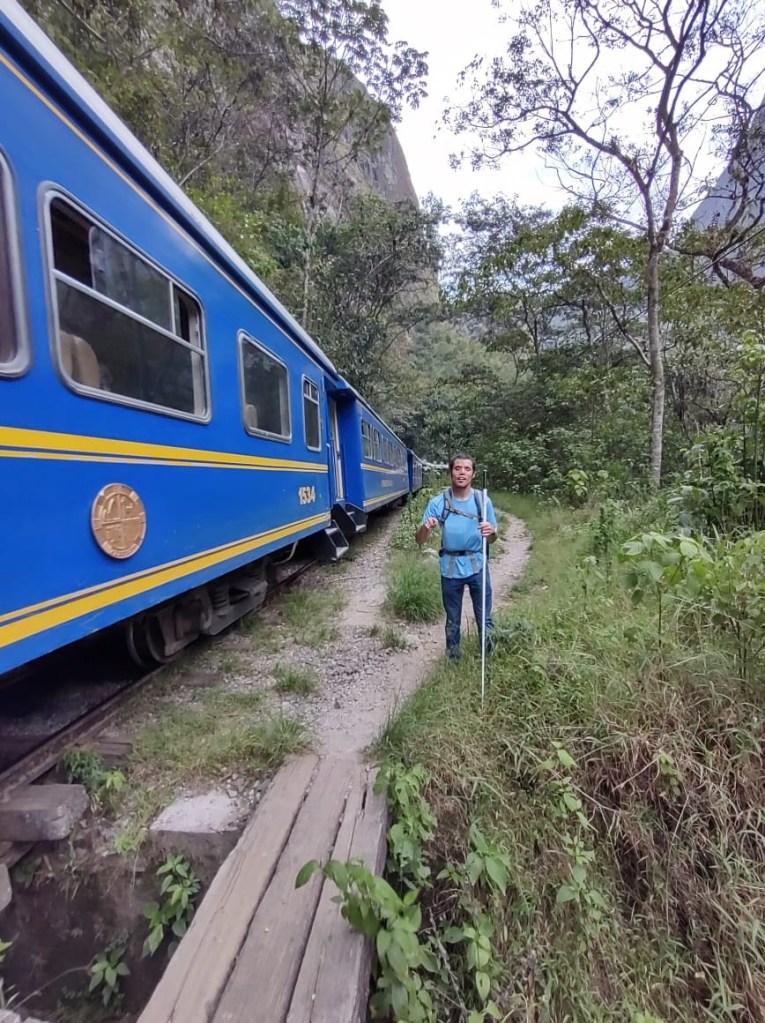
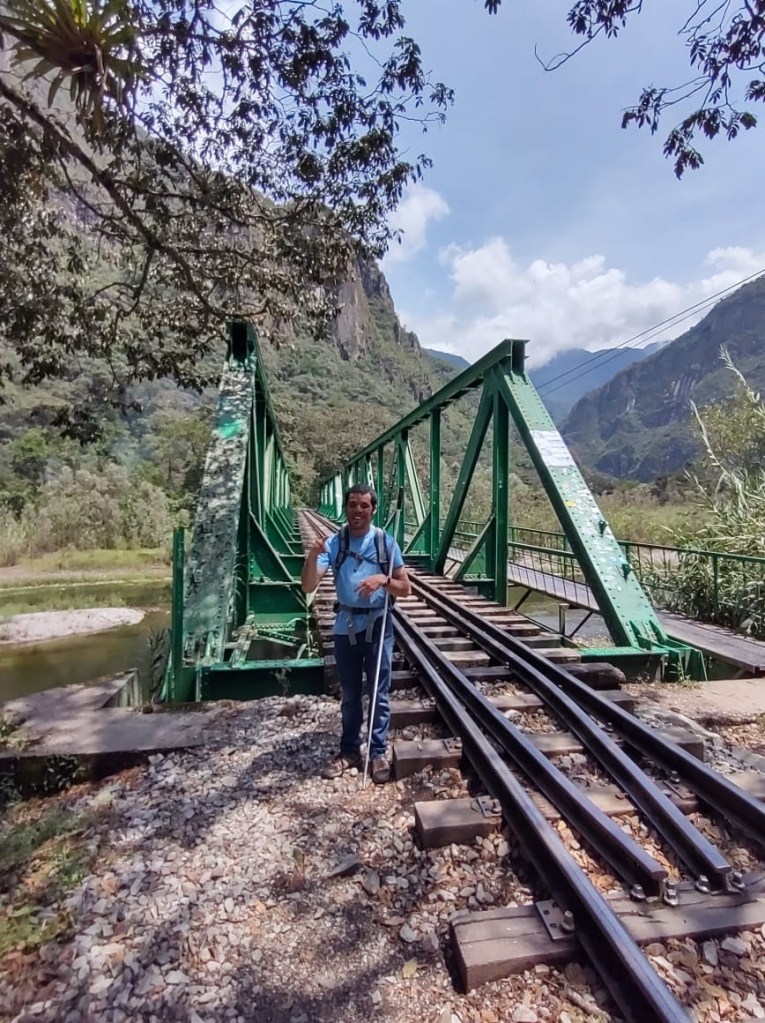
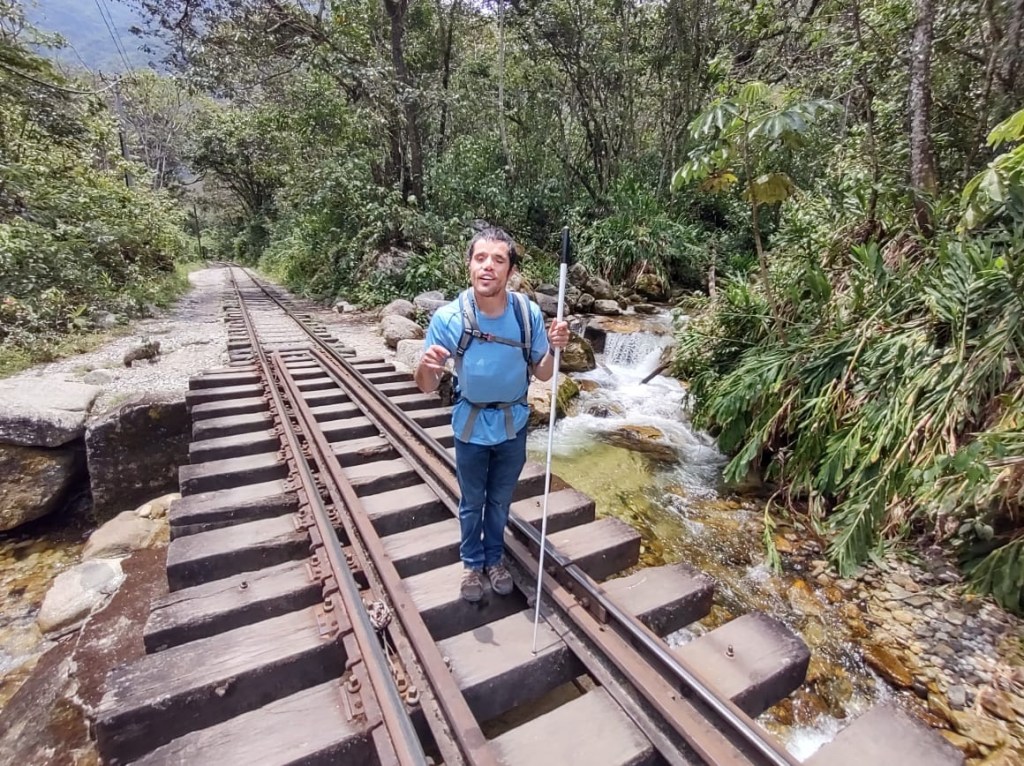
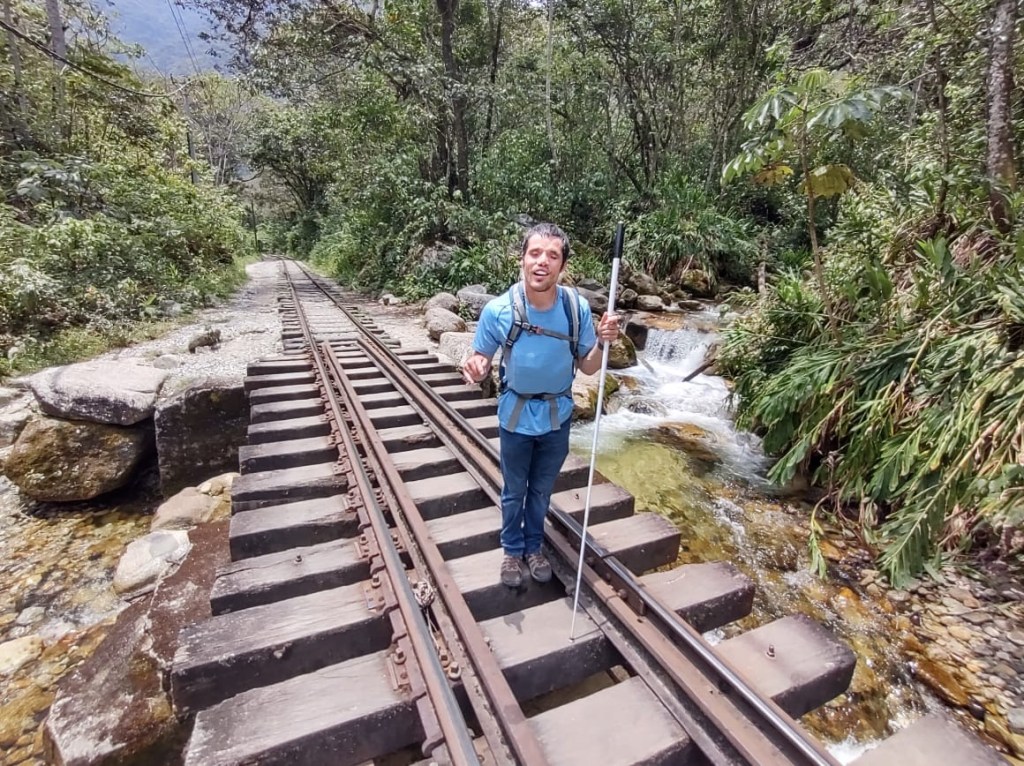
We next took a bus toward Santa Teresa to stay the night there, but the bus overheated, so, to my delight, we were stuck in the middle of nowhere for a while until we got another bus that made it the rest of the way. Here David talked me through a couple online chess games, and we also had dinner and enjoyed the night life that came in thumping rhythms through the window from the plaza. The next morning, we went to what Eduardo called a campground to zip line across rivers and between mountains. Proyecto Peru had decided that zip lining wasn’t safe for me to do before asking me–which, had they asked, they would have learned that I have safely zip lined many times. As it was, I zip lined with David, and it was a lot of fun. Then came one of my favorite parts of the trip: hiking the Hidroeléctrica. Eduardo helped me to appreciate everything about the jungle around us, and I never ceased to be amazed by the abundance of life around us, especially in the trees–and this was only the high jungle. At one point we walked past a coffee plantation, and I smelled the rich aroma of different types of seeds. He recommended acacia, the premium of the region, but I liked another one better—I wish I could remember which it was. To think! I was walking through land from whence camecoffee and chocolate!

We also walked past some banana trees. I don’t know if the U.S. gets Peruvian bananas, but all the same it was so cool to touch my favorite fruit growing in bundles on a thick tree with leaves of a distinct texture! We also walked past avocado trees, but they were too far away to feel. As it was, I wouldn’t be surprised if the avocados in what we ate later that night came from those trees!

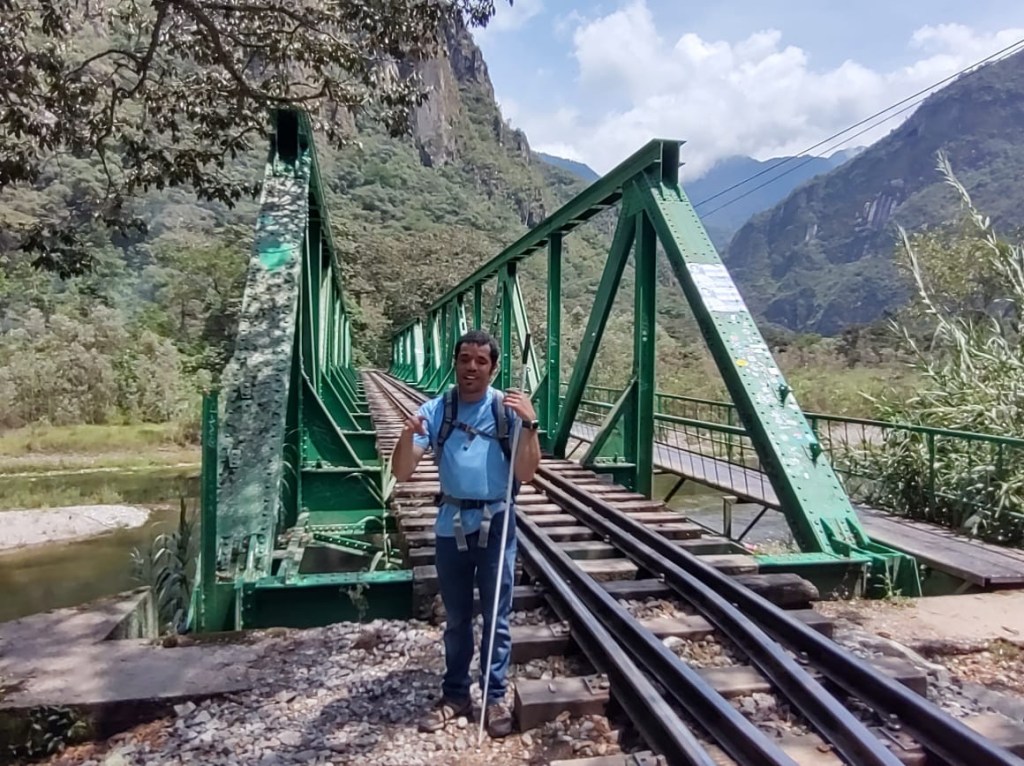
He and I also learned a lot about how to work together. He learned that I wasn’t the helpless hop-along he had apparently been told to anticipate but an adventurous type who did things that terrified, then impressed him, such as making precarious stream crossings over rail lines. In fact, at one point he said, “I think you’re lying to me, man. The way you react to things in the path, I think you can see.”

Yet, upon arriving in Aguascalientes after an incredible four hours of hiking, despite my repeated insistence otherwise, we were taking the bus to Machu Picchu instead of the steps tomorrow morning because apparently there were too many people climbing the steps for me to safely handle. I decided to go with it and to consider it returning the favor–his letting me zip line was against what Proyecto Peru had told him to do, and he begged me to not share that with them. For that I’ve got to give him major props: He at least wanted to go a little bit out on a limb to not let me be shorted by misconceptions.

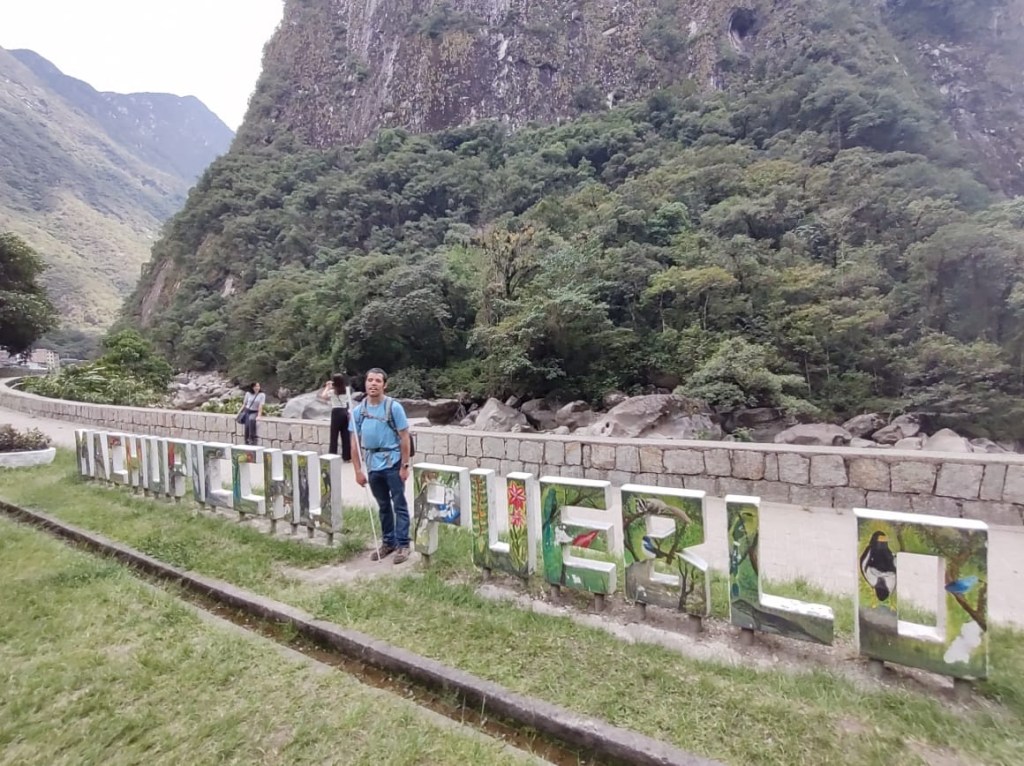
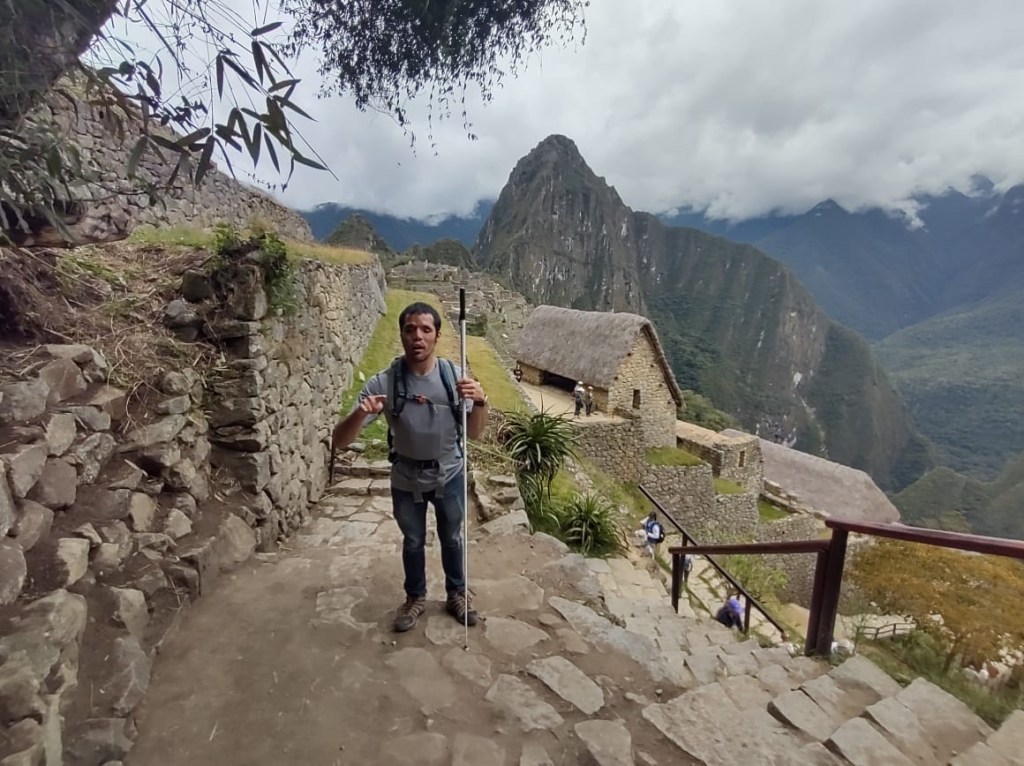
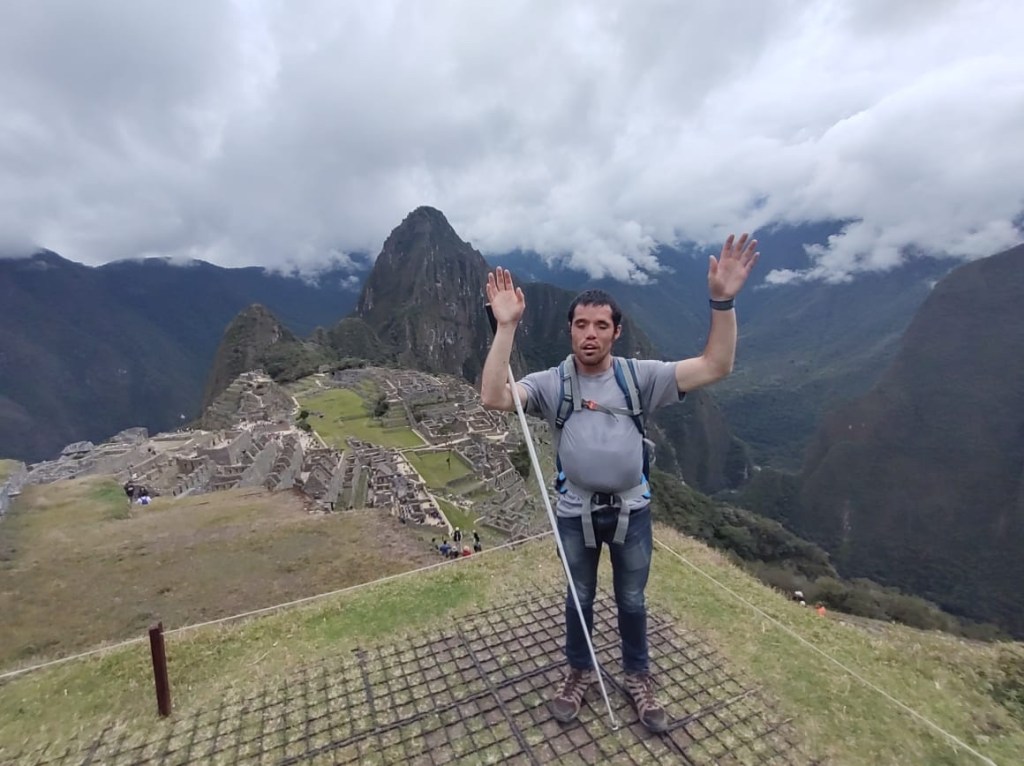
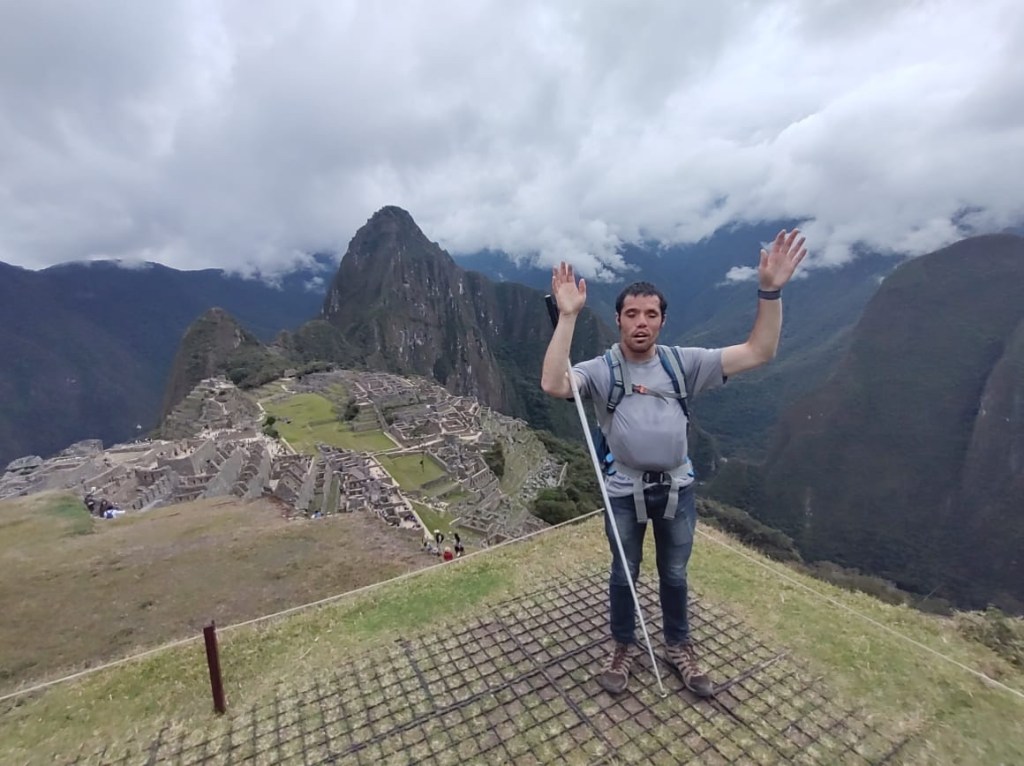
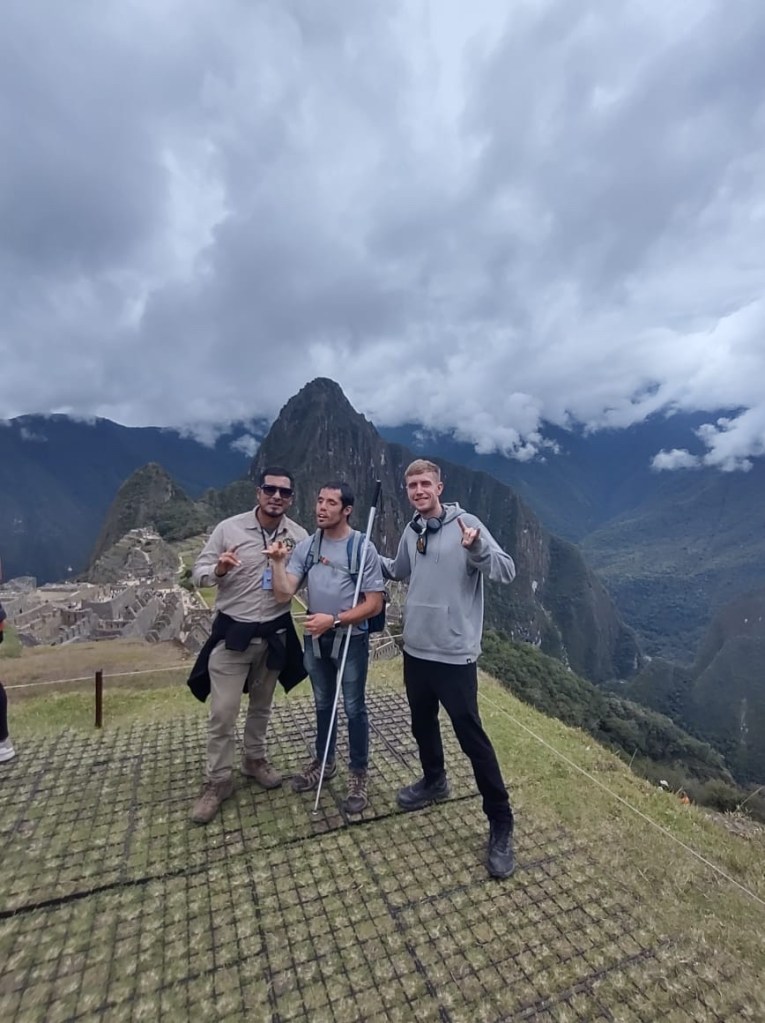
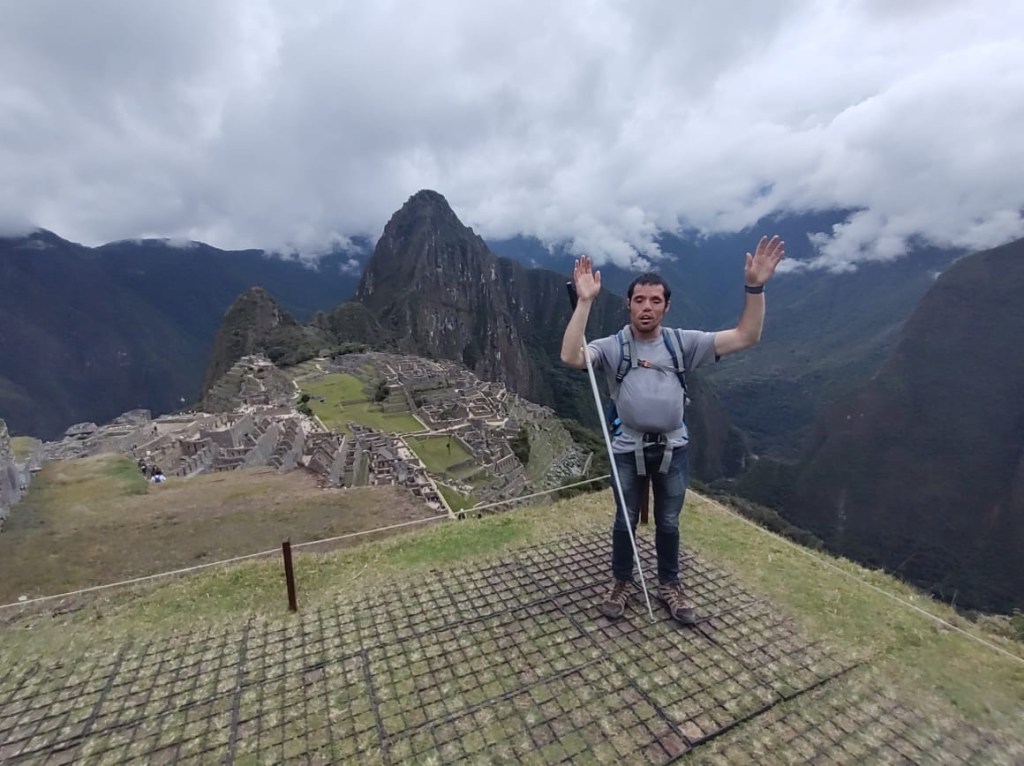
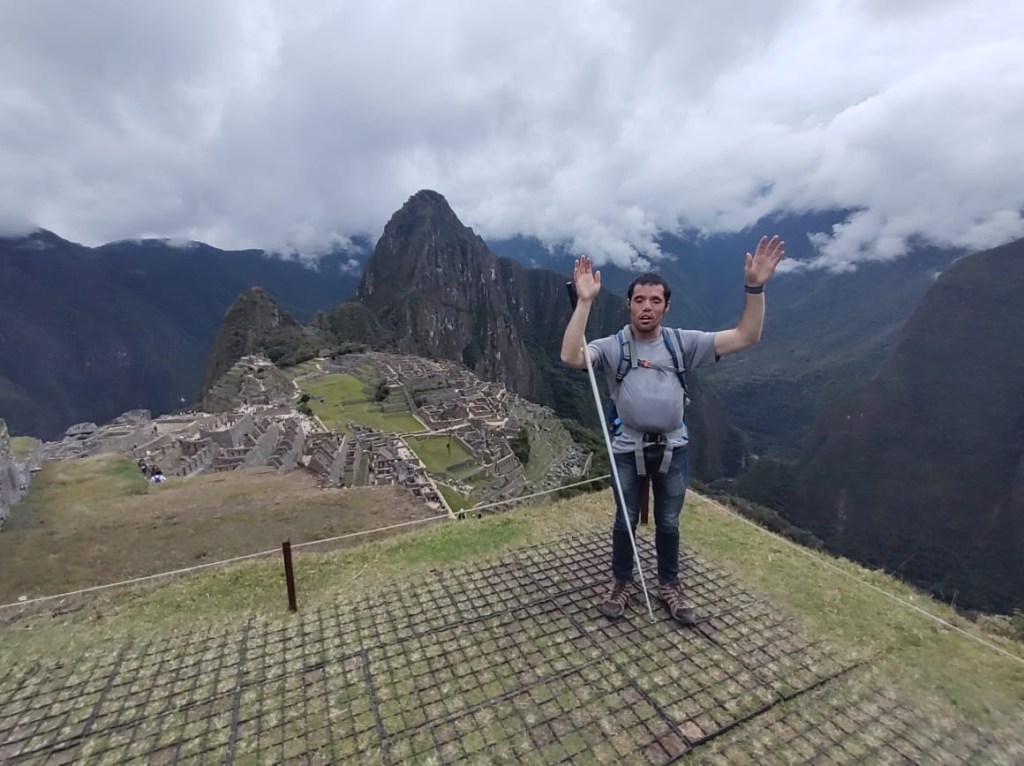
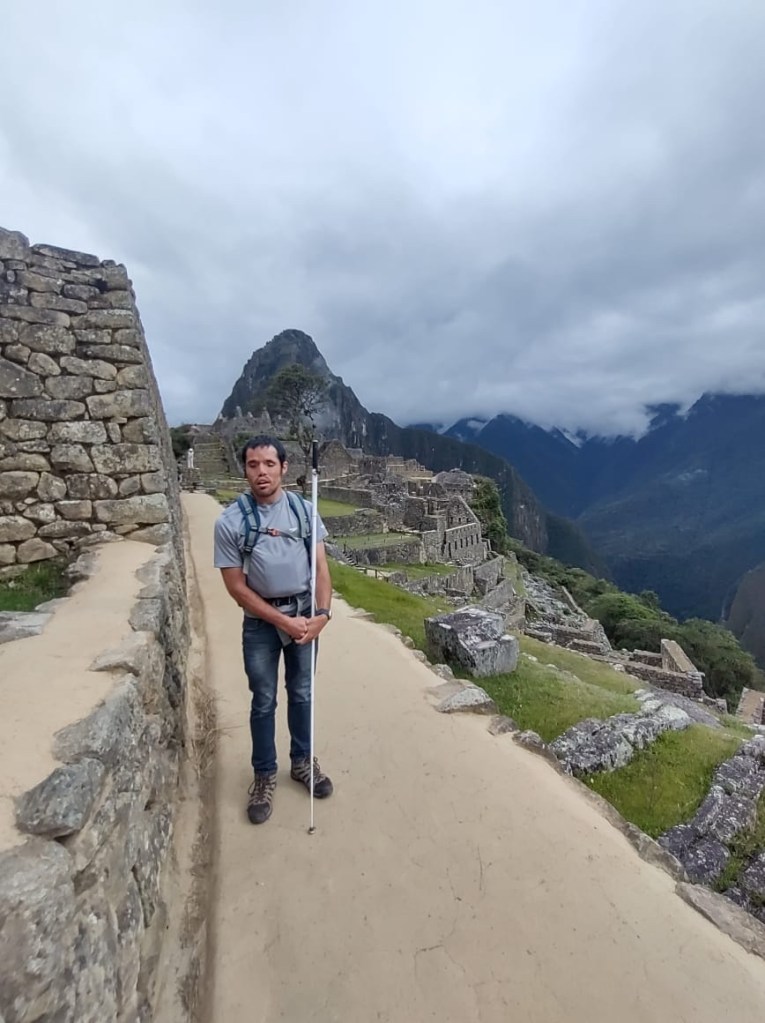
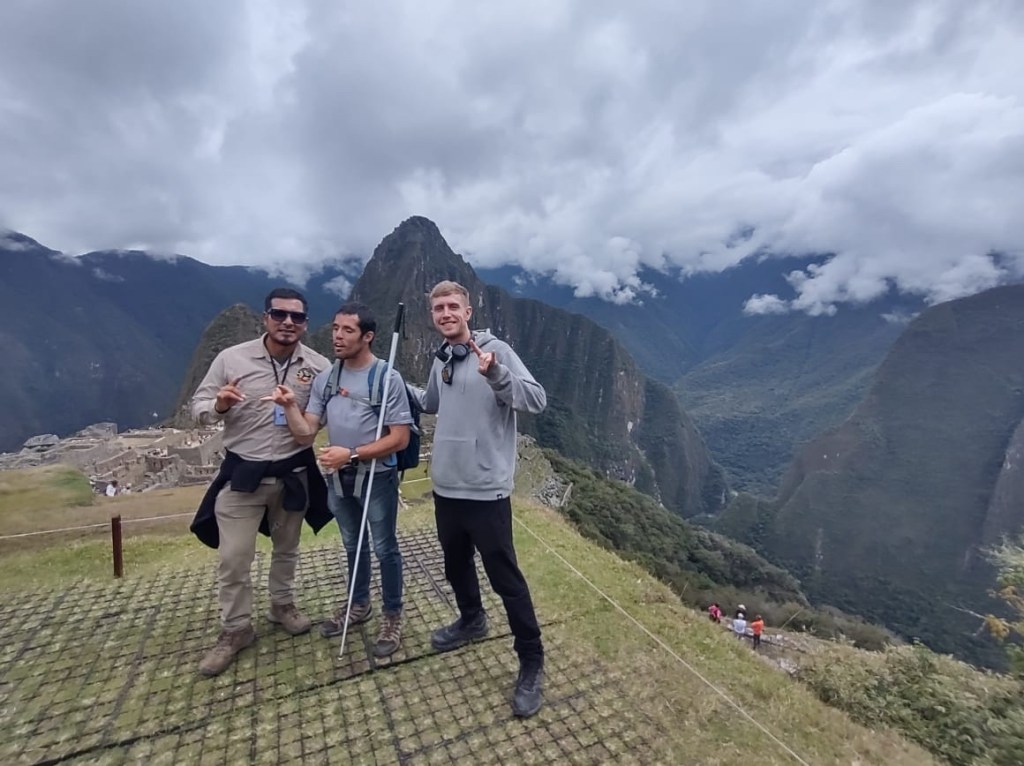
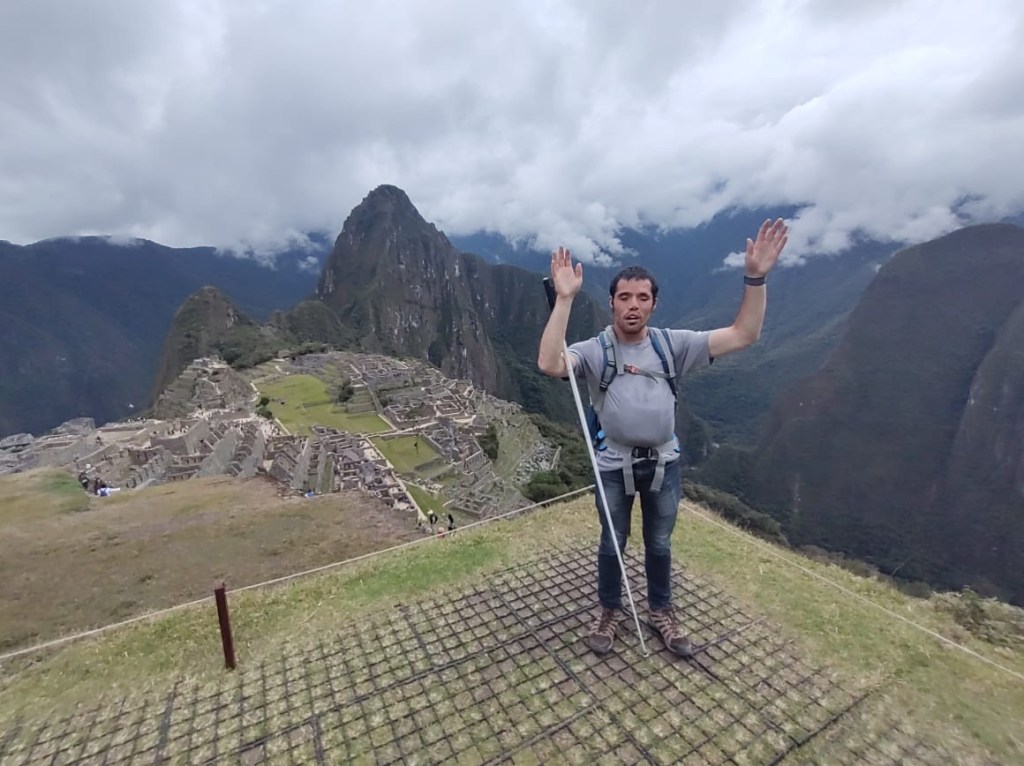
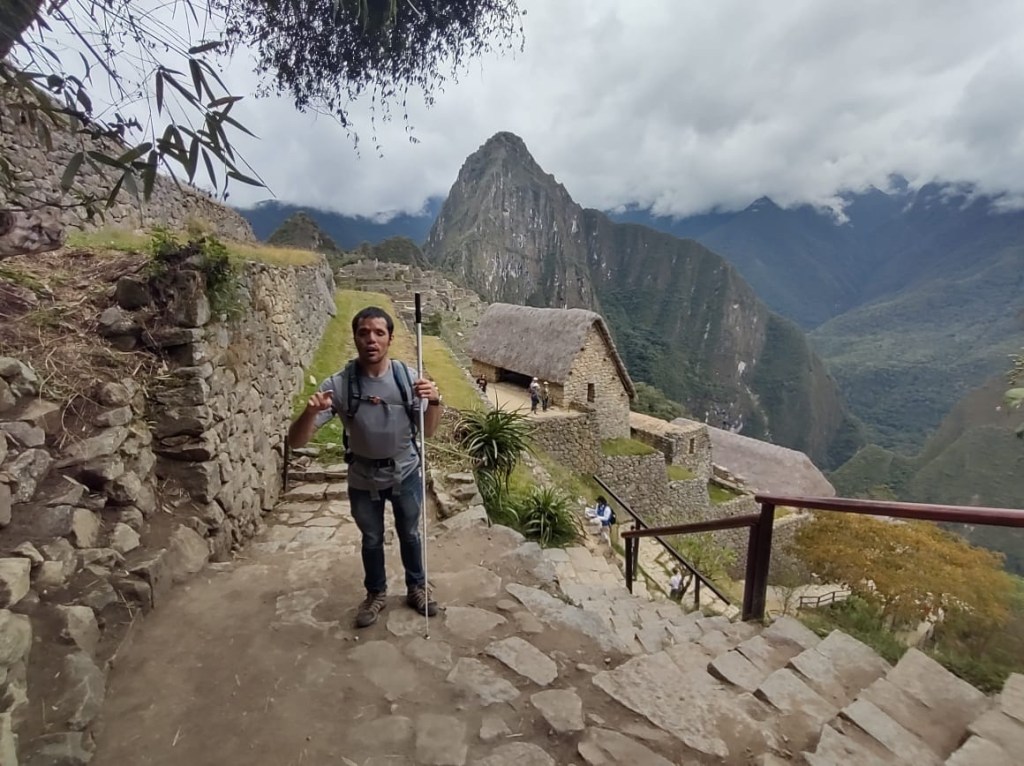
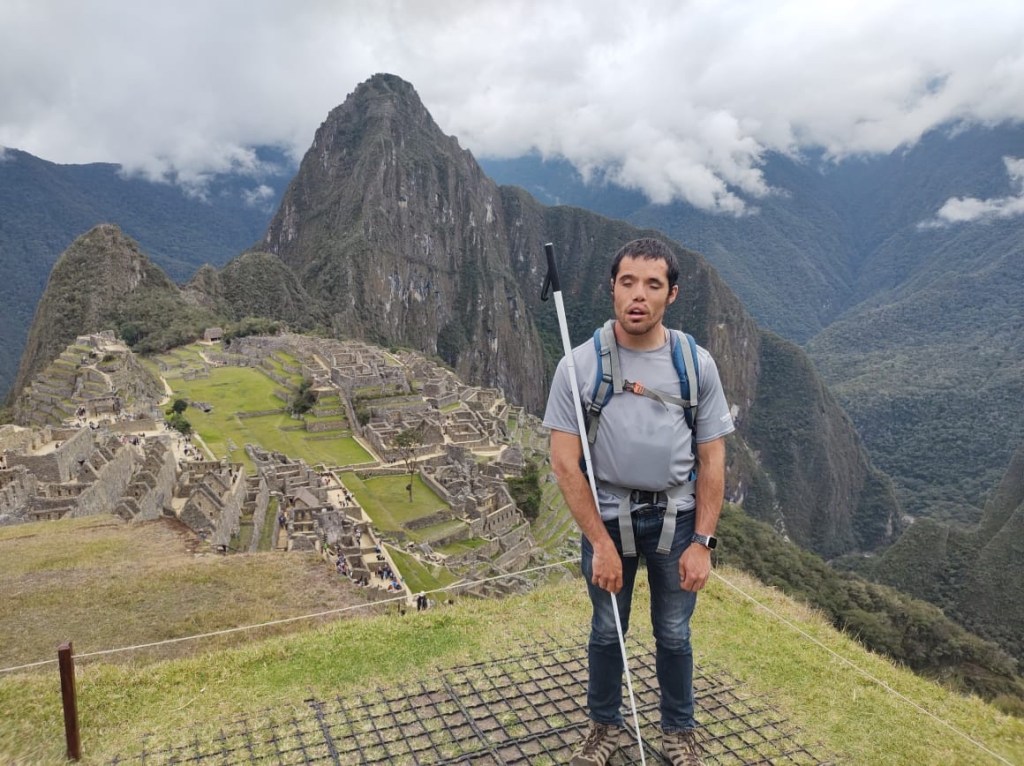
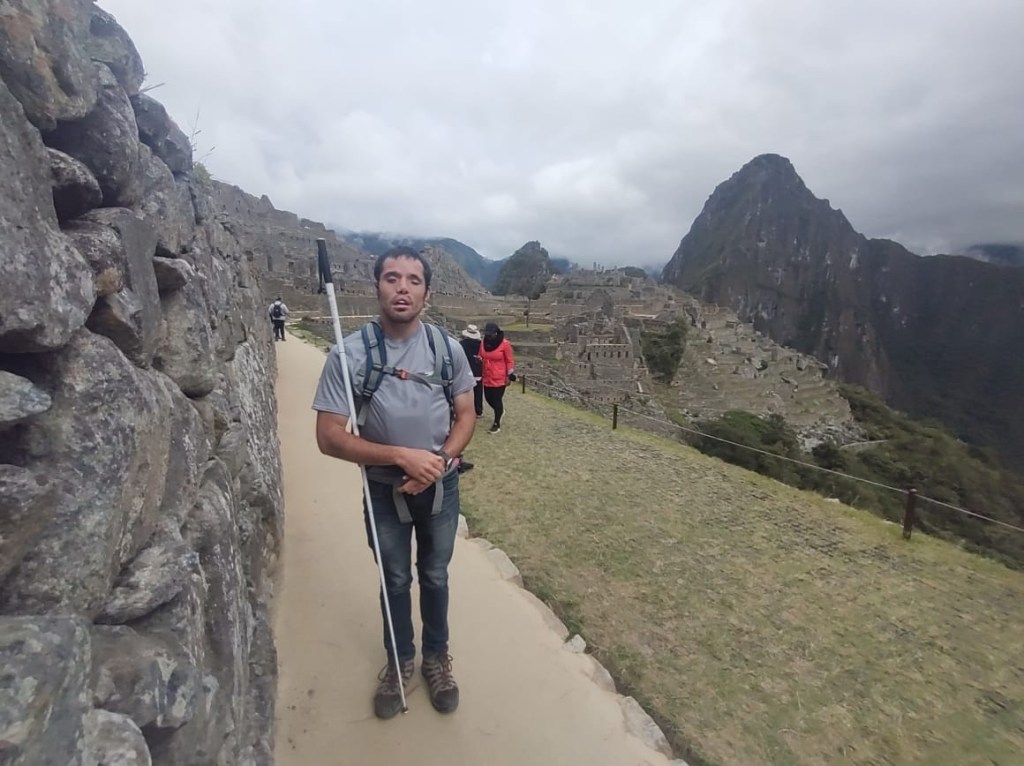
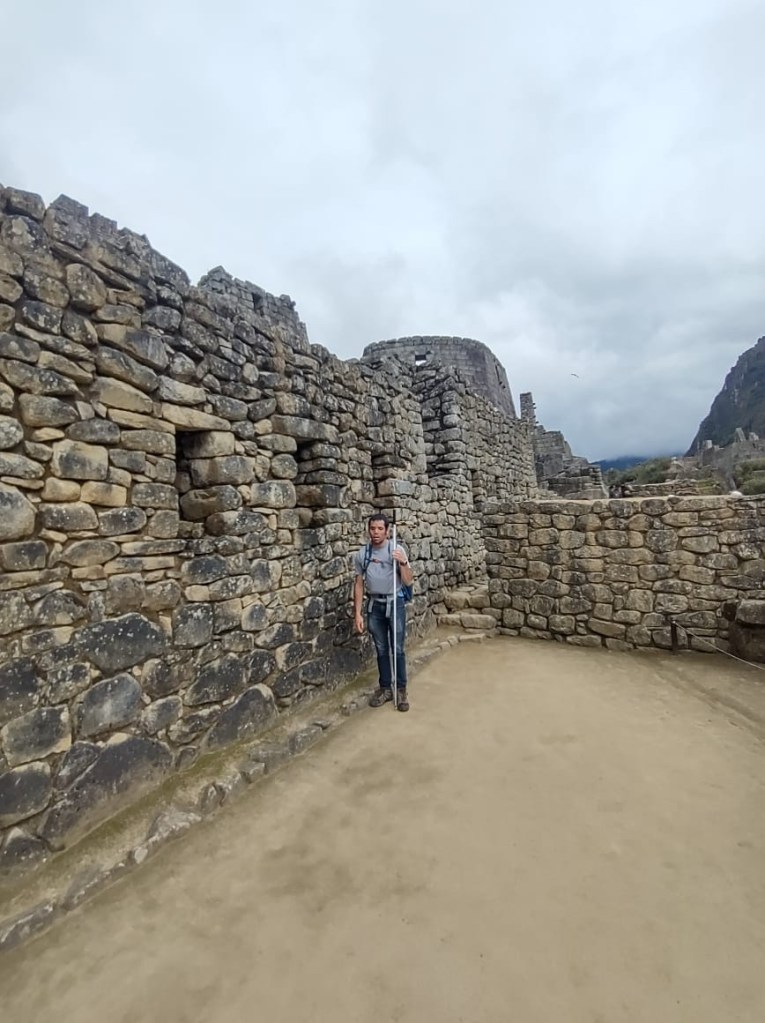
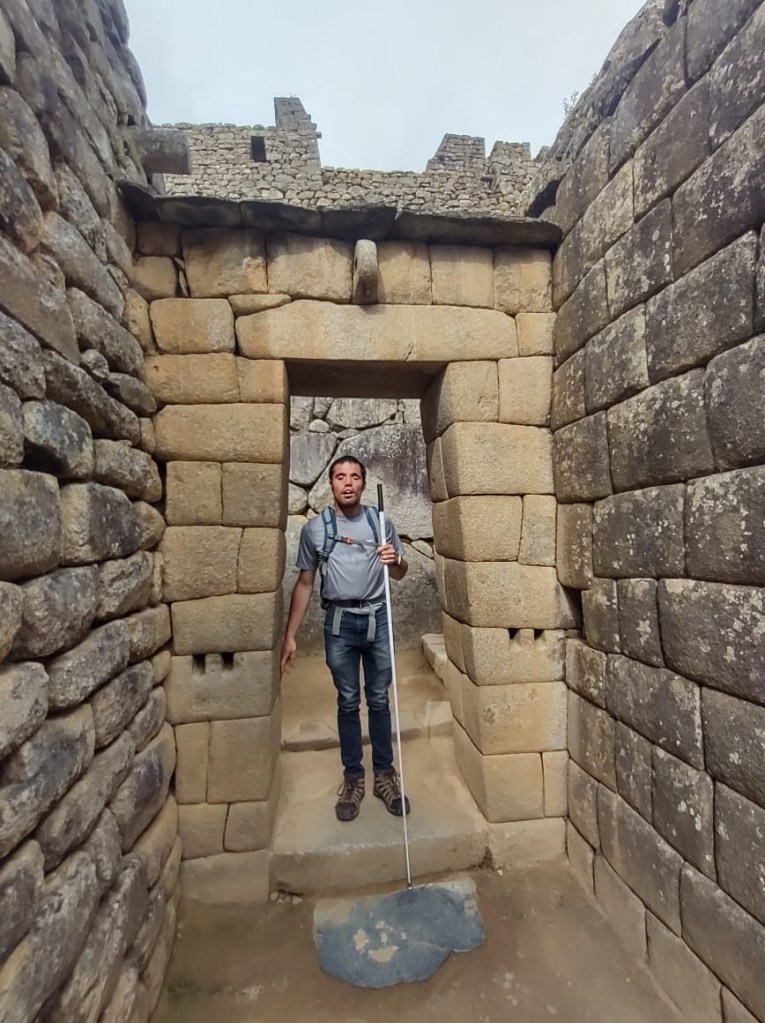
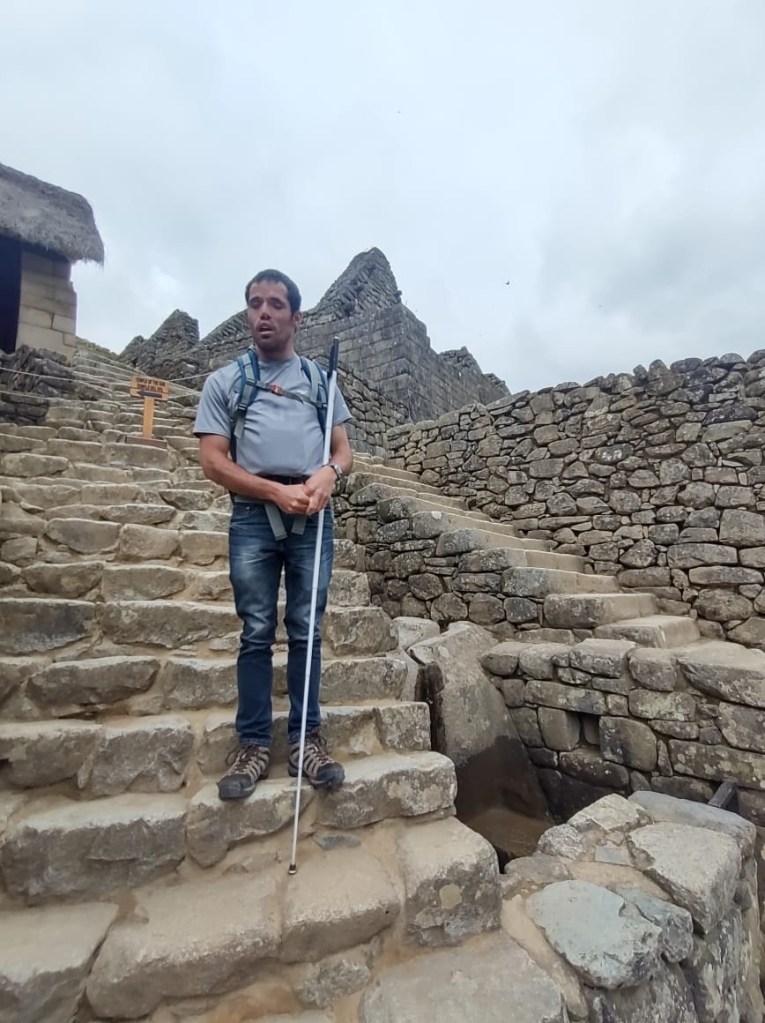
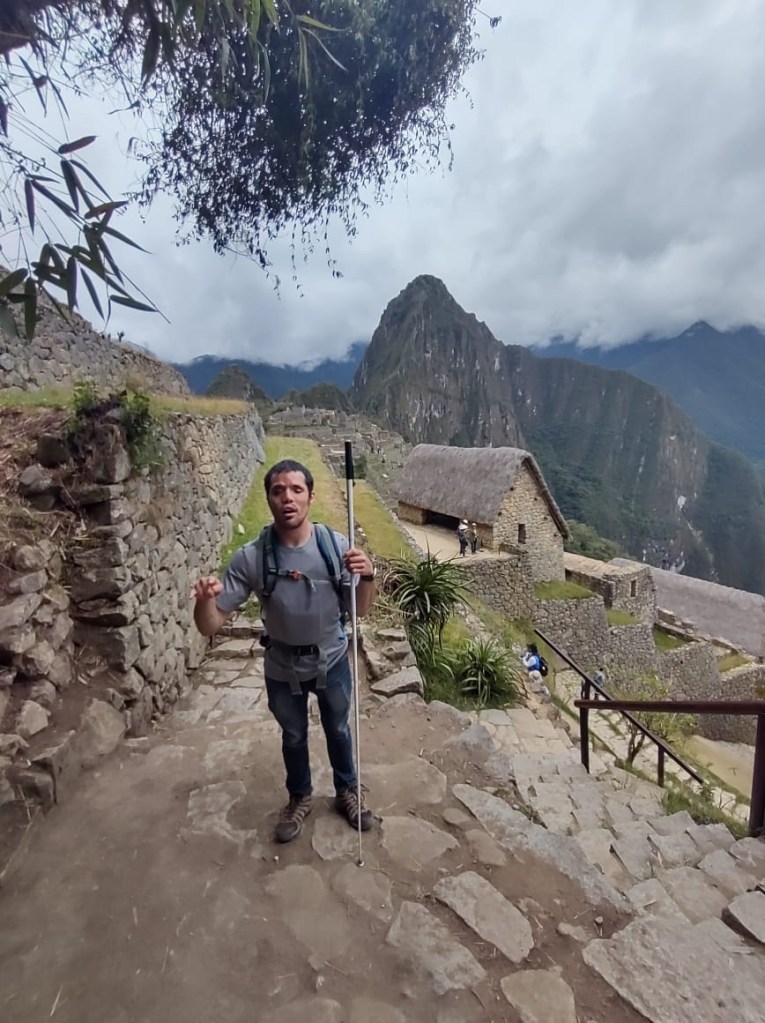
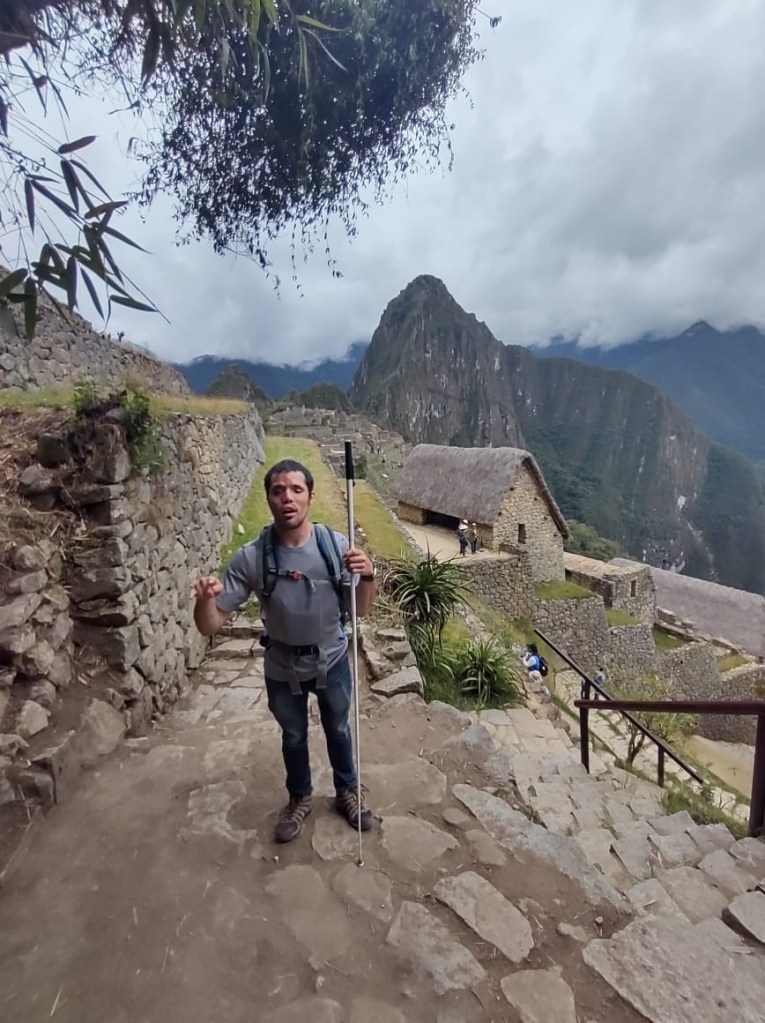
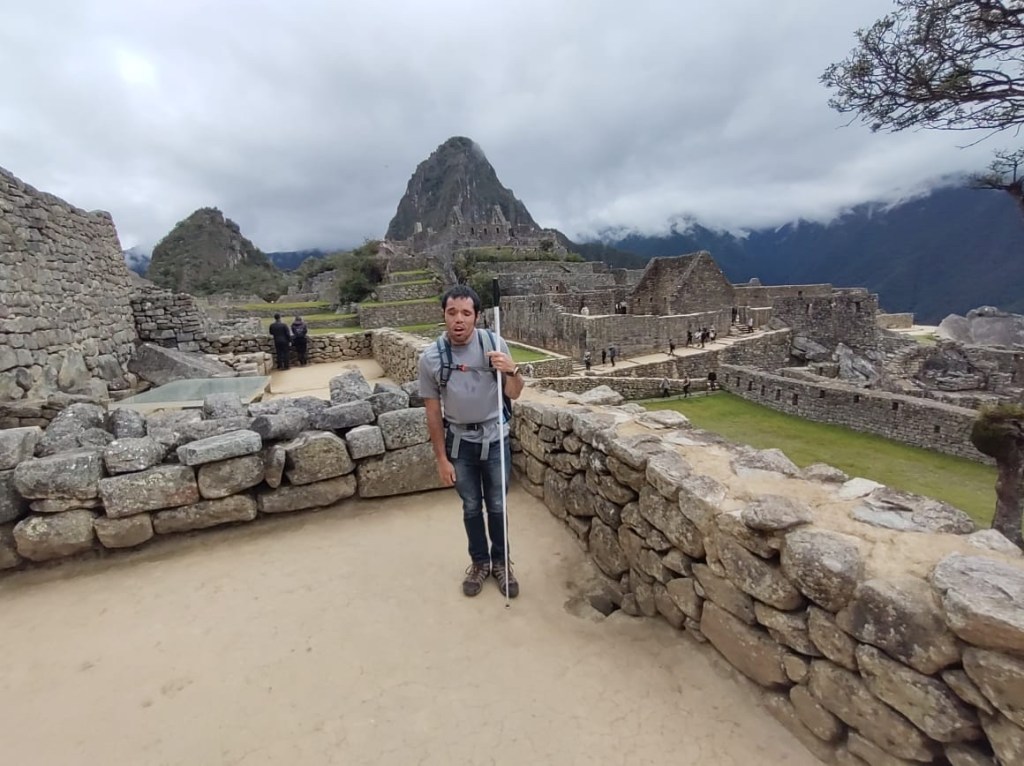
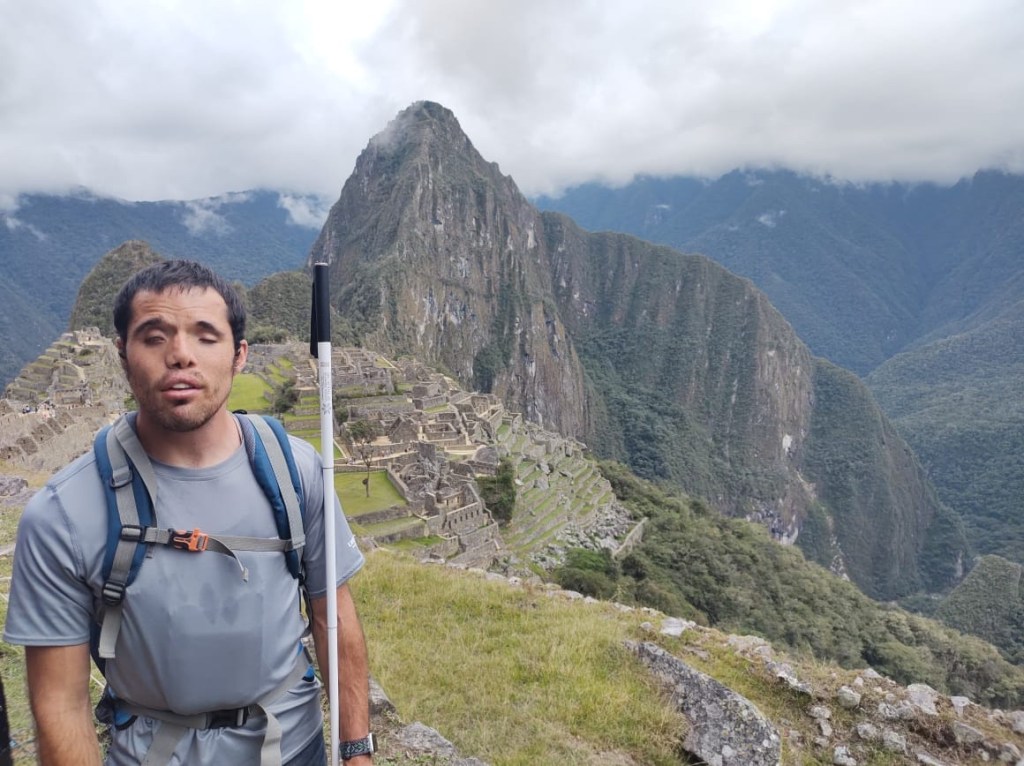
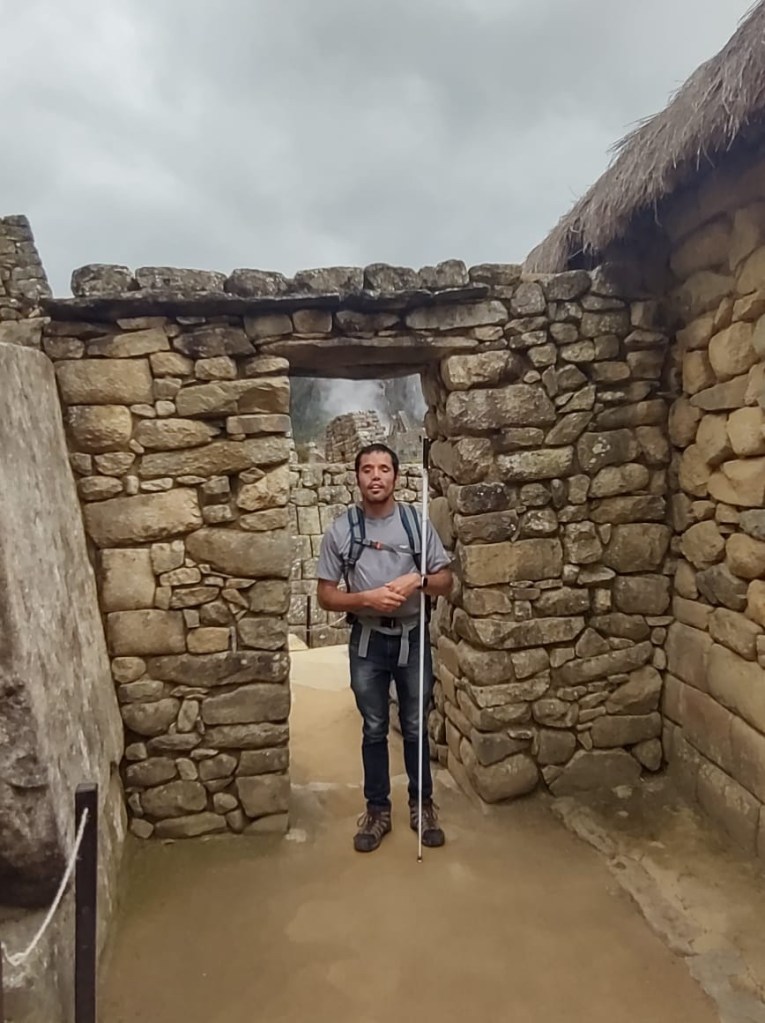
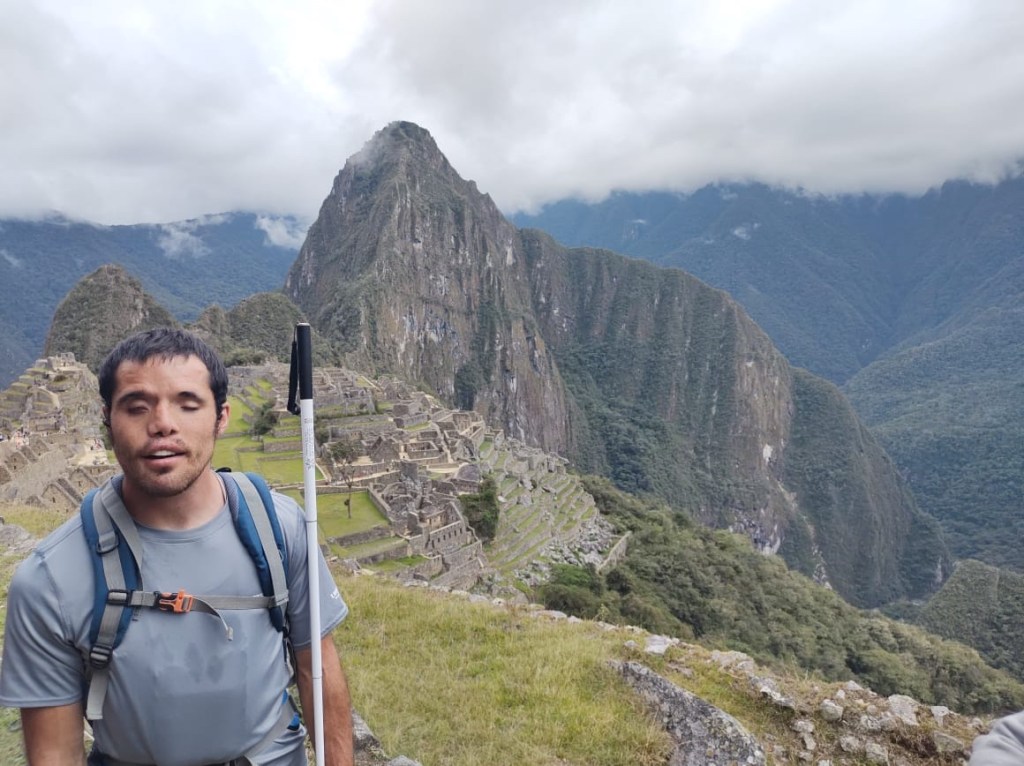
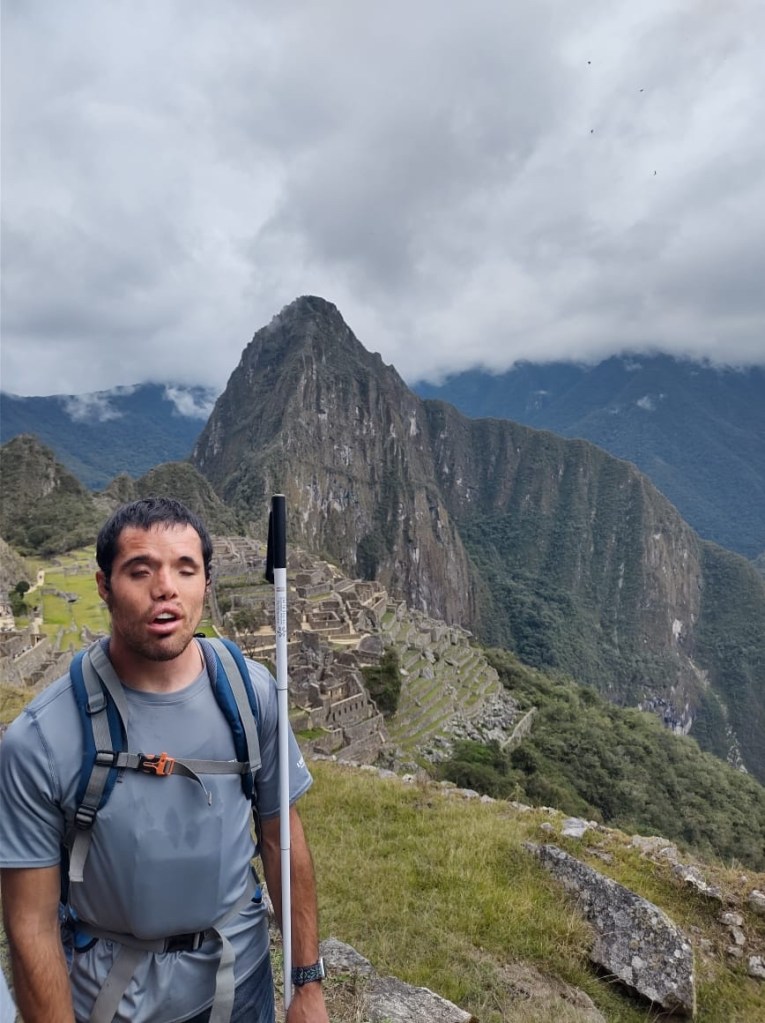
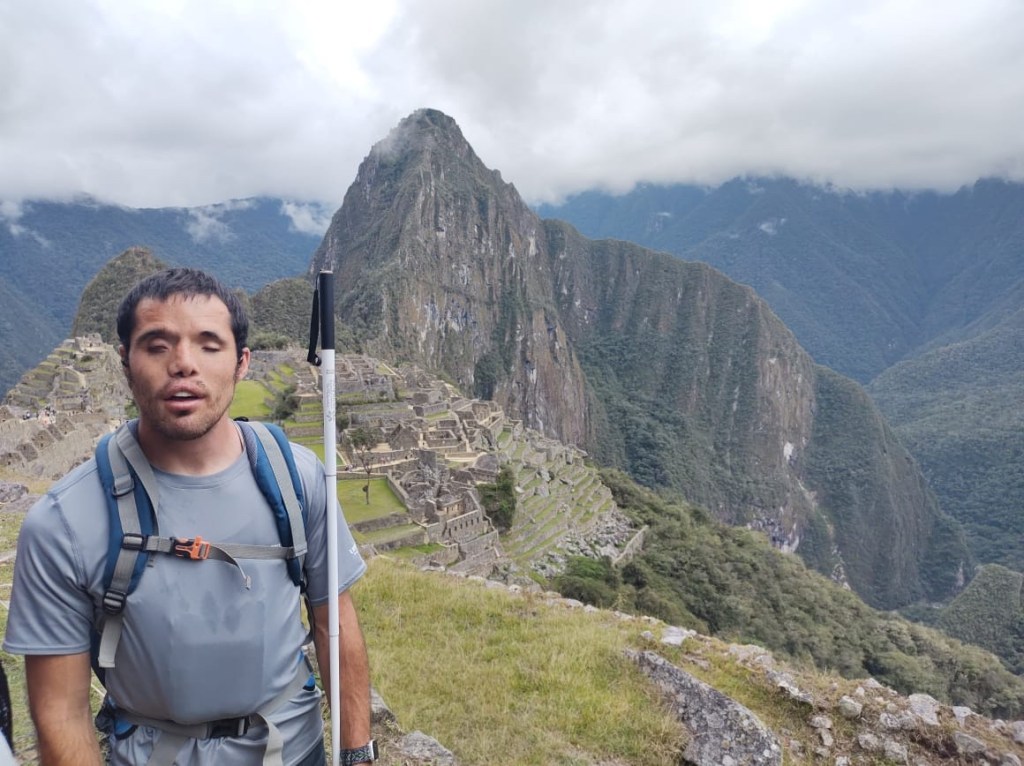
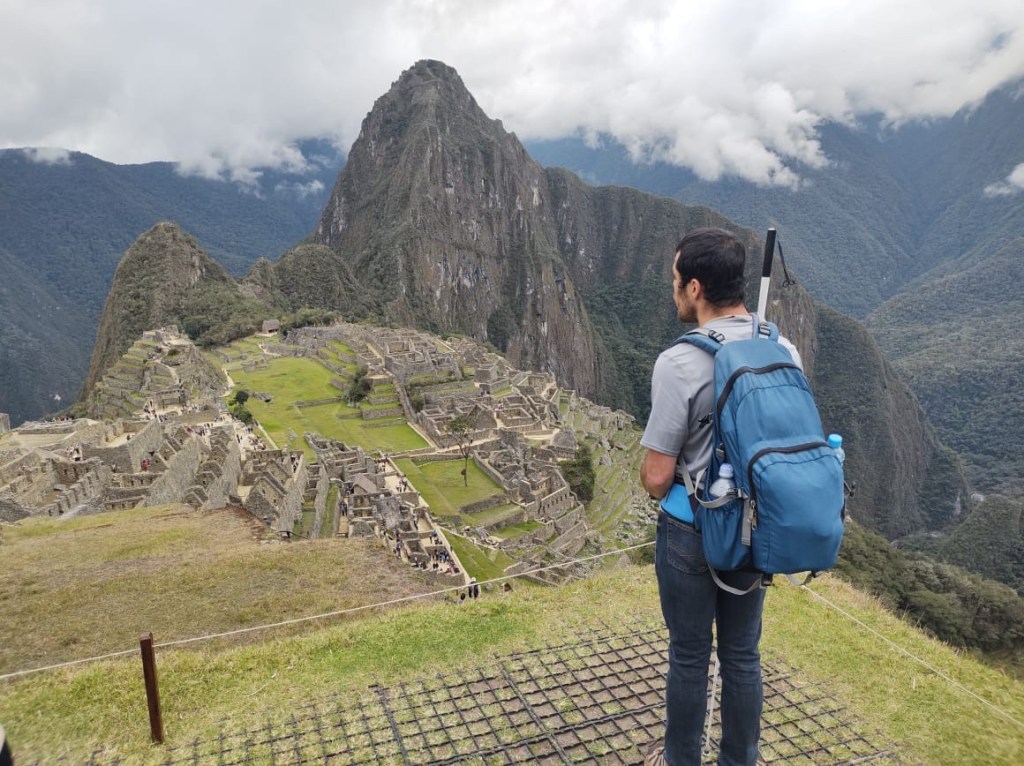
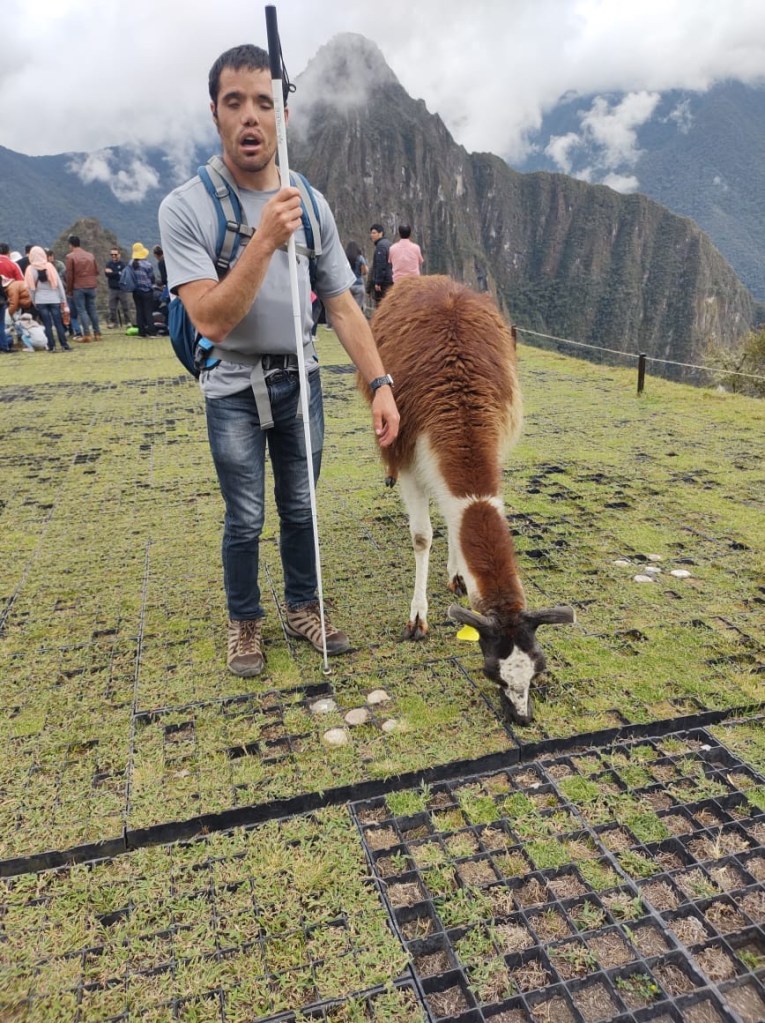
Machu Picchu the next morning was, to be honest, a lot of information all at once, and my questions were either lost in the tide of information or were met with, “Let me finish my speech.” I was given a book recommendation from which I hope I can refresh my memory, because I came here to learn as much as I could about this Inca citadel, not just to be there. What I do remember is that there is an agricultural center, a religious center, and an urban center, and they all face east toward the sun, which they worshipped. Ever COVID, Peru’s Minister of Culture decided to rope Machu Picchu off into sections. My circuit only included the urban center, which was still cool. The most memorable place in that center for me was the emperor’s house. The streets are even narrower than those in Cuzco, such that only one or two at a time could pass. The chacana is an important symbol in their culture that represents a bridge between their three worlds. The upper world is ruled by the condor; the underworld is ruled by the snake; and–I really hope I get this right!–the middle world is ruled by the fox. Machu Picchu has many levels. It’s unfortunate that we didn’t get to see all of them, but it was another step back into antiquity. Eduardo took many pictures of me and the surroundings; then we went to the outskirts of the city for my classic picture. Walking into the city, there was originally one platform, and on special occasions one would stand on this platform and participate in the ceremony of purification, a part of which included a naturally growing hallucinogen called, in English, the trumpet angel. As intrigued as I am by natural psychedelics, I didn’t give that plant a try. Eduardo also told me about this other place, whose name I know but won’t bother to spell for now, that is like Machu Picchu but with many more platforms with more elaborate designs.

It was a good thing that we arrived as early in the morning as we did, because Machu Picchu wasn’t very crowded at the time. After everything was said and done, we took the bus back down to Aguascalientes. On our way back down, Eduardo and I were planning out the rest of the day, and he asked me, “So will you be good if I leave you in the main square to walk around for a little while?”

Thinking he was actually asking me what I thought, I replied, “Sure.”

“Mm mm mm mm,” he said–I have never been treated so like a child in a long time! But everything went fine, and after a good lunch of guinea pig and rocoto relleno, we left for Cuzco. In spite of all the trials of those three days, I came away quite refreshed, and the pictures were more than worth it.

The Difficulties Worth the View

So this week was important for me for a few reasons. First, it marks the halfway point. To this I have responded by planning out the rest of the weekends I have here, because I want to take in Peru and any more of South America I get to see with eyes wide open, and I am excited to take you along. It will also mark a turning point in how I approach my internship, though how I’m not quite sure yet. What I do know is what I will do as a result of the advice I got from my Spanish professor at Proyecto Peru. I came by that advice when the volunteers at this program went to clean some ruins, and by some mistake I wasn’t on the list of people to go clean. When I tried to take advantage of someone who had signed up not being there, I was told that if I were to go, I would need my support guide the entire time. This brought everything that was bugging me to a head, and I basically didn’t go to work because I didn’t think it was worth it that day and because I was so pissed. In such instances I am grateful for one of my classmates, who, upon learning this, invited me to go to Mercado San Pedro with him and Anna, the other girl from SUU, for their Spanish class. I enjoyed it, and I was determined to return soon because it is full of unique things to eat and things to buy as souvenirs, to name only a couple of things.

The next day I finally approached my supervisor about what was bugging me. He thought everything was fine and just told me to share the work with my fellow volunteers. Later I learned from my Spanish professor that I am apparently still new in the practice of adulting, because she told me that I should have had more self-control and went to work whatever the hardship was. I don’t totally regret skipping, but I do intend to not make excuses like that again.

This weekend was exhausting, but worth it!! I took a Peru Hop bus to Puno and went on a tour of Lake Titicaca, or puma. First we visited the Uros, floating islands made entirely out of reeds. The foundation of each of a hundred of these islands is something that is half dirt and half reed. The buildings we entered were made of wood. Each island has its own name, several families, and its own president. They are inhabited by Aymara and Quechua people. In the 1450s when the Incas arrived in Puno, a group of people left and began building these islands on the lake. They did the same thing when the Spanish came later. Thus they are called the Intomables–the Unconquerables. Living on these islands requires constant work. Every fifteen days they are replenishing the reeds that make these places home. There are kindergartens, primary schools, and secondary schools on the islands, but from what I understood, some kids elect to go to high school on the mainland, and of course the university is also in Puno. Our guide lives on the floating islands and translated greetings from the president of the first island we visited, Santa María. I never learned the name of the second one, but I bought a black pillow case–they said that this was the best way to donate to their community. I’ve heard from two people who previously visited these islands that upon landing on one of them, a crowd of people flocked to the edge and begged for money. They didn’t stop until the boat left. We never had that.

On the island made by nature, we ate lunch with the local families that consisted of quinoa soup, homemade bread, trout, and matte de muña. Afterwards we visited the plaza of this island. It was the calmest plaza of the three I’ve been in. Everything is connected to, and especially in the case of the floating islands, depends on nature. Walter, our guide, was telling me as we walked around the plaza and through several famous arches that led out of the plaza and toward the shore, that here there is no attitude of materialism. The incredible thing is, I could feel that in everything about the islands. I felt perfectly content with what I had, who I was, and where I was now, and nothing else mattered. I thought about how I could maintain such a mind set as we sailed away from the islands and watched some waves. Experiences like this made me as determined as ever to figure out how I could bring about an attitude and a circumstance change for myself.

Back in Puno, I got someone I trusted to help me take out money from an ATM. Then I asked her for recommendations on what was good to eat. If you hear anything about there being no good food in Puno, look beyond the naysayers and ask for local recommendations, like a real traveler–haha. It was at a restaurant near the Plaza de Armas–this is a common name for the plazas throughout Peru–to which I was directed that I got to have ceviche again, along with fried cuy and papaya juice. After that I walked back to the hotel and waited with everyone else riding with Peru Hop until the time came to walk to the bus station and return. That night I slept much better on the bus because I made sure I had a better seat. Another unforgettable weekend down, and I anticipate this upcoming week to be the same, as I will be hiking to Machu Picchu via the jungle. I will see you at the end of that adventure. Despite the struggles I’ve had, I don’t know of any more sincere way to say this than the way it is said by the band “Three Doors Down”—”And I’ve got to say, there’s no other way, ’cause I’m having the time of my life.” Before I came to Peru, I had this romanticized idea of travel in mind, and while it is still a lot like I had imagined it, there are things that have lost the glamor they once had. This modification of perspective, however, has not made this wonderful thing called travel feel any less right, no less me. Albeit with a more tempered perspective, I still feel the same about things in general as I did on day one.

A Roller Coaster of Beautiful Things

Greetings from sixteen thousand feet lower. I wish I were writing this from the beach, but it didn’t exactly work out that way.

So to be true to the title of this post, this week was great, and it was also difficult. The difficulties were more in work and in meeting new people. The great things? I started reading Harry Potter in Spanish, and I went to Lima. Since this week was quite similar to last week, I’ll just summarize by saying that the challenges at work are ongoing and interesting in that there doesn’t seem to be one way to solve them.

Friday evening I flew to Lima to meet a friend I had met online through the World Blind Union. She and I had arranged for her friend to pick me up from the airport and drop me off at my hostel. She had said something about me paying him for picking me up, but I didn’t question it like I should have because I just thought that that’s how you showed your friend gratitude for doing you a favor here in Peru. This is not the case.

When he picked me up from the airport, he dropped me off at the hostel, but then he proceeded to stay with me until I was in my room after eating a good dinner of chicharrón de calamar and patacones amazónicas. He charged me a hundred soles, where a taxi ride to the airport on Sunday afternoon cost me only sixty. And he didn’t eat with me, only sat and watched.

The next day, he; my friend, Angela; and I went and ate some good ceviche at this restaurant near the sea in the district of Barranco. Then we went to the Bridge of Sighs, where you get a good ocean breeze. Then we walked around the plaza of Barranco for a while before he took me back to the hostel and charged me eighty soles. Some friend. He didn’t charge Angela, so I don’t know why he styled himself as a service. I don’t know what exactly he was about. All I knew was that I had kind of felt misled.

That night I went to eat some good food and watch a live performance of Afro-Peruvian music. I admit, there’s still a bit of a language barrier with me, and people in Lima speak so much faster than people in Cuzco, so I had a hard time following along. By the end, I had enjoyed the energetic performance but was ready to go back to the hostel and party at the bar, meet some new people. However, when I went to get on the dance floor, someone, maybe a bouncer, thought I needed to dance in the corner away from everybody lest I hit them with my cane. I didn’t do a good job explaining myself to her, and I left, discouraged and dejected.

The next day I just hung out and walked around myself. I hung out at this park with a bunch of statues, which I unfortunately never appreciated until long after the fact when someone who had Google-Earthed it told me about it. Then I ate at this restaurant that was across the street from the park that was recommended to me by some locals. It was great! Peruvian food has never disappointed! After that I walked to Playa Malecón and just hung out there for a half hour before getting an Uber to my hostel to pick up my stuff and then to the airport. I had slept in Miraflores, and I loved that district! I wasn’t going to be charged again for something I could do without Eduardo, Angela’s friend. That evening I returned home and prepared for the next week.

I’m glad I went because I learned more about what is ideal for me when I travel and about what to do and what not to do next time I stay over in another city.

On Top of the World

Hey everyone. Since it’s been a while since I wrote, I hope I can capture everything important that has happened.

So I have had some difficulty in my internship. In the first week of October, I had resolved to be more involved, even if it meant being a nuisance, until I could figure out my niche. I’m still having limited success there, not the kind that my fellow volunteers are having, and I don’t know what to do about it–I’ve talked to my supervisor about it directly, and he just said, “Don’t worry about it. Just share with your fellow volunteers.” But how exactly do I do that? I’m out of ideas.

Something quite frustrating happened that second Friday in October at work. All the kids went to the park, but the two lead teachers held me back because they said the way there was dangerous, and apparently I couldn’t handle it, but the kids, ages six to eleven, could. This was later resolved two weeks later when I went, and people’s minds were changed about me. That’s great, but like I have suggested, that’s only scratching the surface. Maybe I’m not cut out for the classroom. I always excel at teaching English, in a setting that is more organized, which is my favorite hour. That’s great, but if I’m going to be there for three and a half hours, I want to completely occupy those three hours, none of them spent mindlessly. I just don’t know what else to do! And I’m sick of feeling like I exist in a vacuum.

On the plus side, I am finally figuring out how to better interact with people. For a while I really struggled with their being so helpful, but I’m getting the hang of it in a way that has been beneficial to me and hopefully to them. In any case, we both part ways happy. I’ve just let them in. I do specify what help I need or how I need it if necessary, but sometimes I just let things happen, because I no longer have to prove anything to myself or to anyone. I’ve traveled independently around three cities in Peru (more on that in future posts).

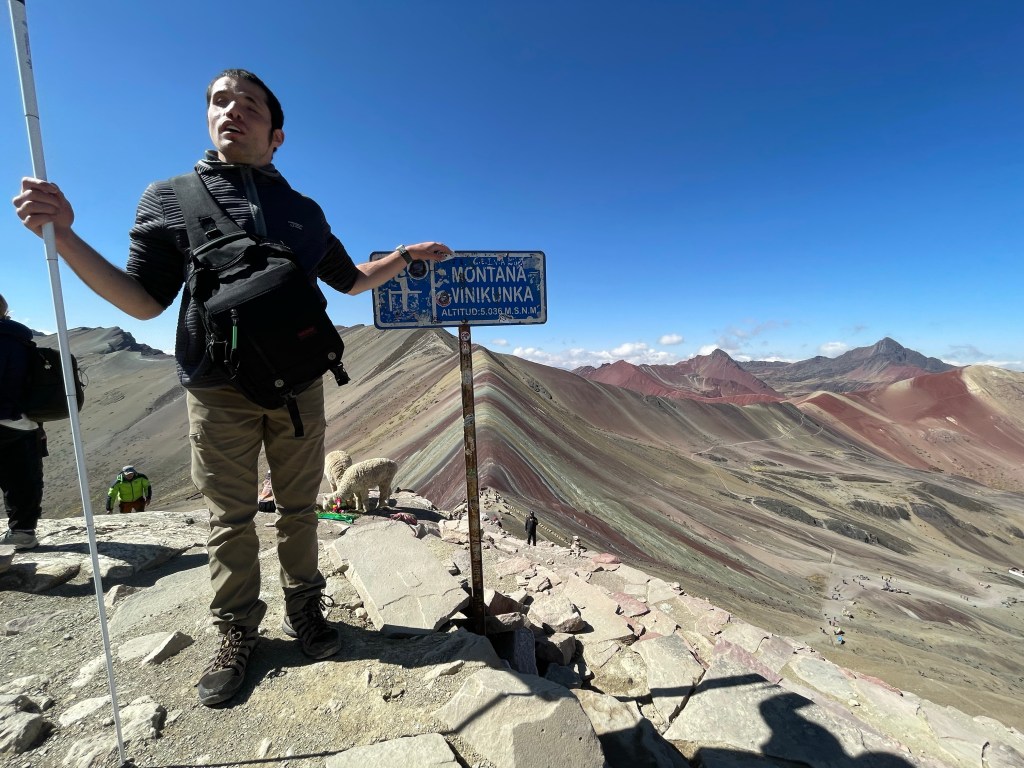
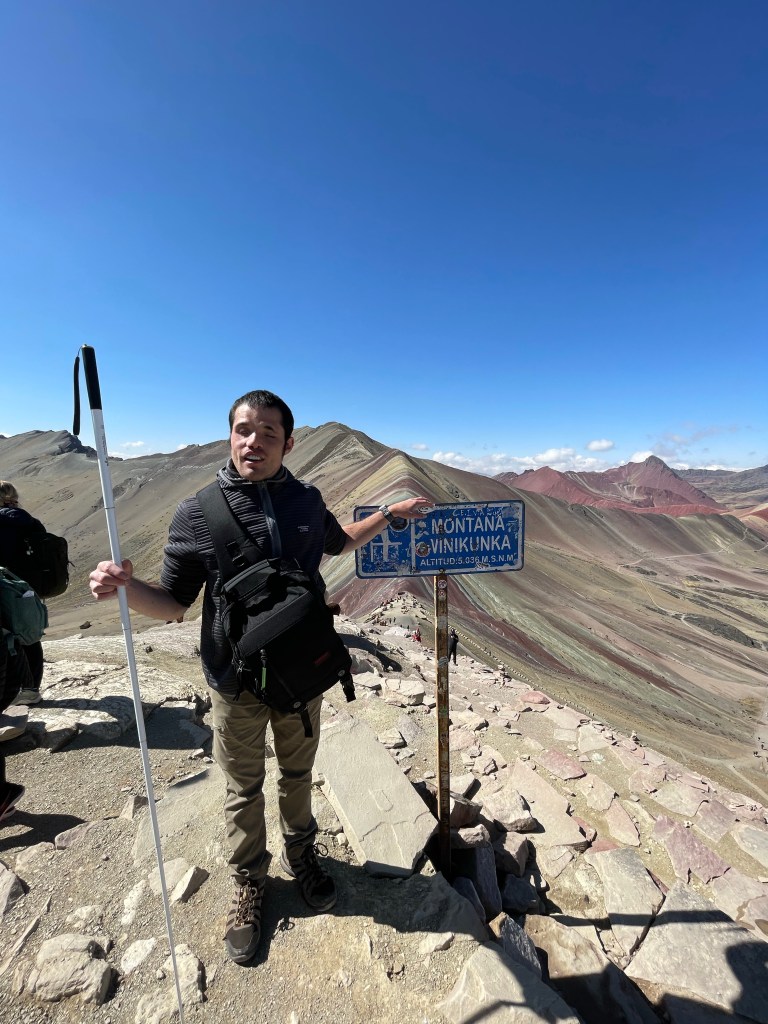
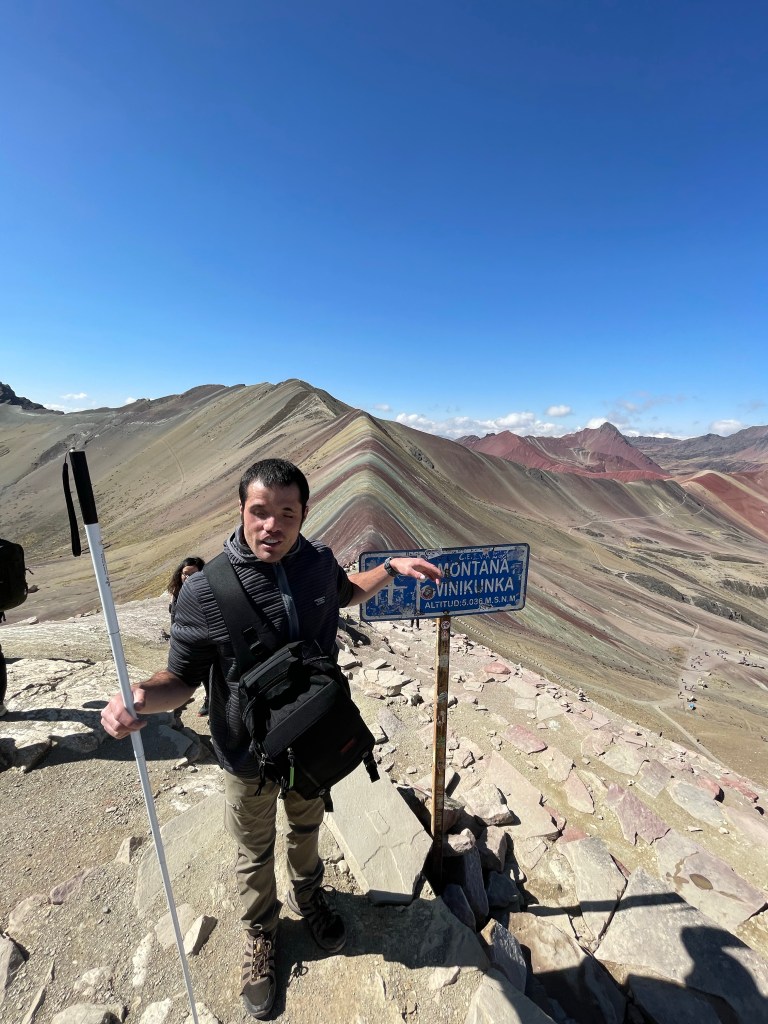
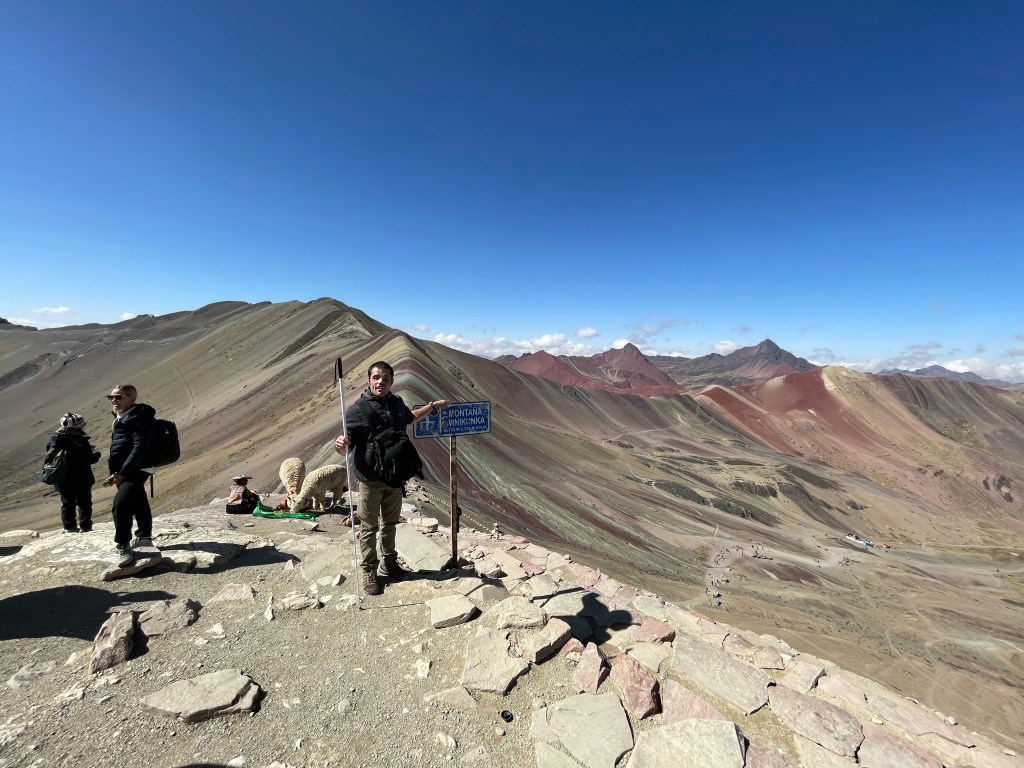
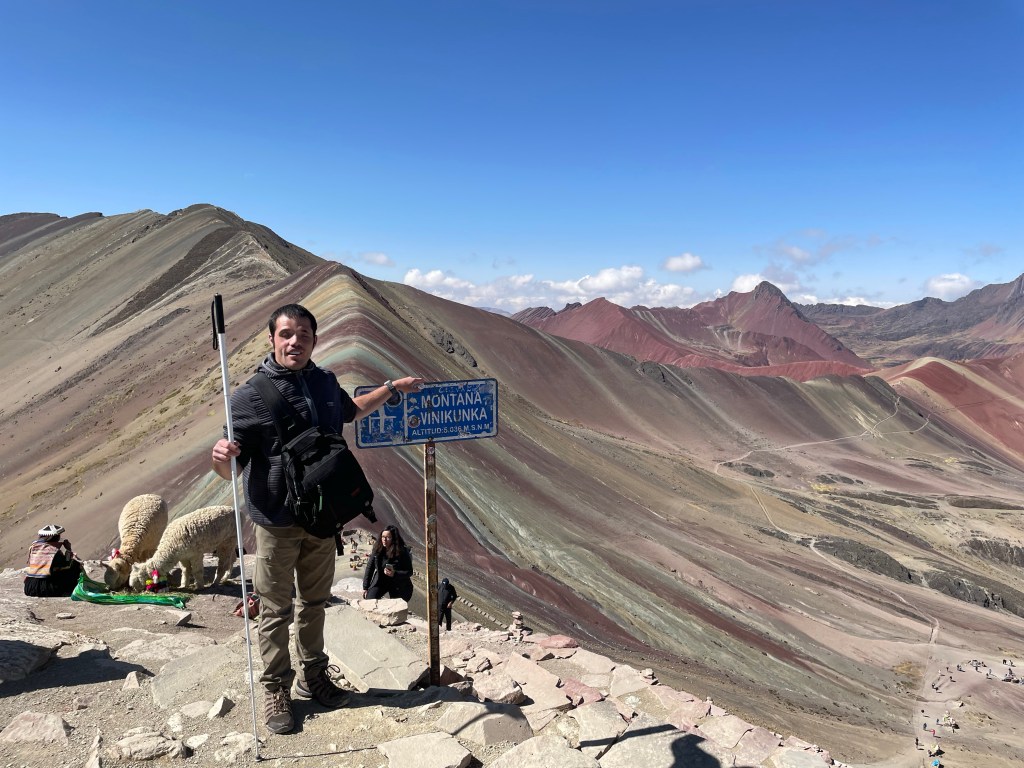
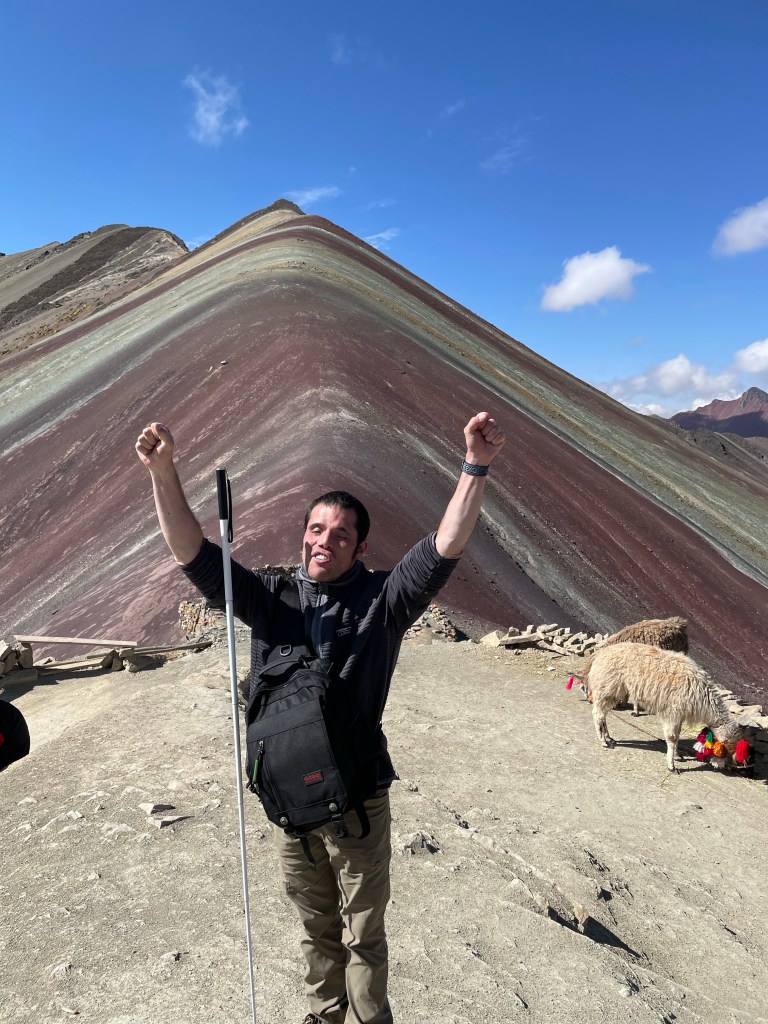
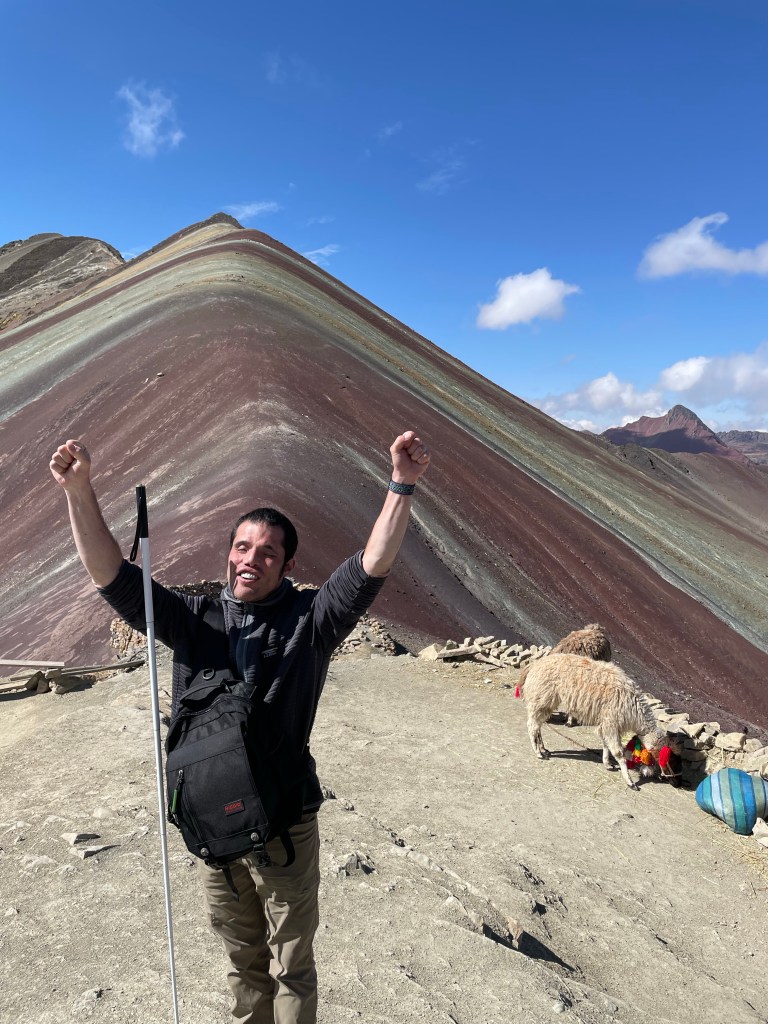
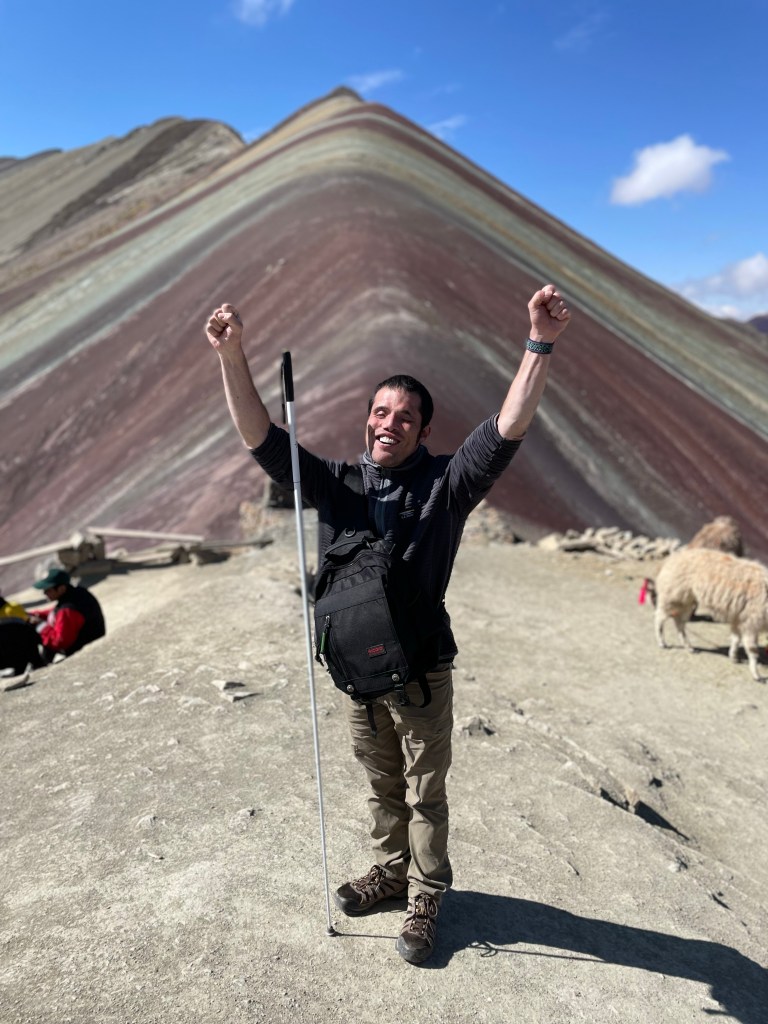
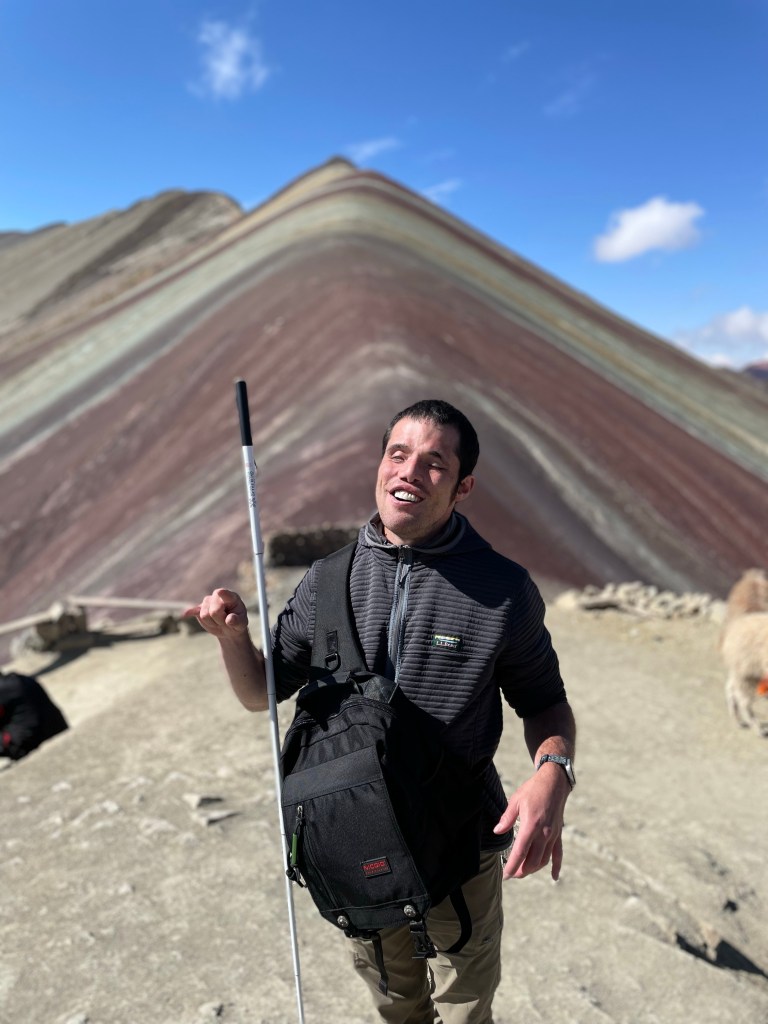
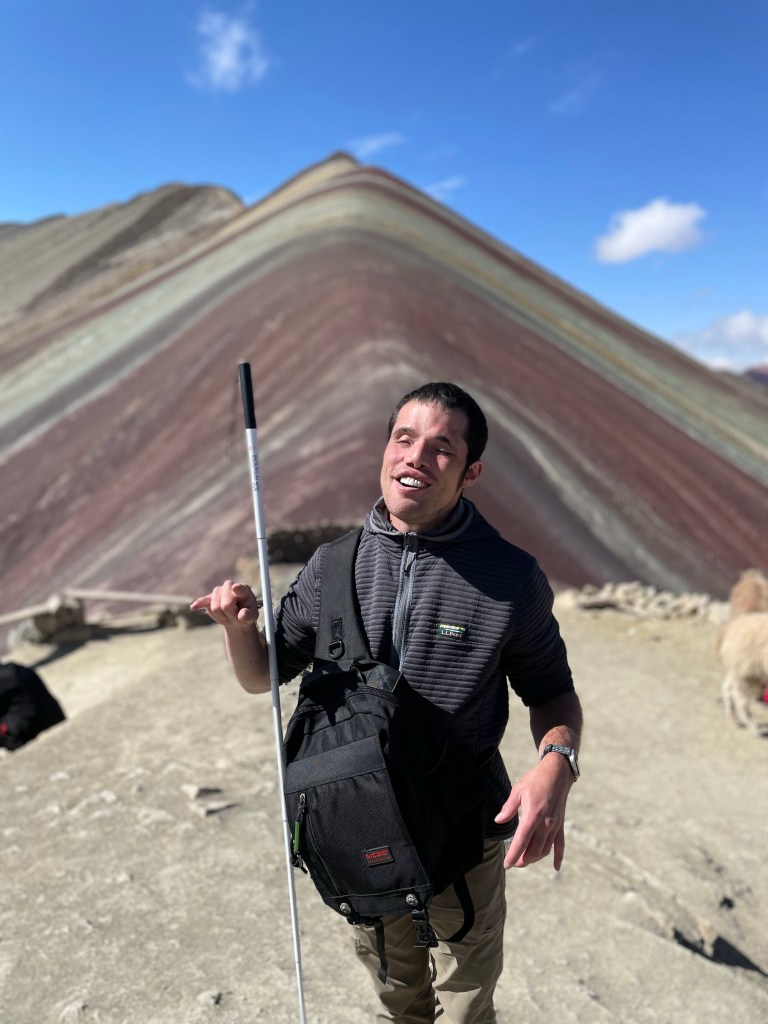
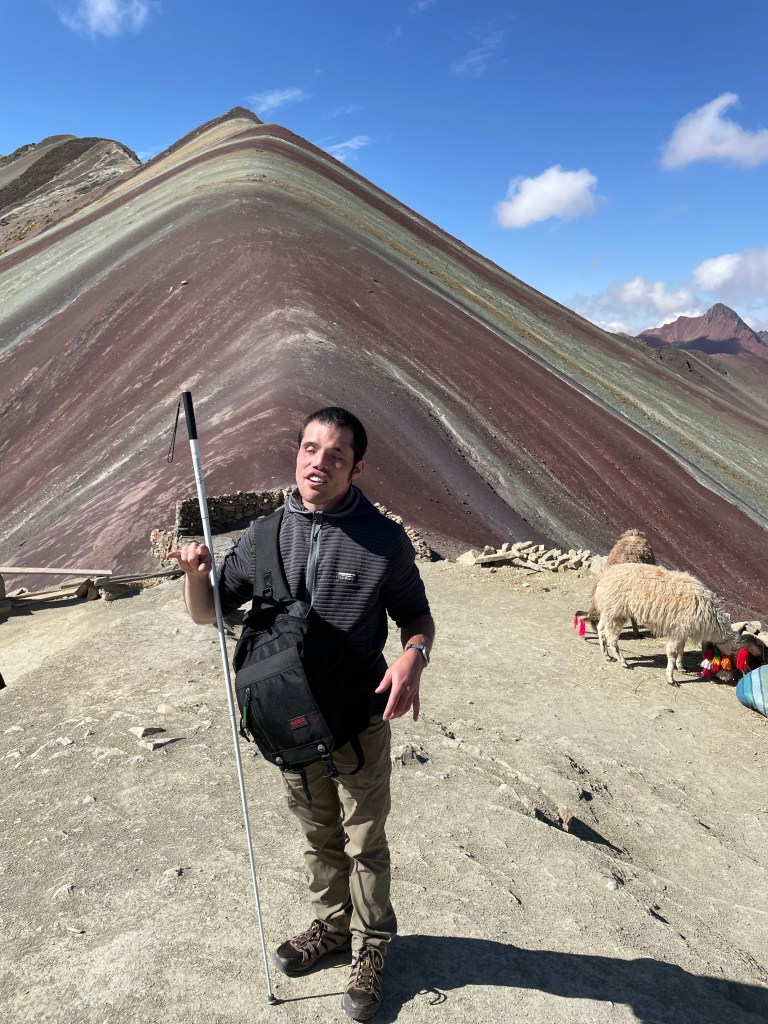
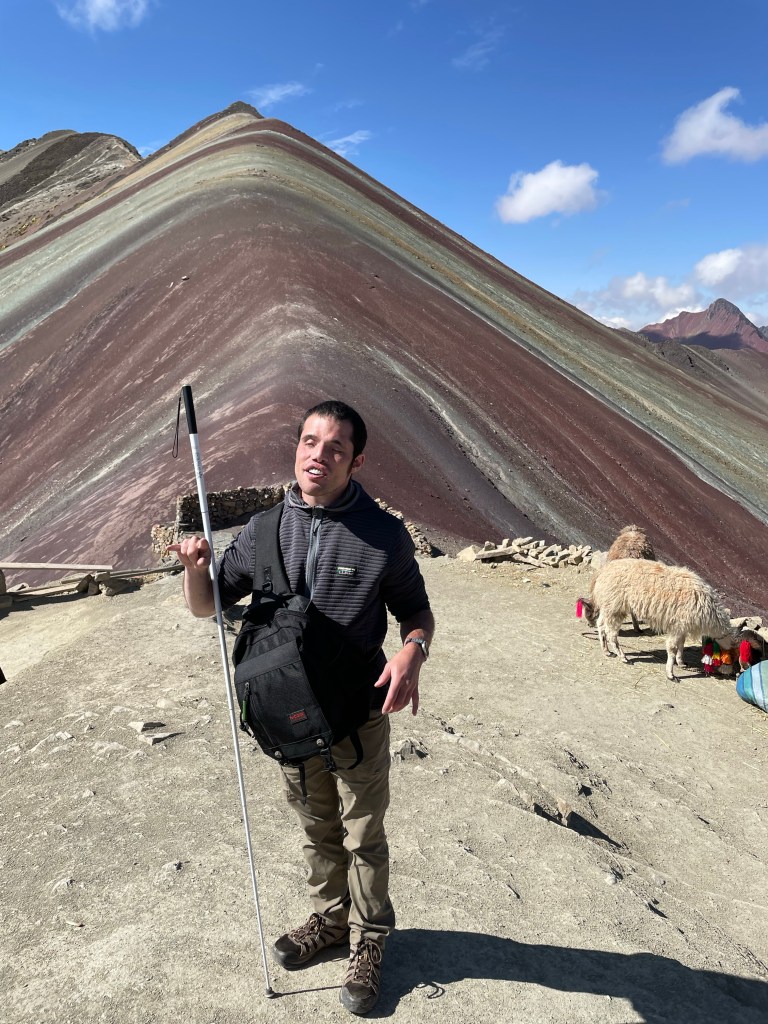
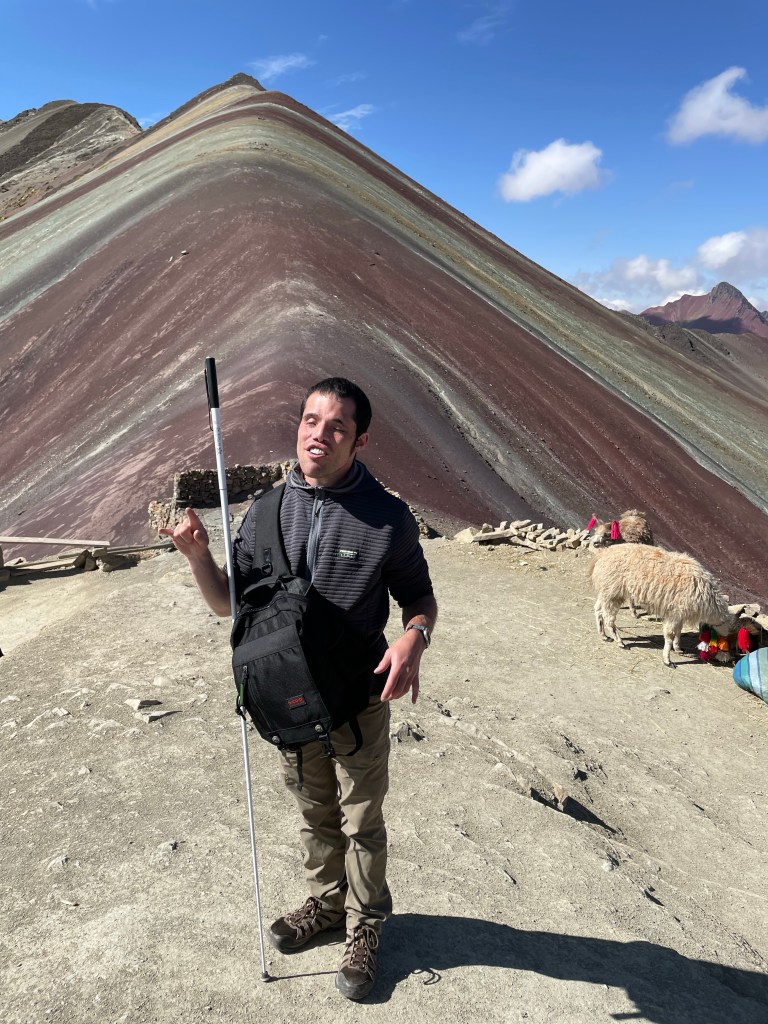
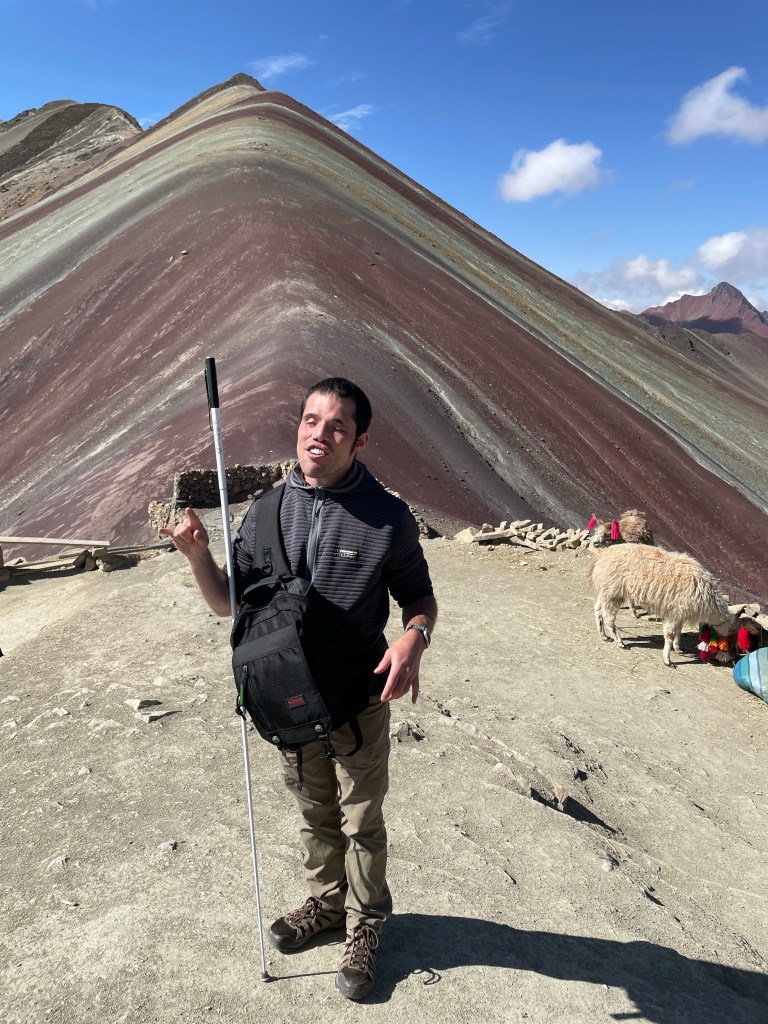
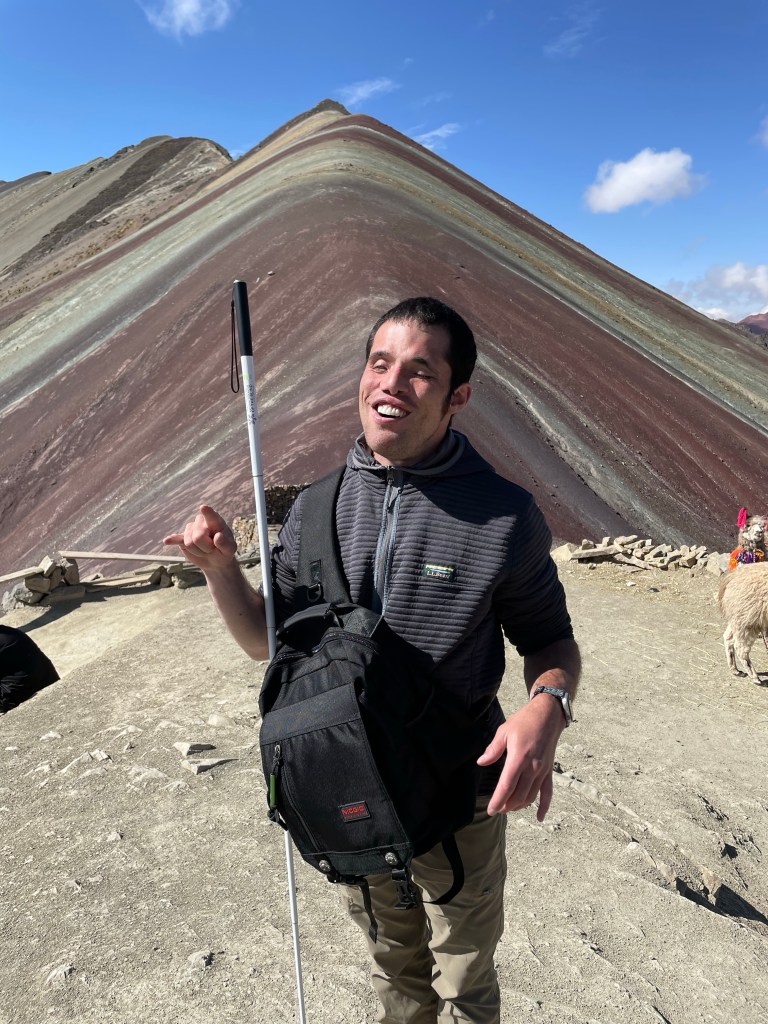
I don’t know why I had waited as long as I did to hike Rainbow Mountain, because the mountains are always such a refreshment to me, possibly rivaled only by Lake Titicaca (more on that in the future, too). I found a really good tour through Peru Hop (for anyone going to Peru, I would ten out of ten recommend Peru Hop for everything from price to security to authenticity). They don’t go everywhere in Peru, but I imagine that for the places they don’t go they can help you find the best experience). We left early in the morning and ate at a restaurant. Breakfast in the Peruvian Andes is pretty good, if often basic, consisting of quinoa, bread, sometimes fruit, and a variety of teas or mattes. Afterwards, we hit the road again. At the base of the mountain, one of the guides, Ivan, tried to convince me to ride a horse because this would mitigate the effects of altitude, but I insisted on walking, and I did pretty well. Along the way up, Ivan taught me a few phrases in Quechua, such as those for “good morning,” “let’s go,” “brother,” and “person”. The mountain is a different world. We were one of the first groups on the mountain, so the silence was supreme, divine. At the top, and really only at the top, I could feel the altitude. Before I came to Peru, I could run five kilometers with little effort. Here, even some little things took conscious effort. Running five kilometers–forget it. I also got to touch a llama and an alpaca for the first time.

On the way back down, we stopped and rested as a group, and I bought chicharrón de alpaca and sweet potatoes. Darwin, our lead guide, told us that there are three rainbow mountains: this one, one in Argentina, and one in China. This one is the best because the rainbow, created by all the minerals, is the most visible. Ivan and I finished the mountain, and we all returned to Cuzco. It had been a good weekend. I had hiked sixteen thousand feet, the highest I’ve ever been.

Things Keep Getting Better

Hey everyone. It’s been a while, so I’ll do my best to briefly catch you up. As the title suggests, things really do keep getting better, although of course everything has a catch to it. Antony and I got to the point where we felt good about me going places on my own. As I said before, I hope to develop a friendship with him that goes beyond an exclusively helping relationship, because he’s cool. We could talk for hours about soccer, pre-Hispanic South America, and Peru in general. It is so rewarding when what I have learned as to how to learn about and travel around new places without special intervention pays off. One of the reasons I am doing this blog is because I want to be a resource to other would-be travelers, especially those who are visually impaired. Of course, I am still quite new, but I can completely agree with what others have said: There’s nothing special you have to learn concerning the basics of navigation when you go to a new area; aside from certain ins and outs of that place, it’s all about problem-solving and doing the things that everyone does when visiting any new place. It might take some tie to get used to it, and that’s okay. You do what you must.

So now that I’m showing up to work alone every day, everyone is talking to me more, and I am respected as a part of the learning community, not as an extra item. Because I like structure, I am having difficulties adjusting to the more freeform environment, but I am figuring it out. I am learning that, as long as I am not in full management of a classroom of twenty to thirty little kids, chaos is inevitable and that I can work with it instead of fight it, and everyone will get more out of it.

As far as school, I kind of feel like a freshman in college all over again: Until now, I believed I was an exceptional student and that studying was never a real issue for me. I’m coming to see that this is because I have never lived with roommates who also happened to be more than acquaintances. While it’s been great for not allowing things in Cuzco to completely stagnate, I haven’t quite figured out how to work that in with homework. I want to figure it out soon, though, because I am planning on working into my daily routine little solo outings during the day before our evening excursions.

So our second Saturday here, we visited the Museo de la Historia Regional. I could go back to that place a few times, because ancient American history fascinates me–it’s one of the lesser known aspects of history. I will have pictures when I figure out our shared photo album.

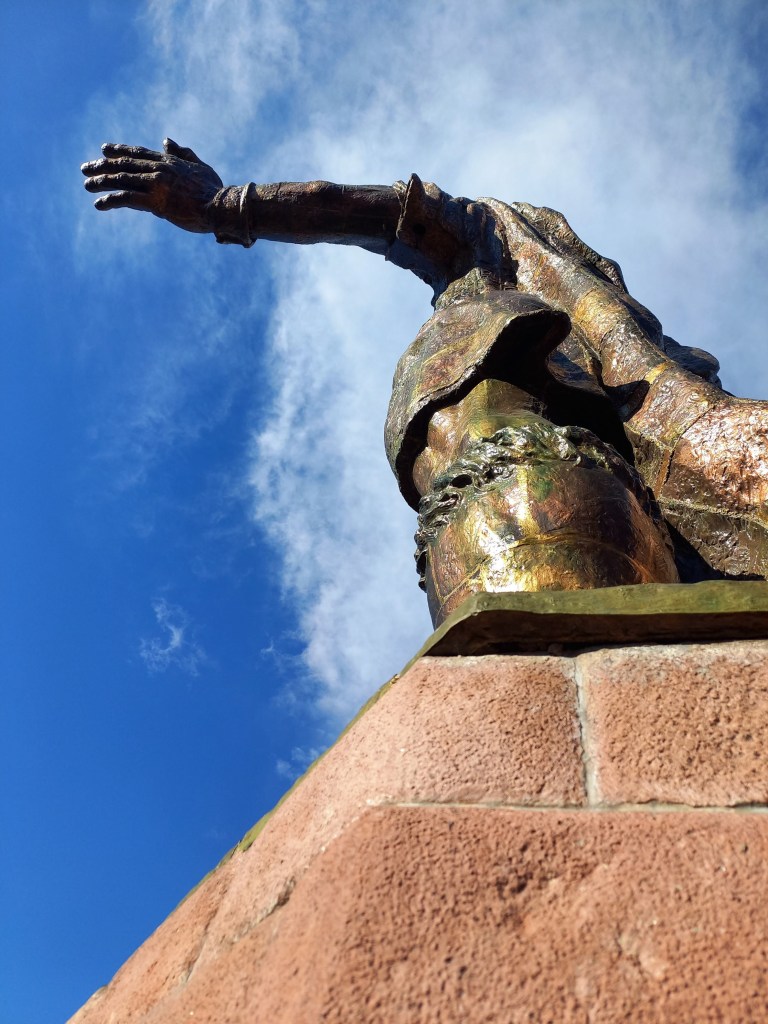
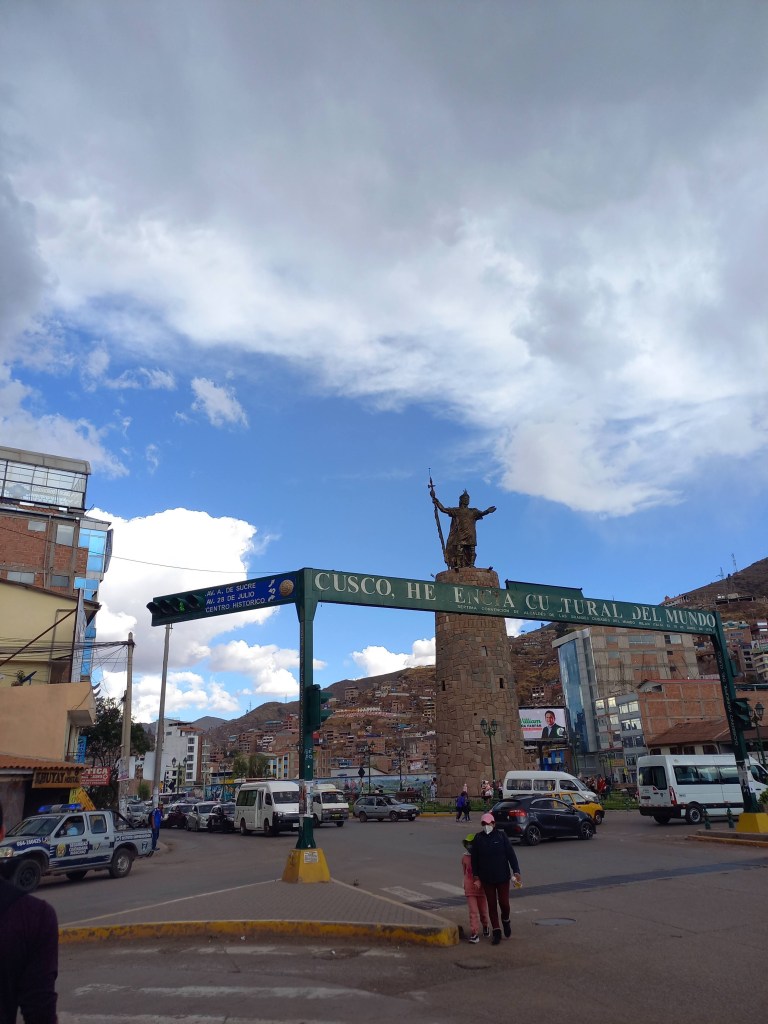
We also visited a six-story building dedicated to the statue and the legacy of Pachakutec, whose name means “returner of the lands,” and who fortunately lived well before the Spanish came. He was legendary for the conquests he did for the Inca Empire, and he did more for the overall advancement of Inca society than anyone before or since. Each story of the building had something to say about Peru’s various environments or, more prominently, about Pachakutec. Once we reached the roof, we took some pictures near his statue and looked down on the city.

Between these visits, we ate at this excellent place called Green Point, a vegetarian/vegan restaurant. What I ate didn’t agree with me, but I would go back a hundred times.

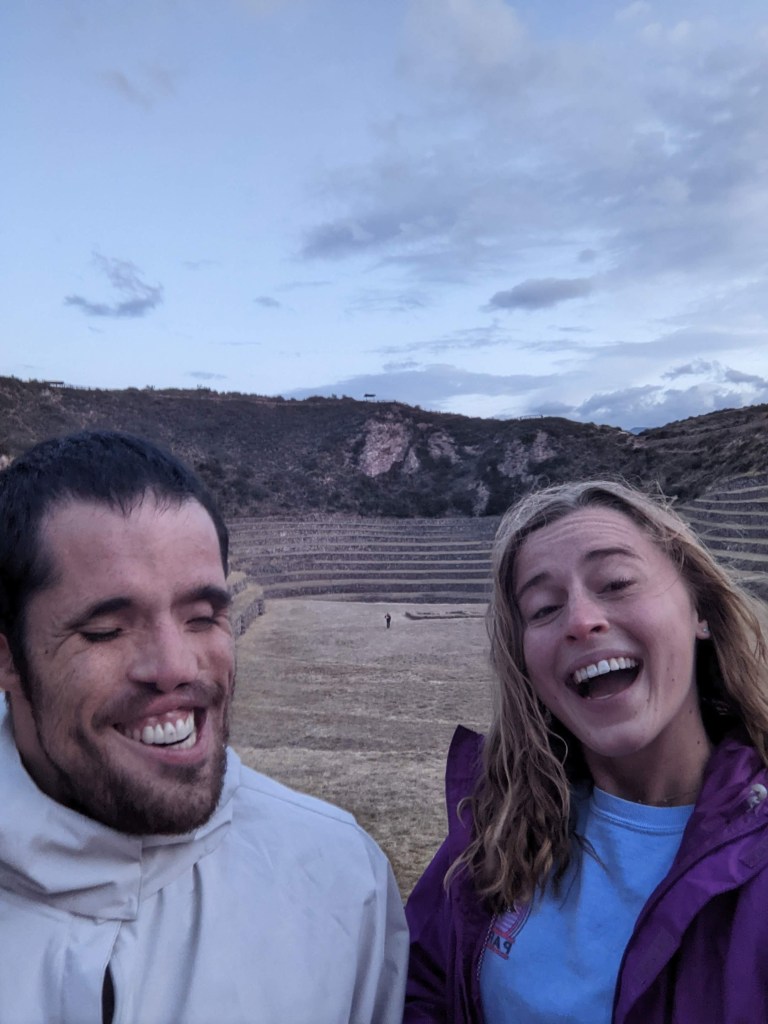
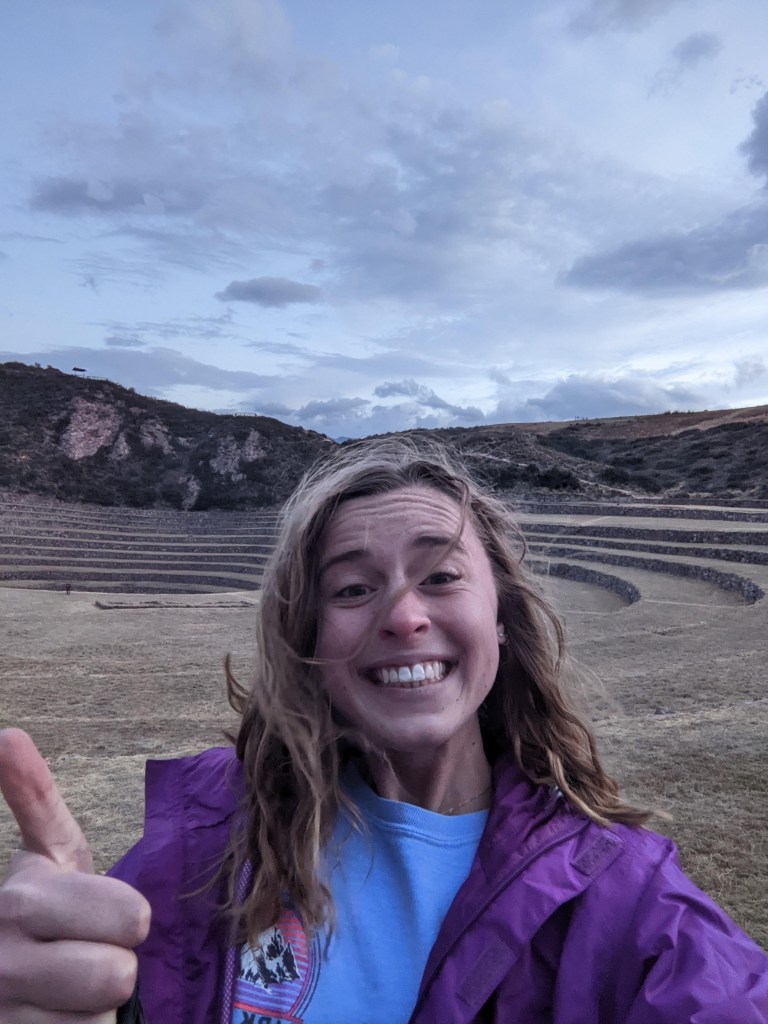
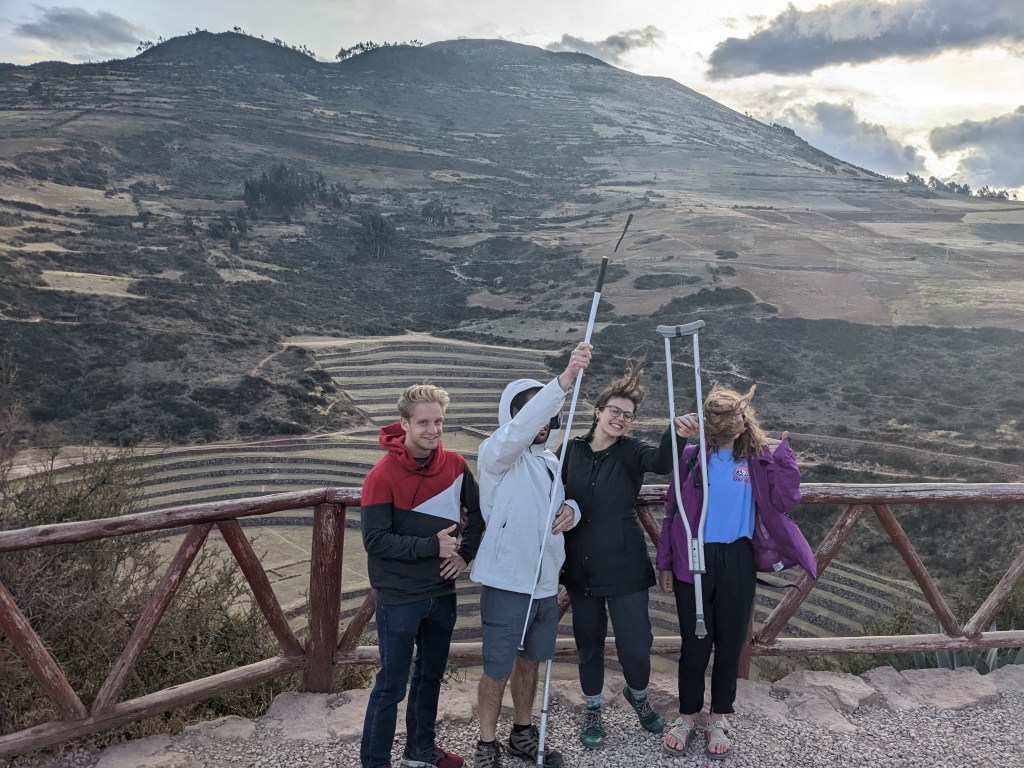
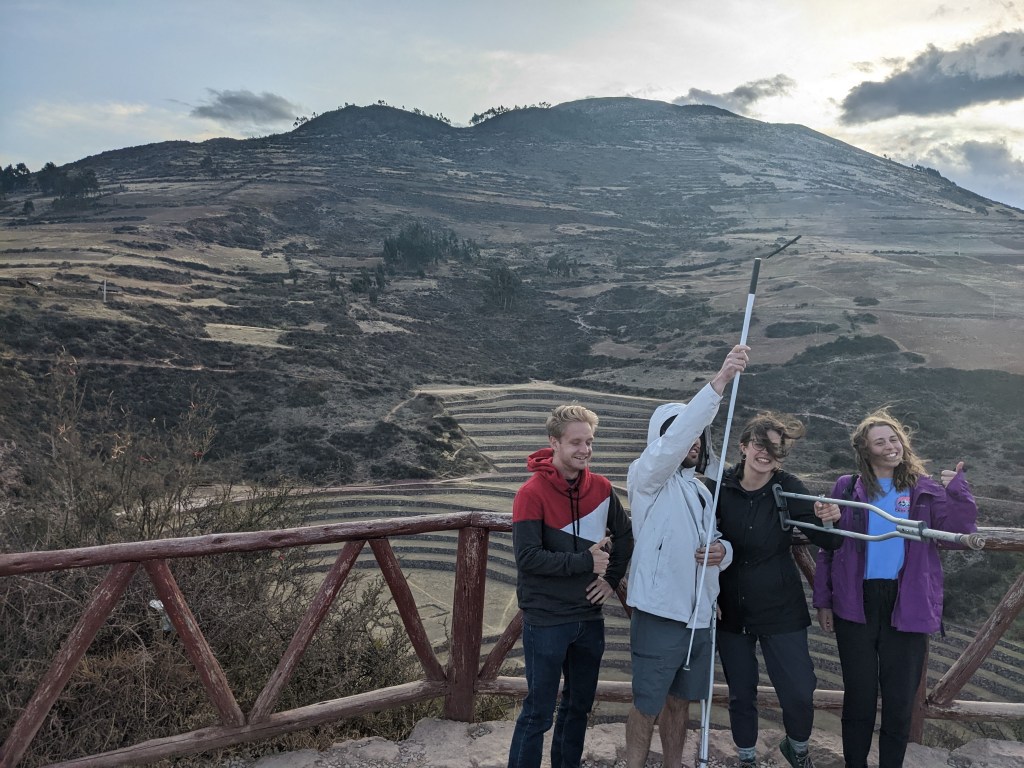
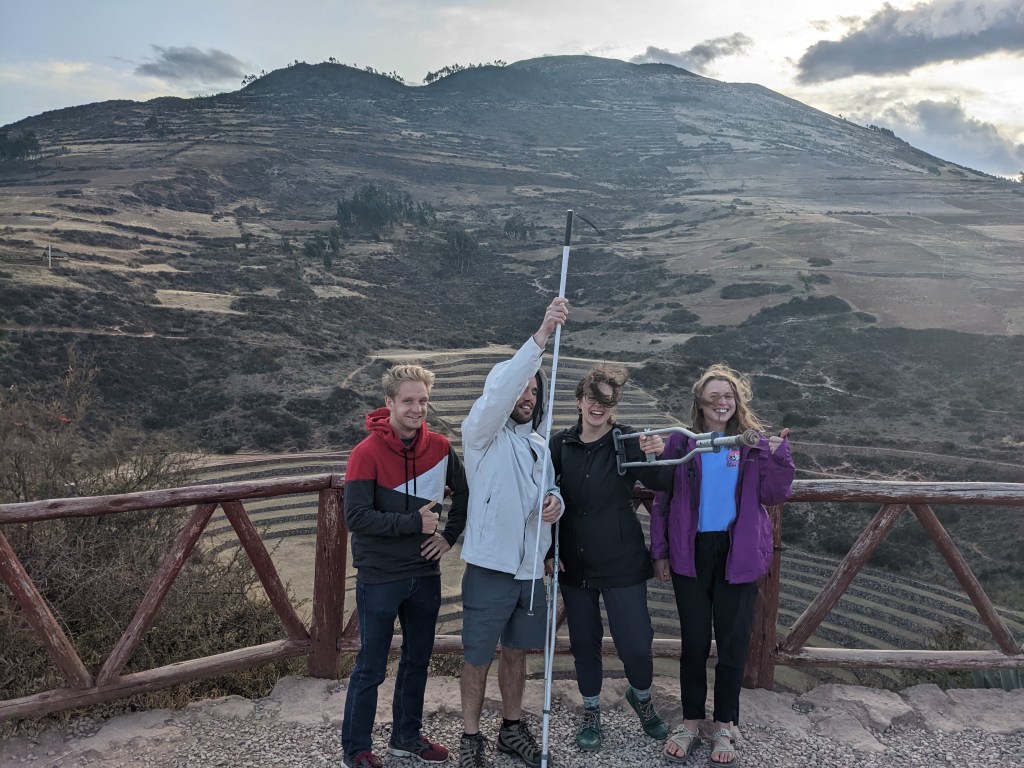
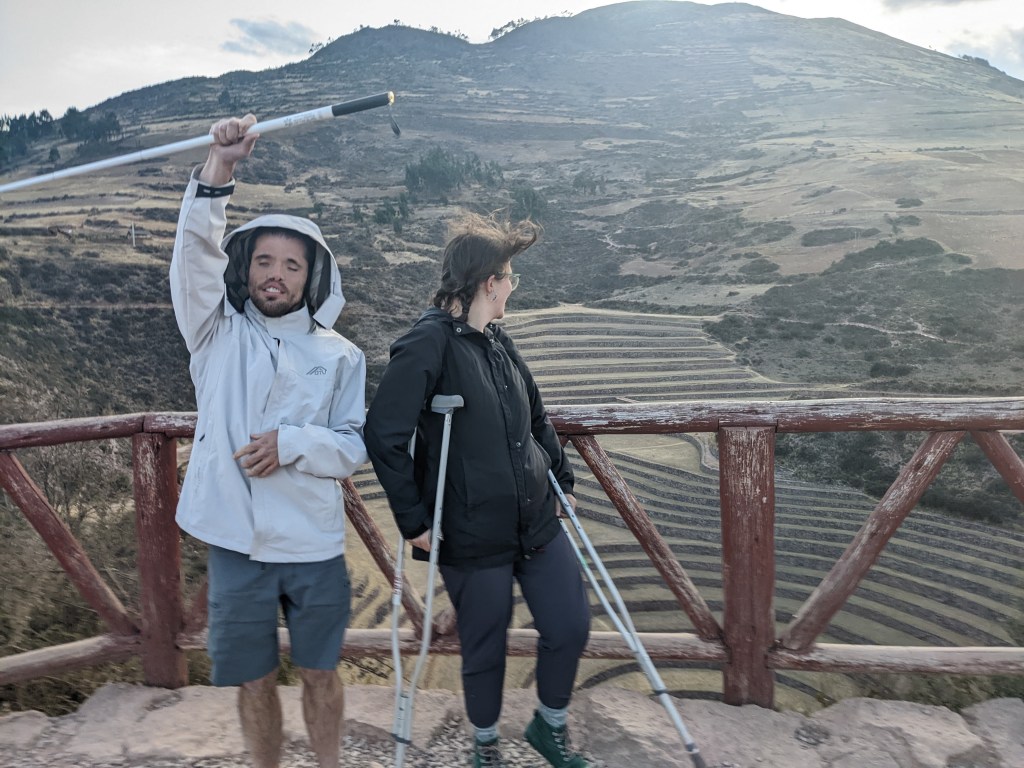
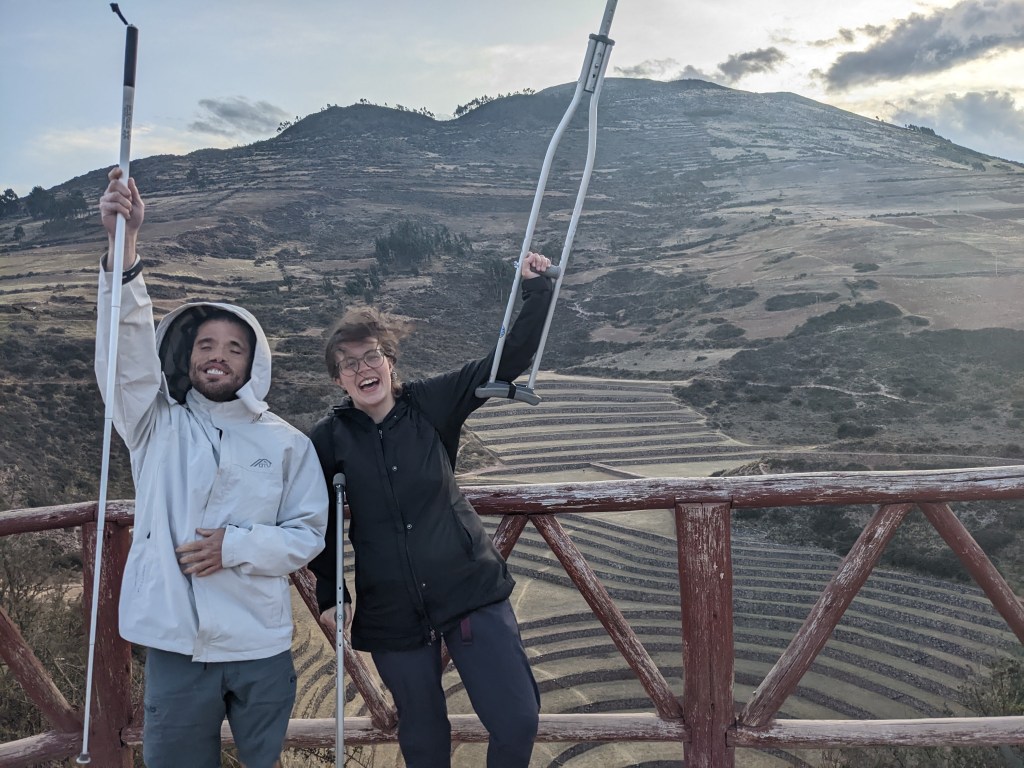
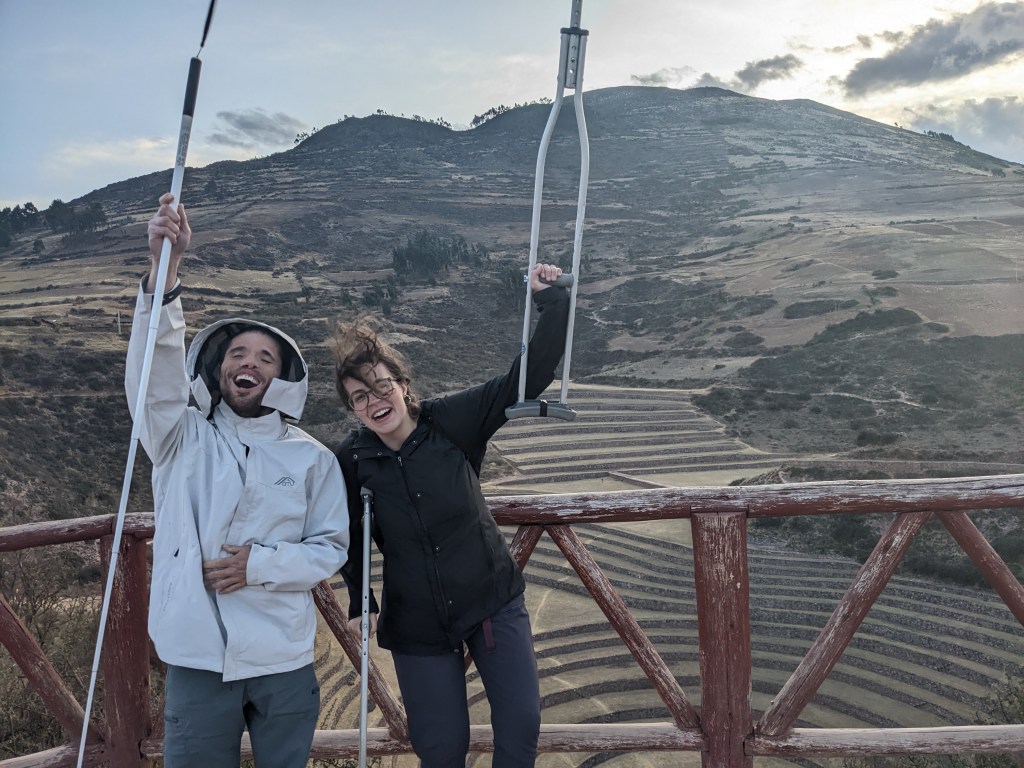
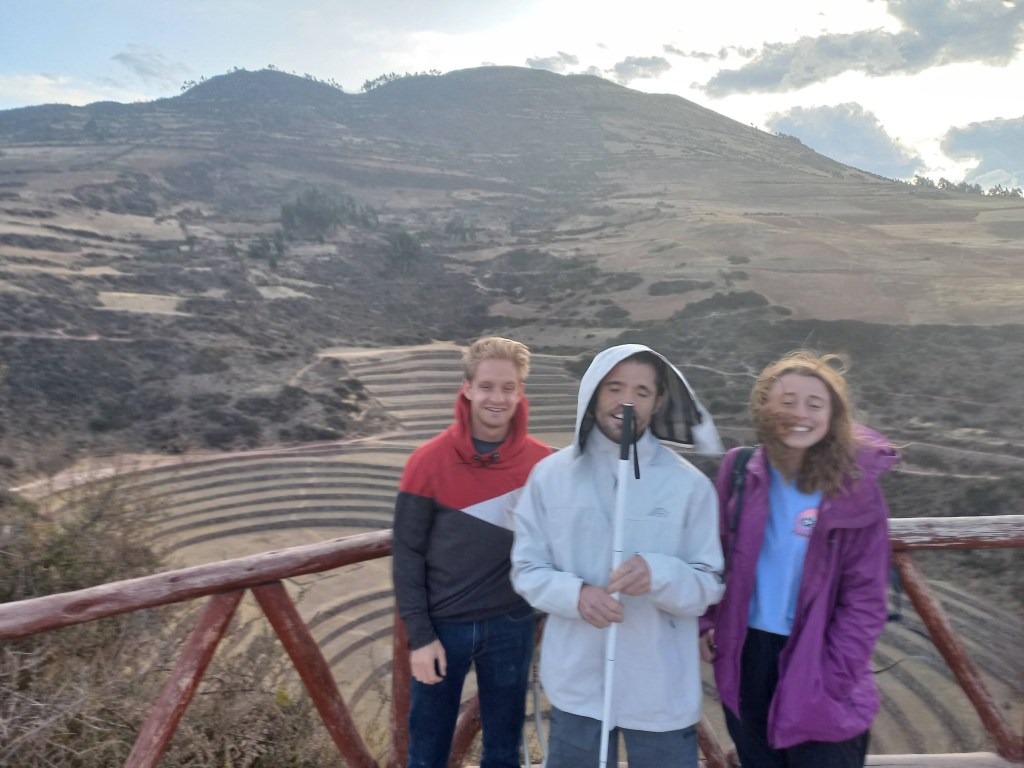
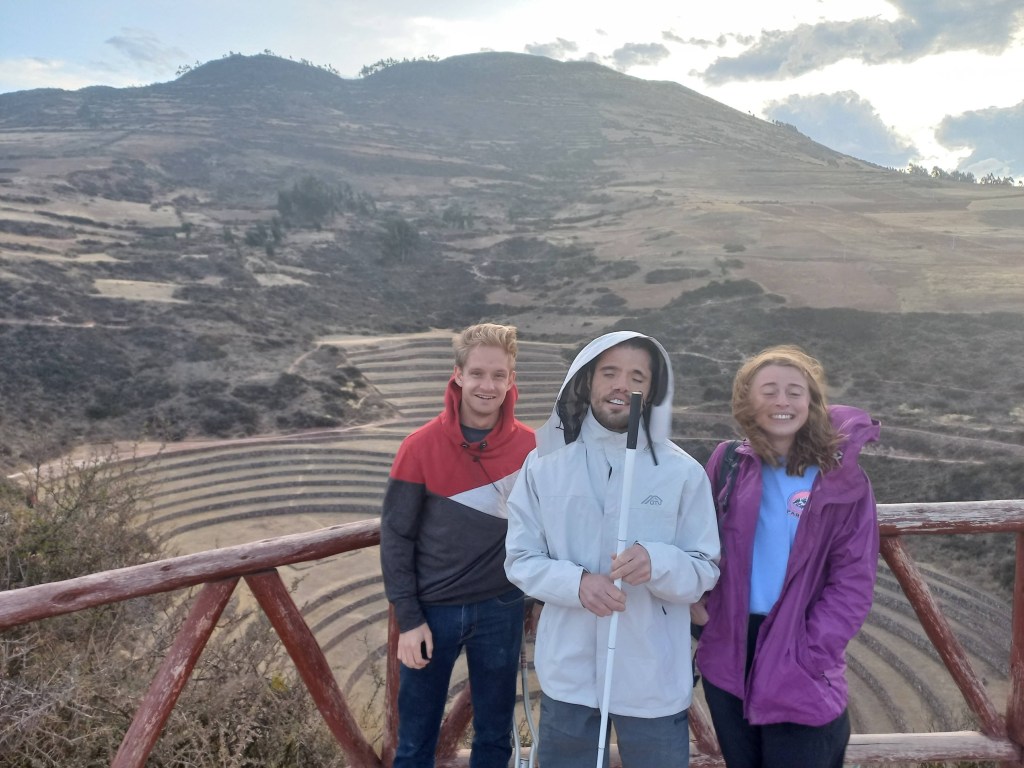
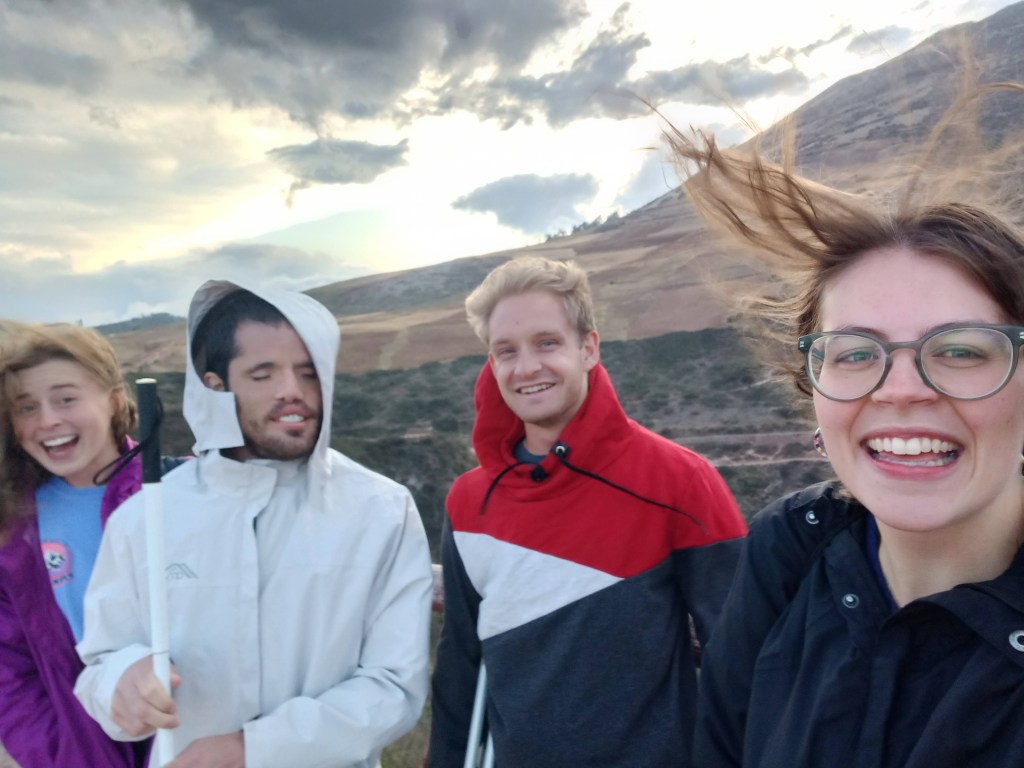
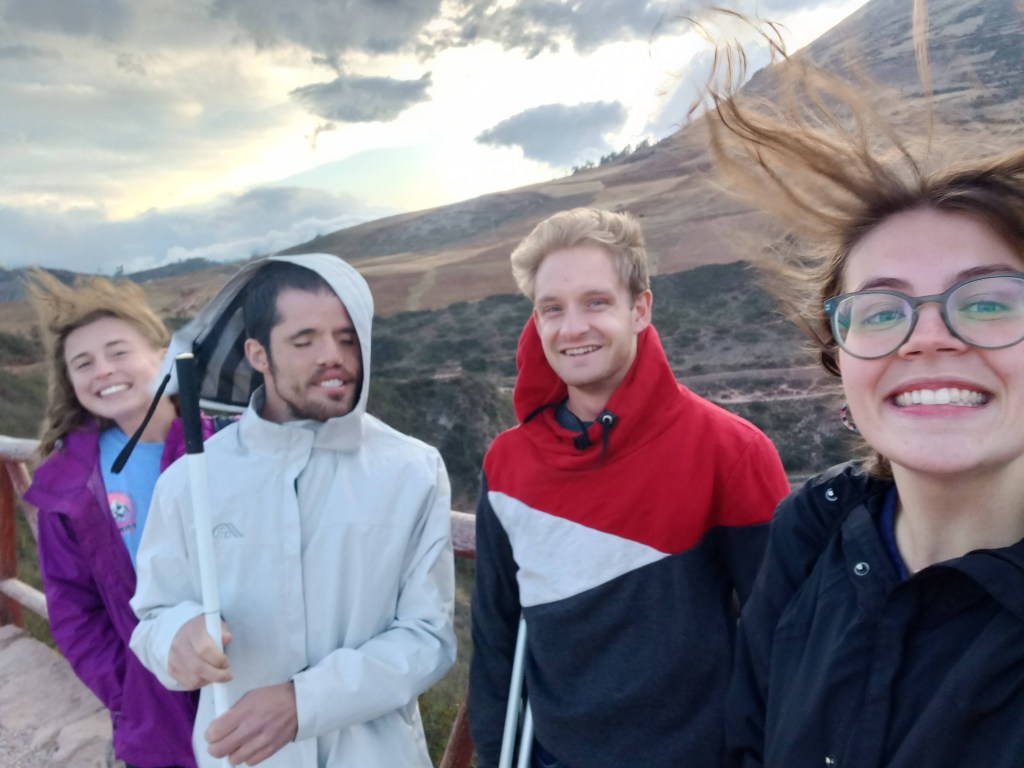
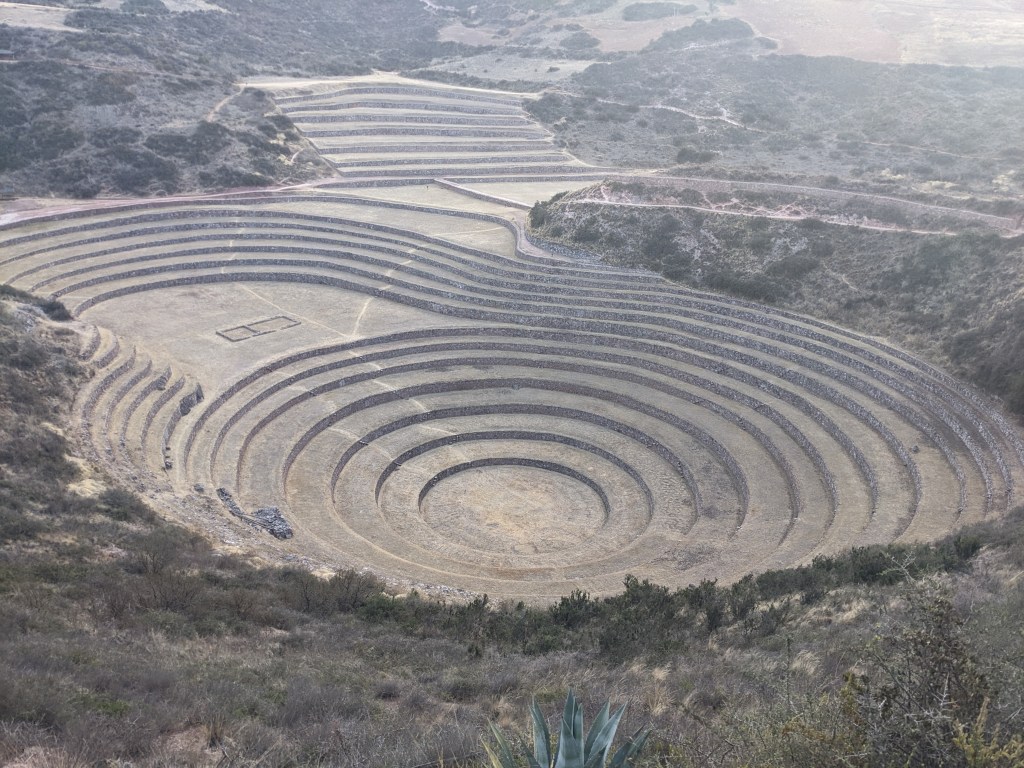
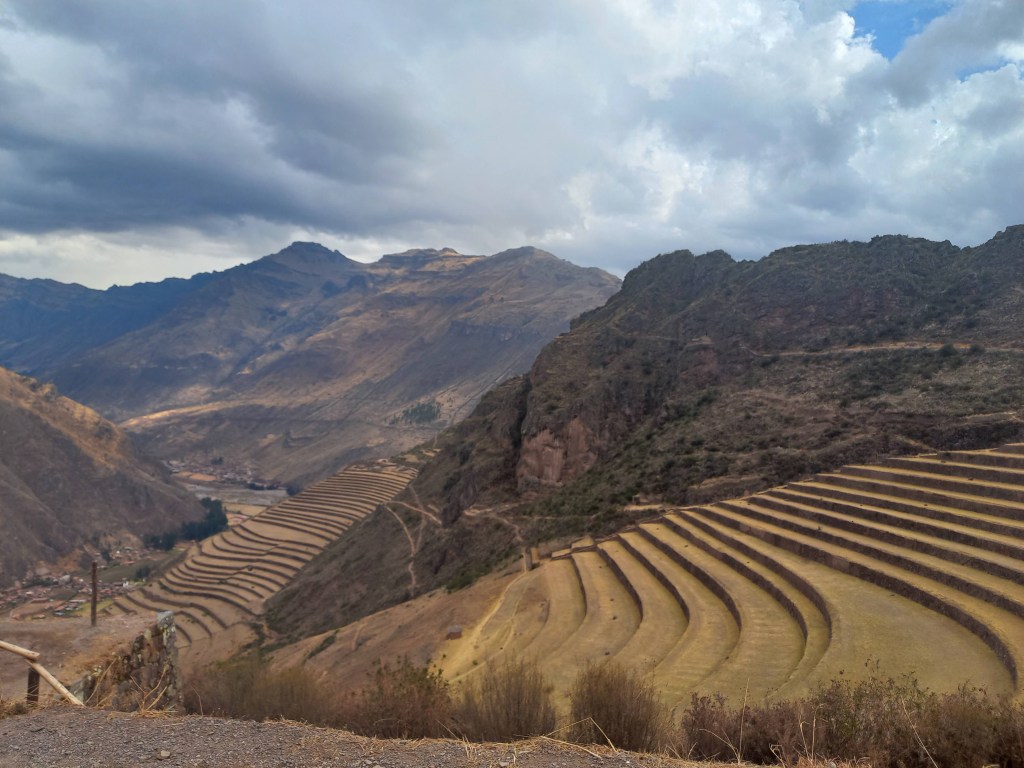
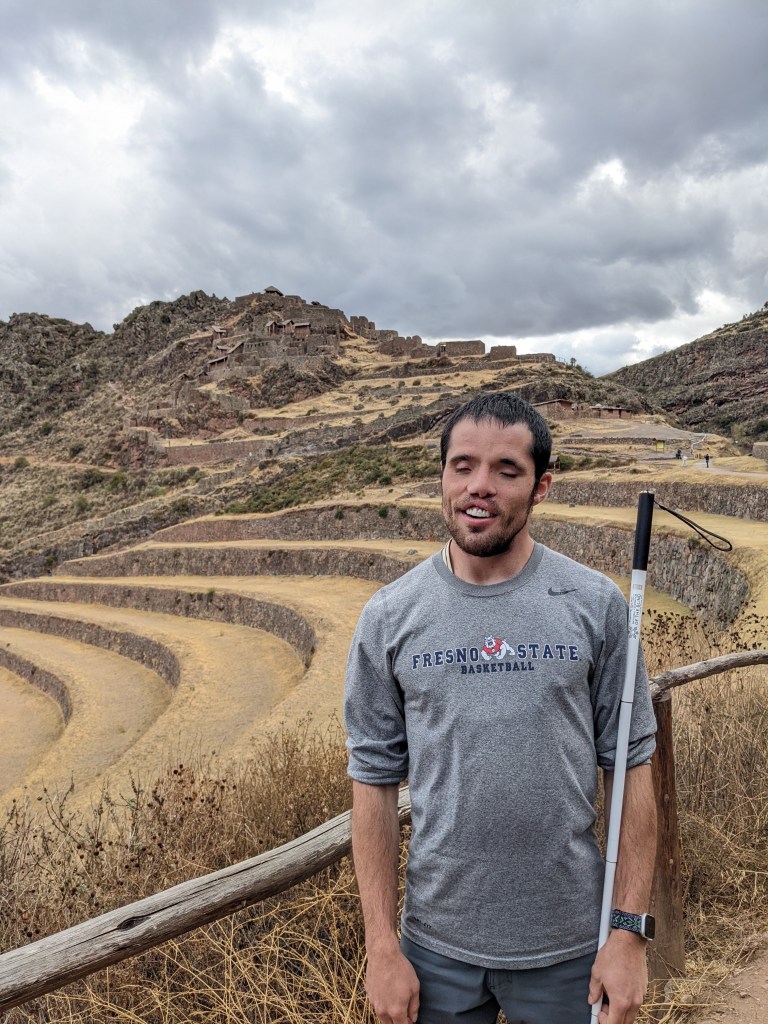
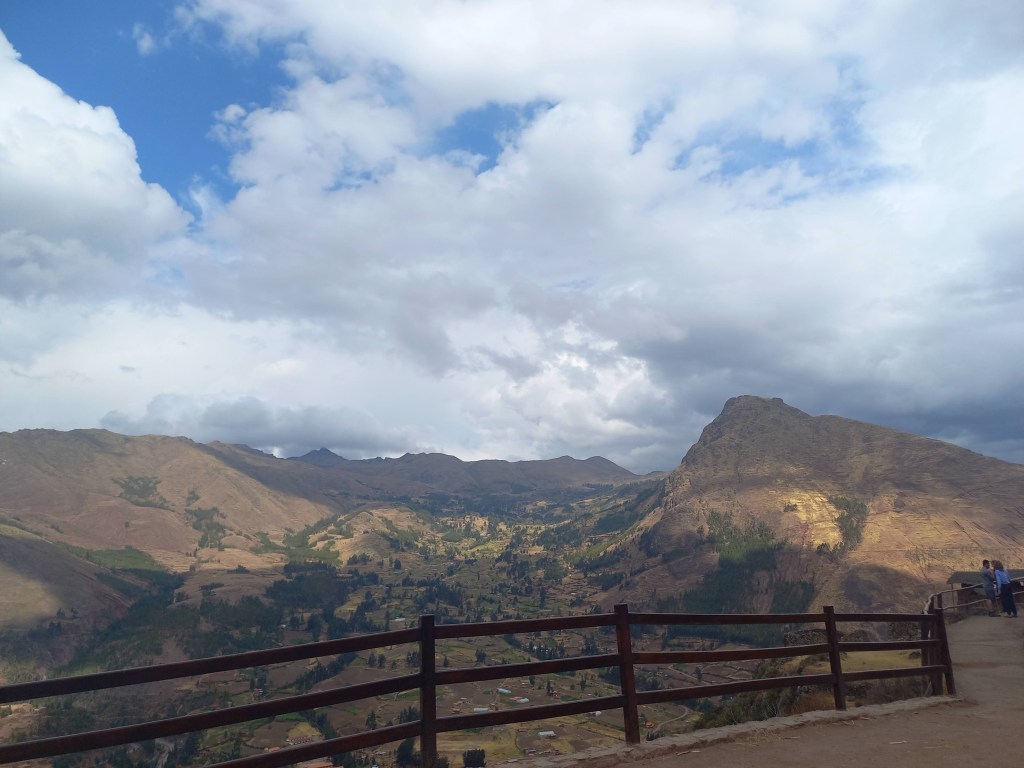
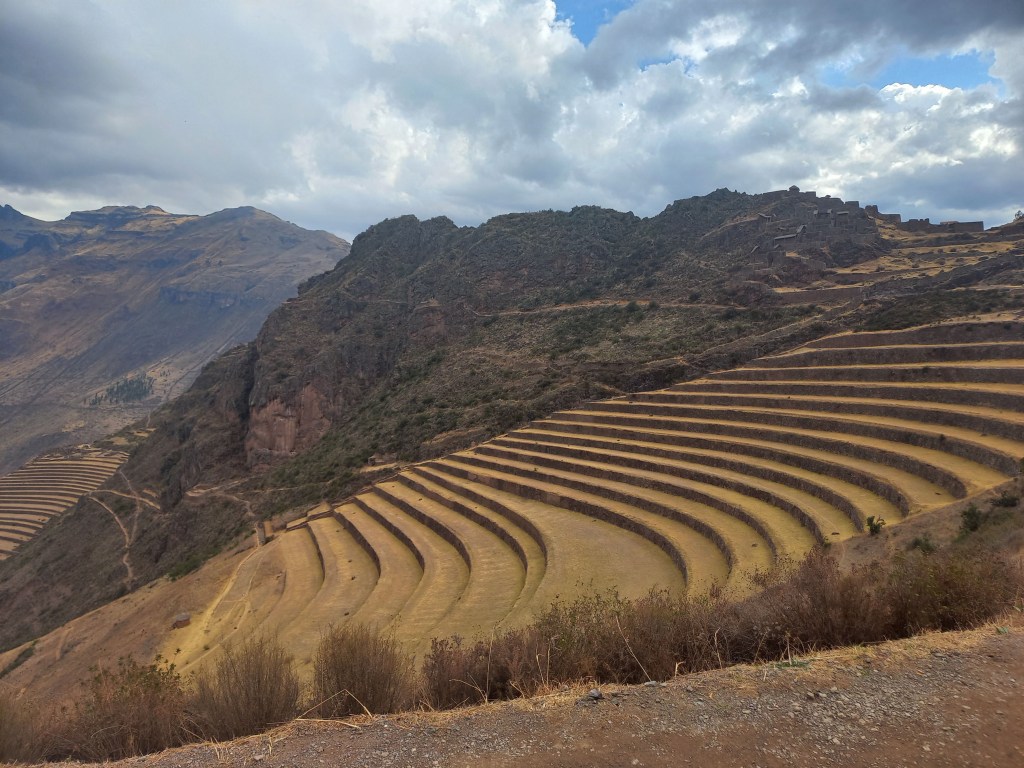
The next Saturday, we went on a road trip through the Sacred Valley. Our first stop was Pisaac, where we ate empanadas and visited what looked like a military fortress on the outskirts of town. Further on we hiked some terraces, and we ended at a place called Muray. This is where there are terraced rings within rings, to facilitate microclimates in which former peoples planted various things before sending them far and wide. We went on a good day, because we didn’t encounter a lot of tourists, which was why we decided to road trip in the first place. Again, there will be a photo dump when I figure out our shared album.

Because I didn’t plan this weekend very well, I am writing to you from Cuzco and not from another city. This was good because I needed a reset: I had a decent exam and gave a horrible presentation in class. As a group, we’re all in agreement that, as great as Cuzco has been, it’s time to branch out. I will be going alone to Lima in a couple of weeks, and I have other ideas for travel, but we’ll see where things go.

So things are definitely getting better, but there is a catch to things. One of my classmates aggravated an old injury while salsa dancing and had to go home for surgery and physical therapy. We’re hoping she can come back; she seemed to think that she would be able to.

With that, I will catch you next time with some more quality stuff. Ciau.

More