So this week was important for me for a few reasons. First, it marks the halfway point. To this I have responded by planning out the rest of the weekends I have here, because I want to take in Peru and any more of South America I get to see with eyes wide open, and I am excited to take you along. It will also mark a turning point in how I approach my internship, though how I’m not quite sure yet. What I do know is what I will do as a result of the advice I got from my Spanish professor at Proyecto Peru. I came by that advice when the volunteers at this program went to clean some ruins, and by some mistake I wasn’t on the list of people to go clean. When I tried to take advantage of someone who had signed up not being there, I was told that if I were to go, I would need my support guide the entire time. This brought everything that was bugging me to a head, and I basically didn’t go to work because I didn’t think it was worth it that day and because I was so pissed. In such instances I am grateful for one of my classmates, who, upon learning this, invited me to go to Mercado San Pedro with him and Anna, the other girl from SUU, for their Spanish class. I enjoyed it, and I was determined to return soon because it is full of unique things to eat and things to buy as souvenirs, to name only a couple of things.
The next day I finally approached my supervisor about what was bugging me. He thought everything was fine and just told me to share the work with my fellow volunteers. Later I learned from my Spanish professor that I am apparently still new in the practice of adulting, because she told me that I should have had more self-control and went to work whatever the hardship was. I don’t totally regret skipping, but I do intend to not make excuses like that again.
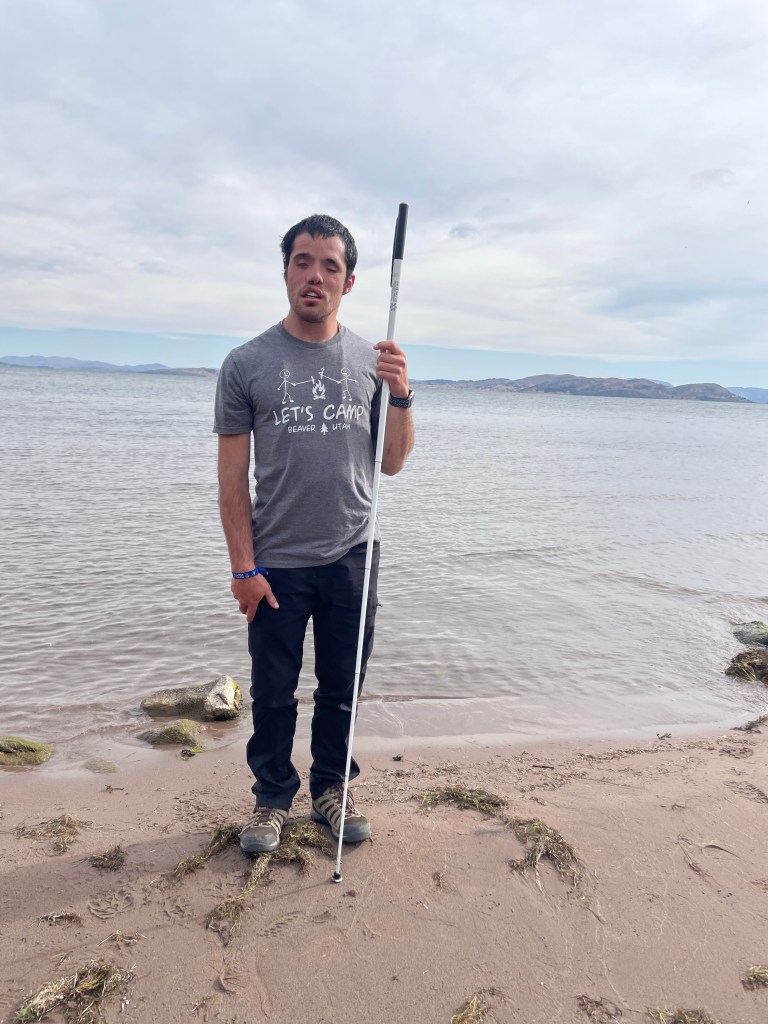
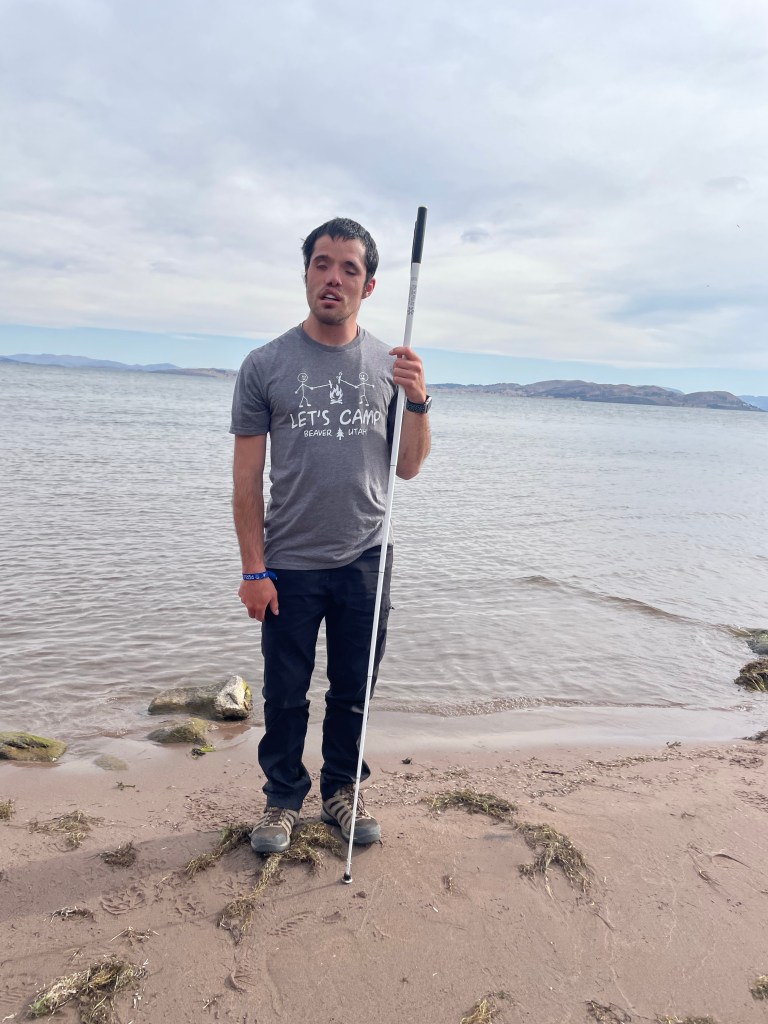
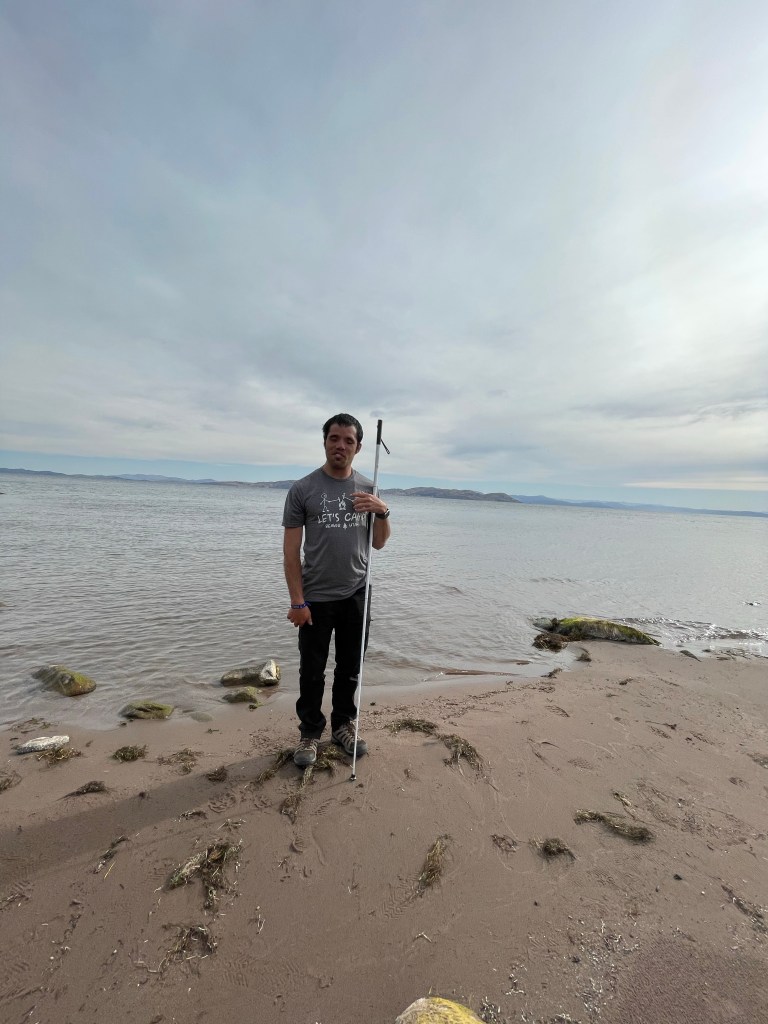
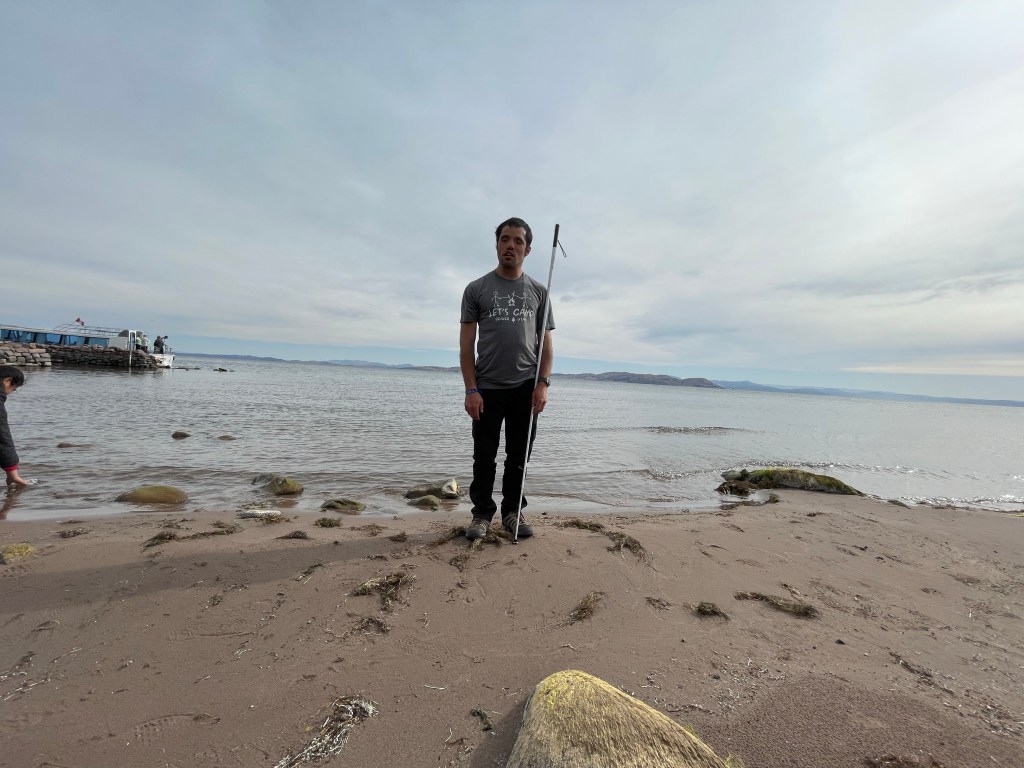
This weekend was exhausting, but worth it!! I took a Peru Hop bus to Puno and went on a tour of Lake Titicaca, or puma. First we visited the Uros, floating islands made entirely out of reeds. The foundation of each of a hundred of these islands is something that is half dirt and half reed. The buildings we entered were made of wood. Each island has its own name, several families, and its own president. They are inhabited by Aymara and Quechua people. In the 1450s when the Incas arrived in Puno, a group of people left and began building these islands on the lake. They did the same thing when the Spanish came later. Thus they are called the Intomables–the Unconquerables. Living on these islands requires constant work. Every fifteen days they are replenishing the reeds that make these places home. There are kindergartens, primary schools, and secondary schools on the islands, but from what I understood, some kids elect to go to high school on the mainland, and of course the university is also in Puno. Our guide lives on the floating islands and translated greetings from the president of the first island we visited, Santa María. I never learned the name of the second one, but I bought a black pillow case–they said that this was the best way to donate to their community. I’ve heard from two people who previously visited these islands that upon landing on one of them, a crowd of people flocked to the edge and begged for money. They didn’t stop until the boat left. We never had that.
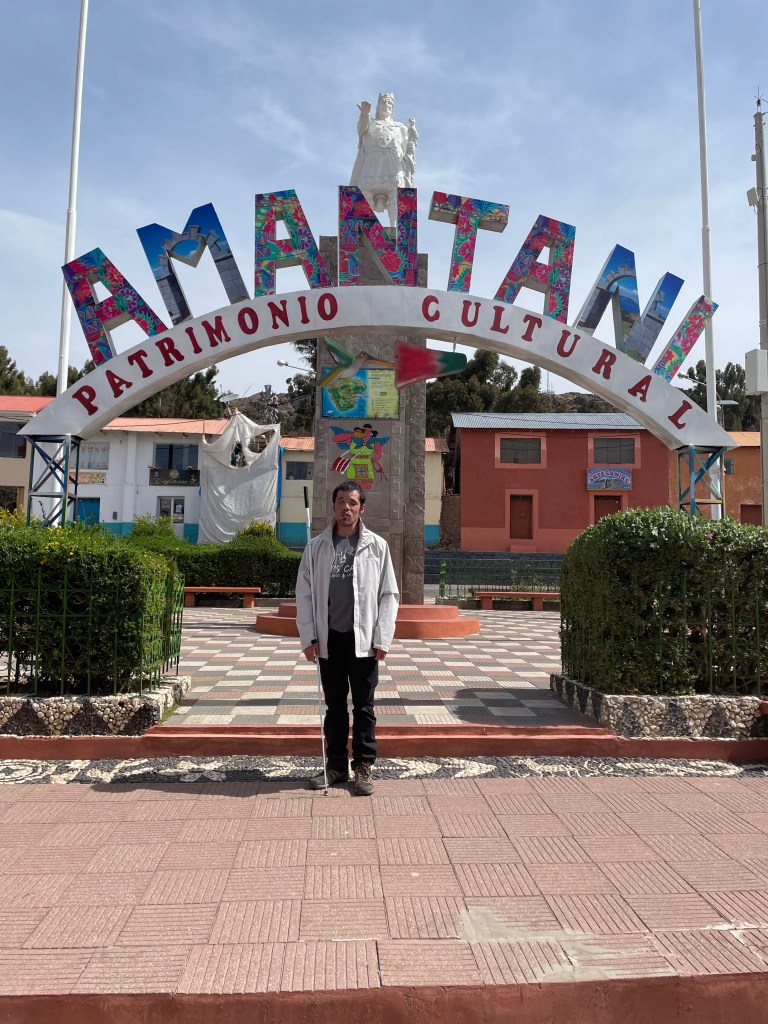
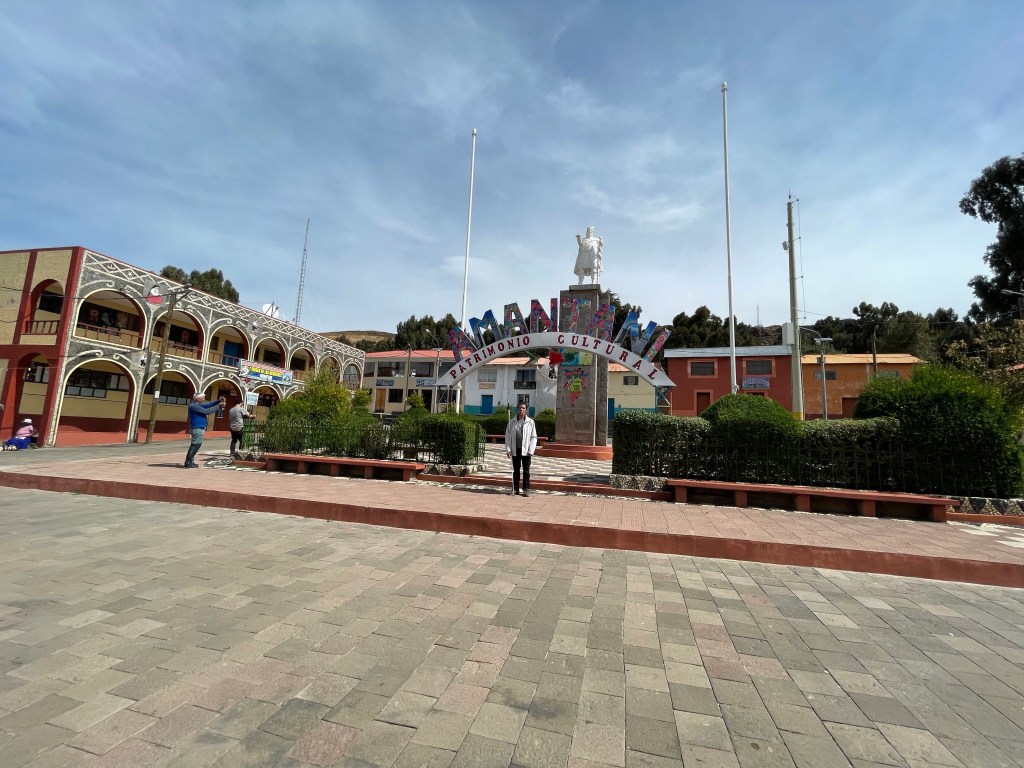
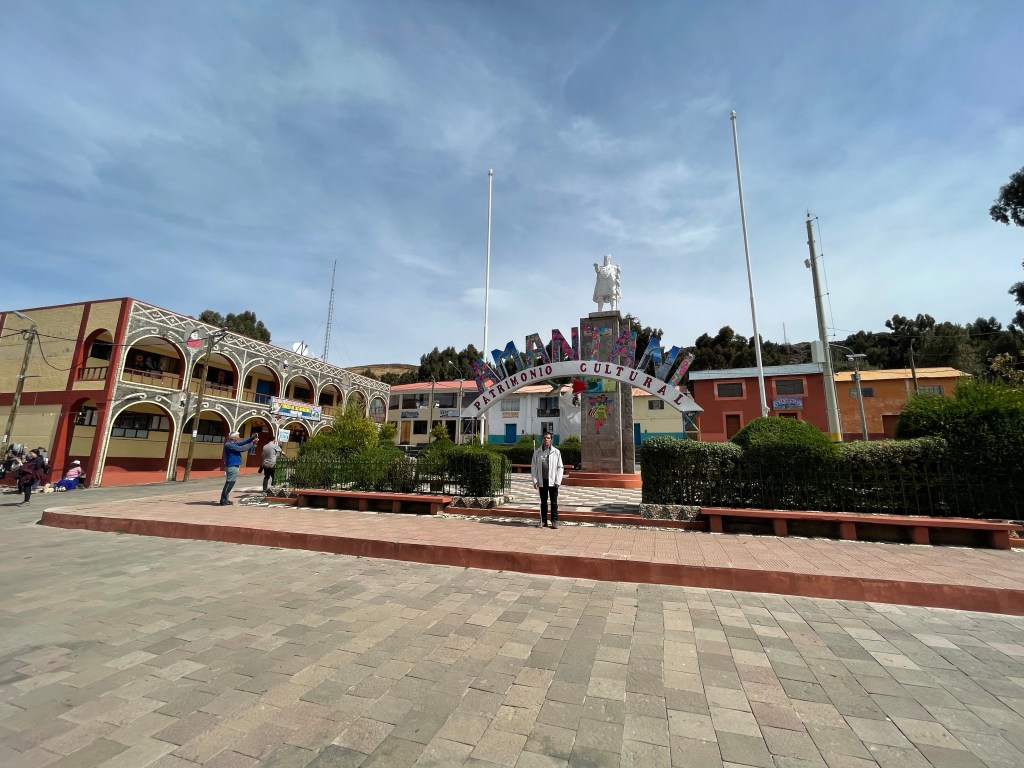
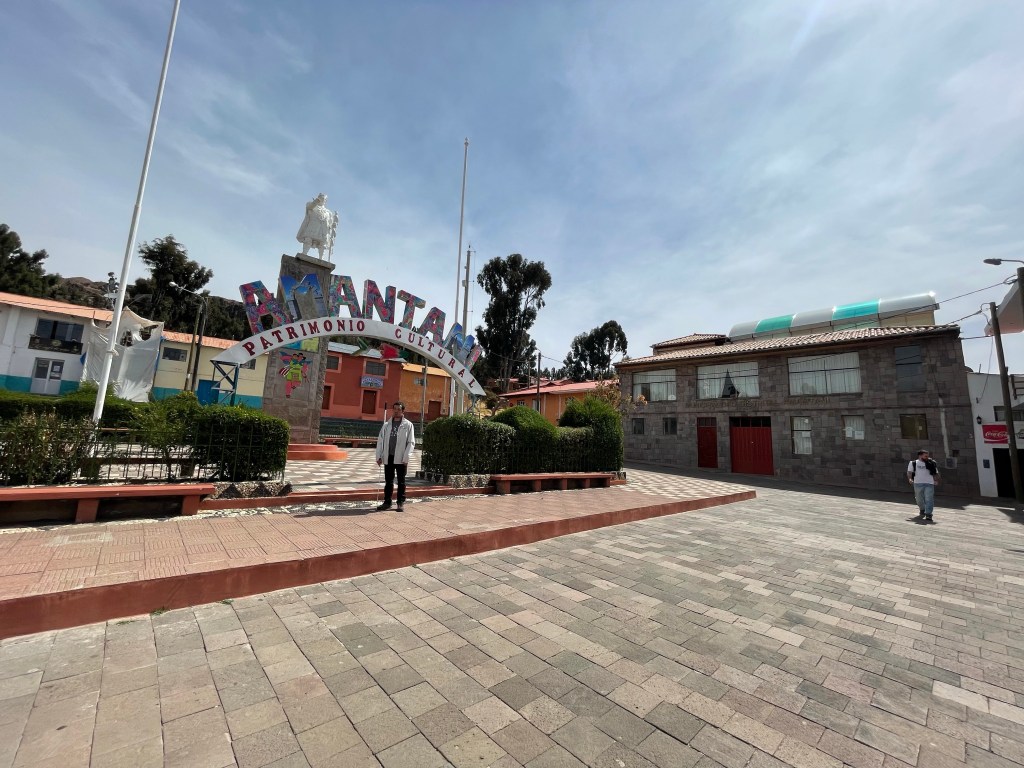
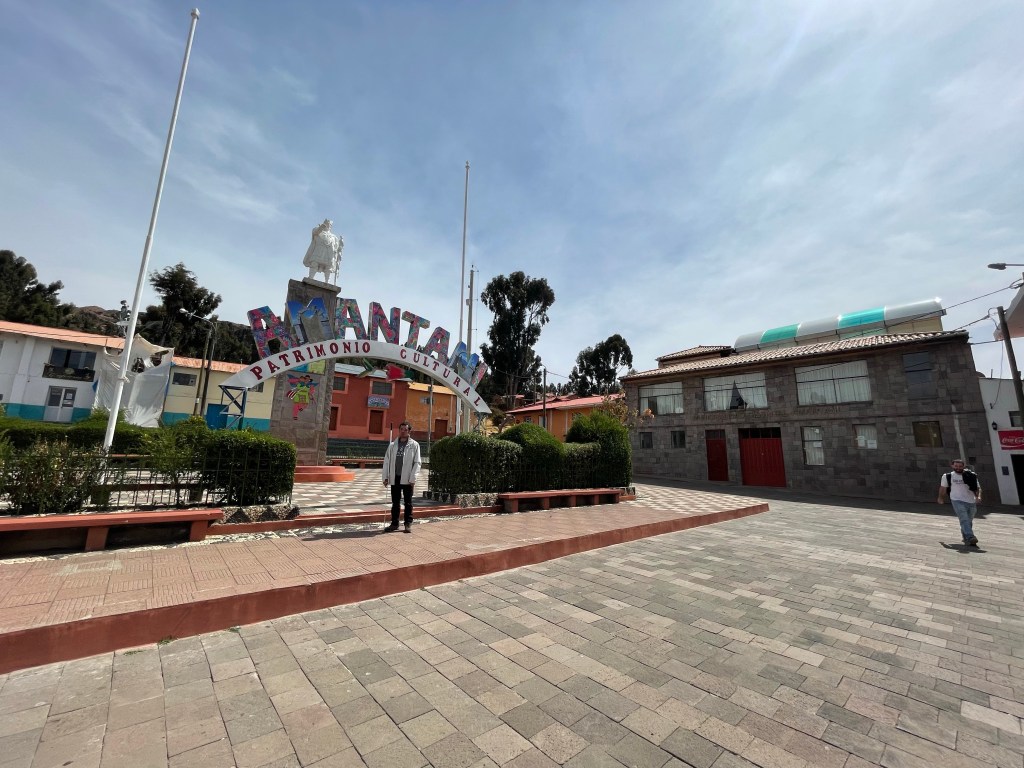
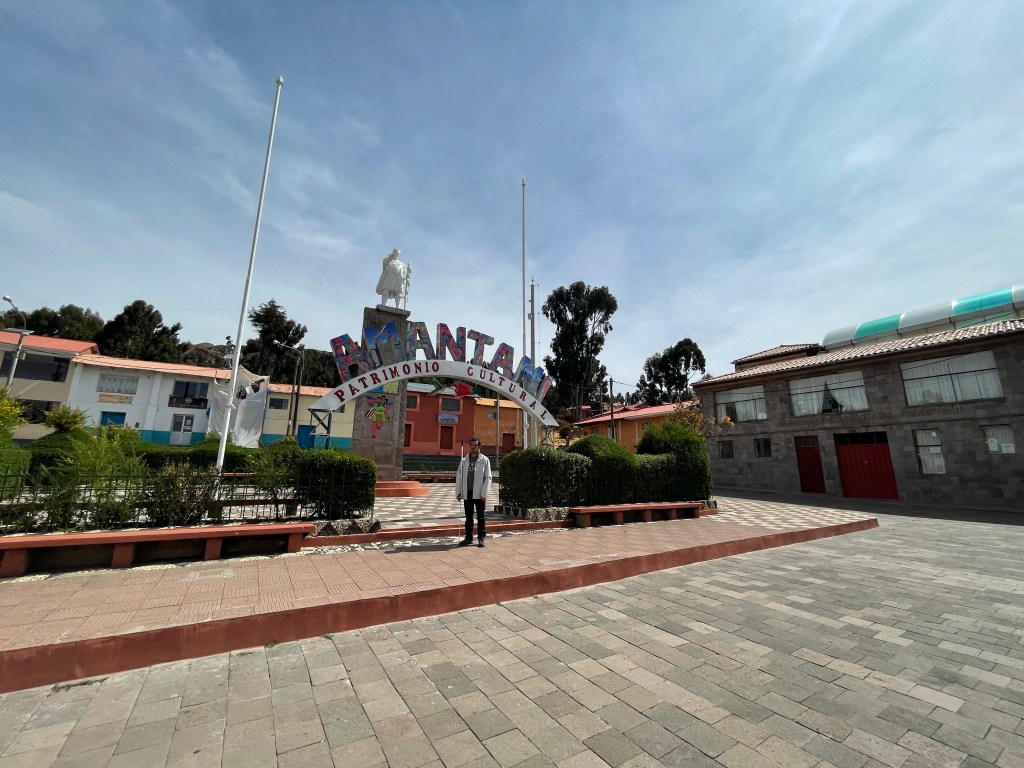
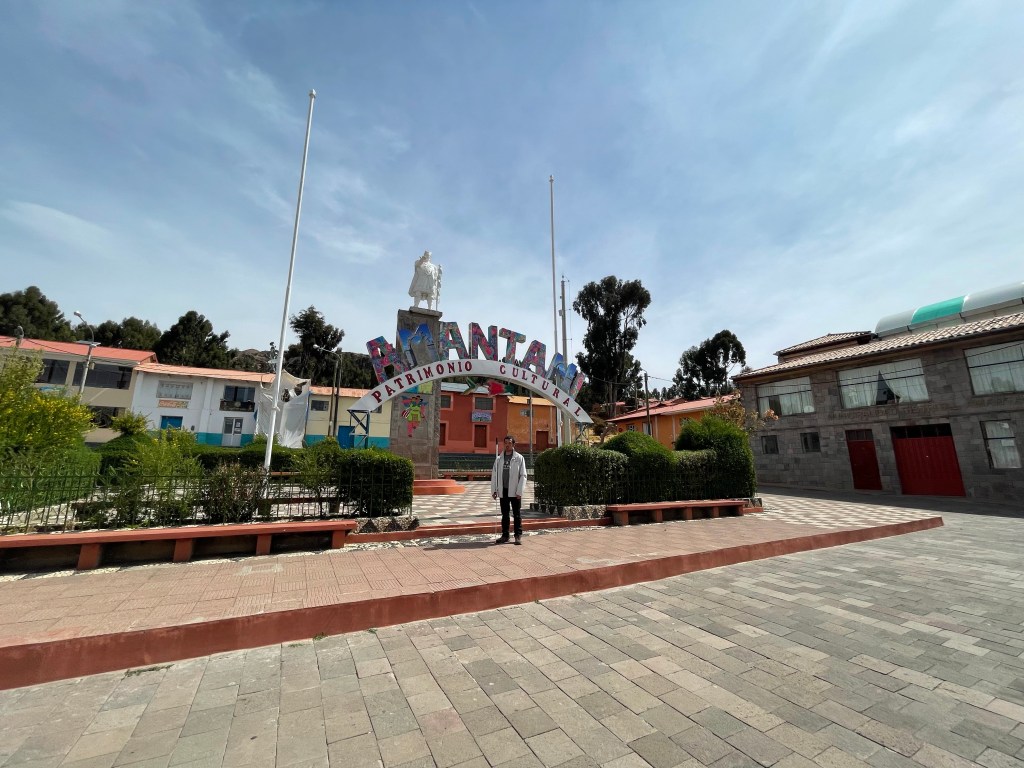
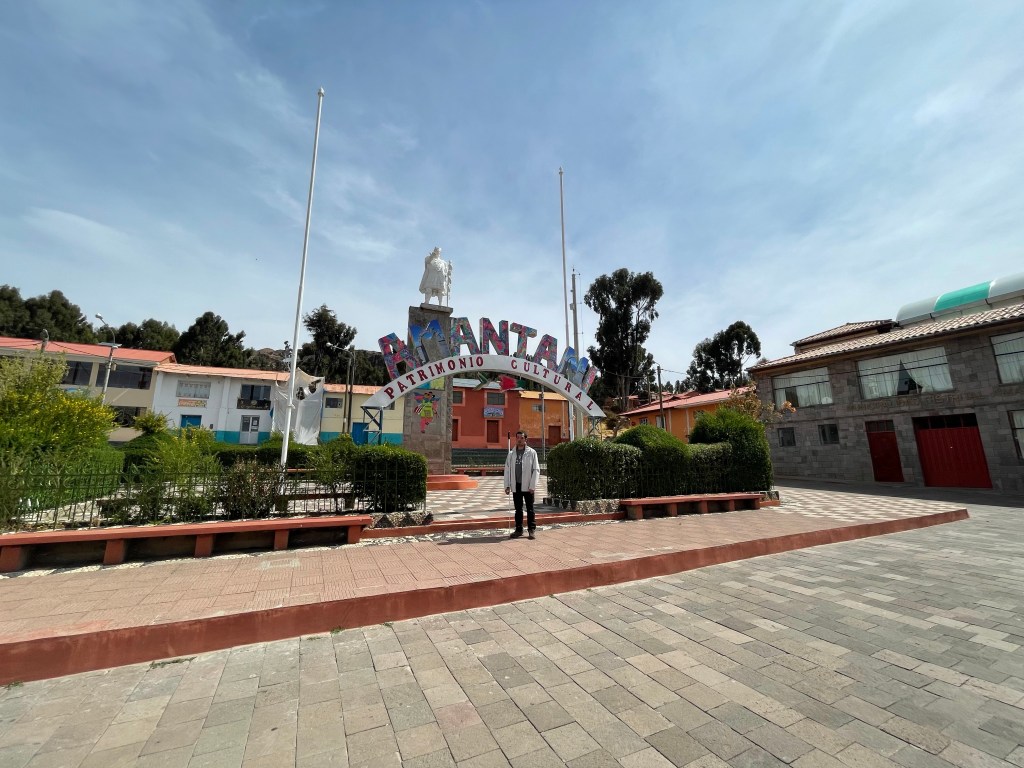
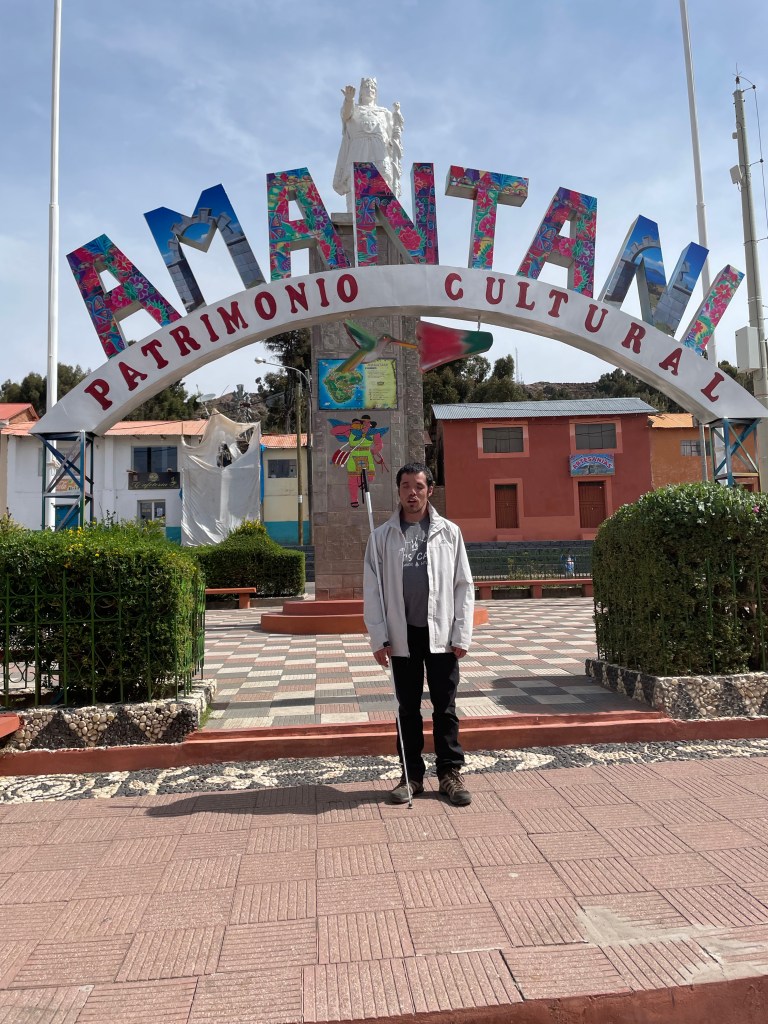
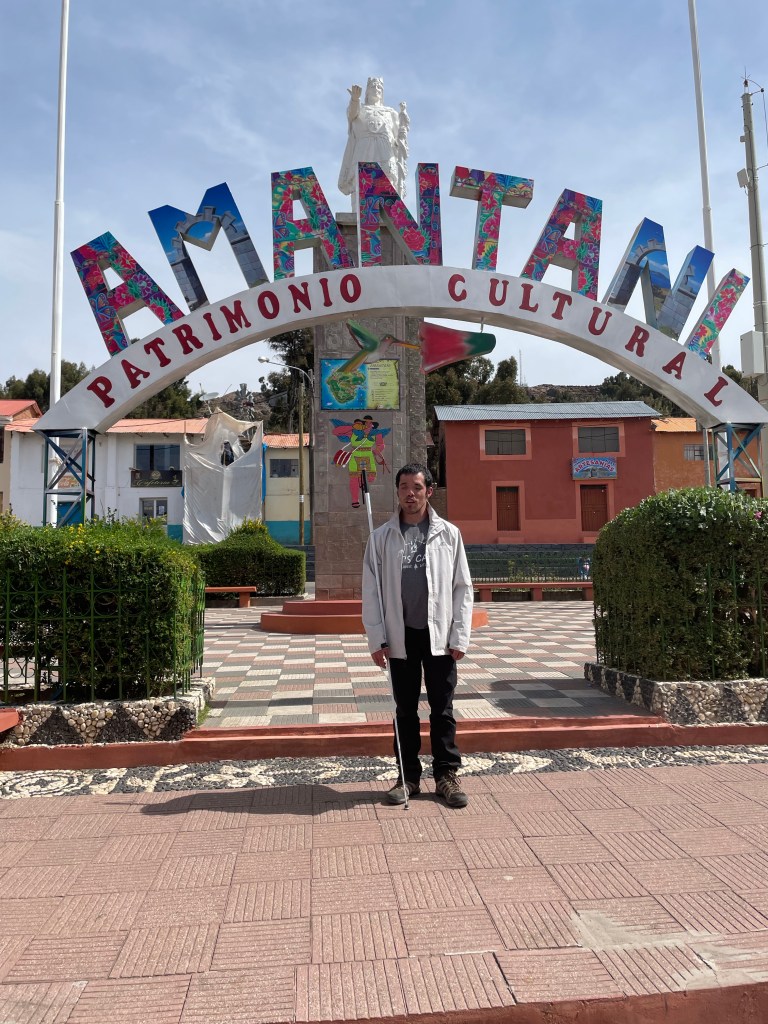
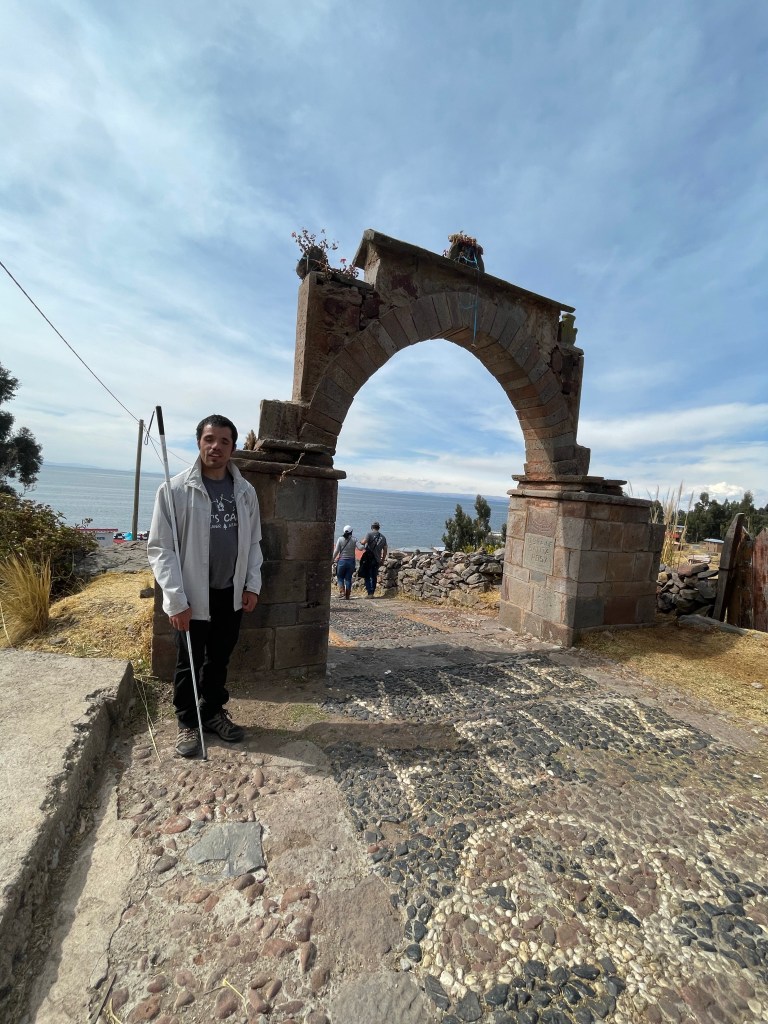
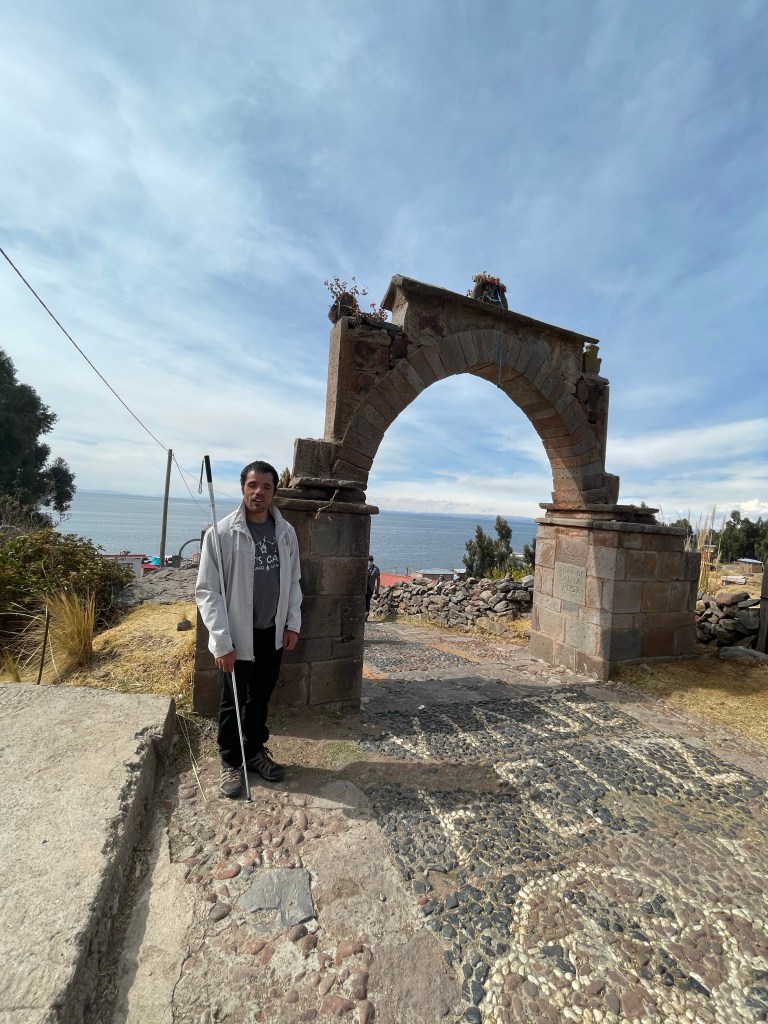
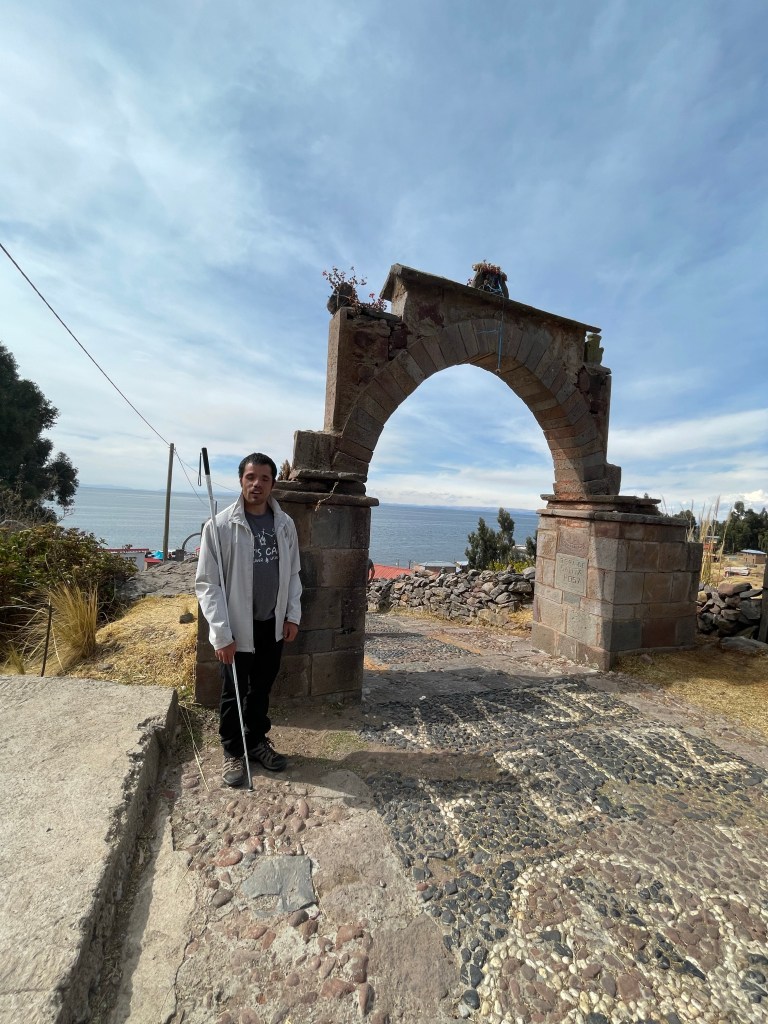
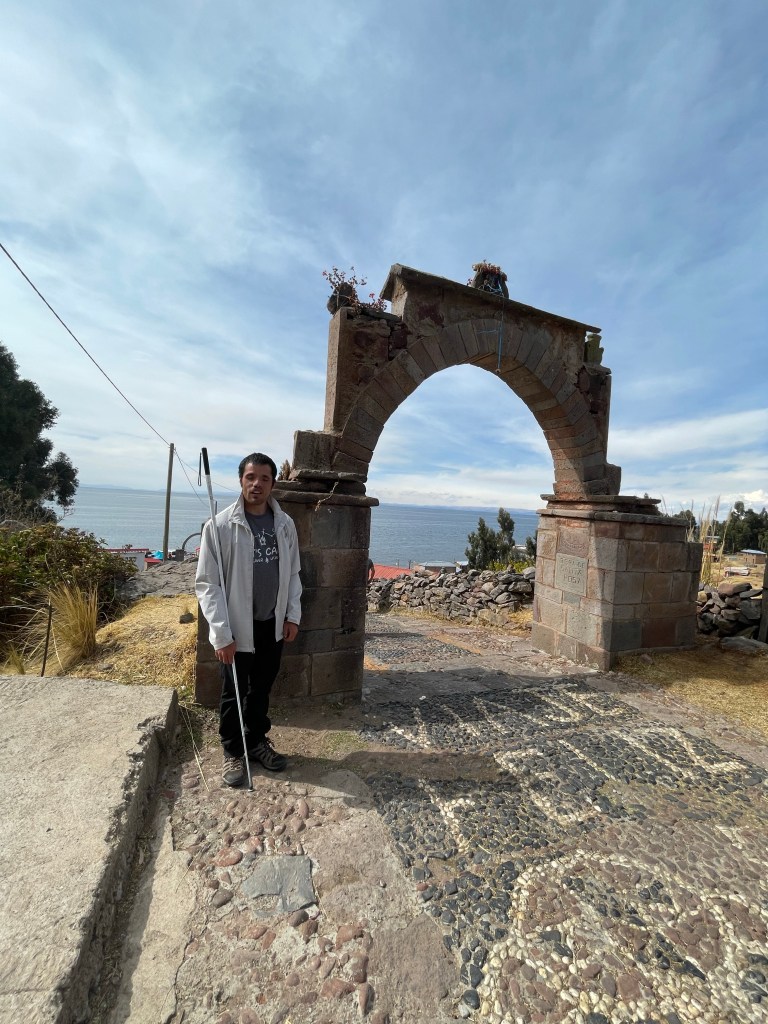
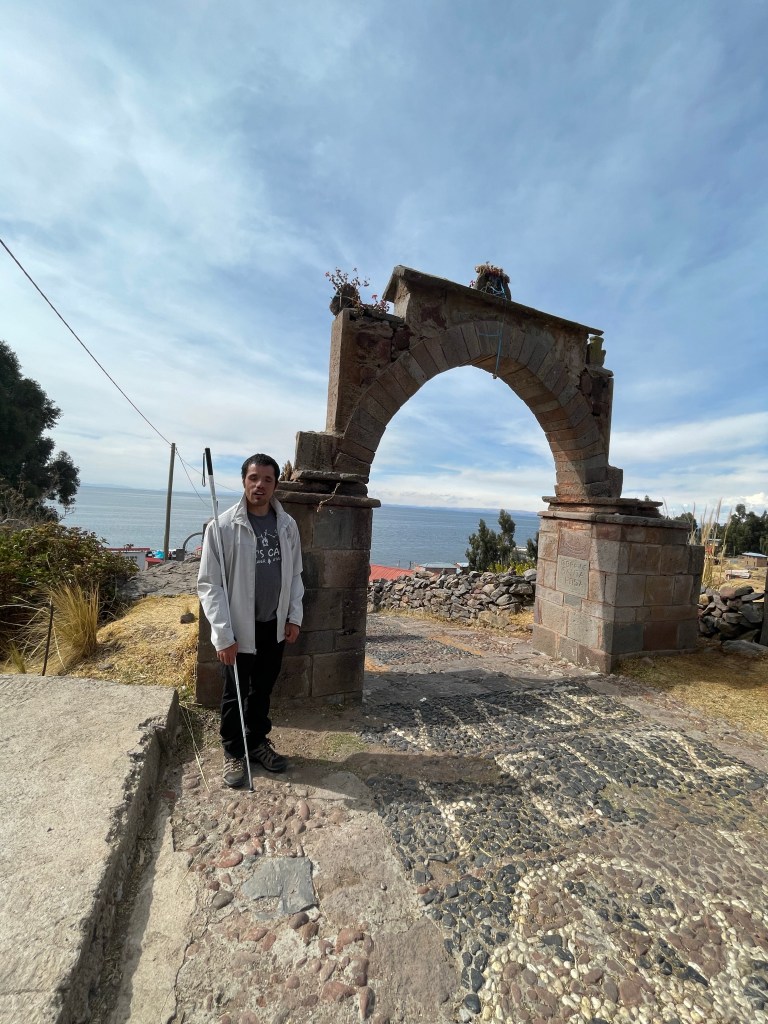
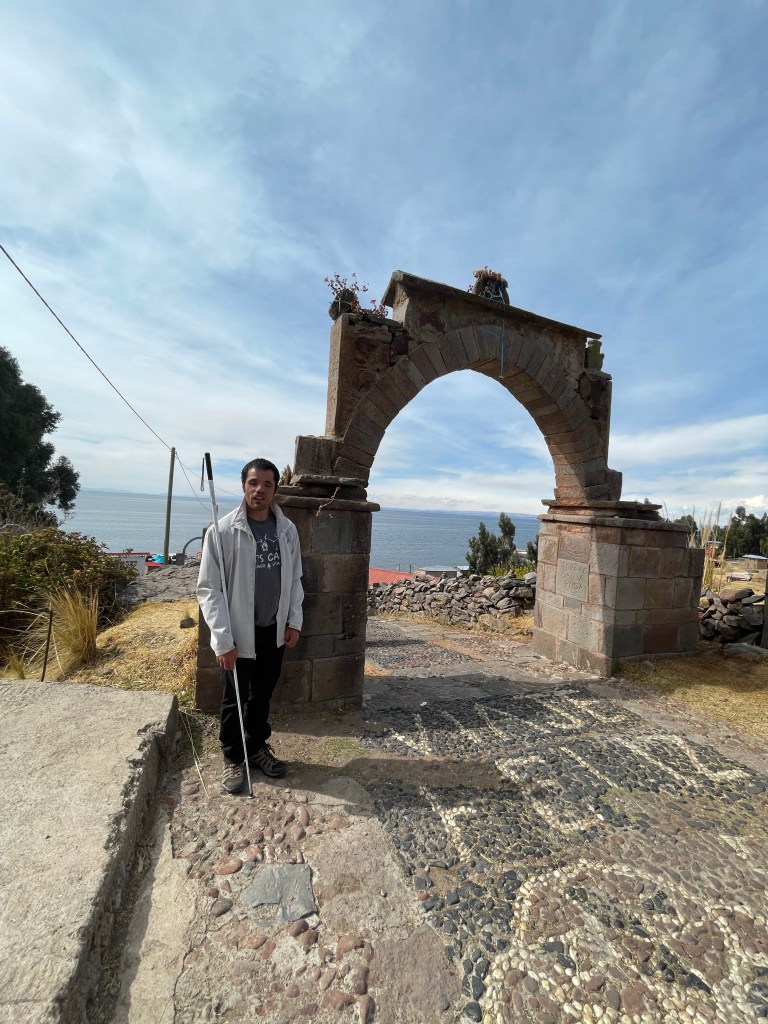
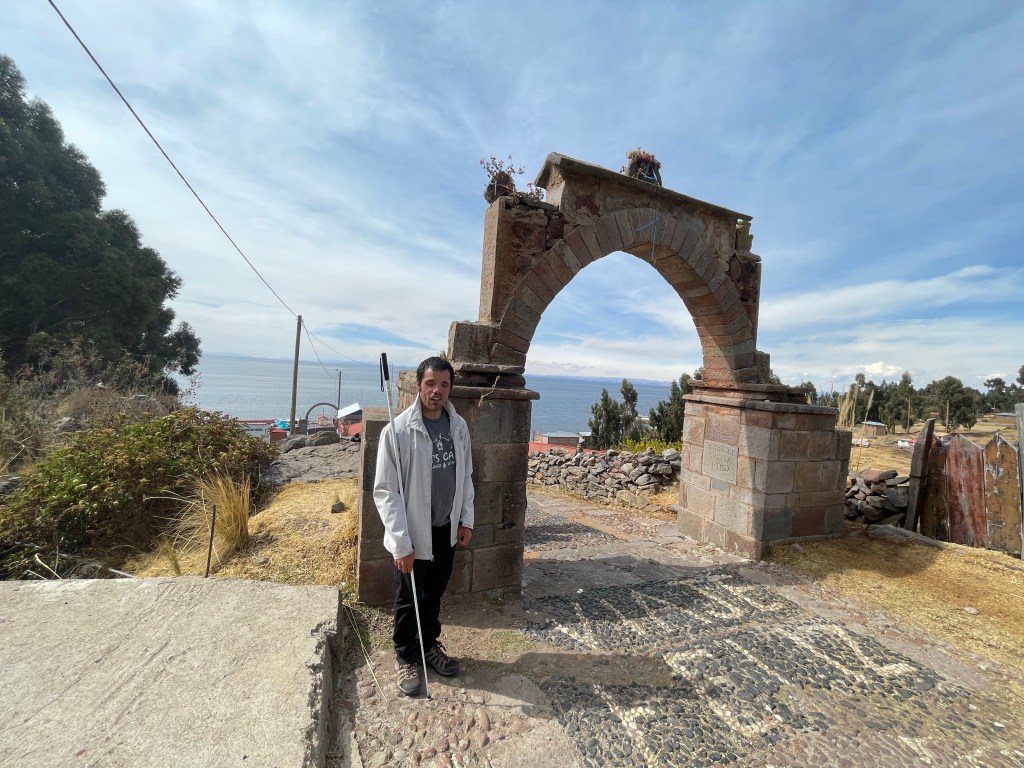
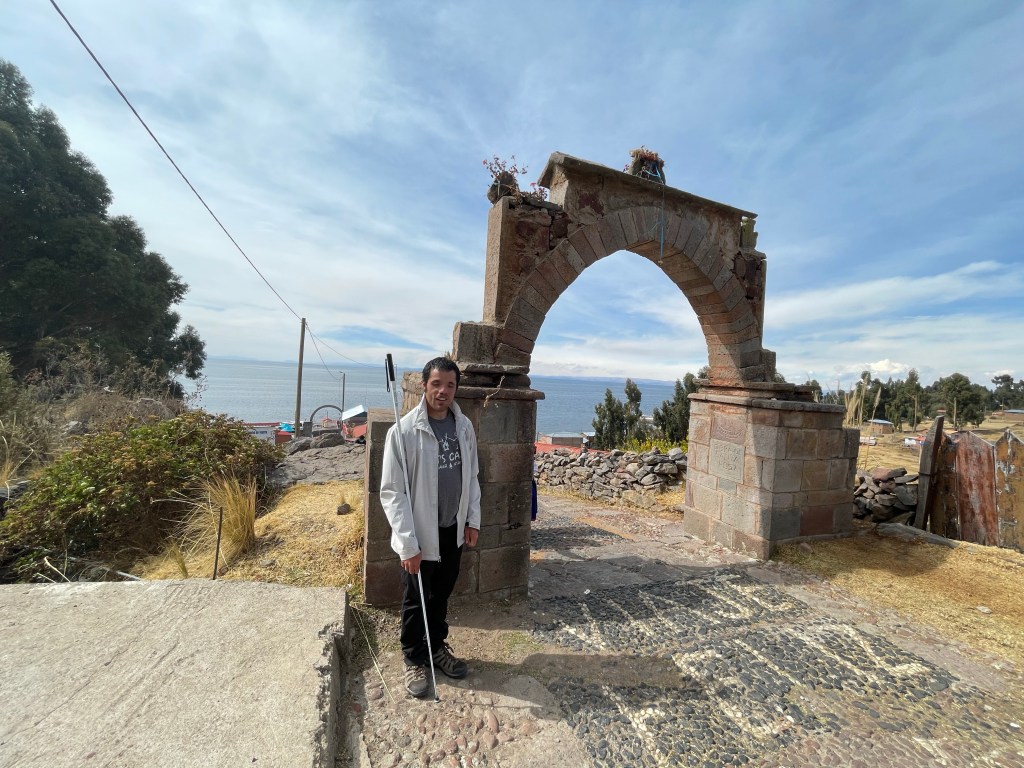
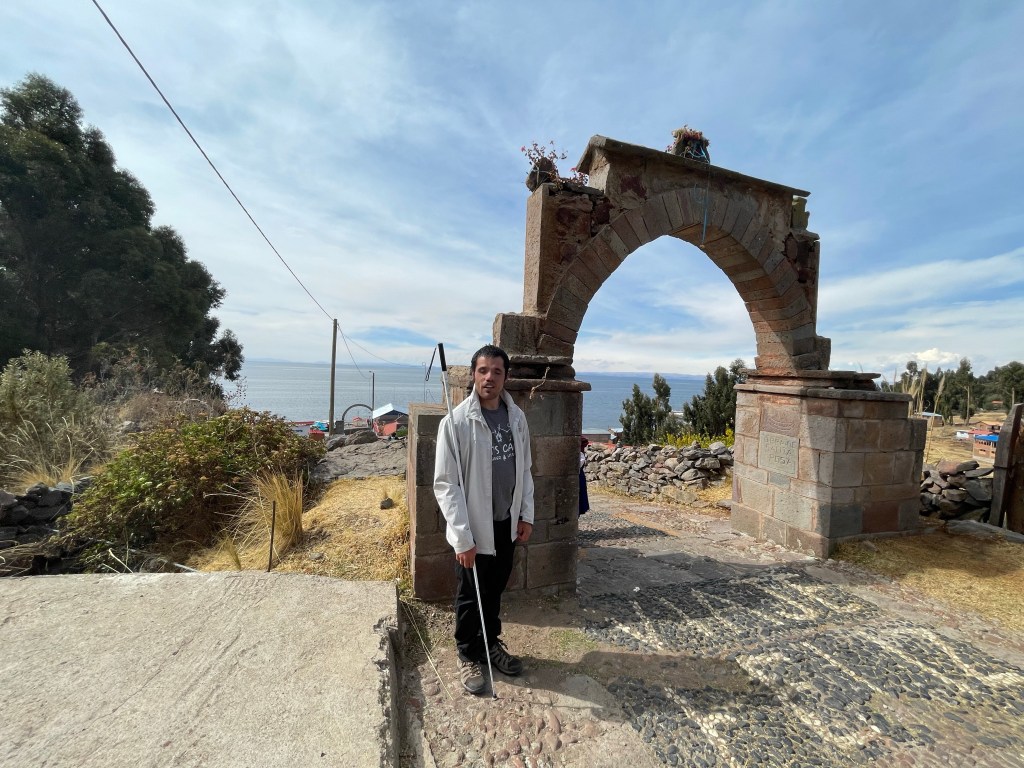
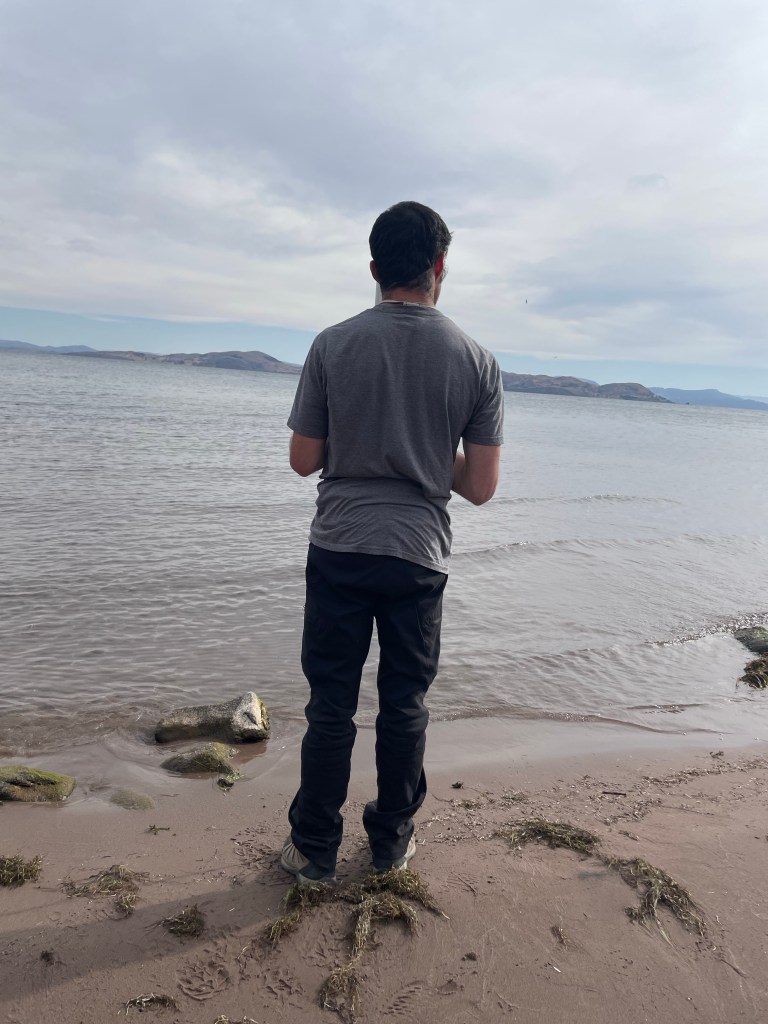
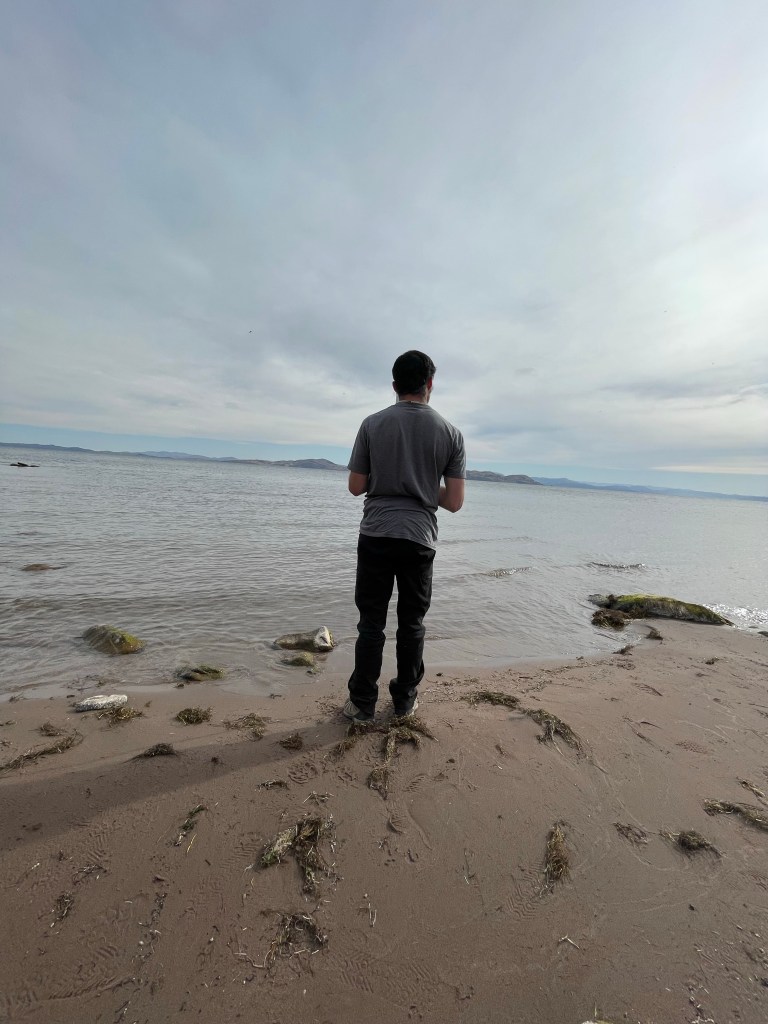
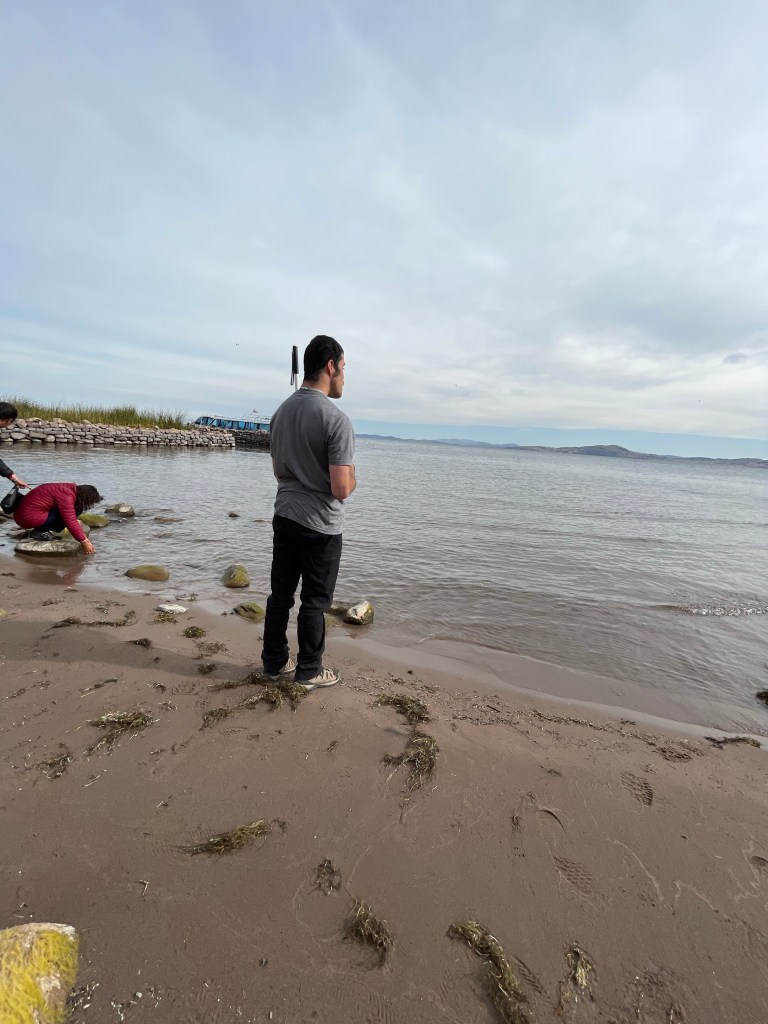
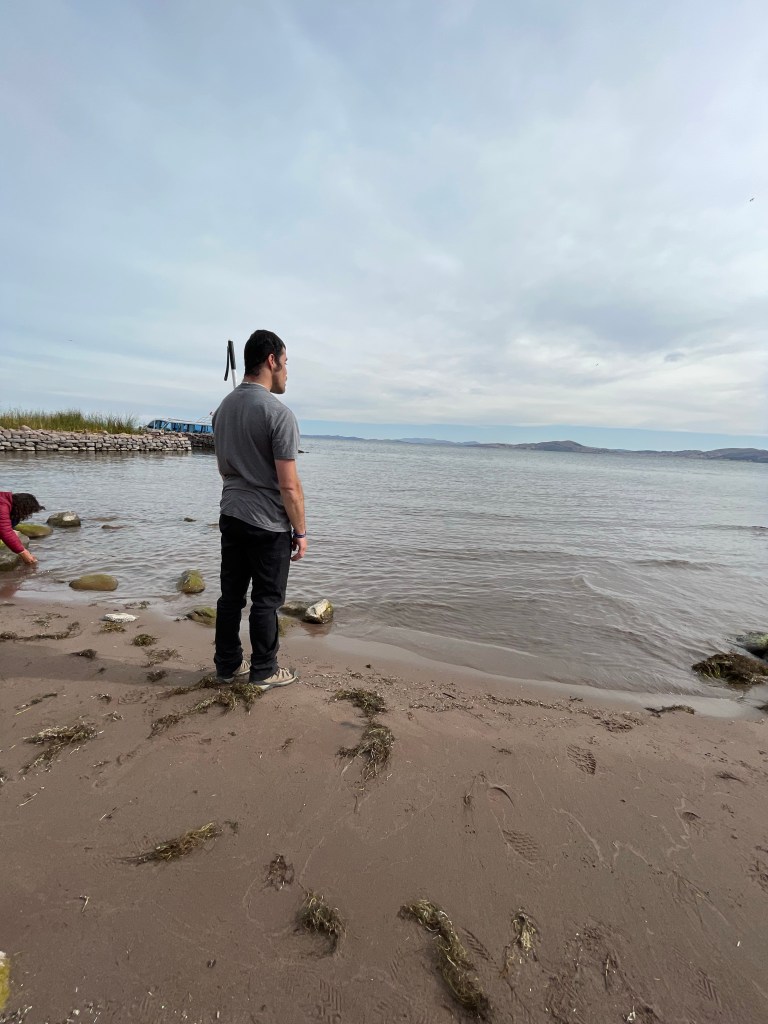
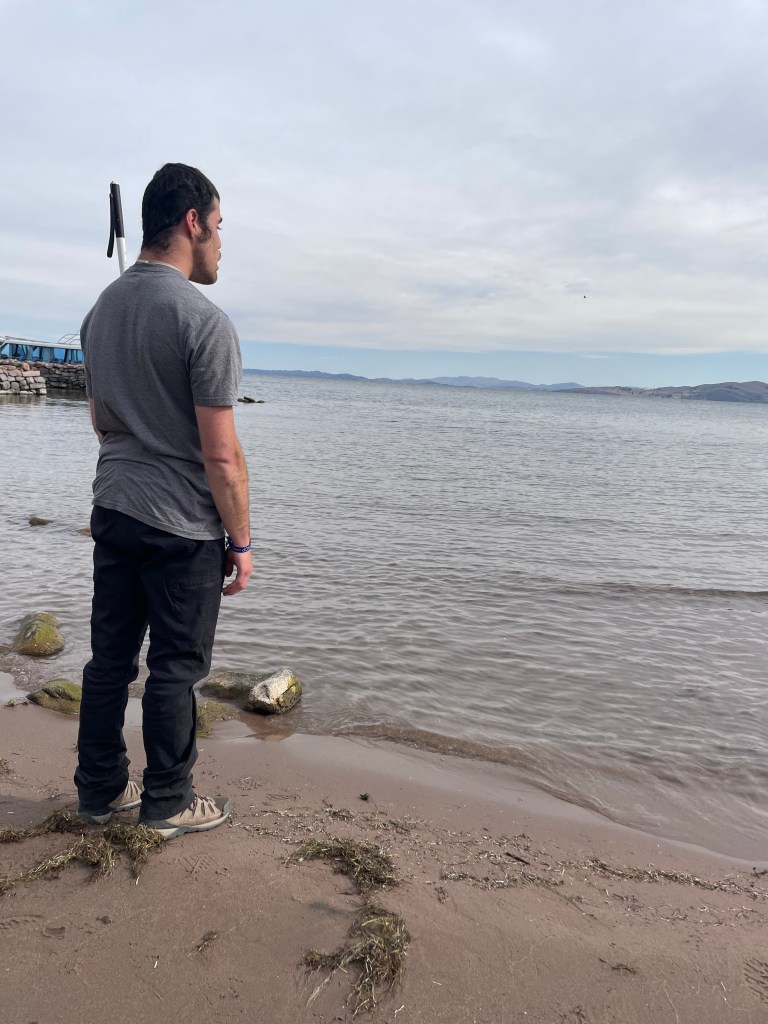
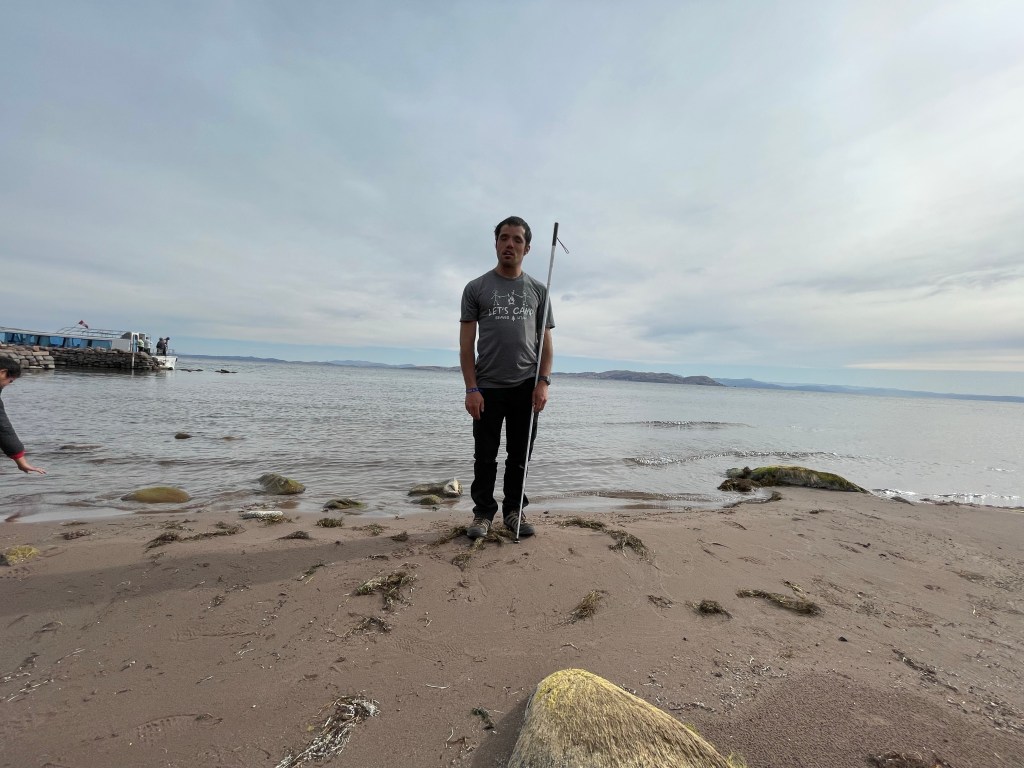
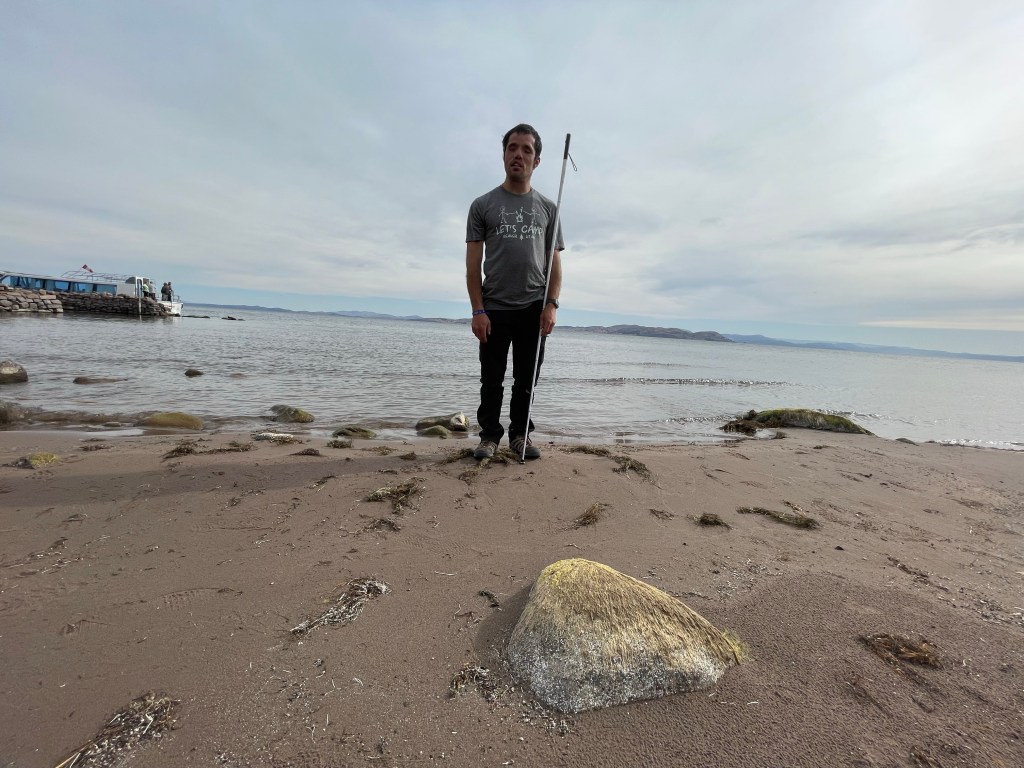
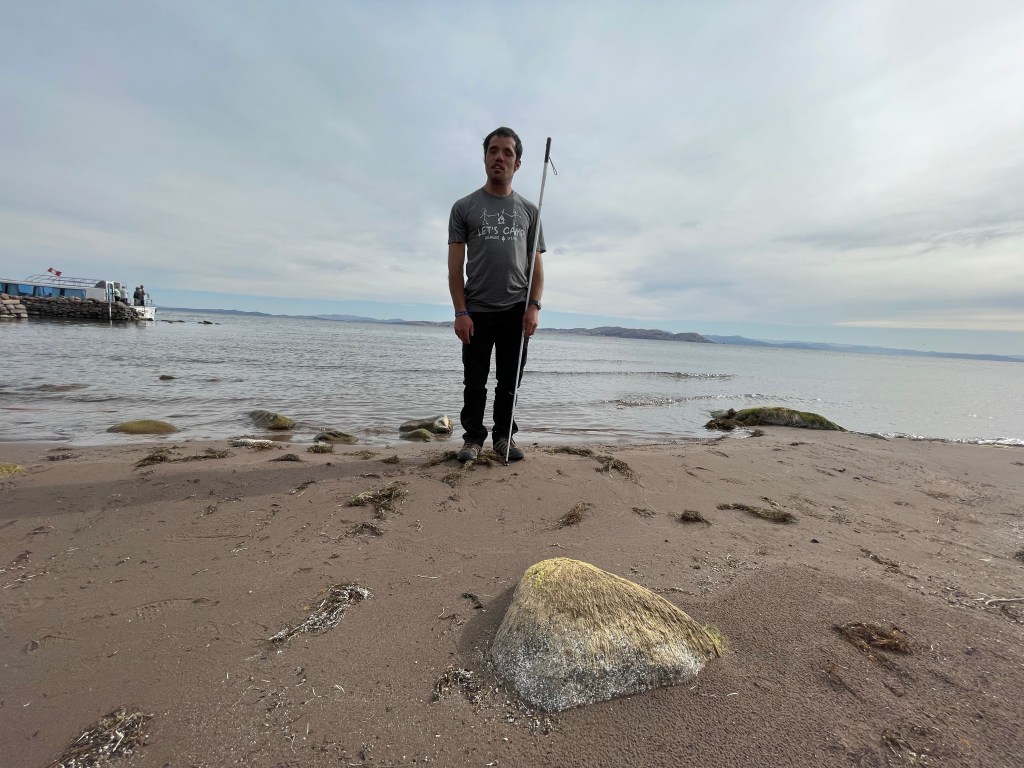
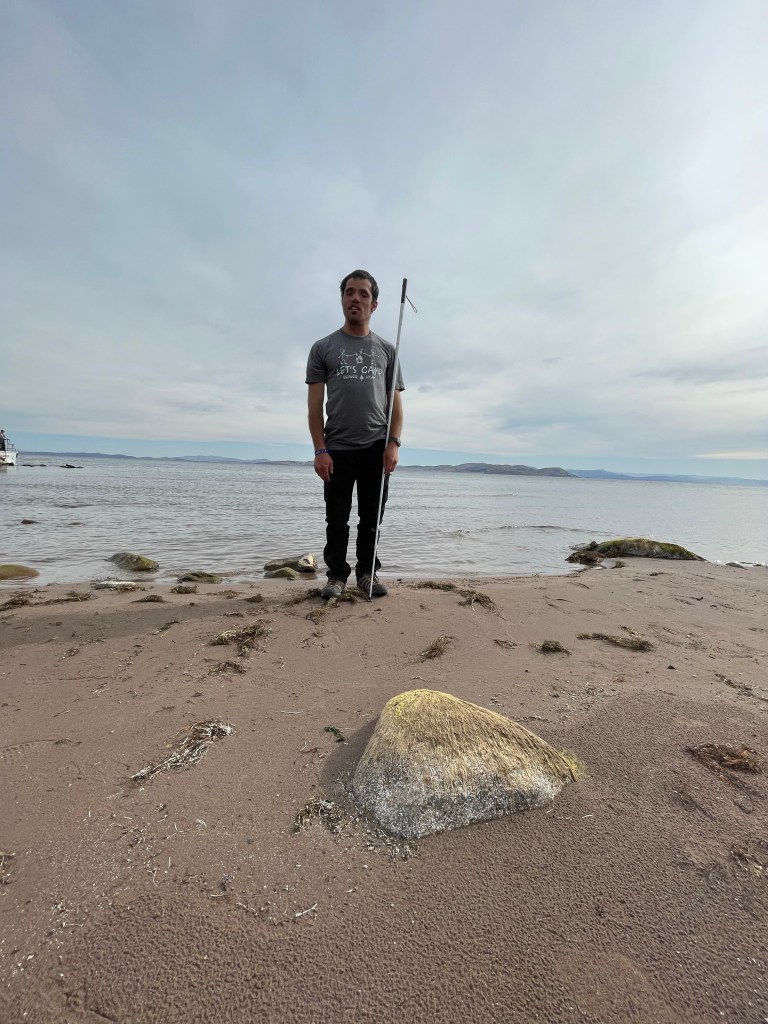
On the island made by nature, we ate lunch with the local families that consisted of quinoa soup, homemade bread, trout, and matte de muña. Afterwards we visited the plaza of this island. It was the calmest plaza of the three I’ve been in. Everything is connected to, and especially in the case of the floating islands, depends on nature. Walter, our guide, was telling me as we walked around the plaza and through several famous arches that led out of the plaza and toward the shore, that here there is no attitude of materialism. The incredible thing is, I could feel that in everything about the islands. I felt perfectly content with what I had, who I was, and where I was now, and nothing else mattered. I thought about how I could maintain such a mind set as we sailed away from the islands and watched some waves. Experiences like this made me as determined as ever to figure out how I could bring about an attitude and a circumstance change for myself.
Back in Puno, I got someone I trusted to help me take out money from an ATM. Then I asked her for recommendations on what was good to eat. If you hear anything about there being no good food in Puno, look beyond the naysayers and ask for local recommendations, like a real traveler–haha. It was at a restaurant near the Plaza de Armas–this is a common name for the plazas throughout Peru–to which I was directed that I got to have ceviche again, along with fried cuy and papaya juice. After that I walked back to the hotel and waited with everyone else riding with Peru Hop until the time came to walk to the bus station and return. That night I slept much better on the bus because I made sure I had a better seat. Another unforgettable weekend down, and I anticipate this upcoming week to be the same, as I will be hiking to Machu Picchu via the jungle. I will see you at the end of that adventure. Despite the struggles I’ve had, I don’t know of any more sincere way to say this than the way it is said by the band “Three Doors Down”—”And I’ve got to say, there’s no other way, ’cause I’m having the time of my life.” Before I came to Peru, I had this romanticized idea of travel in mind, and while it is still a lot like I had imagined it, there are things that have lost the glamor they once had. This modification of perspective, however, has not made this wonderful thing called travel feel any less right, no less me. Albeit with a more tempered perspective, I still feel the same about things in general as I did on day one.





 Traveling in Peru